REVIEW · MERZOUGA
Merzouga: Overnight Camel Trek with Sandboarding
Book on GetYourGuide →Operated by MOROCCO TRIP · Bookable on GetYourGuide
Camel footprints fade fast in the Sahara. On this overnight camel trek from Ksar Tanamouste, I love the sweep of Erg Chebbi dunes at sunset and the moment the sky turns into a blanket of stars after Berber drumming. Just know one possible drawback: camp quality and atmosphere can vary, and you may hear noise from nearby camps depending on where you’re set up.
You’ll ride out through the sand on camel, sleep in a tent in the desert, then wake early for sunrise and breakfast. The whole thing is about 16 hours, with dinner, breakfast, Moroccan mint tea, and bottled water built in—so you’re not wasting time figuring things out.
If you’re sensitive to cold at night, loud music, or long waits during the early parts of the day, plan smarter. Bring the right gear, ask quick questions at the start, and don’t treat sandboarding as guaranteed cinematic movie thrills.
In This Review
- Key Things I’d Bet On With This Merzouga Overnight
- First Steps in Ksar Tanamouste: Finding Hassan (Zit) and Your Jeep Transfer
- The Camel Trek Through Erg Chebbi Dunes at Sunset
- Camp Life in the Desert: Private Tent, Dinner, and Berber Drumming
- Sandboarding in the Dunes: Optional Fun With Realistic Expectations
- Dinner, Mint Tea, and the Sunset-to-Stars Transition
- Sunrise Back on the Dunes and Breakfast That Powers the Return
- How Much Time You’ll Spend and Who This Fits Best
- Price and Value at Around $73: What You’re Really Buying
- What Could Go Wrong (and How You Handle It Fast)
- What to Pack: Small Stuff That Saves the Day
- Should You Book This Merzouga Camel Trek?
- FAQ
- What’s included in the overnight camel trek in Merzouga?
- Is sandboarding included or do I pay extra?
- Where do I meet the guide in Ksar Tanamouste?
- How long is the tour and what are the key times?
- Can I cancel for a full refund?
- What should I bring with me?
Key Things I’d Bet On With This Merzouga Overnight
- Erg Chebbi timing: sunset out on the dunes, then sunrise the next morning.
- Real desert night: dinner in camp, Berber drumming, and a strong star-viewing moment.
- Sandboarding is optional: still fun, but expect it to be short if conditions or dune choice are modest.
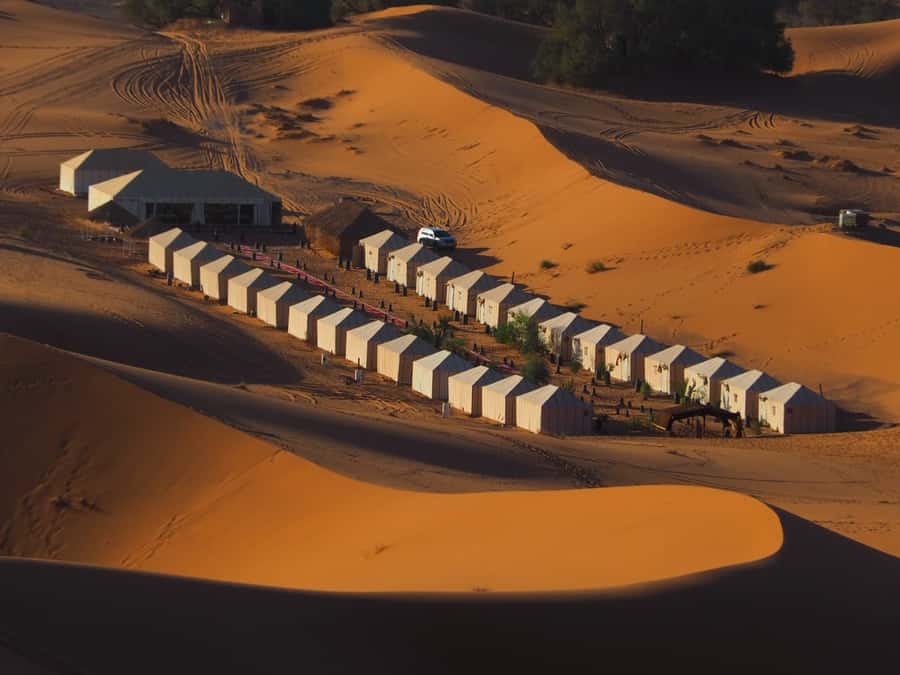
- Camp choices exist: standard, royal, or luxury options, and they can feel very different.
- Meeting matters: find Hassan (Zit) correctly at Ksar Tanamouste or you’ll lose time.
First Steps in Ksar Tanamouste: Finding Hassan (Zit) and Your Jeep Transfer
Your day starts in Ksar Tanamouste, where you’ll meet Hassan (Zit) at the hotel reception area. Bring your voucher so you can hand it over quickly. If you arrive by your own car, there’s a designated parking lot at the hotel—handy because the meeting point isn’t described like a big, obvious public square. It’s more like a place you need to know where to look.
Once you’ve checked in with Hassan (Zit), you’ll hang around at the hotel until departure time. Then you’ll transfer by the hotel’s Jeep to the camel park. This short ride matters more than it sounds: it positions you so your camel trek starts at the right moment for light and dune views.
One small practical note: the experience runs in multiple languages (Arabic, French, English, Spanish). You’ll also get an audio guide with the same language set. If you want clarity fast, pick one language and stick with it so you can follow what happens next without guessing.
You can also read our reviews of more tours and experiences in Merzouga.
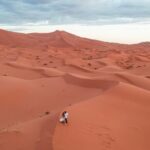
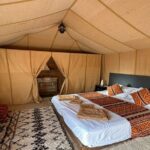
The Camel Trek Through Erg Chebbi Dunes at Sunset
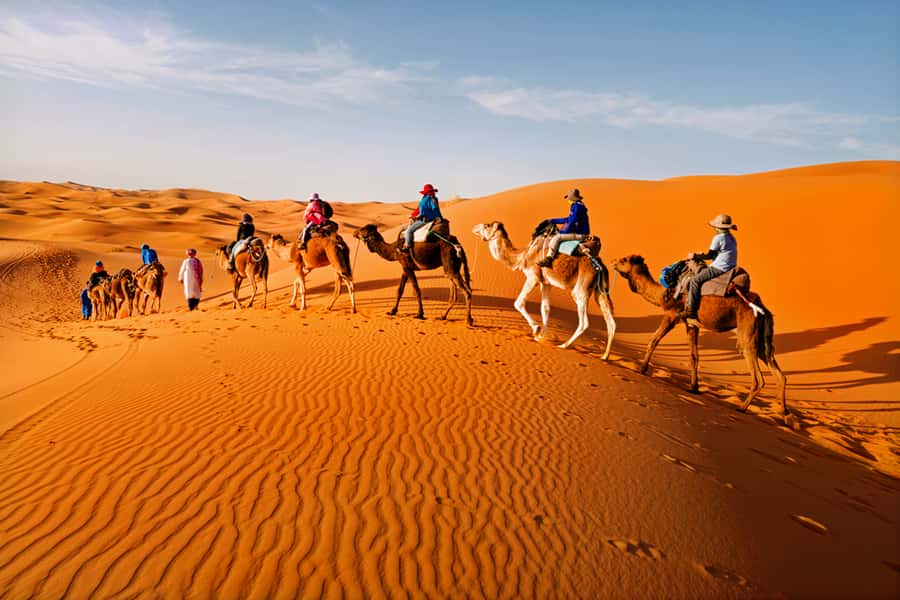
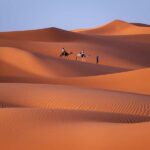
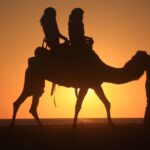
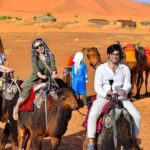
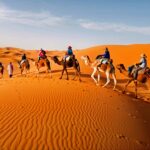
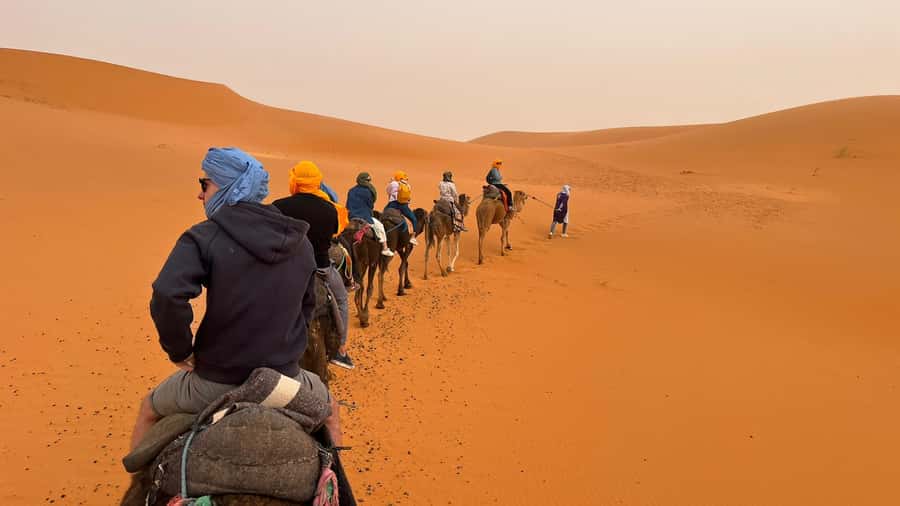
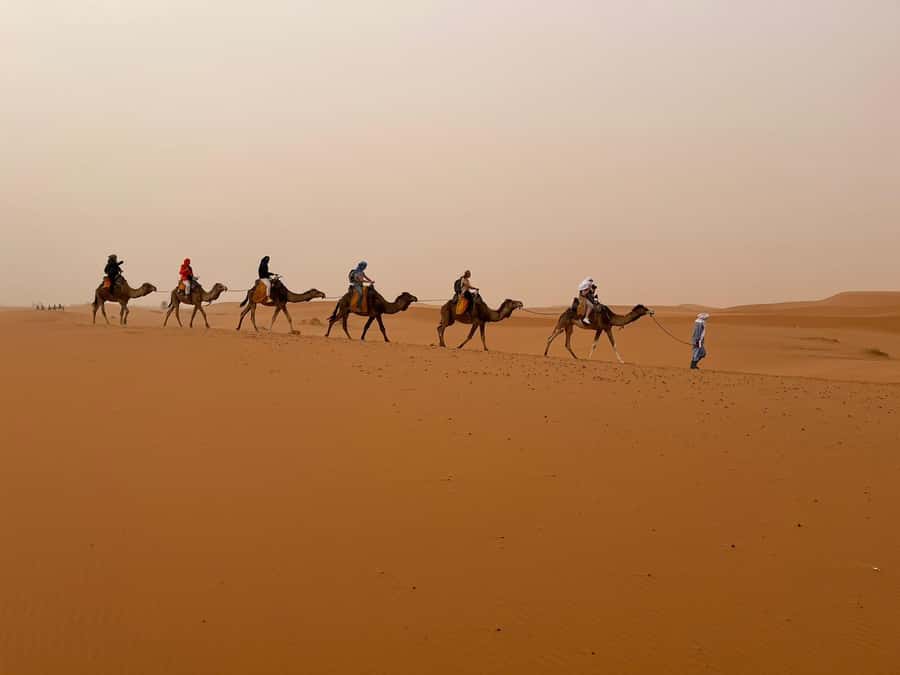
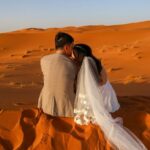
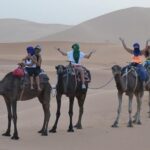
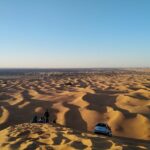
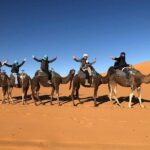
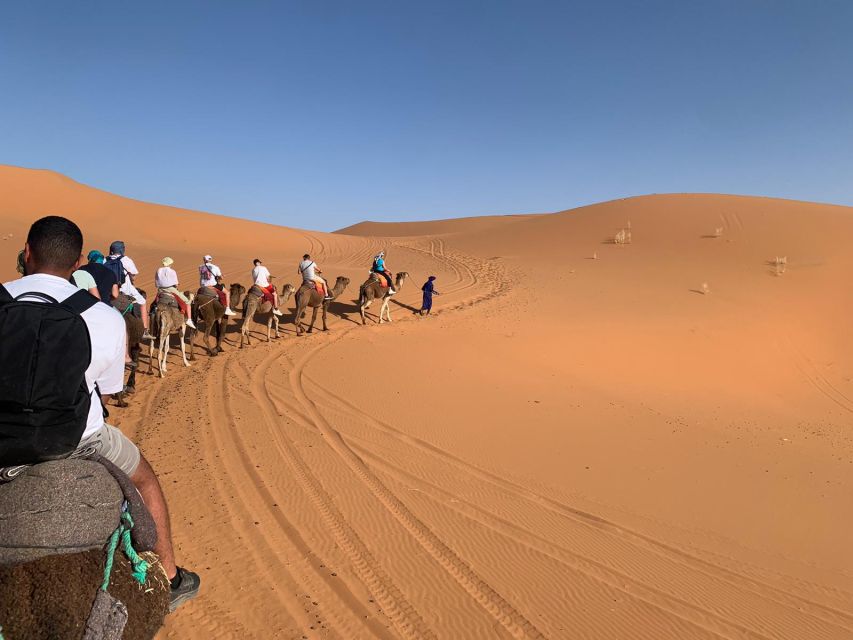
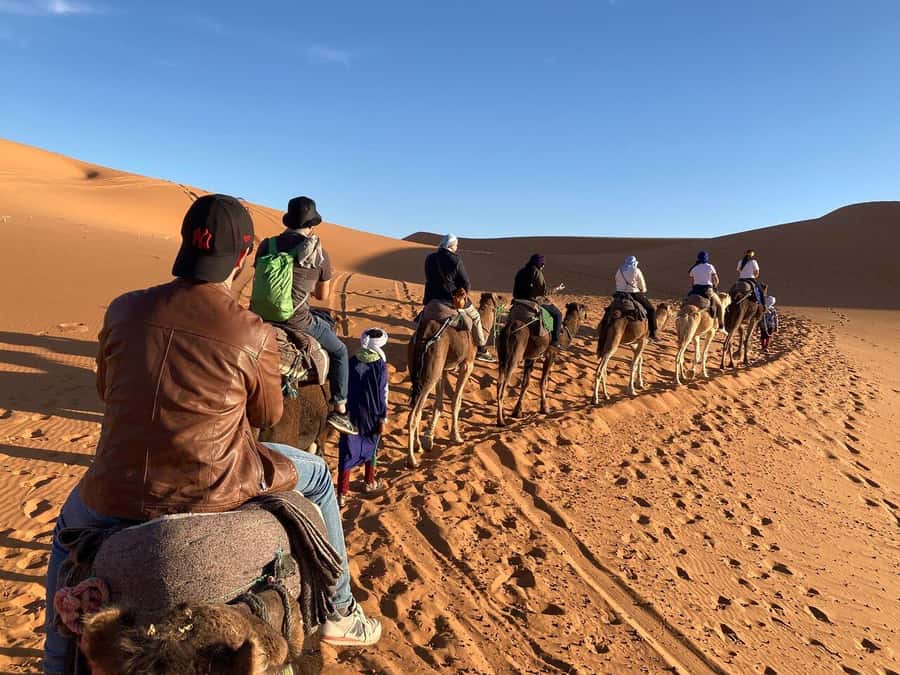
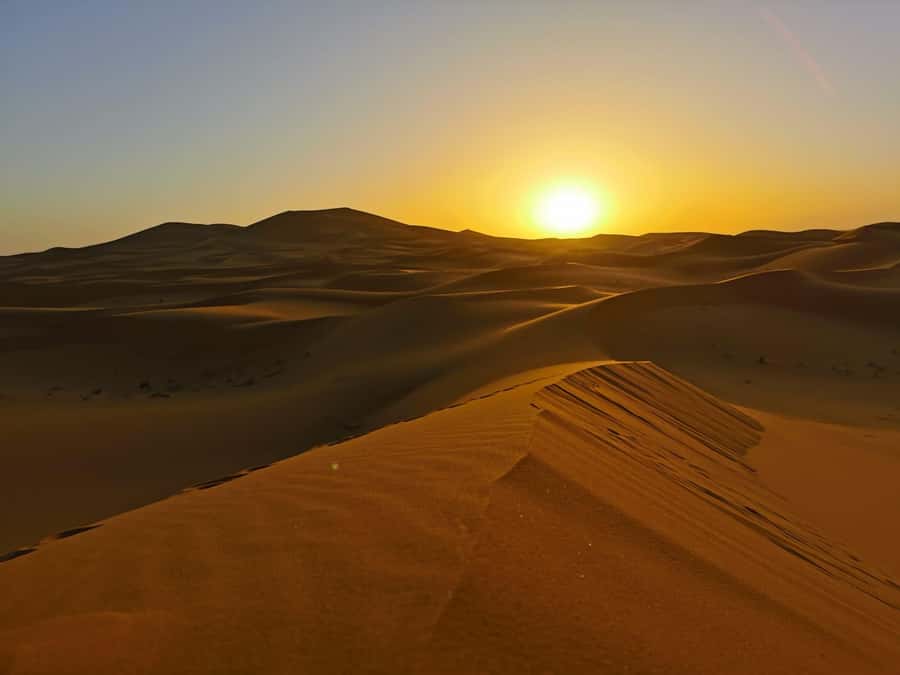
When you mount the camel, you’re stepping into the rhythm of the Sahara—slow, steady, and surprisingly calming once you’re settled. The trek is designed around the best light, with sunset as the big visual payoff. Erg Chebbi dunes are the star here, and you’ll see why people keep returning: the sand colors shift, and the dunes look almost sculpted as the sun drops.
This is where your local guide becomes useful. The tour is run with experienced local guides, and they’ll manage the route and timing so you’re not riding forever just to arrive too late. You’ll also want to keep your scarf handy—wind and sand can turn a photo mission into a constant wipe-fest.
If you’re doing this in a busier season, you might not be in a tiny private line. On some departures, you could start with a larger group (one example noted around fifty people starting together). That doesn’t automatically ruin the experience, but it can affect how fast you get started and how quickly you can ask questions.
What I like about this camel setup is that it feels like transportation and sightseeing. You’re not being shuttled to a viewpoint. You’re moving through the dunes as part of the magic.
Camp Life in the Desert: Private Tent, Dinner, and Berber Drumming
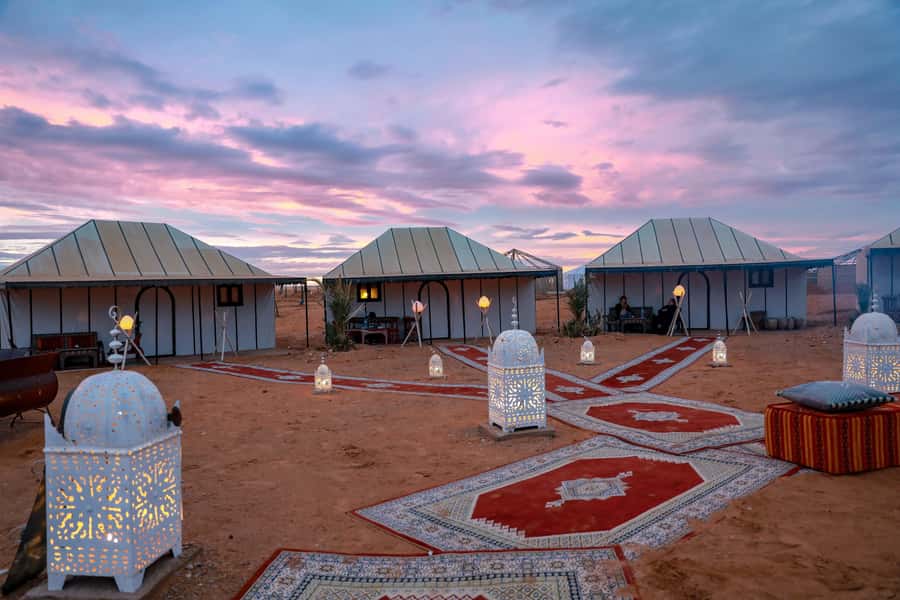
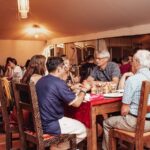
Reaching camp is half the thrill. The camel trek ends at the campsite, and then you get time to settle in before dinner. You’re sleeping in a private tent, and the camp experience is part of the package—so you don’t need to line up lodging once you’re already out here.
The big camp vibe pieces are:
- Dinner
- Berber drumming
- A starry sky moment
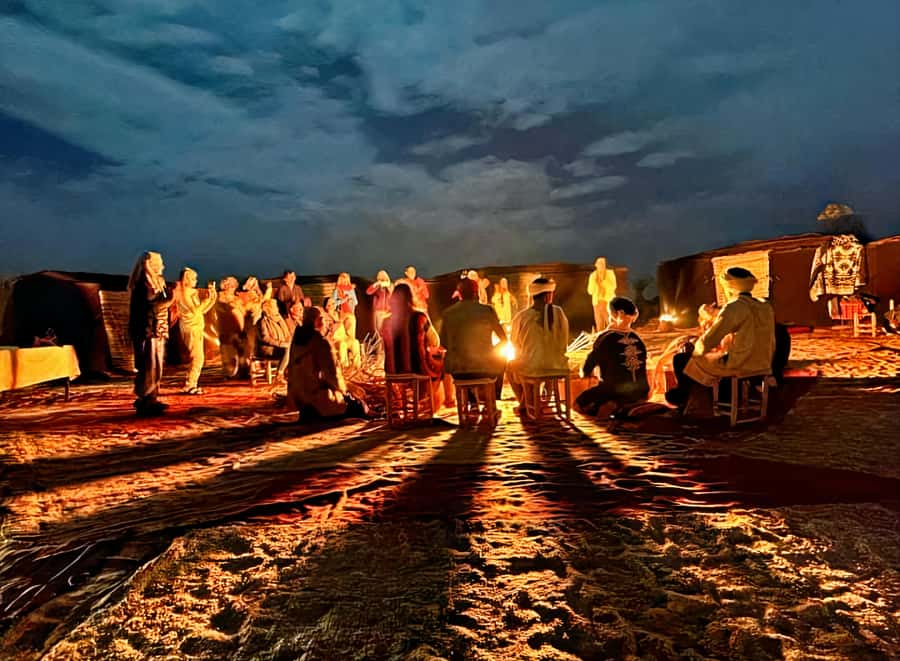
The entertainment isn’t meant to be a concert hall. It’s more like the kind of live cultural touch you remember because it happens in context—sand around you, night air cooling down, and drums carrying sound farther than you expect.
Now for the practical reality: camp details can vary. Some experiences described camps that were smaller than expected and close enough to neighboring camps that you might hear music from elsewhere. If you’re a light sleeper, bring earplugs. Also, promo photos can set a certain expectation; in real life, your camp might not look identical.
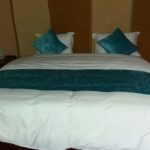
Tent comfort depends on the camp option you select (standard, royal, or luxury). One traveler noted that a luxury tent with a bathroom was great, but Wi‑Fi wasn’t really available beyond a staff mobile router type setup. Translation: don’t plan your night around reliable internet.
Also, temperatures drop hard after sunset. Even with extra blankets available, you’ll be happier if you pack for cold nights rather than assuming Morocco stays warm after dark.
Sandboarding in the Dunes: Optional Fun With Realistic Expectations
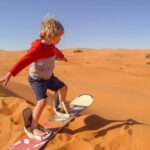
Sandboarding is included as an optional activity. That sounds like a guarantee you’ll get major thrills, but here’s the more honest expectation: sandboarding sessions can be brief and depend on dune size, conditions, and how the guide chooses the run.
One account described a setup that was more like a short slide than a big adrenaline event. Another element to watch is timing. In the camp flow, sandboarding usually happens before dinner or as part of the evening plan, so you might not get your own long practice session.
Still, even if the ride is modest, sandboarding can be a fun souvenir memory because it’s tied to a very specific place: you’re standing on a dune in the Sahara, then riding down its slope on purpose. That alone makes it worth considering if you like trying one unusual activity.
Quick safety mindset: stay aware of footing and sand conditions. The dunes don’t behave like a snow slope—sand can shift under you.
Dinner, Mint Tea, and the Sunset-to-Stars Transition
Meal time is where this tour earns its “worth it” label. You get dinner and breakfast, plus Moroccan mint tea and bottled water. This is important in the desert because you don’t want your day to hinge on finding food later.
After dinner, the camp shifts into that Sahara night mood. Berber drumming gives you a shared focus. Then, if the sky is clear, the stars show up fast. This is one of those experiences where the setting does half the work: even without fancy tech, the night can feel bigger than it should.
One practical tip: don’t over-plan your phone shots for the darkest moments. Your eyes adjust slowly, and you might want to step out for a few minutes rather than chasing the perfect shot immediately.
Sunrise Back on the Dunes and Breakfast That Powers the Return
Morning comes early—this is desert timing, not city timing. You’ll wake up for sunrise and see the dunes under fresh light. Sunrise is usually less about action and more about the color shift and the feeling of quiet after the night.
Breakfast is provided by your guide after sunrise. It’s a practical reset so you can handle the camel ride back without feeling drained.
One real detail to keep in mind: your camel guide may also be managing a lot at once, especially if you’re part of a larger group. Expect the pace to be efficient rather than slow and chatty. Some guides described as less motivated can keep the experience feeling more like a scheduled activity than a personal guided story—so I’d ask direct questions early, when you first meet them.
Then you’ll head back to your meeting point to end the journey, returning to Hassan (Zit).
How Much Time You’ll Spend and Who This Fits Best
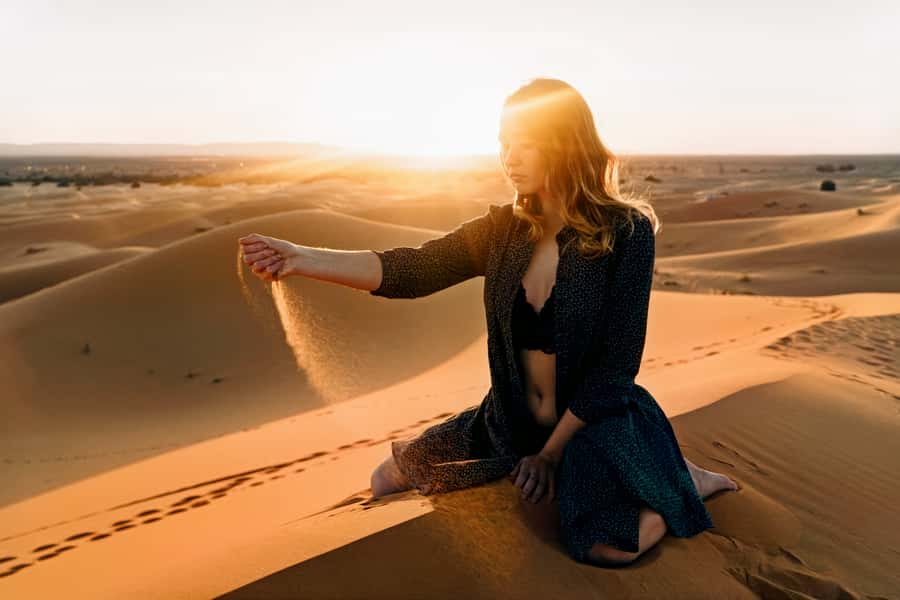
Total time runs about 16 hours. Because the plan includes camel riding, a full night in camp, sunset and sunrise, it’s not a casual half-day excursion. It’s a focused experience—worth doing if you like being off-grid for real.
This trip fits best if you:
- want a genuine Sahara overnight moment (not just a quick ride)
- like photo-worthy timing (sunset + sunrise)
- don’t mind basic camping conditions as long as you’re comfortable enough
- want an included meal plan and local guidance
If you hate early mornings, are very noise-sensitive, or need consistent comfort upgrades (like reliably warm rooms or easy Wi‑Fi), this may be harder. The good news is you can fix some of that with smart packing—especially for cold nights and possible nearby camp music.
Price and Value at Around $73: What You’re Really Buying
At about $73 per person, you’re paying for more than “a ride into the desert.” You’re paying for:
- one camel ride per person
- overnight stay in a private tent
- dinner and breakfast
- Moroccan mint tea, bottled water
- experienced local guides
- optional sandboarding
- luggage storage and shower facilities
That’s the value equation. The cost isn’t just the camel; it’s the whole overnight structure and the guides managing timing so you actually get sunset and sunrise.
The key value move is choosing the camp option wisely. Standard vs royal vs luxury can change how comfortable you feel at night, even if the overall schedule stays similar. If comfort is your priority, pay attention to what your selected camp includes in practice—not just the name.
What Could Go Wrong (and How You Handle It Fast)
Based on real-world experiences, here are the most common friction points—and how to reduce the risk:
1) Finding the meeting point
If signage isn’t obvious, you can burn time before you even start. Go to the hotel reception area and look for Hassan (Zit). Keep your voucher ready.
2) Waiting before departure
Some people reported long waits during the early portion of the day. If you’re prone to getting antsy, use the hotel time wisely: hydrate, snack lightly if you’re allowed, and keep your charger ready.
3) Camp differences versus expectations
Camps can be close to each other, and the vibe can be affected by nearby party music. If you’re a light sleeper, earplugs are a must-have.
4) Sandboarding expectations
Optional sandboarding can be more short slide than big thrill. Treat it as a chance to try, not a guaranteed extreme action scene.
5) Guide energy and communication
Some guides are more talkative and explanatory; others are more minimal. If you want more detail about what you’re seeing, ask specific questions early and insist gently on clarity about what happens next.
What to Pack: Small Stuff That Saves the Day
The essentials list is already a good start:
- sunscreen
- scarf
- camera
- charged smartphone
- sunglasses
I’d also plan for night chill because desert nights can get cold fast—even with extra blankets mentioned. Bring something warm enough to feel comfortable once the sun is gone.
If you’re doing sandboarding, use grippy footwear and stay aware of sand conditions underfoot. Also, keep your scarf for dust control and sun protection. In the Sahara, a scarf is less fashion and more function.
Should You Book This Merzouga Camel Trek?
I’d book it if you want a true overnight Sahara experience with sunset and sunrise on Erg Chebbi dunes, included meals, and cultural evening touches like Berber drumming. At around $73, it’s strong value for the time you get off-grid.
I’d think twice or prepare carefully if you’re extremely sensitive to cold, noise from nearby camps, or you expect sandboarding to be a huge adrenaline event every time. This trip can feel magical when things are aligned, but it’s still a desert camp setup—so comfort and thrill levels can vary.
If you go in with realistic expectations and pack for cold nights (plus earplugs), you’ll likely come away with the kind of memory that sticks: dunes in changing light, a tent under stars, and the quiet between the camel steps.
FAQ
What’s included in the overnight camel trek in Merzouga?
You get a camel ride (1 per person), an overnight stay in a private tent, dinner and breakfast, Moroccan mint tea, and bottled water. Experienced local guides are included, along with luggage storage and shower facilities, and optional sandboarding in the dunes.
Is sandboarding included or do I pay extra?
Sandboarding is included as an optional activity. If you choose to do it, it’s part of the experience rather than an added separate cost.
Where do I meet the guide in Ksar Tanamouste?
The meeting point is Ksar Tanamouste. Go to the hotel reception area and look for Hassan (Zit). Have your voucher ready to show him upon arrival.
How long is the tour and what are the key times?
The total duration is about 1 day, around 16 hours. The experience is designed around sunset and sunrise, with dinner in camp the first night and breakfast after sunrise the next morning.
Can I cancel for a full refund?
Yes. You can cancel up to 24 hours in advance for a full refund.
What should I bring with me?
Bring sunscreen, a scarf, a camera, a charged smartphone, and sunglasses. For comfort, also think about warm clothing for the night since desert temperatures can drop.