REVIEW · MERZOUGA
Overnight Camp Camel Trekking In Merzouga
Book on Viator →Operated by Camp Camel Trekking · Bookable on Viator
Sleeping under Berber stars starts with a camel and sand. This private overnight camel trek in Merzouga is built around a classic Sahara rhythm: afternoon ride, sunset on the dunes, and a camp night that feels like a movie set in real life.
What I like most is the human touch. Your guides keep an eye on comfort, slow down for photos, and check in as you ride. I also love the camp setup choice: a private tent either with shared outside washing (standard) or with your own bathroom inside (luxury). One consideration: there’s no A/C, and heat can be intense in summer.
Logistics are simple, too. You’re picked up from your Merzouga hotel, ride out for about 1h30min, and you return in the 8–10am window. In winter, the departure tends to be around 4pm; in summer, it’s closer to 7pm, which helps when temperatures climb.
In This Review
- Key Things to Know Before You Go
- Camel Trek in Merzouga: What the “Overnight” Really Feels Like
- The Afternoon-to-Camp Ride: Timing, Camel Comfort, and Views
- The Sunset Pause on the Dunes: Why It’s the Money Moment
- Berber Camp Night: What You Get in Standard vs Luxury
- Standard Berber Camp (best value)
- Luxury Desert Camp (more comfort)
- Dinner, Breakfast, and the Camp Vibe
- Sandboarding in the Desert: The Included Extra That Changes the Trip
- Pickup, Return Times, and Seasonal Timing Without the Headache
- Price Check: Is $58.16 Good Value in the Sahara?
- Heat, No A/C, and How to Stay Comfortable
- Who Should Book This Camel Trek (and Who Might Skip It)?
- Quick Tips to Make This Tour Feel Smooth
- Should You Book Overnight Camp Camel Trekking in Merzouga?
- FAQ
- What time do the camel treks start in winter and summer?
- How long is the camel ride to the camp?
- What’s included with the overnight camp?
- What’s the difference between standard and luxury camp tents?
- When do you return to Merzouga?
- Are drinks included?
Key Things to Know Before You Go
- Private tent options in Erg Chebbi: standard gives you a private tent with shared outside shower; luxury adds a private bathroom inside
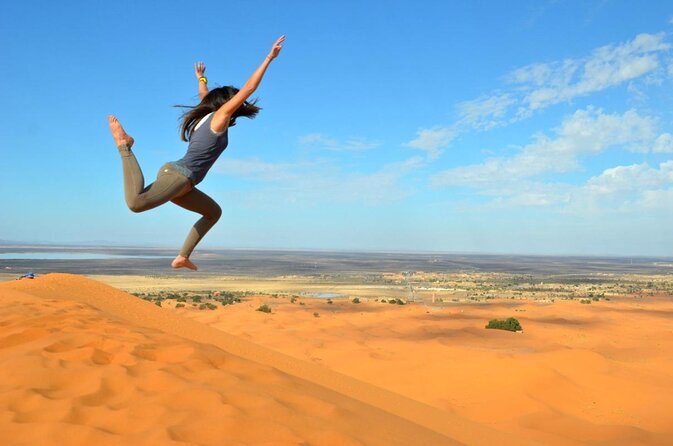
- Sunset is built into the ride: you stop on the dunes before continuing to camp for the full golden-hour moment
- Dinner plus Berber drums: the camp evening isn’t just food and sleep, it has a cultural soundtrack
- Sandboarding is included: free board time on the dunes makes it more than a one-note camel ride
- Heat reality check: summer nights can be very hot (around 40°C) with no A/C at camp
- A guide you’ll actually feel: I’ve seen mentions of Dao and guides who ask if you’re doing okay on the camel
Camel Trek in Merzouga: What the “Overnight” Really Feels Like
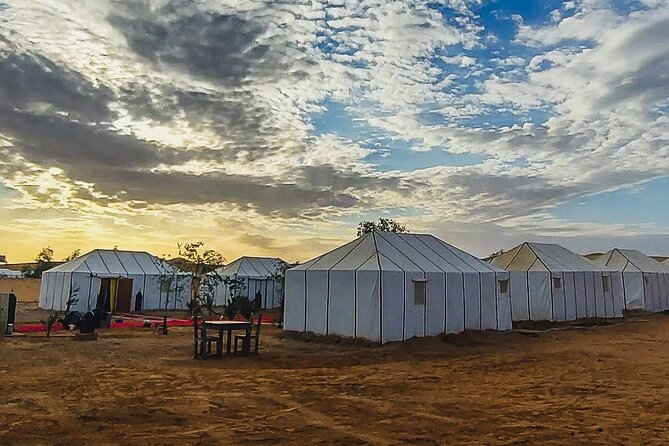
This is an overnight desert experience designed to feel personal, not rushed. You’re not doing a checklist of stops. You’re moving with the desert’s pace: ride in, watch the sky change, eat in camp, sleep, and wake up to sunrise—then go back to town.
Because it’s private, your group stays together from pickup to return. That matters if you’re traveling with kids, older folks, or simply want your own space when you’re adjusting to camel rhythm. The tour also uses a mobile ticket, which keeps the day simple: less scrambling, more time staring at dunes that look different every few minutes.
At the center of it all is Erg Chebbi, the famous dune field near Merzouga. The camels aren’t a side activity. They’re the whole way the experience connects you to the sand—slowly, steadily, and at eye level with the dunes as they roll past.
You can also read our reviews of more tours and experiences in Merzouga.
The Afternoon-to-Camp Ride: Timing, Camel Comfort, and Views
Your trek starts in the afternoon. In winter, departures are typically around 4pm. In summer, you’ll usually set out closer to 7pm, which helps because the daytime can be brutally hot.
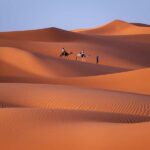
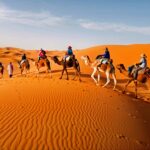
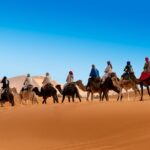
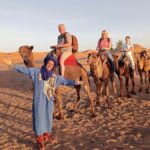
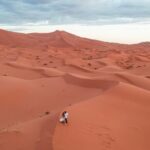
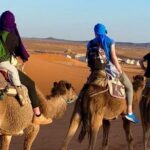
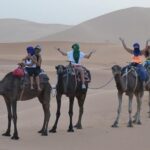
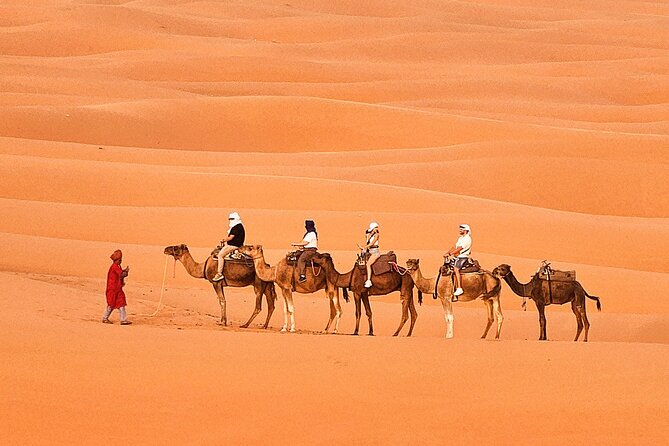
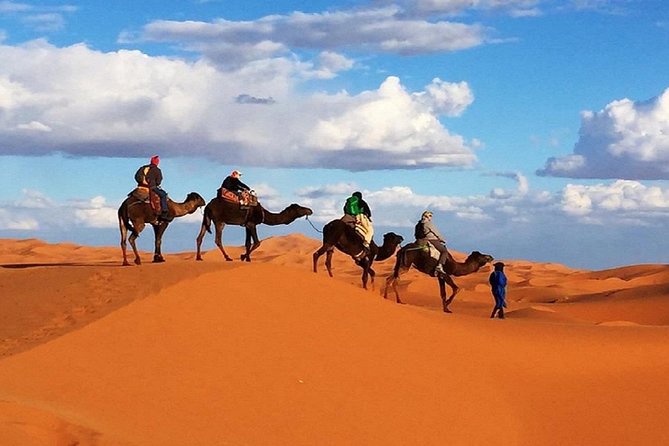
You ride the camels for about 1h30min. That’s enough time to get into the feel of it without turning it into a marathon. And yes, you do get views the whole way. The dunes aren’t a distant backdrop. They shift under your gaze as you travel.
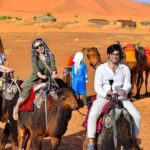
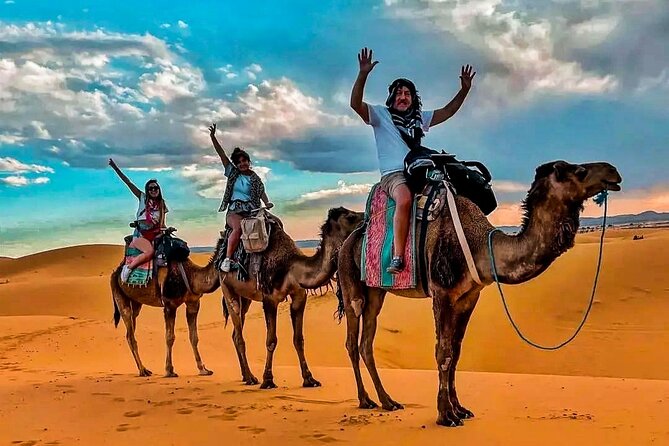
Here’s the practical part: camel rides are comfortable for many people, but you’ll want to listen to your guide and speak up if something hurts. One strong theme from guide behavior is that they check in during the ride—asking if you’re okay and offering to help with photos along the way. That kind of attention makes a big difference when you’re sitting on a moving animal for more than an hour.
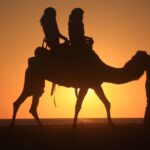
On the way, there’s also a pause for sunset. That means the ride isn’t just transport. It’s built to deliver a moment you’ll remember later when you’re back in Merzouga thinking, I can’t believe that was real.
The Sunset Pause on the Dunes: Why It’s the Money Moment
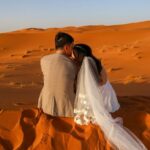
Sunset in the Sahara isn’t subtle. The dunes go from gold to orange to deep rust, and the light changes the texture of the sand. Even if you’re not a photographer, you’ll notice it. Shadows stretch. Ridges pop. The whole scene feels sharper, like the world switched from normal mode to cinematic mode.
The tour stops on the dunes, lets you watch the change, and then continues on to camp. This order matters because it keeps the evening from feeling like a rushed scramble. You’re not sprinting to camp just to eat. You’re earning your camp moment with the dunes first.
If you’re a light sleeper (or you’re sensitive to noise), one thing to know: camp nights can include sound. Some people mention music going late into the evening. That doesn’t ruin the trip, but it’s worth planning for. Pack accordingly—more on that later.
Berber Camp Night: What You Get in Standard vs Luxury
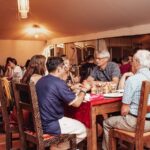
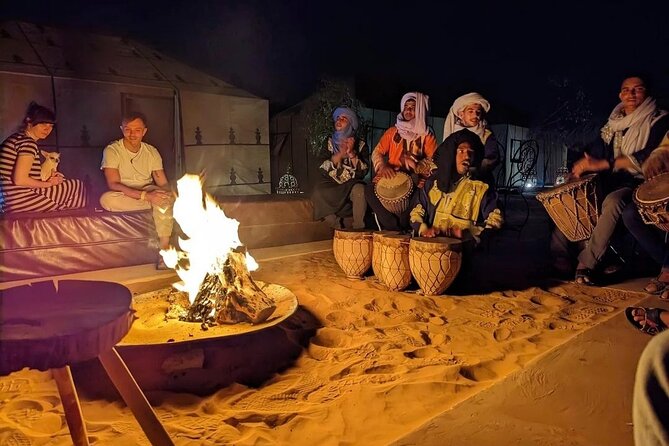
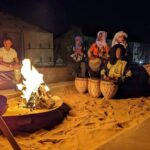
When you arrive at camp, you’re not just shown a place to sleep. You’re hosted. Dinner comes with traditional Berber drums, which turns the meal into a cultural night, not just calories and silence.
Then it’s sleep time. This is where the camp choice really affects your comfort:
Standard Berber Camp (best value)
- You get a private tent
- Bathroom and shower are outside and shared
- You’re limited to small bag backpacks for the overnight
- Your other luggage stays in storage for you
Luxury Desert Camp (more comfort)
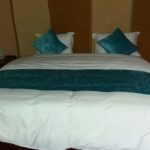
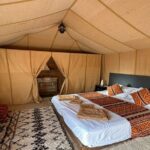
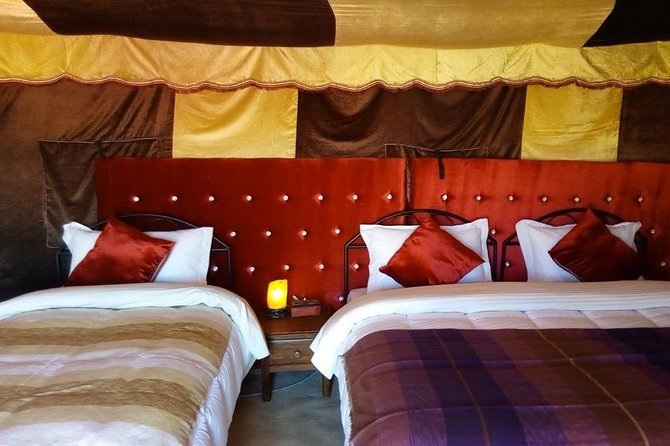
- You get a private decorated tent
- Private bathroom and shower inside your tent
- Luggage services are available
- If you choose extra ways to return (moto quad or jeep), that’s an additional charge
So the decision is simple: standard saves money and still gives you privacy at sleeping time. Luxury costs more but cuts down on the friction of shared wash areas and luggage handling. If you’re traveling as a couple, the luxury setup can feel worth it just for convenience.
Also, for both options, breakfast happens after sunrise at the camp. That means you don’t wake up and immediately leave. You wake up and take in the morning the way the desert wants you to—slowly.
Dinner, Breakfast, and the Camp Vibe
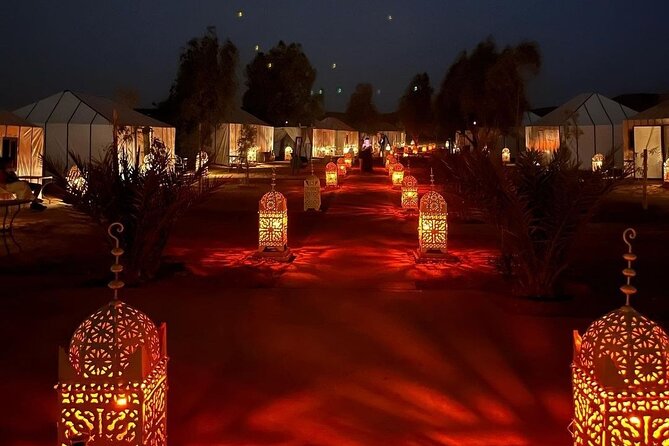
Food is included: dinner and breakfast. Based on what people highlight, the meals tend to be satisfying, not tiny. There’s mention of hearty dinner and even multi-course experiences from some nights, plus a drum-filled atmosphere that keeps the camp feeling alive.
The camp dinner is also where the tour makes it easy to relax. Your day is mostly “move, watch, ride.” Then suddenly you’re seated with time to eat, listen, and just be there. That’s the point of an overnight, not a quick desert photo stop.
When you wake up, sunrise is the cue. You’ll have breakfast at the camp after the sun comes up. It’s a nice contrast to the sunset pause from the afternoon ride: same dunes, different mood.
Sandboarding in the Desert: The Included Extra That Changes the Trip
One of the smartest value adds here is free sandboarding. Many camel treks sell you a ride plus a meal. This one gives you a second desert activity without pushing you into optional upsells.
If you enjoy trying one fun thing that you don’t do at home, this can be the difference between a nice story and a full memory montage. Even if sandboarding isn’t your thing, it breaks up the routine so your time in the dunes feels active.
Pickup, Return Times, and Seasonal Timing Without the Headache
You start in Merzouga and end back at the meeting point. Pickup is from your Merzouga hotel, which is a big deal because it removes the “where do I meet?” stress.
Return happens between 8–10am, depending on season and the way you return (camels, car, or ATV). That means your morning isn’t locked to a single exact minute, but it’s still predictable enough to plan your day after.
One heads-up from experience with camp-style tours: mornings can feel early if you’re coordinating return. Some people also note that you may need to leave camp earlier than they expected. If you’re the type who needs a long goodbye to scenery, plan to be flexible.
Price Check: Is $58.16 Good Value in the Sahara?
At about $58.16 per person, this ranks as one of the more approachable ways to do an overnight camel trek from Merzouga—especially because meals and a sleeping option are included, along with camel transfer to and from camp.
What makes the value work:
- You get camel ride both directions
- Dinner and breakfast are included
- You have a private tent
- Sandboarding is included
- Pickup is handled from your hotel
What could affect your final value:
- The heat level (and lack of A/C) can make “comfortable sleep” less guaranteed in summer.
- If you choose luxury camp, that raises the cost for more privacy and private washing.
- Drinks aren’t included, so budget a bit if you know you’ll want them.
If you want the Sahara experience without paying luxury hotel prices, this is a strong candidate. If you’re chasing maximum comfort with zero friction, the luxury camp option is the upgrade path.
Heat, No A/C, and How to Stay Comfortable
The tour does not pretend conditions are easy. In summer, it can get around 40°C at night, and there’s no A/C at camp. Even if nights cool a little, the desert can feel warm and heavy once you’re tucked in.
That doesn’t mean the trip is a bad idea in summer. It means you should prepare your body and expectations:
- Plan for warm sleep conditions in summer months
- Pack light, but bring layers for when the temperature shifts
- Keep water in mind; drinks are not included
- Consider earplugs if you’re sensitive to late-night music
It’s also worth noting you ride in the evening in summer. That schedule choice helps a lot. You’re not stuck doing the long camel portion at the peak heat of the day.
Who Should Book This Camel Trek (and Who Might Skip It)?
I think this tour is a good fit if you want:
- An overnight Sahara experience, not a half-day stunt
- A private setup with a private tent
- Real desert rhythm: ride, sunset, drums, sleep, sunrise, breakfast
- Included sandboarding without paying extra
You might reconsider if:
- You hate any chance of shared facilities (standard camp has shared outside shower/toilet)
- You need ultra-quiet evenings and early mornings are a problem for you
- You’re sensitive to heat and aren’t willing to handle nights without A/C
If you’re traveling with friends and want to split comfort decisions, luxury camp can be a peace-offering upgrade. If you’d rather spend money on your route through Morocco, standard camp keeps the budget grounded while still delivering the core magic.
Quick Tips to Make This Tour Feel Smooth
A few small choices can make a big difference:
- Bring a bag that fits the camp rule: standard camp allows only small overnight bag backs, while luggage is handled in storage
- If you’re doing standard camp, wear footwear that works for outside shower areas
- Plan for photos during the sunset stop; the guide helps with photo opportunities
- Expect a cultural evening with Berber drums and possible late camp noise
- Pack for heat first, then for night temperature swings
This is one of those trips where you’ll get out of it what you bring in: flexible mood, a willingness to unplug, and a little patience for desert timing.
Should You Book Overnight Camp Camel Trekking in Merzouga?
If you want the classic Sahara story—camel ride, dune sunset, Berber drums, and sunrise breakfast—this is a very reasonable way to do it. The best part is that it’s not just a photo stop. It’s built as a full night in the desert with a real sleeping setup.
Book this if you’re okay handling heat in summer and you’d like a private tent experience at a price that doesn’t make you wince. Choose luxury camp if private bathroom convenience matters to you. Choose standard camp if you want the same core magic and you’re fine with shared washing outside.
Either way, you’re going to end up with that rare kind of memory: the dunes change color while you’re actually there, and then you fall asleep to the desert’s silence.
FAQ
What time do the camel treks start in winter and summer?
In winter, departures are typically around 4pm. In summer, departures are typically around 7pm.
How long is the camel ride to the camp?
You ride the camels for about 1h30min, with a pause to see the sunset before continuing to the camp.
What’s included with the overnight camp?
The tour includes dinner and breakfast at the camp, camel transport from/to the camp, your tent, and free sandboarding. Drinks are not included.
What’s the difference between standard and luxury camp tents?
Standard camp includes a private tent with shared bathroom and shower outside, plus luggage storage. Luxury camp includes a private decorated tent with a private shower and bathroom inside, and luggage services are available.
When do you return to Merzouga?
Return is typically between 8–10am, depending on the season and how you travel back.
Are drinks included?
No. Drinks are not included, so you’ll want to plan for that if you expect to buy or bring refreshments.