REVIEW · SENARU
From Senaru: Mount Rinjani 2-Day Trek to Summit
Book on GetYourGuide →Operated by Rinjani Hero · Bookable on GetYourGuide
Waking before dawn, you climb a living volcano for sunrise. I love the cold-weather setup they bring with you—headlamp, trekking poles, camping chairs, and even dinner-table comfort—and I love the crater-rim night under a sky full of stars. The drawback: the last hour to the top is steep, loose, and unforgiving, so if you show up underdressed, you’ll pay for it.
This trek is also a logistics game in a good way. You’re hiking in a small group (up to 10), with an English/Indonesian guide and a porter team that handles a lot of the camp load. Just don’t ignore the national-park permit rules: they’re limited per day, and if you miss the window, you’ll need to reschedule.
In This Review
- Key things that make this trek worth it
- Permits via ERinjani App: the 240/day bottleneck
- Day 1 from Senaru: posts, hot drinks, and Sembalun crater-rim sleep
- What to watch for on Day 1
- Day 2’s 2:30am wake-up: summit push to 3,672m and the steep last hour
- A small but important mindset shift
- What’s included: comfort you’ll notice in the dark
- Cold is the real enemy
- Price and value: what $183 covers (and what it doesn’t)
- Who should do this trek—and who should skip it
- Who this suits best
- Practical packing checklist for Rinjani’s cold and wind
- Should you book the Senaru Mount Rinjani 2-Day Trek?
- FAQ
- FAQ
- Where does this trek start?
- How long is the trek?
- What time do you start the summit hike on Day 2?
- What is the summit height?
- How many people are in the group?
- What language is the guide?
- Do I need to register for permits in advance?
- How do I register using the ERinjani app?
- What is the permit fee?
- What’s included in the trek price?
- What should I bring personally?
Key things that make this trek worth it
- Crater-rim camping with real night-sky views: you sleep by the crater rim at Sembalun.
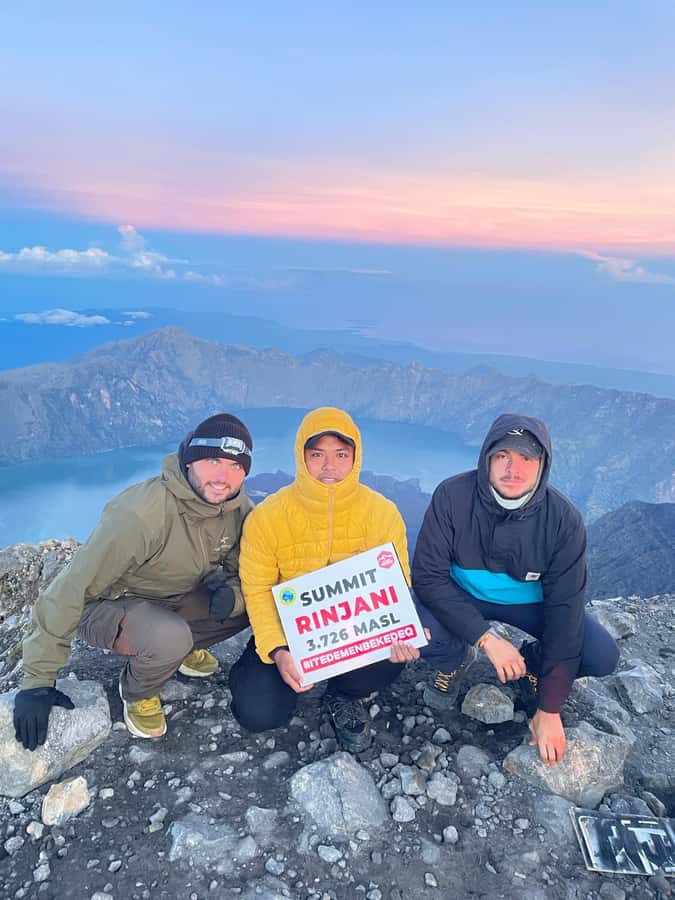
- The summit plan is built around sunrise: you start around 2:30am and aim for the summit by early morning.
- Gear that saves your energy (and sanity): headlamps, trekking poles/sticks, tents, chairs, sleeping bags, and even rain gear.
- A smart rhythm on Day 1: posts along the way break the climb into manageable chunks.
- Food is a big part of the experience: multiple meals plus hot drinks keep you going uphill.
Permits via ERinjani App: the 240/day bottleneck
Mount Rinjani isn’t a “show up and go” mountain. The national-park system limits permits to 240/day, so timing matters. If permits run out for the day you choose, your trek can’t just happen anyway—you’ll need to reschedule. That’s why you should treat permits as the first step, not a paperwork afterthought.
You can register through the ERinjani app. You’ll add member details like passport number, full name, birthday, weight and height, and nationality. After submitting details, you pay directly by Indonesian bank transfer to the government account for the permit fee: RP 250,000 per person per day. If you want the path to be less fiddly, you can also contact a local guide/operator to help with registration, since the ticket quota is tight.
One practical tip: once your day is locked, don’t wait to pack and plan. When you’re hiking early morning for sunrise, a late start isn’t just inconvenient—it can mess with the whole schedule.
You can also read our reviews of more tours and experiences in Senaru.
Day 1 from Senaru: posts, hot drinks, and Sembalun crater-rim sleep
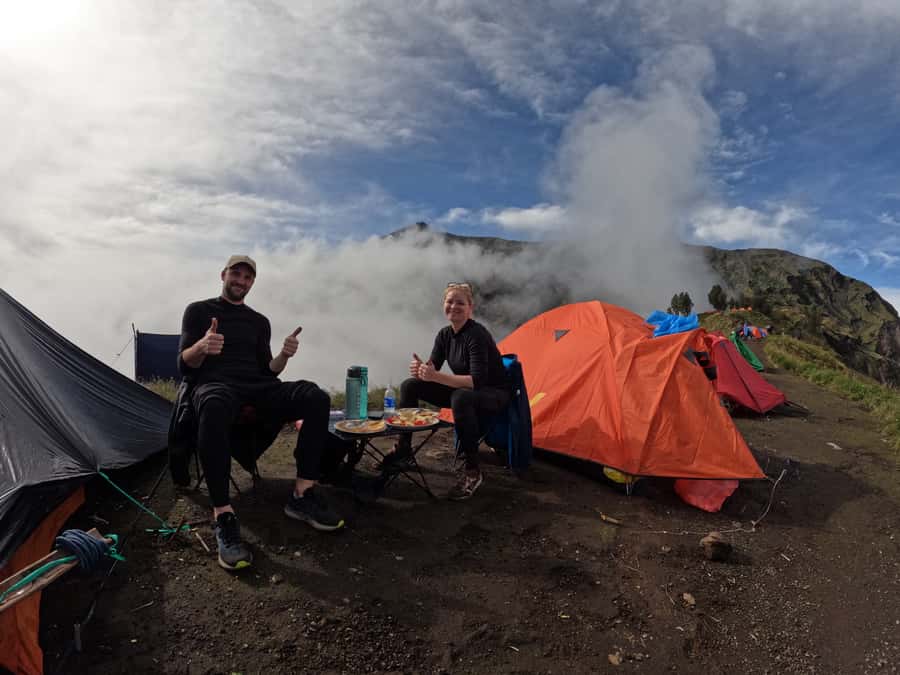
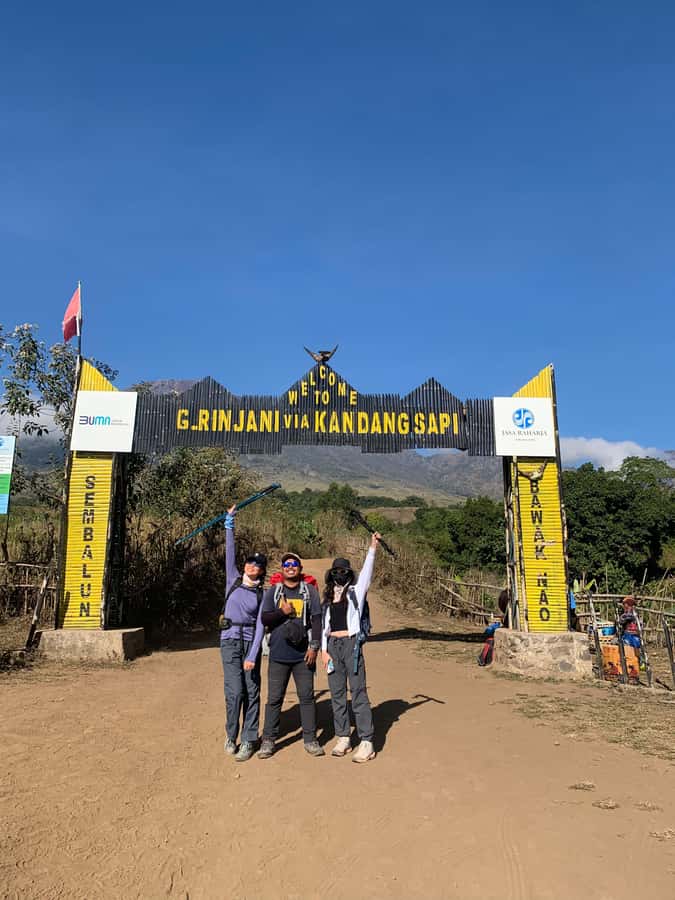
Day 1 begins with a transfer into the hiking start area. You’ll be taken from Senaru by mountain car to Sembalun village (about 45 minutes to 1 hour). You should arrive around 8:00am, which gives you time to register and get moving without feeling rushed.
Registration happens at the Rinjani Information Center (RIC) at 1,051m, then you continue toward Post 1 (Monitoring Post) at 1,300m, a trek that takes about 2 hours. There’s a short 5–10 minute rest at Post 1, then you push to Post 2 (Tengengean) at 1,500m for about 1 hour. Another short break follows, then you head onward to Post 3 (Pada Balong) at 1,800m, again around 1 hour.
At Post 3, the schedule builds in real recovery: you rest for about 2 hours. This is when the guide and porters prepare lunch and a hot drink (options include tea, coffee, hot chocolate, or lemon tea). That matters because you’re about to face the long climb segment up to the crater rim.
From Post 3, you continue to Sembalun Crater Rim (Pelawangan Sembalun) at 2,639m for roughly 3 hours, including a prolonged steep climb. This is the part that feels more like “work” than “walking,” even if you’re fit.
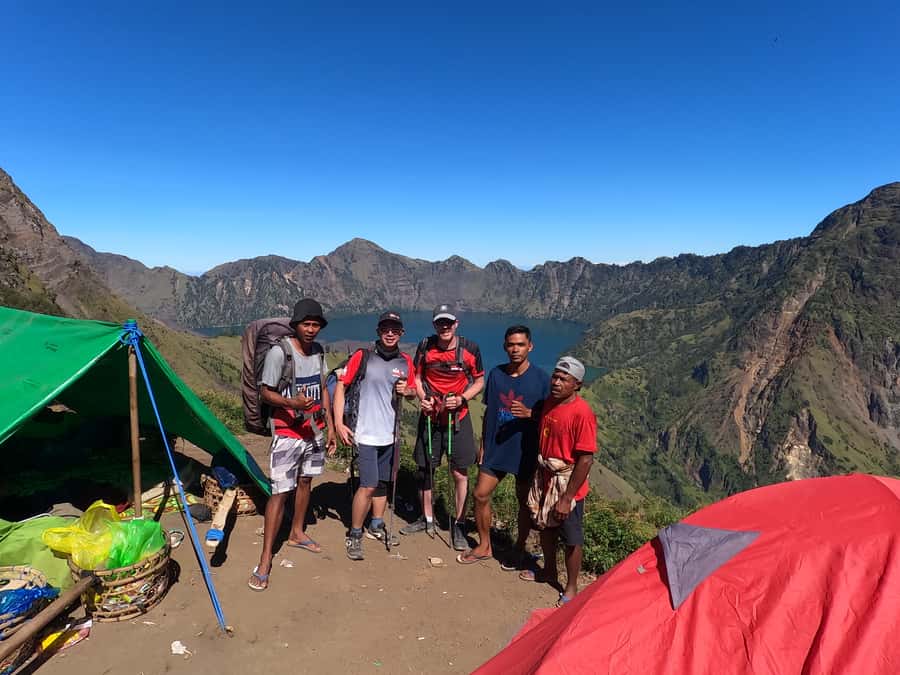
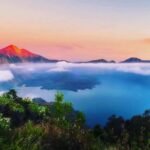
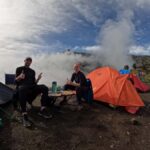
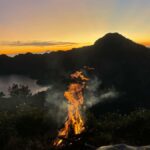
Once you reach camp, you’re not done. You’re there to enjoy it. This is the special part: you can watch sunset and sunrise, and look out over Segara Anak lake and the views toward Sembalun village and the wider northern Lombok range. And yes—you sleep at a campsite near the crater rim, under the stars.
What to watch for on Day 1
- Altitude climbs in steps, but you still need to pace yourself.
- If it’s windy, you’ll feel the cold more than you expect.
- You’ll go uphill a lot, so save your power early and don’t sprint between posts.
Day 2’s 2:30am wake-up: summit push to 3,672m and the steep last hour
If you’re not into early starts, this is the one trek you’ll remember. You’ll wake around 2:30am so you can catch sunrise. Then you’ll have a light breakfast and start the summit trek around 3:00am, aiming for 3 hours 30 minutes up to the Rinjani summit (3,672m).
The climb breaks down into three phases. The first 2 hours is a moderate climb. Then comes a fairly easy but long stretch—your legs will notice the “long” part, even when the grade feels kinder. The final hour is the troublemaker: it’s steep and difficult, with loose stones. The ground can feel like it’s working against you. When you take steps, you might feel like you slip back a little even with careful foot placement.
From the summit, visibility is the reward. On a clear morning, you can see Lombok island, Bali, Mt. Tambora in Sumbawa, and Segara Anak Lake. This is one of those mornings where you stop thinking about the climb and start thinking about the world map you just peeked through.
After sunrise, you come back down to Sembalun Crater Rim for breakfast, then rest. The descent to Sembalun village (1,150m) takes about 4–5 hours. Lunch is typically taken at Post 3 or Post 2, and you should reach the village around noon. A car is then waiting to take you back to Senaru, and the trek is finished.
A small but important mindset shift
This is not “hike all day, photos at the end.” It’s hike, pause, climb again—then hike down again while it’s still daylight. If you want lots of photos, accept that you’ll take them in short bursts, including at the summit, where you can capture your moment.
What’s included: comfort you’ll notice in the dark
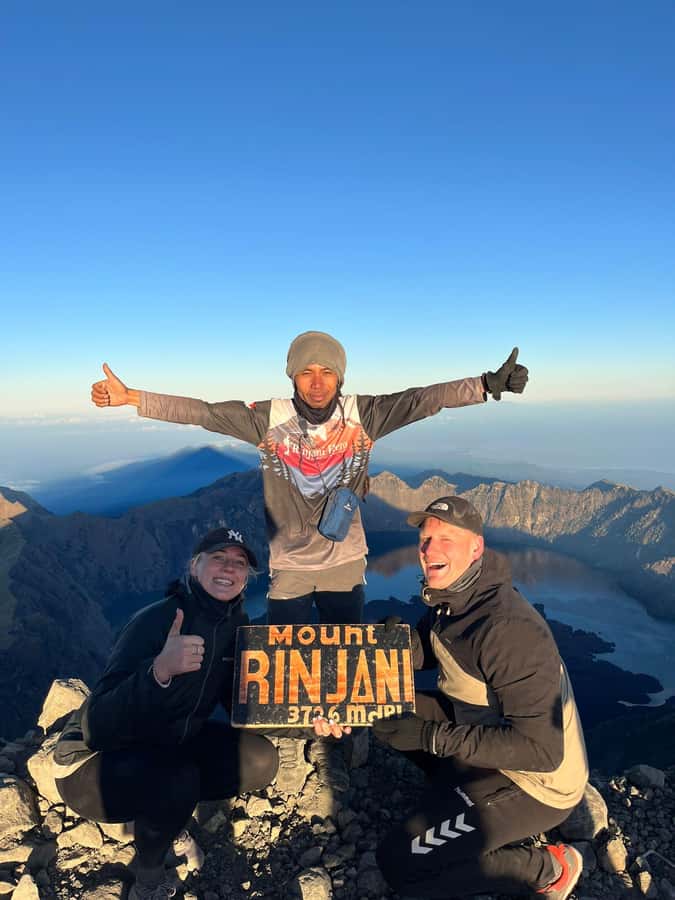
A lot of treks tell you you’ll be comfortable. This one actually tries to deliver comfort with the gear list.
They include:
- Camping equipment: double-size tent, camp chairs, toilet tent, sleeping bags, pillows, and a mattress
- Headlamp so you can move safely before sunrise
- Trekking poles/sticks (huge on steep, loose sections)
- Meals and drinks: breakfast, lunch, dinner, plus drinking water
- Rain coat
- Insurance
- Porter support for camping equipment
That “chairs and dinner table” detail matters more than it sounds. When you’re tired, you don’t want to eat perched on a rock. You want a place to sit and eat like a human. You’ll likely appreciate that most on the long Day 1 where you’re stacking fatigue hour by hour.
They also emphasize a small backpack limit: keep personal trekking items under 5 kilograms. That helps you climb without turning your pack into a second backpack of regret.
Cold is the real enemy
The gear helps, but you’re still hiking into wind and cold at altitude. In feedback, people specifically call out needing very warm gloves, and ideally ski gloves, plus something for your head like a thick hat or cagoule/balaclava and a strong windproof outer layer. On Day 2, the summit approach can feel brutal if you dress like it’s a normal morning.
Price and value: what $183 covers (and what it doesn’t)
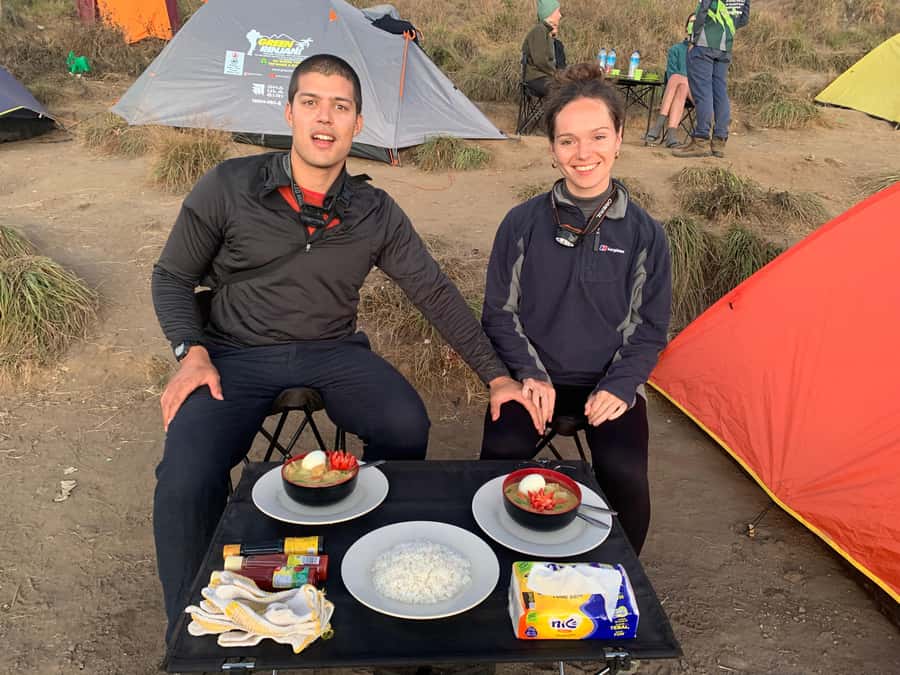
The price listed for this experience is $183 per person for 2 days. That can feel high or fair depending on what you compare it to.
Here’s what your money is buying:
- A guide plus porter labor for camp setup
- Full meals and safe drinking water during the trek
- A full camp system (tent, sleeping bag, mattress, toilet tent, chairs)
- Headlamp and trekking poles/sticks
- Insurance and rain protection
What it doesn’t include:
- The Rinjani National Park entrance fee / permit fee
- A small bag/day pack
So you’re paying for the heavy lifting logistics and the equipment that keeps you functional. If you were planning to rent gear locally or hire extra porters on your own, you’d likely lose time and money anyway. The $183 price becomes more meaningful when you factor in that you’re not carrying camp equipment and you’re getting the basics for cold weather camping.
Who should do this trek—and who should skip it
This is a serious hike. The operator states it’s not suitable for people without the right fitness level, and it also excludes several health situations.
Not suitable for:
- Children under 4 years
- Pregnant women
- People with heart problems
- People afraid of heights
- People with diabetes
- People with altitude sickness
- People without experience
- People with low level of fitness
- People over 70 years
If you have a history of altitude issues, don’t gamble. And if steep, loose stone makes you tense, you should think hard before committing.
Who this suits best
You’ll be happiest if:
- You can walk long distances and handle uphill and downhill
- You’re comfortable with early starts and cold nights
- You want sunrise views without having to manage heavy camp logistics yourself
- You like a small group pace (max 10 participants)
One extra note from real-world feedback: people also mentioned improved comfort when clothing was planned properly. So if you’re unsure what to pack, err on the warm side.
Practical packing checklist for Rinjani’s cold and wind
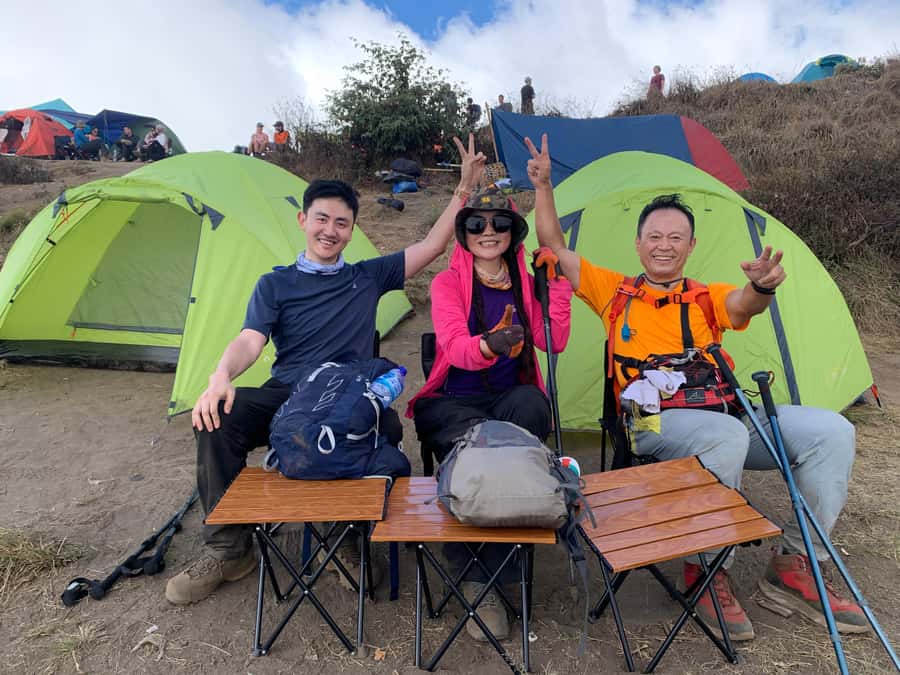
Bring this stuff so the mountain feels like a challenge, not a punishment:
- Hiking shoes
- Gloves (seriously warm; ski-glove level is what people emphasize)
- Long pants
- A charged smartphone (useful for photos and timing)
- Cash
- A collared shirt (included in their suggested items)
Also pack personal items in a small backpack under 5 kg:
- toiletries and personal medication
- sunscreen and insect repellent
- camera and small towel
- 2–4 cotton t-shirts
- long trek pants
- windproof jacket
- 2 shorts
- sandals and swim wear (if you want them for downtime)
If you’re adding an extra porter service, you can carry more personal belongings—but keep your main trekking pack light. The mountain doesn’t care about your fashion choices; it cares about foot fatigue.
Should you book the Senaru Mount Rinjani 2-Day Trek?
Book it if you want a classic Rinjani summit plan with crater-rim camping and you’re ready for cold, early mornings, and a steep final push. The value is strongest when you want help with camp gear, meals, and trekking support—plus you want the sunrise views that make the 2:30am alarm worth it.
Skip it if you’re fragile with altitude or steep, rocky terrain, or if your plan is to show up with basic hiking layers and hope for the best. This trek punishes underpacking, especially for hands and head protection. Also, if permits are likely to be the weak link in your travel schedule, start registration early through ERinjani so you don’t end up rescheduling at the last minute.
If you’re on the fence, ask your operator what clothing layering they recommend for your dates and current conditions. Then pack warm—because the mountain will test that.
FAQ
FAQ
Where does this trek start?
It starts from Senaru, and you’ll be transferred by mountain car to Sembalun village in the morning.
How long is the trek?
The trek is 2 days.
What time do you start the summit hike on Day 2?
You wake around 2:30am, have a light breakfast, and then start the summit trek at about 3:00am.
What is the summit height?
The summit is 3,672m.
How many people are in the group?
The group is limited to up to 10 participants.
What language is the guide?
The guide provides English and Indonesian language support.
Do I need to register for permits in advance?
Yes. National park permits are limited to 240/day, so you need to register early to avoid missing your chosen day.
How do I register using the ERinjani app?
You register in the ERinjani app by entering member details such as passport number, full name, birthday, weight and height, and nationality. Then you pay via Indonesian bank transfer to the government account.
What is the permit fee?
The permit fee mentioned is RP 250,000 per person per day.
What’s included in the trek price?
Included items are the guide, porters for camping equipment, meals and drinks (breakfast, lunch, dinner), safe drinking water, camping equipment (including tent, sleeping bags, mattress, pillows, toilet tent, and camp chairs), headlamp, trekking poles/sticks, insurance, and a rain coat.
What should I bring personally?
You should bring hiking shoes, gloves, long pants, cash, a charged smartphone, and a collared shirt. You also need a small backpack with trekking items packed under 5 kilograms.