REVIEW · SA PA
From Sa Pa: 5-Hour Muong Hoa Valley Trek and Ethnic Tribes
Book on GetYourGuide →Operated by Vietnam Nomadtrails · Bookable on GetYourGuide
Fog lifts, then the hills start talking. This 5-hour Muong Hoa Valley walk mixes rice-terrace views with real village stops, from a Black Hmong market morning to a contrasting Dzay visit. I especially like the way the day focuses on everyday rural life (not just photo angles), and I also like that you get an English-speaking guide to connect what you’re seeing to how people live.
One consideration: it’s a 10-kilometer hike with slippery, wet footing in the wrong weather, and it can feel tougher than it sounds—especially if you’re not used to uneven trails.
In This Review
- Key Things You’ll Want To Know Before You Go
- Why The Muong Hoa Valley Trek Works So Well From Sa Pa
- Getting To Y Linh Ho: Black Hmong Market And Daily Rhythm
- Lao Chai Rice Terraces And Lunch By The River
- Ta Van House Visits: Weaving And Rice Work Up Close
- Black Mong And Dzay Contrasts You Can Actually Compare
- Trek Reality Check: Fitness, Mud, And Getting Help When It’s Wet
- What’s Included In The $25 Price—and What You’ll Pay Separately
- Pickup, Transport, And Why Timing Changes Everything
- Small Group Size: How Max 14 People Changes Your Day
- Who This Trek Suits Best (And Who Should Skip It)
- Should You Book This 5-Hour Muong Hoa Valley Trek?
- FAQ
- How long is the Muong Hoa Valley trek from Sa Pa?
- Where does pickup happen in Sa Pa?
- What should I wear or bring for the hike?
- Is the trek easy?
- What’s included in the $25 price?
- Are pets allowed?
Key Things You’ll Want To Know Before You Go
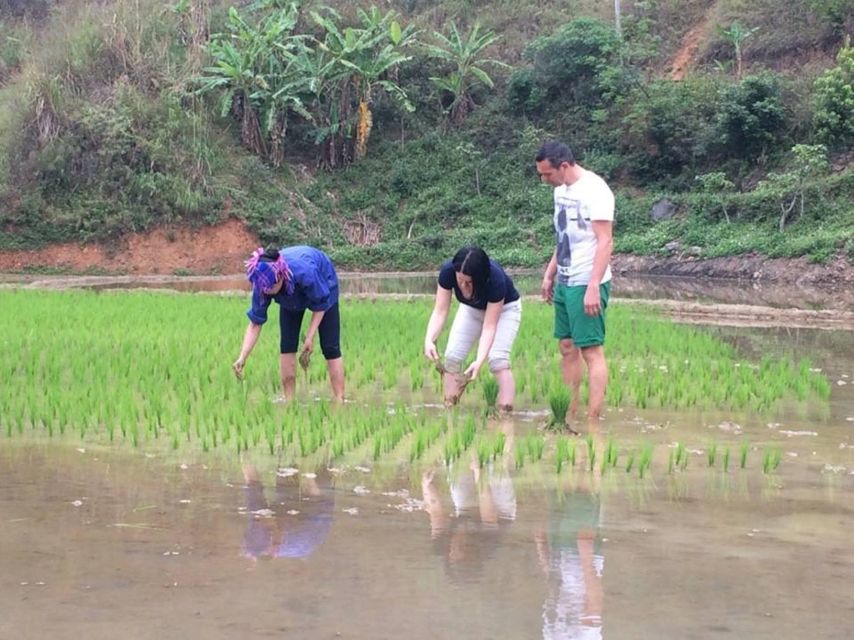
- Y Linh Ho market time with the Black Hmong, not just a quick photo stop
- Lao Chai rice terraces plus a river-side lunch using local produce
- Ta Van house visits where you learn about weaving and rice cultivation from inside the homes
- Black Mong vs Dzay contrasts in costume and customs, with a real chance to compare
- Local women helpers who make muddy sections manageable (and often keep your group moving)
- Practical footwear matters because steep, wet, and slippery paths are part of the deal
Why The Muong Hoa Valley Trek Works So Well From Sa Pa
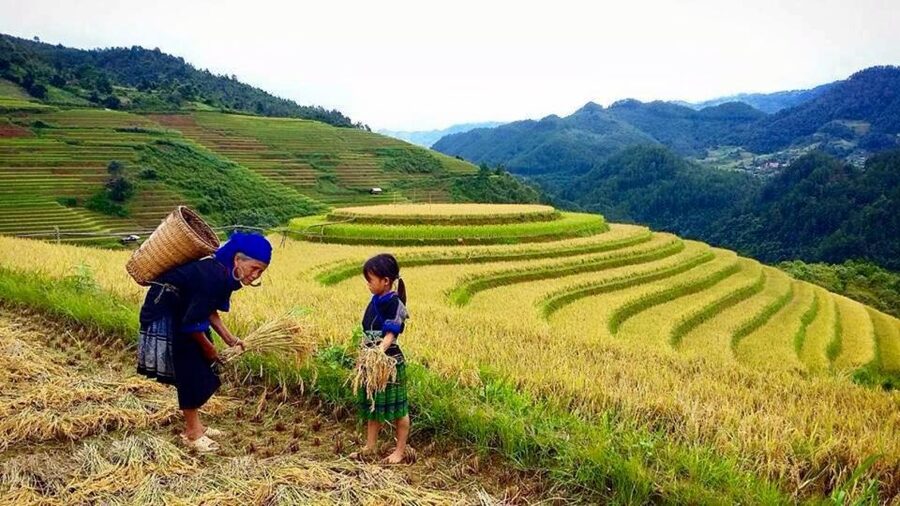
Sa Pa is built for short adventures that still feel authentic. This trek is one of those days that lets you trade a bus ride and views for a walk through the valley villages and paddies that make the region famous.
For $25, you’re not just buying a “hike.” You’re paying for transport out of town, an English-speaking guide, entrance tickets to the included stops, and lunch. In other words, the day is structured so you can spend your limited time on the parts that matter most: walking, meeting people, and seeing terrace farming up close.
It’s also small group by design—limited to 14 participants—so you’re not stuck behind a line of strangers every time you stop for a question or a view.
You can also read our reviews of more tours and experiences in Sa Pa.

Getting To Y Linh Ho: Black Hmong Market And Daily Rhythm
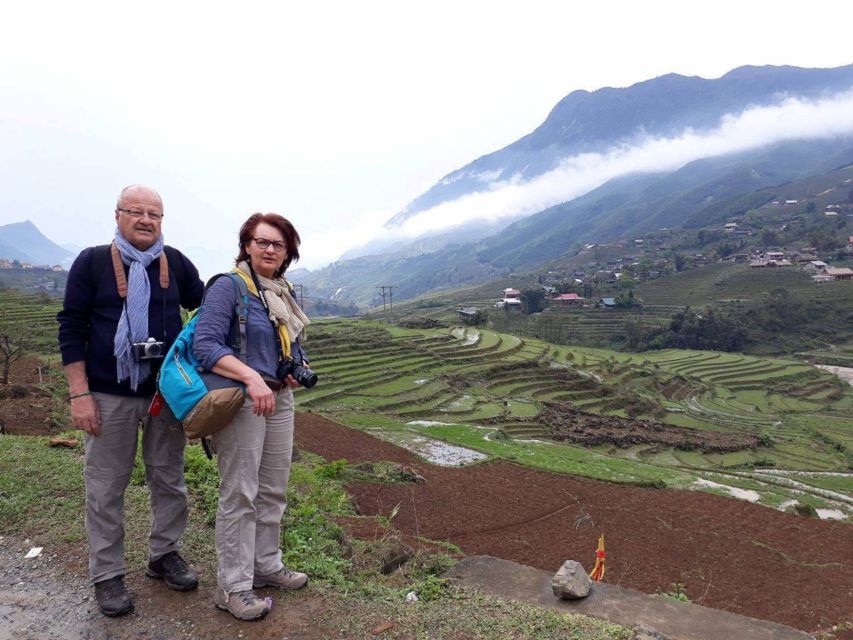
The day starts by leaving Sa Pa and heading toward the Muong Hoa Valley. After a short drive and a brief stretch on the road (about a 20-minute walk heading out), you arrive at Y Linh Ho, a Black Hmong village.
What I like about this first stop is that it’s not staged like a show. You get to interact with locals and see how the market fits into everyday life—how people move, talk, and trade in a setting that’s normal to them. It’s the kind of early start that makes the rest of the trek feel grounded, because you’ve already met the community before you hit the rice terraces.
A small tip that will make this smoother: bring your curiosity, not your assumptions. Ask simple questions through your guide, keep your tone respectful, and you’ll get much more back than you would trying to force conversations yourself.
Lao Chai Rice Terraces And Lunch By The River
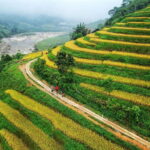
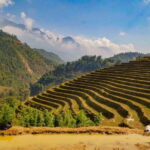
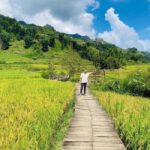
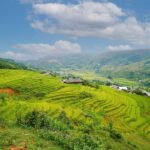
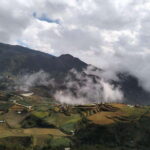
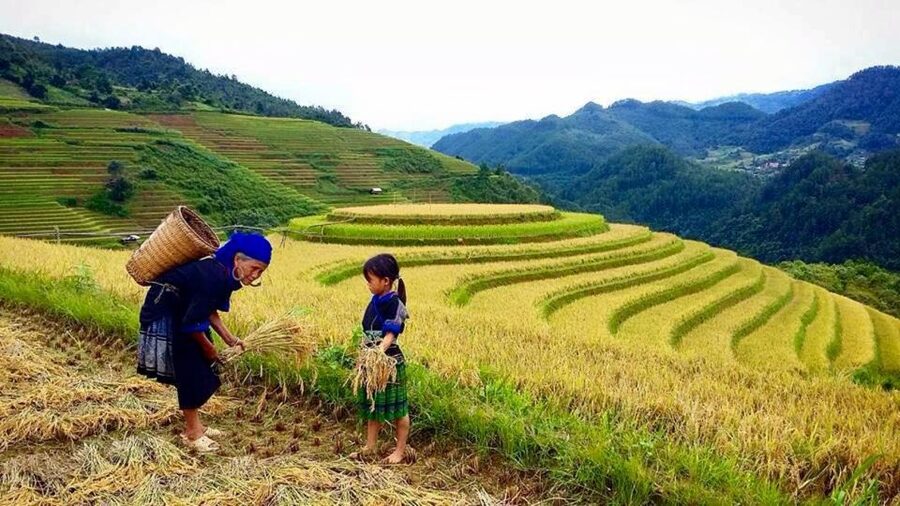
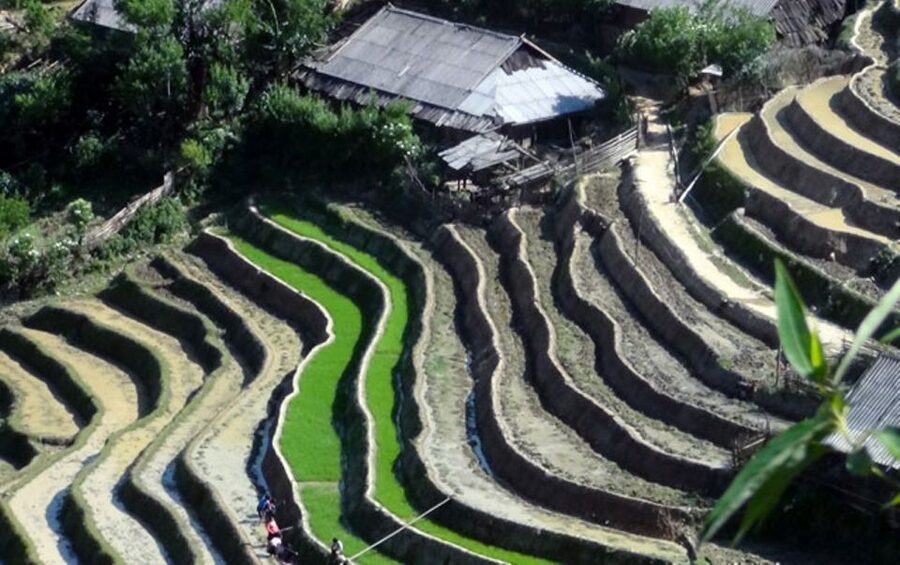
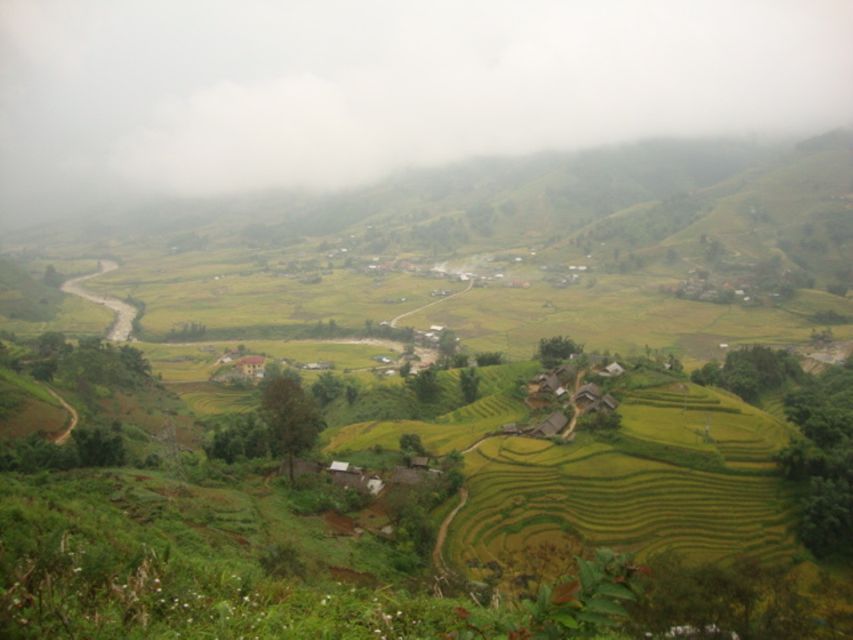
Next comes the moment most people come for: arriving in Lao Chai and getting spectacular views of the rice terraces. This is where the valley turns into layers—stepped fields clinging to mountain slopes, with paths that wind through the paddies.
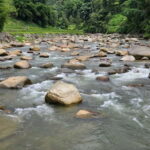
Then you eat. Lunch is served near the river, and it’s tied to what the Black Hmong community produces. You’re not just eating because lunch time is lunch time; you’re eating in the setting that supports their farming life.
That lunch stop has two sides, depending on your style:
- You’ll get a real taste of local food.
- You may also notice locals offering handmade items during the meal time.
That isn’t automatically a problem. In fact, supporting crafts is one of the fairest ways to say thanks when you walk through someone’s land. But if you dislike being approached while you eat, go in knowing you might have to gently manage sales energy.
Ta Van House Visits: Weaving And Rice Work Up Close
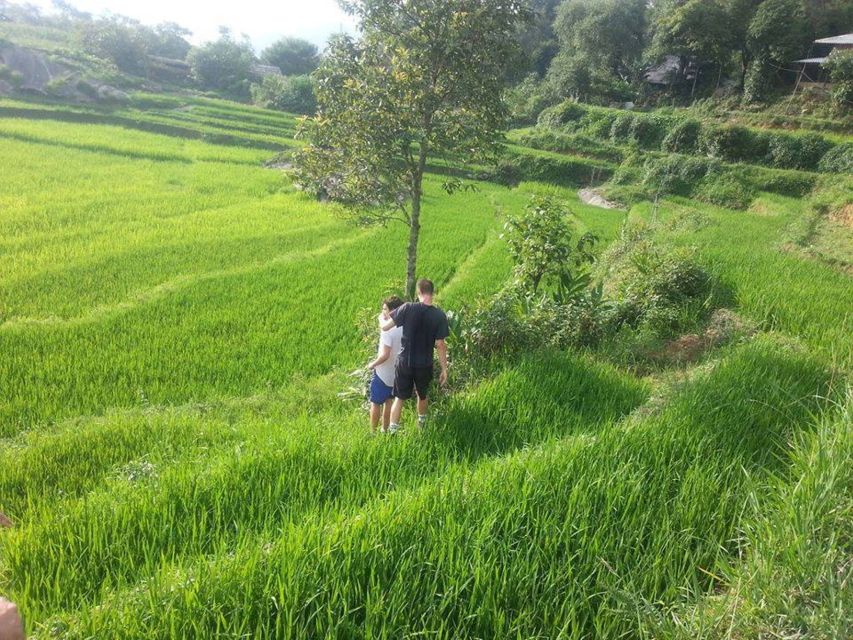
After Lao Chai, you trek onward to Ta Van village. This is where the day shifts from landscape views to home-based skills.
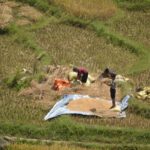
You visit local houses and learn about traditional crafts such as weaving and rice cultivation. This is valuable because you see how skills live in daily routines, not in a workshop behind glass. Weaving isn’t treated as a tourist trick—it’s part of making, repairing, and living.
If you’re the type who likes asking practical questions, this is your window. Your guide can help translate what you’re seeing and give context for why certain tools and methods exist.
One more practical point: house visits mean time spent on uneven ground and in spaces that can be warm and crowded. Dress so you can move easily, and keep your hands respectful—avoid touching people or their belongings unless your guide tells you it’s welcome.
Black Mong And Dzay Contrasts You Can Actually Compare
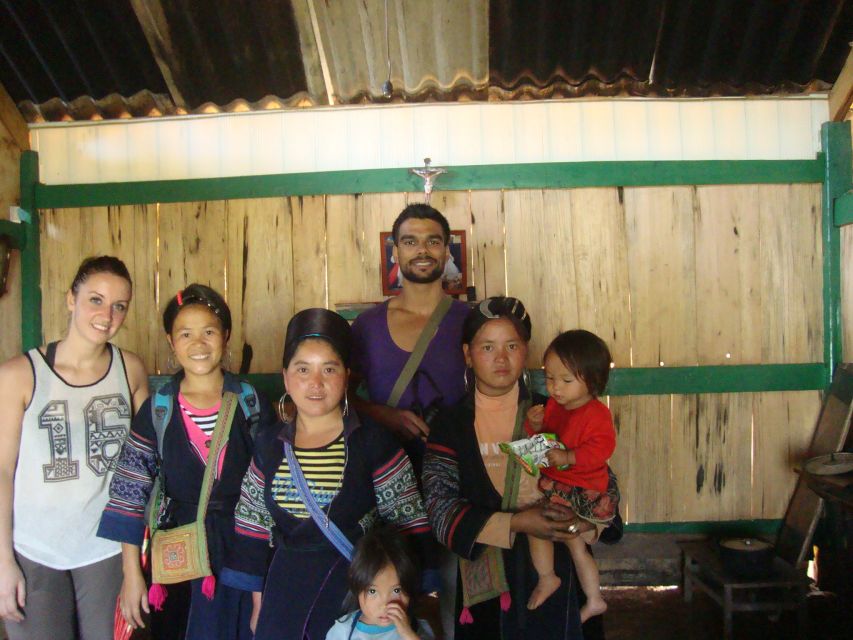
A big theme of this trek is comparison. You learn more about the Black Mong (Black Hmong) and then meet members of the Dzay tribe to contrast customs and costumes.
The “aha” moment here is that both groups are part of the same region, but the day-to-day look and the cultural details are different. Seeing those differences in person makes the valley feel less like a postcard and more like a living patchwork of communities.
During these village moments, keep the photo etiquette in mind. If you want photos of children, ask permission first. And do not touch children’s heads. Those rules aren’t just for politeness; they protect people’s dignity in a place where they’re dealing with visitors while continuing their normal lives.
Trek Reality Check: Fitness, Mud, And Getting Help When It’s Wet
On paper, 5 hours sounds manageable. In practice, you’re walking a 10-kilometer route with slopes and uneven ground. The official guidance is pretty clear: senior citizens are advised not to do this trek, and wet weather can make it dangerous.
So here’s the honest picture of the physical side:
- Some sections are steep.
- Dirt and uneven roads are part of the route.
- In muddy conditions, footing can be slippery fast.
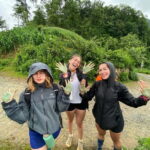
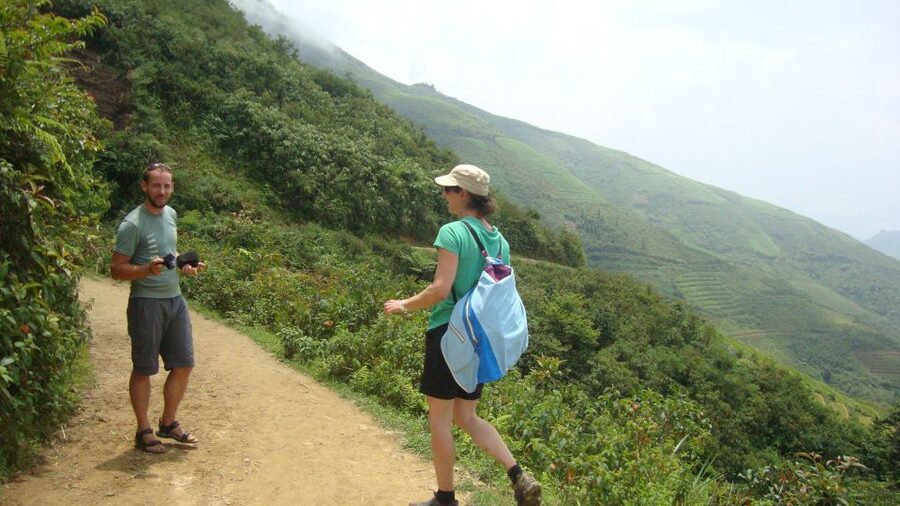
The good news is that you’re not doing it solo. You’ll have help along the way—your guide coordinates the pace, and local women often assist during tougher sections to help you descend or cross muddy ground safely.
Still, don’t count on that as a substitute for gear. Bring trekking shoes, not just sneakers. Add insect repellent and sunscreen, and if you’re coming between October and March, pack warm clothes because mornings can feel colder in the hills.
If you’re hoping for perfect weather, know this: fog and rain can happen, especially in cooler seasons, and your day may look and feel different because of it. The trek can still be great in mist, but your boots need to be ready.
What’s Included In The $25 Price—and What You’ll Pay Separately
At $25 per person, this trek often feels like good value because the essentials are covered: bus transportation, an English-speaking guide, entrance tickets, and lunch.
What’s not included is straightforward:
- drinks
- travel insurance
- VAT (if applicable for your booking)
- personal expenses
One extra cost to plan for: Lunar New Year surcharges. The details vary by year, but the information provided includes a late-Jan to early-Feb 2025 surcharge of $20 per person paid directly on the trip, and it also notes $30 per person during a Lunar New Year window in 2024 paid at the meeting point. The takeaway is simple: check your dates so you’re not surprised.
If you want to spend extra money wisely, put it toward handmade items from the communities you visit—especially since parts of the day involve local offers during market and lunch moments. If you’re trying to stick to a strict budget, just set a clear limit before you go.
Pickup, Transport, And Why Timing Changes Everything
Pickup is included, but only from hotels in Sa Pa town. If your accommodation is outside town, you may need to make your way to the meeting point.
You’ll travel out by bus, then you walk the valley segments, and you return later by bus back to Sa Pa, where you’re dropped off at a local office.
This matters because transport delays can affect the flow of a trek. If you want a calm day, aim to arrive early at your pickup location and keep your schedule flexible.
Also, this is a small group with a live guide. That means the day typically runs as a unit—good for safety and coordination, but it’s not a “wander on your own” tour.
Small Group Size: How Max 14 People Changes Your Day
Limiting the group to 14 participants is one of the smartest parts of this experience. It keeps the trek from turning into a crowded bottleneck on narrow paths and during village stops.
It also helps with translation and pacing. When you stop for terrace views or a craft explanation, you’re more likely to get your question answered and actually understand what’s being shared.
If you’re someone who enjoys a bit of conversation and likes to feel connected to the day rather than rushed through it, the small group size will make a real difference.
Who This Trek Suits Best (And Who Should Skip It)
I’d point this trek toward people who want:
- a short time in Sa Pa but still want villages and terraces, not only viewpoints
- a cultural walk where you learn about rice terraces, weaving, and village life
- a guided day with clear help on muddy, slippery sections
- a trip that includes real contrast between Black Hmong and Dzay communities
I’d skip it if you:
- want an easy stroll (this can be challenging)
- have mobility issues or need wheelchair access (it’s not suitable for wheelchair users and mobility impairments)
- are traveling with children under 6
- are pregnant or you’re unsure how you’ll handle steep, uneven ground
- are planning for wet-season conditions with limited hiking experience
And if you’re a senior traveler, take the guidance seriously. The trek may feel longer and steeper than expected when trails are slick.
Should You Book This 5-Hour Muong Hoa Valley Trek?
Book it if you like meeting people, seeing rice terraces from walking paths (not just a viewpoint), and learning the meaning behind weaving, farming, and daily village life. The $25 price works especially well for a half-day plan that packs in Y Linh Ho, Lao Chai, and Ta Van.
Skip it if you can’t handle steep, muddy trails or you prefer a fully flat, low-effort day. The day can be beautiful in fog and rain, but the footing and physical demand are real.
If you book, go prepared: solid shoes, sun protection, insect repellent, warm layers for cooler months, and a respectful attitude for photography and children. Done right, this is the kind of Sa Pa experience that feels personal rather than touristy.
FAQ
How long is the Muong Hoa Valley trek from Sa Pa?
It runs for 5 hours. Starting times vary, so you’ll want to check availability for the departure schedule.
Where does pickup happen in Sa Pa?
Pickup is included only from hotels in Sa Pa town. If your hotel is outside Sa Pa town, you may need to go to the local office/meeting point.
What should I wear or bring for the hike?
Warm clothes are recommended between October and March. Bring trekking shoes, sunglasses, sun cream, and insect repellent.
Is the trek easy?
Not necessarily. It’s a 10-kilometer trek and can be challenging, especially in wet weather with slippery, uneven paths.
What’s included in the $25 price?
Transportation by bus, an English-speaking guide, entrance tickets to the indicated sites, and lunch are included.
Are pets allowed?
No. Pets are not allowed on this activity.
If you tell me your travel month and your hiking comfort level (easy / moderate / tough), I can help you decide whether this trek is a smart fit for your dates.