REVIEW · KATHMANDU
Everest Base Camp Trek | Deluxe Lodges | Both Way Helicopter Ride
Book on Viator →Operated by Life Himalaya Trekking · Bookable on Viator
You get Everest without the full slog. This 10-day Everest Base Camp trek uses a both-way helicopter strategy to compress the journey, while still giving you the real mountain-time: Sherpa villages, Namche acclimatization, and the big day at Base Camp. I love that the pacing is built for altitude sense rather than brute-force speed, and the logistics are handled end-to-end.
What I like even more is the comfort package: twin-share lodge stays, 3-star hotel nights in Kathmandu, and even a -20°C sleeping bag plus warm down jacket provided for the trek. My main caution: this is still the Himalaya, so you need strong fitness and you should respect altitude even with helicopters on parts of the route.
In This Review
- Key Highlights You’ll Feel From Day One
- Everest Base Camp by Deluxe Lodge and Heli: When This Plan Works
- Day 1 In Kathmandu: Sleep, Sort Your Gear, Start Easy
- Day 2: The Lukla Scenic Flight Over Everest and Kanchenjunga
- Day 3: Pine Forests, River Valleys, and Namche’s Big Moment
- Day 4 Acclimatization in Namche Plus Syangboche Options
- Day 5 Tengboche Gompa: Suspension Bridges and Sherpa Culture
- Day 6 Pamboche Buddhist Bihar: Scenic Reward Without Overstretching
- Day 7 Dingboche Acclimatization: The High, Then Low Rule
- Day 8 Lobuche: Light-Feeling Day, Big Altitude Gain
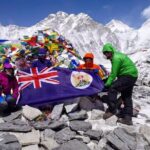
- Day 9 Gorakshep and Everest Base Camp: The Real Finish Line
- Day 10 Kala Patthar Sunrise: Big Views, Then Back to Kathmandu
- Deluxe Lodges, Meals, and What the Comfort Package Actually Means
- Permits, Safety, and the Practical Stuff You’re Paying For
- Guides and Team Energy: The Difference Between a Trip and an Experience
- Price and Value: Is $3,332 Fair for an Everest Shortcut?
- Who This Trek Fits Best (and Who Might Prefer Another Style)
- Should You Book This Everest Base Camp Deluxe Heli Package?
- FAQ
- How long is the Everest Base Camp trek with both-way helicopter?
- Are the helicopter rides included both ways?
- What accommodation is included?
- What luggage weight limits are allowed?
- What gear is provided for cold weather?
- Is there free cancellation?
Key Highlights You’ll Feel From Day One
- Both-way helicopter rides: Kathmandu to Lukla, plus the return helicopter from the Gorakshep area to Lukla.
- A tighter 10-day schedule: fewer trek days, but still structured acclimatization through Namche and Dingboche.
- Deluxe lodge setup: twin-share “best available” lodges, plus 3-star hotels in Kathmandu with breakfast.
- Classic viewpoints: Kala Patthar sunrise is built in, not left as a maybe.
- Practical safety support: first-aid kits for staff/groups that include an oximeter, plus emergency coordination.
- Support team ratio: one porter for every two people, with a licensed guide leading the way.
Everest Base Camp by Deluxe Lodge and Heli: When This Plan Works
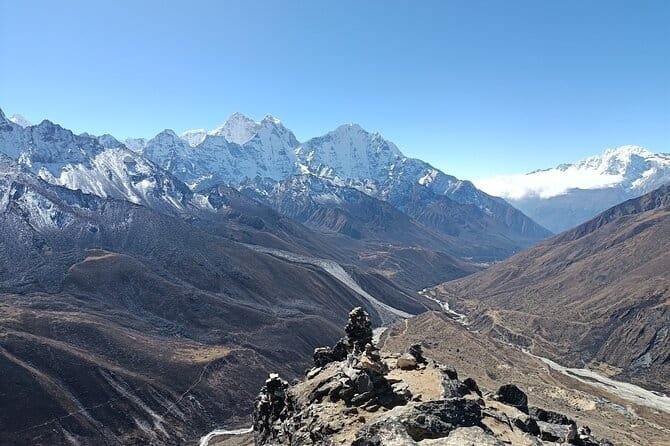
If you want Everest Base Camp but you don’t have months to spend climbing slowly, this style of trip can be a smart compromise. You still hike the “real” parts that shape the experience: river valleys, Sherpa towns, glacier country near Gorakshep, and the iconic sunrise from Kala Patthar. The helicopter reduces the long approach/return grind, so you spend more of your time where it counts.
The word “deluxe” here basically means comfort and convenience. During the trek you get twin-share lodge accommodation, not tent trekking. In Kathmandu you get two nights in a 3-star hotel with breakfast. Those details matter because on a high-altitude trek, a decent bed and a real hot meal can make you feel human again.
This tour is also structured for people who need a shorter-than-usual EBC window. You’re looking at about 10 days (roughly), not a 12–16 day expedition. You still get acclimatization days, but the overall plan is tighter.
You can also read our reviews of more tours and experiences in Kathmandu.
Day 1 In Kathmandu: Sleep, Sort Your Gear, Start Easy
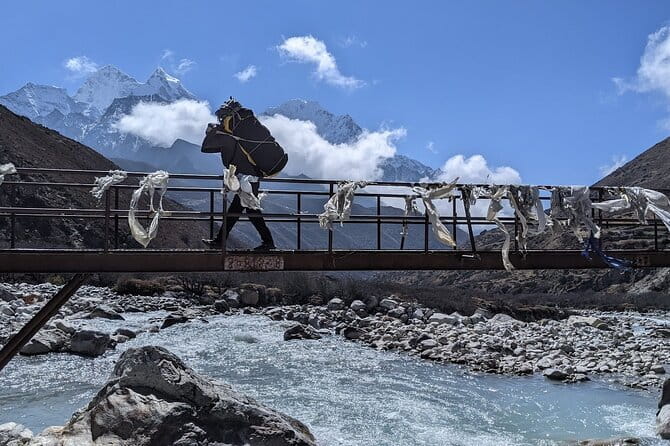
Day 1 is all about arriving in Kathmandu and getting set up. You land at Tribhuvan International Airport, then your team meets you and takes you by car/van to the hotel in Thamel. After a long flight, this is exactly what you want: no complicated first-day rush, just rest and recovery.
Thamel is convenient because it’s the tourist hub, which usually means you can find what you forgot to pack. I also like that you’re not left guessing about basics like check-in timing. This kind of “setup day” matters more than people think. On Everest treks, small stress can turn into real fatigue.
You’ll have time to double-check your luggage splits (more on that later), charge devices, and confirm your meeting point is the right one for departure and return.
Day 2: The Lukla Scenic Flight Over Everest and Kanchenjunga
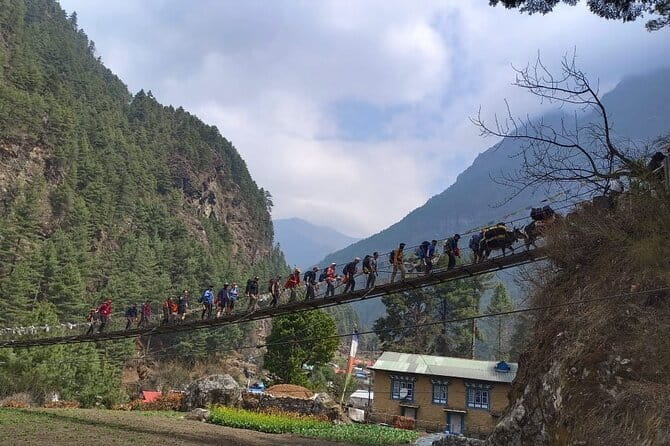
This is the day that changes the whole feel of the trip. In the early morning you go to Tenzing-Hillary Airport for a 45-minute scenic helicopter flight to Lukla.
That flight is not just transportation. It’s your first big dose of Everest-region scale. The route includes views over Everest and Kanchenjunga, and once you’re looking at that kind of terrain from the air, the trek ahead feels less theoretical and more real.
After landing, you start walking to Phakding. The hike is described as gentle, with enough time to acclimatize. Practically, this is where you test your rhythm: how your legs feel, whether your breathing is comfortable, and whether your pack is balanced.
One thing to consider: helicopter flights and tight schedules can make weather changes feel more immediate. You may not be able to control that, but having a tour team coordinate everything helps you avoid lost time.
Day 3: Pine Forests, River Valleys, and Namche’s Big Moment
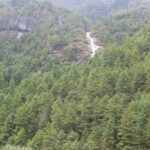
Day 3 is a classic “from river to gateway town” trek. After breakfast you hike through pine forests along the Dudh Koshi River, passing places like Benkar and heading toward Monjo.
Then comes the push to Namche Bazaar. The itinerary notes a steep ascent as the last main climb of the day, and that’s usually where Namche starts to reveal itself. The payoff is huge: Everest starts to show through the Lhotse–Nuptse range, like the mountains are teasing you.
This is also an important altitude day even if it doesn’t feel brutally hard. Namche is a hub for a reason. It’s where the trek shifts from “easy touring” into “high-mountain routine,” even if you’re doing a shorter overall schedule.
Tip that helps you enjoy the day more: take breaks that are short and frequent, not long and breathless. You’re not racing for views. You’re building stamina for the next altitudes.
Day 4 Acclimatization in Namche Plus Syangboche Options
Day 4 is built as your first dedicated acclimatization day. You hike toward Syangboche, which sits in the broader area around Khumbila Peak. The route is about easing up to altitude while keeping your body’s response under control.
There’s also a key optional stop at Hotel Everest View at about 3,880 m in Sagarmatha National Park. The itinerary highlights coffee with huge views (Ama Dablam and other peaks are mentioned). You’re not forced to do it, but it’s one of those moments where you can use a warm drink as your “reward and reset.”
Later you return to Namche Bazaar and you have time to explore: market areas, restaurants, massage/spa options. That stuff matters because Namche isn’t just a waypoint. It’s a place to practice being at altitude without always moving.
If you’re thinking about how to stay comfortable: this is a great day to hydrate consistently and keep your clothing system simple. Layers you can add/remove quickly help a lot when sun and shade flip through the valley.
Day 5 Tengboche Gompa: Suspension Bridges and Sherpa Culture
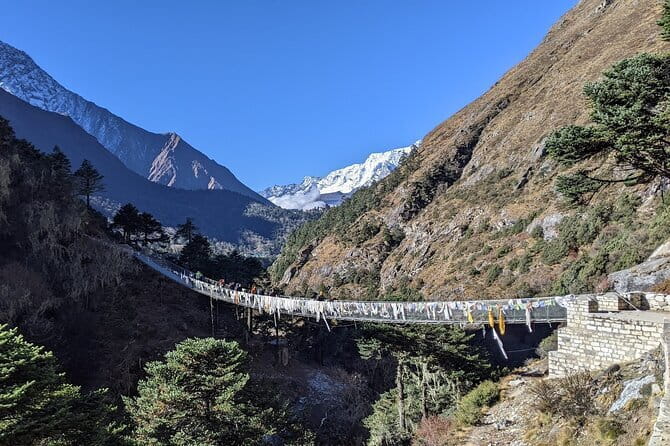
On Day 5 you move along the Dudh Koshi River and cross a long suspension bridge. Bridges like this are a real sensory moment: you feel the river’s power underfoot and you get those long valley lines that make the mountains look bigger than they are.
Then the trek enters the Imja Khola Valley area, heading toward Tengboche. The highlight stop is Tengboche Gompa (a major spiritual landmark in the region). Even if you’re not a temple person, it’s worth pausing here. It’s a cultural anchor that changes the tone of the landscape.
Practical drawback to know: lodge villages at these altitudes can feel chilly, even during the day. Plan on wind and temperature shifts, and keep your gloves and hat accessible. You’ll enjoy the views more when your hands aren’t frozen.
Day 6 Pamboche Buddhist Bihar: Scenic Reward Without Overstretching
Day 6 focuses on moving through the route with an emphasis on keeping altitude stress in check. After breakfast you head toward Pangboche Buddhist Bihar (spelled in the itinerary as पाङ्बोचे बौद्ध बिहार), described as an early-morning hike with outstanding landmark scenery.
The itinerary also points out views of mountains such as Ama Dablam and Lhotse. That’s a good clue about what the day feels like: you’re not just walking through a tunnel of rock. You’re walking with the big faces of the Khumbu region in view.
This day is described with the kind of phrasing that implies it helps you avoid altitude sickness compared to some other schedules. Even without getting technical, that’s the right idea: keep the body calm, and don’t turn every day into a max-effort workout.
Day 7 Dingboche Acclimatization: The High, Then Low Rule
Day 7 is your second acclimatization day. The plan follows a classic altitude strategy: climb higher and sleep lower. You hike to Dingboche, then do an acclimatization routine that aims to help your body handle the elevation before the final push.
The itinerary notes a “rule of acclimatization” and that you’ll reach the top of the climb and then return to sleep at a lower altitude. You’ll likely feel a bit more tired than earlier days, but the goal is to keep your body’s response steady.
If you’ve never done altitude trekking before, here’s what you should watch: headache, unusual fatigue, loss of appetite. These are reasons to tell your guide right away, not reasons to “tough it out.” This tour includes trained staff and coordination for emergency and rescue operations, so use that support.
Day 8 Lobuche: Light-Feeling Day, Big Altitude Gain
Day 8 is described as relatively light, but it still brings significant altitude gain. The route follows steep slopes to reach the wide Dughla valley, then continues toward Lobuche.
Along the way, you’ll pass a memorial connected to the Thukla area (the itinerary references the memorial over Thukla). These memorial spots can be emotionally heavy if you stop and read. I find that taking a moment helps you appreciate what “Everest” means beyond the view.
This is also the day when your body starts expecting the end to arrive soon. Even if the pace feels manageable, don’t treat it like a rest day. Fuel and hydrate like it matters, because it does.
Day 9 Gorakshep and Everest Base Camp: The Real Finish Line
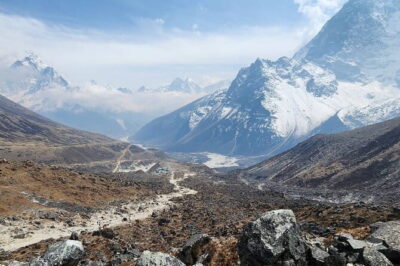
Day 9 is the main highlight: Everest Base Camp. You leave Lobuche and trek for about four hours along glacier terrain to reach Gorakshep.
That’s important context. Glacier terrain can feel different underfoot than dirt paths. Your step needs to be careful, and your guide’s direction becomes more than “nice-to-have.” This is where a licensed guide and good group pacing really earn their keep.
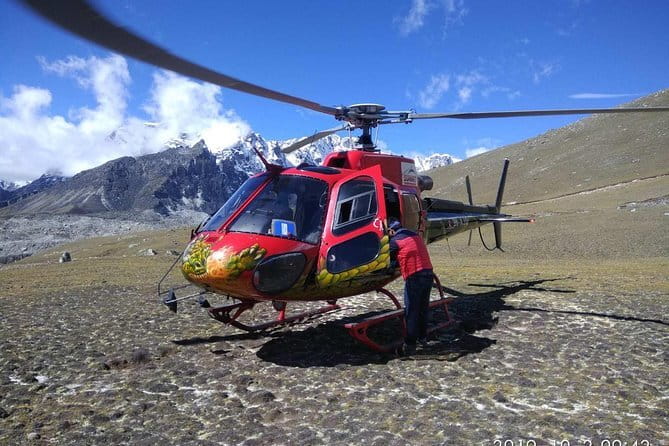
This tour includes the helicopter leg from the Everest base camp (Gorakshep) area back to Lukla, which is one reason the total trip can stay around 10 days. It’s a big comfort factor, but you still get the satisfaction of reaching Base Camp and being in that zone.
Day 10 Kala Patthar Sunrise: Big Views, Then Back to Kathmandu
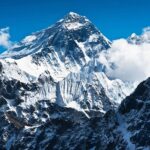
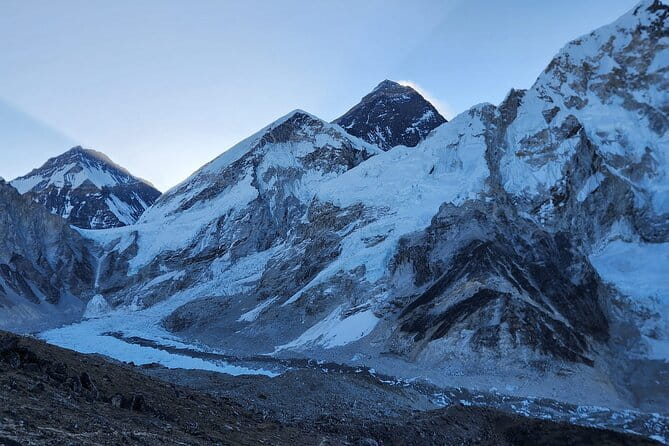
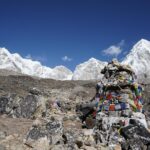
Day 10 starts early with a hike to Kala Patthar before sunrise. The point is the payoff: an amazing panoramic view of Mt. Everest’s face and the surrounding peaks.
This is one of those moments where people’s photos never do justice. The mountains look close, but you still feel the space between you and the summit zone. The itinerary frames it as a sight to cherish, and it’s hard to argue with that logic.
After the sunrise hike, the included transportation plan kicks back into gear: you’ll take the helicopter from the Gorakshep area to Lukla and then continue back to Kathmandu by shared helicopter (both-way heli is part of the package).
You end back at the meeting point in Kathmandu (Life Himalaya Trekking’s location is listed for the start/end).
Deluxe Lodges, Meals, and What the Comfort Package Actually Means
Here’s the honest version of “included comfort.” You get:
- Twin-share lodge accommodation during the trek
- 3-star hotel nights in Kathmandu (two nights) with breakfast
- Warm down jacket and sleeping bags rated for around -20°C, to be returned after the trip
- A farewell dinner in a Nepali cultural restaurant
- Meals on trek days: breakfast (10), lunch (8), dinner (8)
What’s not included: all beverages and snacks. That means you’ll still spend some money on bottled drinks and small extras. Also, the Kathmandu lunches and dinners aren’t included.
Lodge food at altitude can be simple, and it can vary by day. The plus here is you’re covered by the structure: guides and staff coordinate, and you’re not trying to figure out where to eat while you’re already tired.
The sleeping bag and jacket are a big deal for value. Buying quality cold-weather gear for a single trip can cost almost as much as the trek itself. Here, you get that protection without committing to equipment ownership. Just keep track of the return requirement at the end.
Permits, Safety, and the Practical Stuff You’re Paying For
This tour includes the Sagarmatha National Park (Mt. Everest) trek permit fee plus the Pasang Lhamu Rural Municipality permit fee. Permits aren’t glamorous, but they matter. They keep the trek legal and support the regulated system that makes the region manageable.
Safety support is also part of the package:
- An experienced, government-licensed trek guide
- Porters with a 1 porter for 2 people ratio
- Accidental insurance for the guide and porters
- First aid kits for staff and groups, including an oximeter
- Services coordination for emergency and rescue operations
None of that replaces good judgment on your part. Still, it reduces stress. And on altitude travel, stress management can be the difference between a good trip and a miserable one.
Also, the included luggage allowance is specific:
- 10 kg for a big bag
- 5 kg for a handbag
You’ll want to pack strategically. If you bring extra bulky items, you’re the one who pays in effort. If you pack light but warm, you’ll enjoy the trek more.
Guides and Team Energy: The Difference Between a Trip and an Experience
The human side is a major reason people rate this trip so highly. In the provided feedback examples, guides like Rabin and Tika are named, and communication and attentiveness are praised. There’s also mention of guide Tika being focused on safety and smart pacing, and a guide Pramod/Promod being called flexible and professional.
What that suggests you should look for on your own trip: clear communication, willingness to adjust pace, and a guide who treats safety as a daily practice. A good guide isn’t only the person who knows the route. They’re the person who keeps the group calm when plans meet weather, fatigue, or altitude.
With a porter structure built in, you also get a better chance at walking comfortably. One porter for two people is a workable ratio for most loads.
Price and Value: Is $3,332 Fair for an Everest Shortcut?
At $3,332 per person, this isn’t a cheap vacation. The real question is whether you’re paying for convenience you actually need.
You’re paying for:
- A full guide/permit/lodge/meal logistics package
- Both-way helicopters (a major cost driver)
- Gear support (sleeping bag + warm down jacket)
- Kathmandu hotels and airport transfers
- Porters and safety coordination
For readers who have limited time and can afford a higher price tag, the value is straightforward: you trade more hiking days for more “managed” days. You still get to walk through the iconic villages and reach Base Camp and Kala Patthar. But you don’t spend the extra days doing long trekking-only stretches.
The main reason this could feel overpriced is if you want the longest, slowest EBC route for its own sake, or if you’re the type who enjoys planning your own pace and meals without a guided structure. This plan is more structured than that. It’s designed to deliver a specific experience in a specific number of days.
Who This Trek Fits Best (and Who Might Prefer Another Style)
This package fits you if:
- You want Everest Base Camp in about 10 days
- You value lodge comfort over camping
- You want a team to manage permits, meals, logistics, and helicopter legs
- You prefer a schedule that includes acclimatization days instead of rushing
It may not be ideal if:
- You’re looking for a fully independent trek with no organization
- You enjoy long multi-week trekking arcs
- You’re uncomfortable with the idea of early mornings and tight schedule transitions (Day 10 sunrise, helicopter legs, etc.)
The tour requires strong physical fitness. That’s not a marketing line. At high altitude, you’re asking your body to work. Even with heli support, you still hike multiple days, cross glacier terrain, and do a sunrise climb.
Should You Book This Everest Base Camp Deluxe Heli Package?
I’d book it if you match the sweet spot: limited time, you want comfort, and you’re excited by the idea of Base Camp plus Kala Patthar without needing a long expedition schedule.
You should think twice if you want to keep costs down or if you’re aiming for the slowest possible acclimatization-through-hiking style. This plan has acclimatization built in, but the schedule is still tighter than the classic “more days on foot” approach.
My practical checklist before you commit:
- Be honest about your fitness and altitude readiness
- Pack to the provided luggage limits
- Plan for cold early starts and bring warm layers you can access quickly
- Expect the big effort on glacier terrain days and the sunrise climb, not just the walking days
If that sounds like your kind of Everest trip, this one is built to deliver the highlights without wasting days.
FAQ
How long is the Everest Base Camp trek with both-way helicopter?
The trek is listed as 10 days (approx.), with hotel nights in Kathmandu and multiple trekking days before a helicopter-assisted return.
Are the helicopter rides included both ways?
Yes. The package includes a sharing helicopter from Kathmandu to Lukla, and a sharing helicopter from Everest Base Camp (Gorakshep) to Lukla, plus the included helicopter service to complete the return journey back to Kathmandu.
What accommodation is included?
In Kathmandu, you get two nights in a 3-star hotel with breakfast (one night before and one night after the trek). During the trek, you get twin-share best available lodge accommodation.
What luggage weight limits are allowed?
The included luggage allowance is 10 kg for a big bag and 5 kg for a handbag.
What gear is provided for cold weather?
You’ll be provided a warm down jacket and a sleeping bag rated for around -20°C, and the items are to be returned after the trip.
Is there free cancellation?
Yes. Free cancellation is available if you cancel up to 24 hours in advance for a full refund. If you cancel less than 24 hours before the experience start time, the amount you paid won’t be refunded.