REVIEW · POKHARA
From Pokhara: Budget 2 Night 3 days Poon hill trek
Book on GetYourGuide →Operated by couch adventure nepal (CAN) · Bookable on GetYourGuide
Poon Hill packs big mountains into three days. The sunrise at 3,210m and the way guides like Prakash and Kabindra look after you make this trek feel both awe-inspiring and manageable.
I also like the mix of scenery and villages: rhododendron forests, Gurung settlements such as Ghandruk, and cozy teahouse stays where the day ends warm and simple. You’re hiking a moderate route, not grinding at a steep technical level.
One possible drawback: you start the final day before dawn, and the mountain weather can shift fast, so you’ll want to dress for cold and be flexible.
In This Review
- Key things worth planning for
- Why Poon Hill works so well in a limited time
- Route at a glance: Pokhara to Poon Hill and back
- Day 1: Kilu to Tadapani through forests and Ghandruk views
- Day 2: Tadapani to Ghorepani, Deurali Pass, and rhododendron season
- Day 3: Pre-dawn to Poon Hill, then Machhapuchhre and the Ulleri steps
- Tea houses, guides, and comfort you can actually count on
- Price and value: is $179 per person fair here?
- Best seasons, weather reality, and what to pack
- Who should choose this trek, and who shouldn’t
- Should you book the Budget 2 Night 3 Day Poon Hill trek?
- FAQ
- What’s the trekking duration and how many nights?
- Where does the trek start from, and do you get pickup in Pokhara?
- What’s included in the price?
- Is food included during the trek?
- How difficult is the trek?
- What’s the best time of year to go?
- Is this trek suitable for everyone?
Key things worth planning for
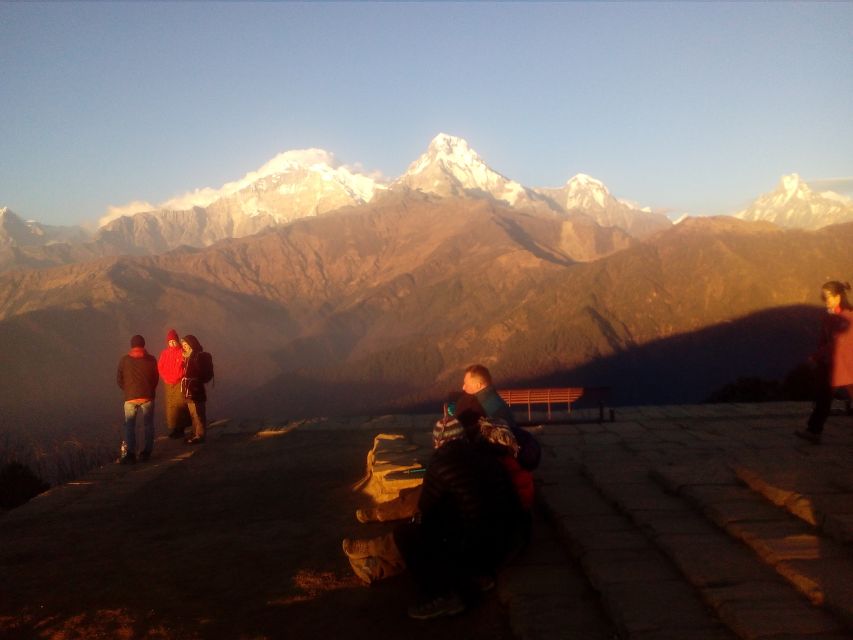
- Poon Hill sunrise at 3,210m: early start, huge reward, clear photo angles if skies cooperate
- Rhododendron and oak forests: lush walking on day 1 and day 2, especially in spring
- Ghandruk and Ulleri villages: culture plus trail variety, including stone steps near Ulleri
- Teahouse rhythm: meals and rest are part of the trek, with warm hospitality at night
- Guides add real confidence: safety, pacing, and practical help (Milan, Gobinda, Birendra Thapa, Amrit are named in guide feedback)
Why Poon Hill works so well in a limited time
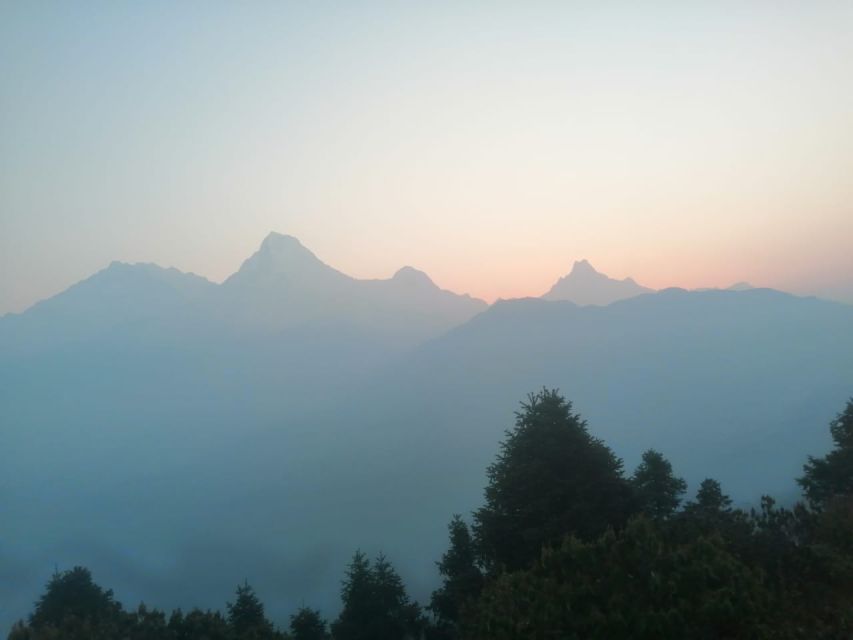
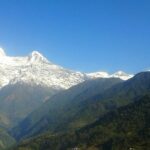
Poon Hill is the kind of viewpoint that turns a short trek into a highlight reel. You’re in the Annapurna region, with major peaks around you: the Annapurna massif, Dhaulagiri range, and iconic shapes like Machhapuchhre (Fishtail).
What makes this route especially practical is that it’s built for a moderate pace. You get long, satisfying days of hiking, but not the kind that requires advanced climbing skills. The itinerary also uses teahouses for sleeping and resting, so your evenings are predictable and easy on planning.
There’s another reason people like Poon Hill: the scenery changes often. You’re not only looking at mountains. You pass terraces, forests, and village life, including Gurung and Magar communities. That balance helps the trek feel like a real journey rather than one long walk to one photo spot.
You can also read our reviews of more tours and experiences in Pokhara.
Route at a glance: Pokhara to Poon Hill and back
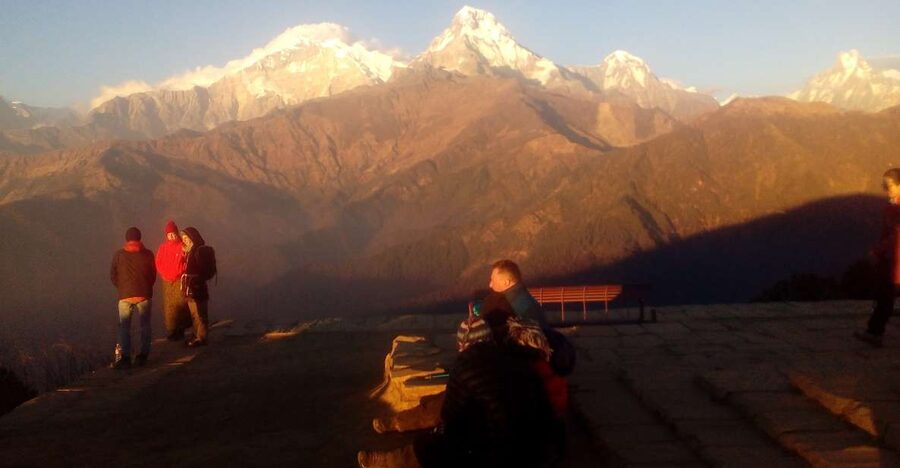
This is a 2-night, 3-day trek with transport from Pokhara handled for you. Day 1 starts with a drive from lakeside Pokhara to Kilu, then you hike to Tadapani. Day 2 is the longer trek from Tadapani to Ghorepani. Day 3 is the pre-dawn hike to Poon Hill, followed by downhill trekking to Ulleri and a shared jeep or local bus ride back to Pokhara.
Here’s the height and time rhythm to expect:
- Day 1: Kilu (~2–3 hours drive) then to Tadapani (about 5–6 hours trekking)
- Day 2: Tadapani to Ghorepani (about 5–6 hours trekking, with a high pass point: Deurali)
- Day 3: Ghorepani to Poon Hill (about 45 minutes to 1 hour pre-dawn hike), then downhill to Ulleri and drive back
Why that matters: the plan keeps the hard part concentrated into sunrise morning, while the rest of the time is steady uphill walking and village passes. If you’re a beginner, this structure helps you manage effort without feeling like you’re missing something important.
Day 1: Kilu to Tadapani through forests and Ghandruk views
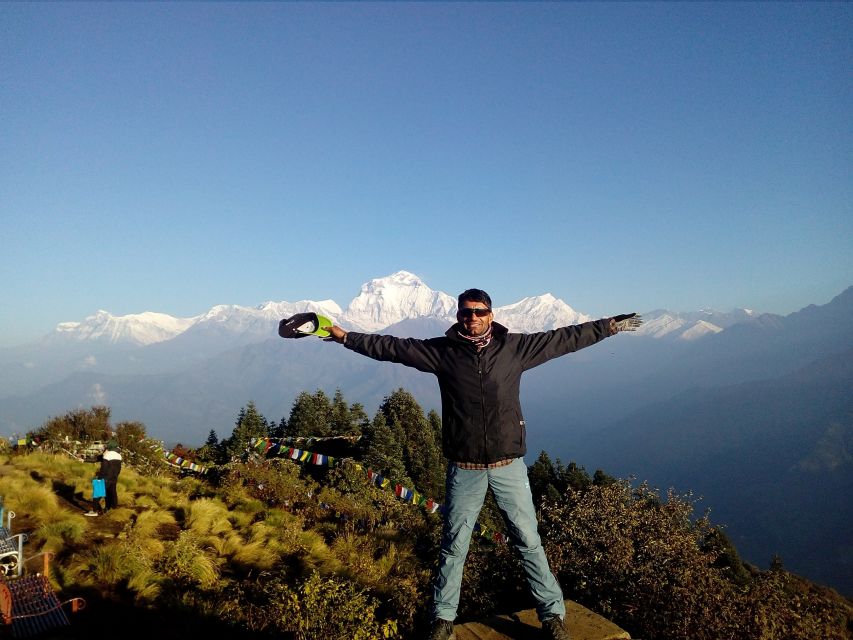
Day 1 begins with a private vehicle transfer from lakeside Pokhara to Kilu, a small settlement near Ghandruk. The drive is a nice warm-up because you’ll see terraced fields, rivers, and traditional village scenes before your shoes ever hit the trail.
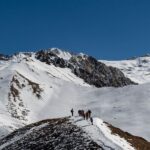
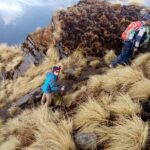
Then you start trekking through rhododendron and oak forests. This is one of the best parts of the whole route because the walking feels alive: shade when it’s hot, softer footing on forest sections, and occasional glimpses of big peaks as the trail climbs.
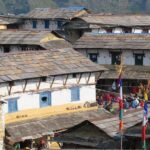
Passing Ghandruk is a real highlight. It’s described as a beautiful Gurung village with strong cultural character and views toward the Annapurna area. Even if you don’t stop for long, simply moving through the area changes the feel of the trek from pure forest to a living community trail.
You finish at Tadapani (2,630m), a hilltop village with panoramic viewpoints in clear weather. Tadapani is a good night to slow down, eat a proper meal, and let your body recover because Day 2 brings another steady climb.
Practical note: after a 5–6 hour trek day, you’ll want comfortable shoes with grip. The included teahouse stay helps, but your comfort still depends on your feet.
Day 2: Tadapani to Ghorepani, Deurali Pass, and rhododendron season
The second day starts with the kind of morning that makes you grateful for doing this. You wake up to the Himalaya looking close enough to touch, then you eat breakfast and begin trekking toward Ghorepani (2,850m).
The route keeps it scenic and varied: ridges, small settlements, and forest sections. In spring, the trail can look decorated with blooming rhododendron flowers. In other seasons, you still get the forest walking feel, just with different colors and light.
Around Deurali Pass, you’ll feel the day’s effort more. It’s a high point that’s part of what gives the trail its big-view payoff later. Then the path descends slightly into Ghorepani, where the atmosphere shifts from forest trekking to teahouse town energy.
Ghorepani is where people gather before the Poon Hill sunrise hike. That means the evening is practical: get an early dinner, rest, and prepare for a short but cold pre-dawn outing. One small detail that matters is how many layers you wear. The sunrise hike can feel colder than you expect, even if you’re warm during the day.
If you’re going with a guide such as Amrit or Milan (names shared in guide feedback), this is also where pacing matters most. A good guide keeps you from burning energy too fast on the buildup day, which makes sunrise morning easier.
Day 3: Pre-dawn to Poon Hill, then Machhapuchhre and the Ulleri steps
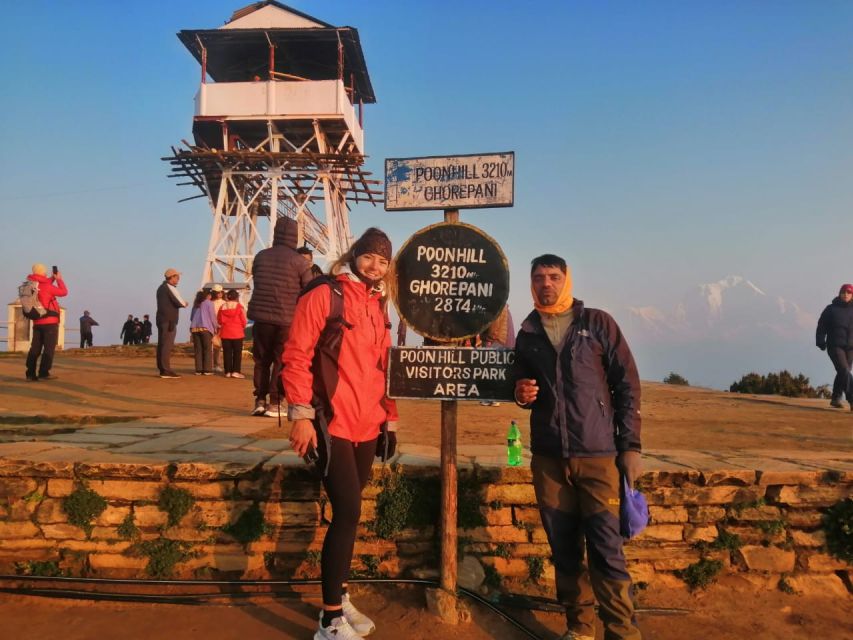
Day 3 is the big moment. You start the pre-dawn hike from Ghorepani, roughly 45 minutes to 1 hour to reach Poon Hill at 3,210m. This is a short climb, but it’s timed for sunrise, so you’ll want to be mentally ready for cold and low visibility.
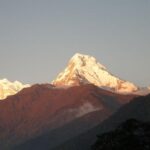
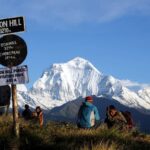
Then the payoff: you watch golden light spread across the Annapurna and Dhaulagiri ranges. The views can include Annapurna South, Hiunchuli, Machhapuchhre (Fishtail), and Dhaulagiri. If the sky is clear, it’s the kind of panorama that makes even a simple camera feel useful.
After sunrise, you descend back to Ghorepani for breakfast. This part is underrated. You don’t just hike up and snap photos. You eat, warm up, and then continue your trek downhill through forests and villages.
From there, you trek past Nangethanti and Banthanti before reaching Ulleri. Ulleri is described as a traditional Magar village with stone-paved steps, which gives the final stretch a different feel than the forest paths. Expect the downhill to take time and attention, especially if your legs are tired.
Finally, you return to Pokhara by shared jeep or local bus, reaching late afternoon. Even if you’re tired, the drive back helps you land smoothly rather than facing another long hike.
Tea houses, guides, and comfort you can actually count on
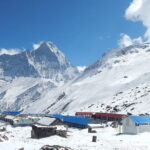
On paper, this trek is “teahouse trekking.” In real life, it means you’re living with the rhythm of mountain hospitality. You sleep in guest houses during the trek and enjoy warm local meals along the way. It’s not luxury, but it is reliable.
This is also where a private group matters. It means you’re traveling with your guide and your schedule stays simple. Guides named in experience feedback, including Prakash, Kabindra, Gobinda, and Birendra Thapa, are described as attentive, motivating, and careful with pacing and safety.
What you’ll feel most is how the guide handles the small moments. For example: communication with accommodations about food, helping you settle in quickly, and keeping the hike at a comfortable pace for your ability. That’s especially important on a short trek where you want to enjoy the scenery, not just survive the hours.
A practical point: food and drinks aren’t included. That’s normal for teahouse treks, but it changes your planning. Bring cash so you’re not stuck deciding between meals or snacks mid-hike.
Price and value: is $179 per person fair here?
At $179 per person, the value comes from what’s included, not just the cost number. This price covers the key “friction points” that can cost you money and time if you try to DIY: permits and official documents, hotel pickup and drop-off around lakeside Pokhara, a professional English-speaking trekking guide, and transfers (Pokhara to Kilu by private vehicle, and Ulleri to Pokhara by shared jeep or bus).
You’re also covered for accommodation during the trek (guest house stays) and even an emergency first aid kit carried with the guide. Entrance fees at Poon Hill are included too. Those details add up in Nepal, especially once you total permits, transport, and guide costs separately.
The one thing that’s not included is food and drinks. So budget extra for meals on the trail and any hot drinks you’ll want while waiting for sunrise. If you’re trying to keep the overall trip cost controlled, that’s where you’ll spend your “variable” money.
For me, the best way to judge value is this: you’re paying to reduce stress. The route is short enough that logistics matter a lot. If you want the views without wrestling with documents, transport, and last-minute lodging, this package fits that goal.
Best seasons, weather reality, and what to pack
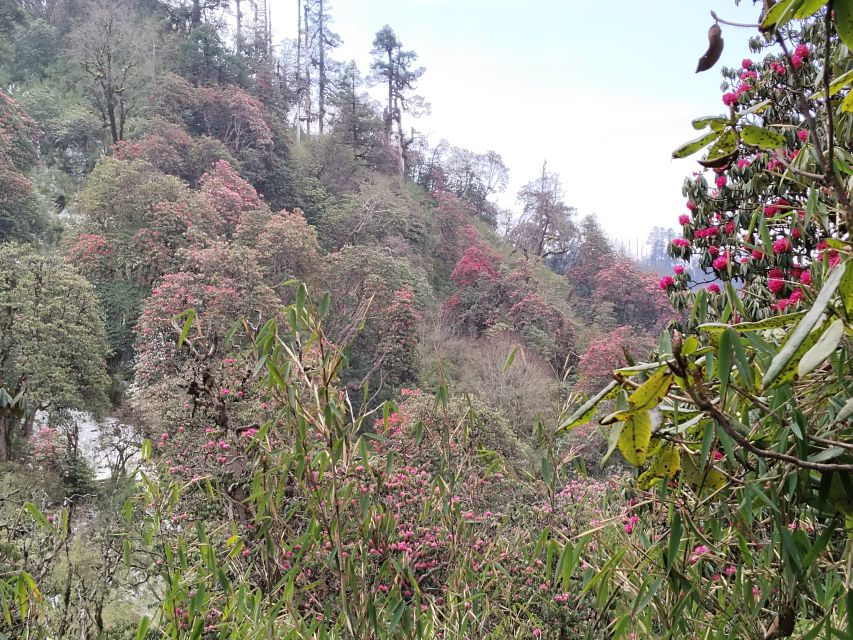
This trek can be done year-round, but the best weather is during spring (March to May) and autumn (September to November). Those seasons typically mean more stable conditions and clearer mountain views.
Still, weather in the mountains can shift. Cloud, fog, or rain can happen, and even when weather isn’t perfect, the trek can still feel rewarding because you’re walking through forests, villages, and tea-house hospitality the whole time.
So pack for changeable mountain conditions. You’re specifically told to bring warm clothing and comfortable shoes, plus an ID card or passport. Cash is important because food and drinks are available on purchase.
If you run cold easily, treat this as a real cold-weather trek on the final morning. Pre-dawn at altitude usually feels colder than you expect.
Also note what’s not allowed or not suitable. Pets aren’t allowed. The trek isn’t suitable for wheelchair users. It’s also not suitable for pregnant women.
Who should choose this trek, and who shouldn’t
This is a smart fit if you want Himalayan viewpoints with a moderate trekking level. It’s described as perfect for beginners and families, which makes sense given the structured days and teahouse support.
It’s also a good choice for solo travelers who value guidance and safety. Multiple guide-focused experiences highlight that solo women felt cared for and safe, especially with attentive guides who kept communication and pacing steady.
You might want a different style of trek if you want long days of wilderness with no village atmosphere. This route is village-and-view based. It’s scenic and warm, but it’s not remote.
You should also consider your fitness plan. The time on trail each day is about 5–6 hours on Days 1 and 2, plus a short but early sunrise climb on Day 3. If you’re unsure, choose this only if you can comfortably walk for those durations and handle some uphill plus downhill steps.
Should you book the Budget 2 Night 3 Day Poon Hill trek?
I’d book it if your goal is a fast, scenic introduction to the Annapurna region with a sunrise that’s hard to beat for the time you invest. The included permits, guide, transfers, guest houses, and even Poon Hill entrance fees mean you spend more energy on the walk and less on logistics.
I would not book it if you hate early mornings or you’re not comfortable with cold pre-dawn conditions and day-to-day mountain weather changes. Also skip it if you fall into the listed unsuitability categories (pregnancy, wheelchair needs) or if you’re traveling with pets.
If you do book, choose your packing based on layers and traction. Then let the day unfold: forest walking, village culture, teahouse warmth, and the big sunrise moment at Poon Hill.
FAQ
What’s the trekking duration and how many nights?
It’s a 3-day trek with 2 nights. Day 1 includes travel from Pokhara to Kilu and trekking to Tadapani, Day 2 trekkes to Ghorepani, and Day 3 is the sunrise hike to Poon Hill followed by trekking and the return drive.
Where does the trek start from, and do you get pickup in Pokhara?
Yes. You get hotel pickup from the lakeside areas of Pokhara using your name card. The itinerary also includes a return transfer from Ulleri to Pokhara.
What’s included in the price?
Included are hotel pickup and drop-off in lakeside areas, an English-speaking trekking guide, trekking permits and official documents, guest house accommodation during the trek, Pokhara to Kilu transfer by private vehicle, Ulleri to Pokhara transfer by shared jeep or local bus, private tour service, an emergency first aid kit with the guide, and entrance fees at Poon Hill.
Is food included during the trek?
No. Food and drinks are not included, but you can purchase meals and drinks during the trek.
How difficult is the trek?
It’s described as moderate and suitable for beginners and families. You’ll still hike several hours each day, including a pre-dawn sunrise climb on Day 3.
What’s the best time of year to go?
The best seasons are spring (March to May) and autumn (September to November) for more stable weather and clearer mountain views. The trek can be done throughout the year, but mountain weather can change quickly.
Is this trek suitable for everyone?
It’s not suitable for wheelchair users or pregnant women. Pets are not allowed.