REVIEW · POKHARA
Annapurna Panorama trek
Book on Viator →Operated by Mountain Mart Treks Expedition · Bookable on Viator
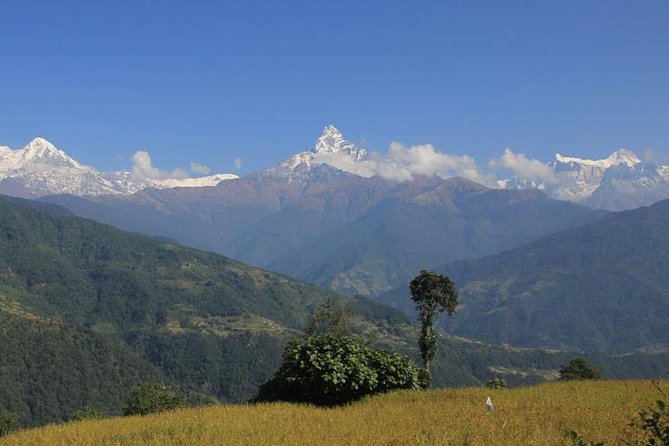
Annapurna views start fast, and you never feel lost. This private trek around the Annapurna Himalaya pairs 6 days of walking with extra time for Kathmandu and Pokhara, so the trip feels full without feeling rushed. I like that the route is designed to remove the stress of navigation, and permits are handled so you don’t waste energy on paperwork.
What I’d call the best part for your trip-planning is the mix of scenery and support. You get the classic Poon Hill payoff, plus village days like Ghandruk and a final downhill run that leads back to Pokhara. One drawback to consider: you’ll be on stairs and steep climbs early on (especially the Ulleri day), and some comforts aren’t included like hot showers and Wi‑Fi.
In This Review
- Key points before you go
- Why the Annapurna Panorama Trek Works as a Step Up
- Price and What You Get for $1,045
- Your Trek Days: Ulleri to Poon Hill and Down Into Villages
- Day 04: Pokhara → Nayapul → Tikhedhunga → Ulleri
- Day 05: Ulleri → Ghorepani (via rhododendron and oak forest)
- Day 06: Poon Hill (3210m) → Tadapani
- Day 07: Tadapani → Ghandruk
- Day 08: Ghandruk → Pothana (Landrung, Tolkha, and steady climbs)
- Day 09: Pothana → Phedi → Pokhara
- Kathmandu and Pokhara: More Than Waiting Rooms
- Day 01: Kathmandu arrival and Thamel stroll
- Day 02: Kathmandu heritage circuit
- Day 03: Kathmandu → Pokhara via Trishuli River
- Day 10: Pokhara → Kathmandu and farewell dinner
- Guides, Porters, and the Peace-of-Mind Factor
- Gear, Meals, and Comfort: What’s Included (and What Isn’t)
- What you get for your pack
- Food on trek days
- Bottled water, but no hot shower
- Fitness, Altitude, and Weather Reality Checks
- Who This Private Annapurna Panorama Trek Is Best For
- Should You Book This Annapurna Panorama Trek?
- FAQ
- How many days are spent trekking?
- What’s the highest point on the trek?
- Is this trek private?
- Do I need to handle permits myself?
- What trekking equipment is included?
- Are meals included on the trek?
- Is hot shower included?
- Is Wi‑Fi or device recharge included?
- Where do you start and what time?
- What about travel insurance and tipping?
Key points before you go
- Private trek setup means only your group participates, with an English-speaking guide.
- Permits handled: TIMS and the Annapurna Conservation permit are included.
- Real acclimation, not a sprint: six trekking days with sensible pacing and rest days built in.
- Poon Hill sunrise-style moment (a big view day) is followed by a quieter trek to Tadapani.
- Gear support helps you travel lighter: down sleeping bag, poles, duffel bag, and borrowing options for down jackets/poles/sleeping bags.
- You’re covered for meals on trek days, with snacks like cookies, energy bars, and fruit.
Why the Annapurna Panorama Trek Works as a Step Up
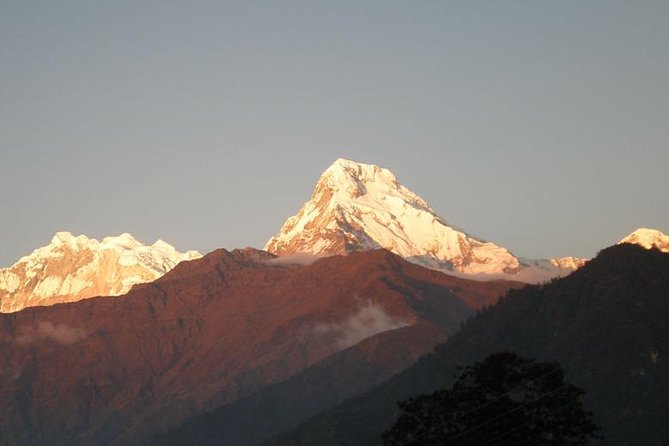
If you’ve done Poon Hill before, this feels like a smart upgrade. You still get the main Annapurna “wow” factor, but you’re walking longer through valleys and villages that sit under the mountains. The result is a trek that feels more like a journey than a quick viewpoint sprint.
This is also a good option if you want the mountains without the fear factor. The trek is built to keep you on track—so you spend your time looking up at peaks, not staring at maps. That matters, because on these trails it’s easy to lose time even when you’re “almost sure” you’re on the right path.
You can also read our reviews of more tours and experiences in Pokhara.
Price and What You Get for $1,045
At $1,045 per person for ~11 days, the headline price looks mid-to-high—until you break down what’s included.
You’re not just paying for beds and a guide. The package includes:
- Three nights in Kathmandu at a boutique hotel
- A private city tour by private transport
- All trek meals (breakfast, lunch, dinner) plus snacks during the trek
- Trek accommodations in mountain lodges (soft/comfort rooms, private room with shared toilet)
- Private transfers: Kathmandu to Pokhara, Pokhara to the trail entry (Naya Pul), and trail exit (Phedi) back to Pokhara
- Permits and paperwork (TIMS + Annapurna Conservation permit)
- Trekking guide and porters (English-speaking govt. registered guide + local porters, with a 2 trekkers to 1 porter ratio)
- Trek equipment support, including a down filled sleeping bag, walking poles, and a duffel bag
- Taxes and local fees covered by the operator
What you should budget separately:
- City entrance fees in Kathmandu
- Lunch/dinner in Kathmandu and Pokhara (only breakfast included on some days; trek meals are covered)
- Hot shower, Wi‑Fi, and device recharge
- Travel and evacuation insurance
- Tipping
- Boiled water is listed as not included (bottled water is included)
So the value comes from removing the “messy parts” of planning: permits, logistics between trailheads, meal planning, and carrying your trekking load. If you’re the kind of person who would rather spend money to avoid chaos, this price usually feels fair.
Your Trek Days: Ulleri to Poon Hill and Down Into Villages
This trek is moderately challenging, and the difficulty comes in layers. Day-to-day climbs are steady, but the early uphill effort matters.
Here’s how the walking days tend to feel, and what each one is best for:
Day 04: Pokhara → Nayapul → Tikhedhunga → Ulleri
You start with a drive from Pokhara to Nayapul, then begin trekking. The trail climbs gradually up the valley toward Tikhedhunga, then hits a steep ascent on stone staircases to Ulleri.
This is a day where your pace matters more than speed. Plan on moving slowly, especially if you’re carrying a daypack with water and layers. Even fit hikers feel this one in the legs.
Day 05: Ulleri → Ghorepani (via rhododendron and oak forest)
You gain altitude as you walk through rhododendron and oak forests. The climb is broken up by steps and changing scenery, which helps mentally.
You end in the Ghorepani area, staying around Upper Ghorepani / Deurali. This is a useful base for the next morning’s big view.
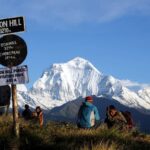
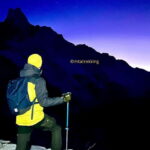
Day 06: Poon Hill (3210m) → Tadapani
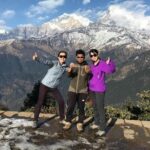
This is your signature “look at that” day. You hike up to Poon Hill at 3210m, then trek onward to Tadapani, typically taking a full day.
One reason this day works: you get the payoff early, then you transition into forest walking rather than sitting around all day. After returning to Ghorepani, you continue through pine and rhododendron forest to Tadapani.
Bring warm layers. Even when the day hike is pleasant, altitude mornings can feel cold.
Day 07: Tadapani → Ghandruk
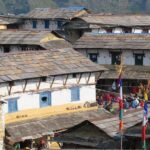
A shorter trail day with a nicer feel. You walk through forested paths with downhill sections toward Ghandruk village, then get time to explore the village area.
This is where the trek stops being only about peaks and becomes about people, stone steps, and everyday mountain life. It’s also a great place to rest, reset your feet, and enjoy village views.
Day 08: Ghandruk → Pothana (Landrung, Tolkha, and steady climbs)
Today you descend toward Modi Khola, then climb to Landrung village. From there you continue through Tolkha and start a steady ascent toward Deurali, then descend to Pothana.
There’s a weather-specific note: during monsoon, the red mud trail can be slippery. If you’re traveling in rainy season, trekking poles are worth their weight in gold here.
Day 09: Pothana → Phedi → Pokhara
You get an easy walking day with ridge sections and fantastic views of the Annapurna range toward Dhampus. Then you descend to Phedi, where you drive back to Pokhara.
This day feels like a relief valve. You still walk, but you’re not facing another “climb all day” push.
Kathmandu and Pokhara: More Than Waiting Rooms
The trek isn’t the whole story here. The Kathmandu and Pokhara days add cultural context and help you land softly into the pace of the mountains.
Day 01: Kathmandu arrival and Thamel stroll
You arrive Kathmandu (around 1,300m) and are met at the airport. Afternoon time goes to a walk in Thamel, a practical neighborhood for first-night orientation—shops, food options, and an easy vibe.
It’s the kind of start that helps you manage jet lag. You don’t have to build a complicated plan on arrival day.
Day 02: Kathmandu heritage circuit
This is a full city excursion with major sacred sites:
- Pashupatinath Temple
- Bodhanath Stupa
- Patan Durbar Square
- Kathmandu Durbar Square (ending point)
It also includes multiple temples connected to the Durbar Square complex, plus stops like Krishna temple, Kumbheswore temple, Golden temple, and Swayambhunath Stupa.
This day is valuable because it gives you a sense of Nepal beyond trekking. And it’s logistically efficient: private transport means you’re not losing time on buses when you’re still adjusting.
Day 03: Kathmandu → Pokhara via Trishuli River
You drive to Pokhara (about 5–6 hours). The route follows the Trishuli River, then you stay in the Lakeside area near Fewa Lake.
This is a nice in-between world: calm lakeside evenings after Kathmandu’s intensity. It also sets you up for gear prep and rest before the first trekking climb.
Day 10: Pokhara → Kathmandu and farewell dinner
After finishing the trek, you drive back to Kathmandu and transfer to your hotel. Evening is a farewell dinner, which is a simple way to close the loop and swap stories before departure.
Guides, Porters, and the Peace-of-Mind Factor
The biggest compliment that comes up again and again is human care. Mountain Mart’s guides—people like Ram Bhandari and Yukumar Magar—are praised for professionalism, patience, and making trekkers feel looked after. Porters also get named for their work running logistics smoothly and supporting meals and accommodation.
That matters for this specific trek because the climbs start early and keep coming. When you have an organized team, you don’t waste time negotiating what comes next or worrying about small issues like gear fit.
On top of that, the paperwork is included. You’ll get the Annapurna Conservation permit and TIMS handled as part of the trip. For most independent trekkers, that’s one of the annoying chores. Having it managed keeps your planning sane.
And yes—this is private. Only your group participates. That usually means fewer waiting gaps and more attention to your pace.
Gear, Meals, and Comfort: What’s Included (and What Isn’t)
This package helps a lot with comfort logistics, especially for first-time trekkers.
What you get for your pack
You receive trekking equipment such as:
- down filled sleeping bag
- walking poles
- duffel bag
Borrowing options are also mentioned, including down jackets, hiking poles, and sleeping bags if you need them. That’s a big deal if you’re arriving from a place where trekking gear is expensive.
Still, don’t assume you’ll be perfectly set. Check your poles and the sleeping bag weight when you receive them, especially if you run cold.
Food on trek days
Full meals are included during the trek: breakfast, lunch, and dinner. Snacks like cookies, energy bars, and seasonal fresh fruit are added along the way. Coffee and/or tea are included too.
This matters because trekking appetite can be unpredictable. Having planned meals reduces the chance you end up under-fueled on a long day like the Ulleri climb.
Bottled water, but no hot shower
Bottled water is included, which is practical at altitude. However, hot shower is listed as not included. Wi‑Fi and device recharge are also not included, and you’ll need to plan accordingly.
A slightly humorous note: this is one trek where you should treat “screens” as a luxury item, not a necessity.
Fitness, Altitude, and Weather Reality Checks
You’ll move from roughly 910m in Pokhara up to 3210m at Poon Hill, then back down. That’s a real altitude jump, even if the trek isn’t the hardest version of Annapurna.
The “moderately challenging” label fits, but don’t misunderstand it as easy. You’ll be doing:
- stair-heavy uphill work (Ulleri is the big one)
- long-ish hiking days like Ulleri to Ghorepani and Ghorepani to Tadapani
- steady climbs and descents through village-to-village terrain
If you want this to feel enjoyable, the main thing is consistency. Train for walking endurance, and practice using your poles before you go. Your knees will remember.
Weather can change fast in the mountains. If you’re traveling during monsoon periods, expect slippery sections (especially the red mud trail mentioned during monsoon only).
Who This Private Annapurna Panorama Trek Is Best For
This works especially well if you:
- want Annapurna views without the navigation stress
- like a private-guided pace rather than a mixed group shuffle
- are okay with moderate fitness and stair climbs
- want a full Nepal experience with culture time in Kathmandu and lake time in Pokhara
If you’re very time-limited, this may be longer than you want. If you’re chasing the absolute highest trekking challenge, you might look at harder Annapurna routes instead. But for a lot of people, this is the sweet spot: big scenery with manageable risk and good organization.
And if you care about service quality, the repeated mentions of guide names like Ram Bhandari and Yukumar Magar, plus porters such as Kumar and Rajan, are a good signal that you’ll have strong on-the-ground support.
Should You Book This Annapurna Panorama Trek?
Book it if you want a guided, private trek that’s designed to keep logistics quiet and the views loud. The value is strongest if you appreciate included permits, included meals, and a team that handles the carrying and day-to-day decisions for you.
Skip or reconsider if you’re chasing a more relaxed, no-stairs walk, or if you strongly expect hot showers and Wi‑Fi during the trek. Also be honest about fitness: Ulleri’s stair climb and multiple long walking days require steady effort.
If your goal is to see Annapurna up close, walk through rhododendron forests, visit Ghandruk, and finish with a smooth return to Pokhara, this itinerary is a very good match.
FAQ
How many days are spent trekking?
You’ll trek for about 6 days, with the remaining days focused on Kathmandu and Pokhara sightseeing.
What’s the highest point on the trek?
The trek’s standout high point is Poon Hill at 3210m (10528ft).
Is this trek private?
Yes. It’s described as a private tour/activity, so only your group participates.
Do I need to handle permits myself?
No. The package includes all necessary paper work and permits, including the Annapurna Conservation permit and TIMS.
What trekking equipment is included?
Trekking equipment is included such as a down filled sleeping bag, walking poles, and a duffel bag. Borrowing options for down jackets, hiking poles, and sleeping bags are also mentioned.
Are meals included on the trek?
Yes. During the trek you get full meals (breakfast, lunch, dinner) plus supplementary snacks like cookies, energy bars, and seasonal fresh fruits.
Is hot shower included?
Hot shower is listed as not included.
Is Wi‑Fi or device recharge included?
No. Wi‑Fi and electronic device recharge are listed as not included.
Where do you start and what time?
The meeting point is Pokhara, and the start time is listed as 8:00am.
What about travel insurance and tipping?
Travel insurance and evacuation insurance are not included. Tipping is also not included.