REVIEW · MARRAKECH
High Atlas Mountains Day Trip and Camel Trek
Book on Viator →Operated by Plan Trip Budget · Bookable on Viator
Atlas air beats Marrakech heat.
This day trip sends you from the Jemaa el-Fnaa area up toward the High Atlas, then into Berber countryside for stories, tea, and a camel ride you can actually photograph. I like that the day is structured for you: hotel pickup, a mountain guide, and round-trip transport so you don’t waste hours figuring out buses, shared taxis, or where to start.
My second big plus is the food-and-tea rhythm. You’ll stop at a Berber village for lunch and Moroccan tea, and the day has a slower human pace that you rarely get on fast sightseeing days. One thing to keep in mind, though: this kind of group tour depends on the pickup running on time, and one no-show report exists in the wild—so I’d treat communication on the day as important and double-check your meeting point.
In This Review
- Key things I think you should know
- Marrakech pickup, mountain timing, and your first real payoff
- Getting into Berber country: what the guide helps you notice
- Berber village lunch and Moroccan tea: why this stop is more than a meal
- Camel trek time: fun photos, but treat it like an animal experience
- Round-trip comfort and group size: why “small” matters today
- Price and value: what $33.82 buys you (and what it might not)
- Weather, mountains reality, and the small risks worth planning for
- Who should book this Atlas Mountains and camel trek day
- Should you book this High Atlas Mountains day trip and camel trek?
- FAQ
- How long is the High Atlas Mountains day trip?
- What time does the tour start in Marrakech?
- Is pickup from your hotel included?
- What’s included in the price?
- How big is the group?
- Do I need to be fit to join?
- What’s the cancellation policy if the weather is bad?
Key things I think you should know
- Max 20 people means you’re unlikely to feel lost in a crowd
- Hotel pickup + round-trip transport saves you from transport headaches
- Lunch and Moroccan tea included so you’re not bargaining for every meal stop
- Camel ride included and designed to fit a day trip, not a multi-day adventure
- Mountain guide in charge of the route and timing, with flexible pacing in practice
- Good weather matters because this is a mountains day
Marrakech pickup, mountain timing, and your first real payoff
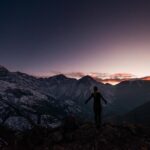
This tour starts early, around 8:00 am, and the “getting out of town” part is handled. You meet up with a driver for hotel pickup, then you head toward the High Atlas. Even if you’ve visited markets and riads already, that drive shift is the whole point: city noise fades, the air cools, and the day becomes about breathing space and watching the valleys change.
Expect a real group logistics setup. It’s up to 20 travelers, and the vehicle is air-conditioned, which matters in Marrakech when morning starts hot and your energy might not be. You’ll also want to plan for a day that moves at a human pace, not a museum pace. The rhythm usually goes like this: travel, a guided stop or short walk moment, then village time, then camel time, then back to the city.
One practical tip: wear shoes you’d trust on uneven paths. Even if your “hard parts” are mostly short walking segments, the Atlas is not a flat promenade. If you know you’re sensitive to heights, steep steps, or slippery rock, say so early. In practice, guides like Mohamed have been reported as patient and able to adapt to different paces.
You can also read our reviews of more tours and experiences in Marrakech.

Getting into Berber country: what the guide helps you notice
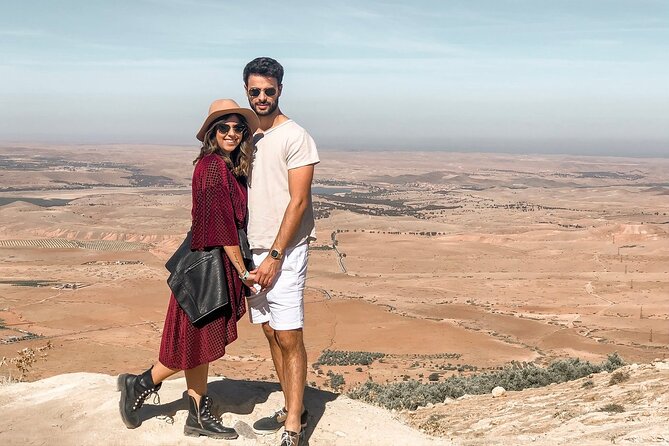
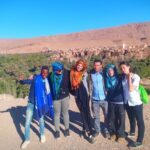
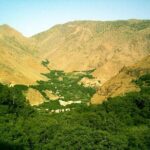
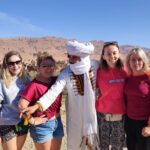
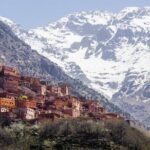
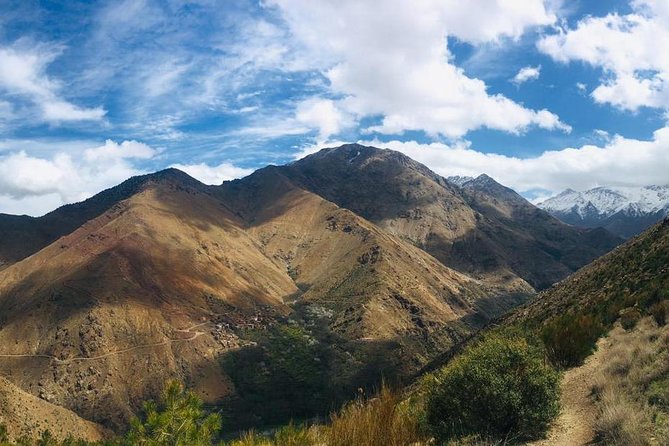
Once you’re out of Marrakech, the day becomes guide-led. You’ll have a mountain guide, and the guiding isn’t just directions. It’s the difference between seeing “mountains” and understanding what you’re looking at—how people live, how villages work, and why the geography shapes daily life.
In the feedback for similar Atlas routes on this theme, guides such as Mohamed (and also Hassain/Hussain in some cases) show up as the main reason people rate these trips so high. Common threads include: friendly conversation, clear explanations, and the ability to adjust pacing without making it feel awkward. Some trips include time for tea stops and photo pauses, which is important because you’ll want to capture the views while you’re still fresh and not rushing.
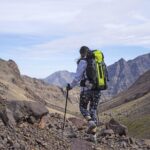
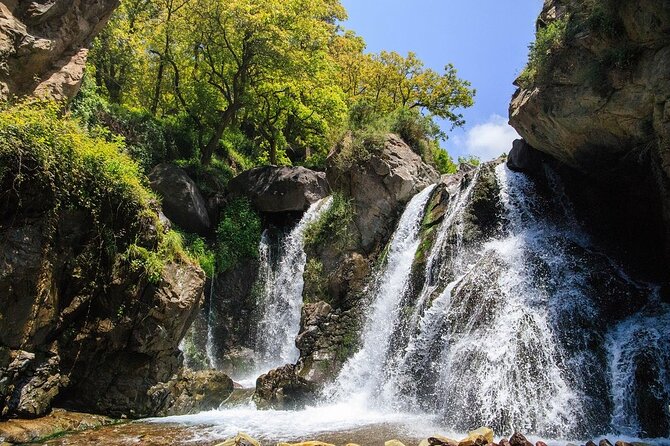
You might also get a walk element around village areas—some versions are reported with a loop-style hike, sometimes with waterfall viewpoints near areas like Imlil. That’s not guaranteed in the basic outline of the day, but it’s consistent with how these Atlas-with-village experiences are often organized.
What you should take seriously: the day is built for a moderate physical fitness level. That doesn’t mean “athletic only.” It does mean you should be comfortable with stairs, dirt paths, and a bit of uphill walking for parts of the experience. If you’re unsure, ask the operator about the walking portion when you book.
Berber village lunch and Moroccan tea: why this stop is more than a meal
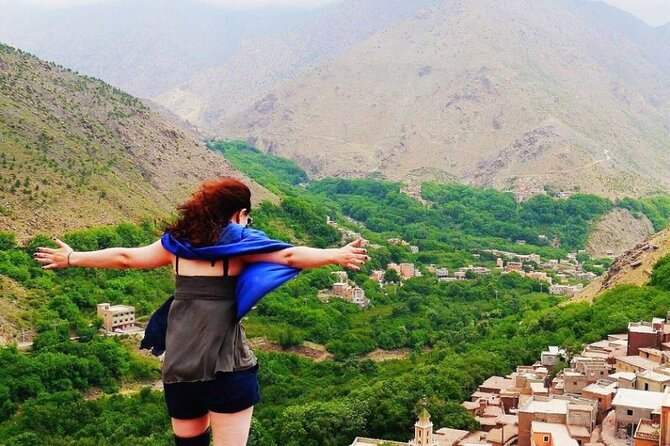
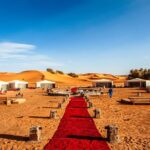
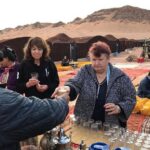
This is one of the most valuable parts because it’s not just feeding you. It’s the social core of the day. You’ll visit a Berber village, where lunch and Moroccan tea are included. That’s the moment you trade “tour mode” for real local rhythm: seated conversations, tea pouring, and the chance to observe daily life in a way city visits rarely allow.
People often mention the food as a highlight. One account specifically calls out a chicken tagine add-on as delicious and reasonably priced, even though lunch itself is stated as included in the tour info. So here’s the practical way to handle this: plan for lunch that’s part of the package, but be ready for the possibility of extra menu items offered on site.
Also, tea in the Atlas is not a tiny cup you chug and move on from. It’s typically a pause—sometimes with a scenic viewpoint—meant for slowing down. If you’re traveling with someone who gets cranky when they feel rushed, this tea stop helps fix that. It’s also a good reset if the road trip and walking made you tired.
If you’re thinking about what to bring, keep it simple: a layer. Even in seasons that feel warm in Marrakech, mountain air can cool fast, especially as the day changes and you’re standing still for tea.
Camel trek time: fun photos, but treat it like an animal experience
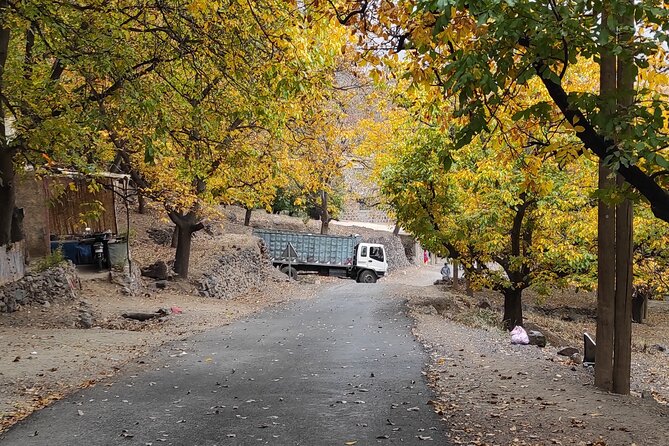
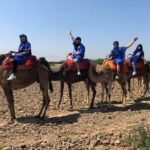
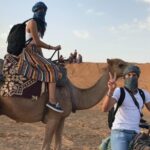
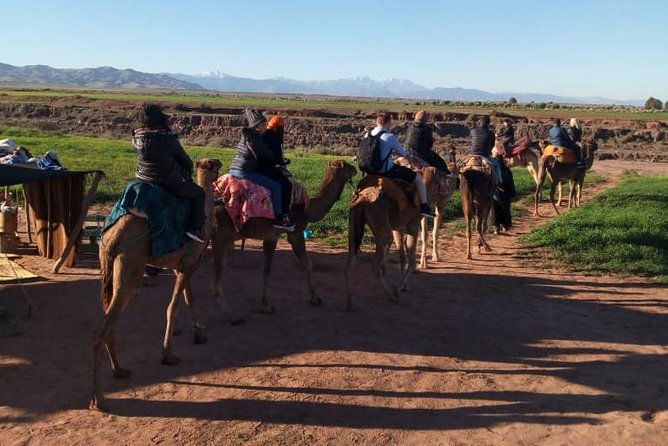
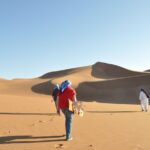
The camel ride is included, and it’s one of those “sounds touristy until you’re on the camel” moments. Most people remember the feeling of being higher than you expect, plus the slow sway that makes it clear this isn’t a theme-park ride.
Some reports describe camel time right outside Marrakech as a short introduction before continuing into the mountains area. Others focus more on the camel ride as a planned activity near the foothills once you’ve reached your first countryside stops. Either way, the camel segment is usually short enough to fit comfortably into a 7-hour day without turning into a long trek.
What to expect in practical terms:
- You’ll likely get brief instruction from the handler or guide.
- Take photos early if you’re fussier about angles, because once you’re moving, the light and composition change quickly.
- Wear closed-toe shoes. It’s not about style. It’s about traction and comfort.
If you have motion sickness, tell yourself you’re riding for a short window. Bring water—bottled water is included, which is a relief—and skip super heavy meals right before camel time.
And if you’re worried about riding safely, remember: you’re not alone. The mountain guide and local handlers are part of how this stays manageable for a group.
Round-trip comfort and group size: why “small” matters today
Here’s a real value factor: max 20 travelers. On paper, that sounds like a “small group,” but you’ll feel it. Fewer people means more flexibility with pace, fewer missed handoffs, and less time waiting while someone finds the right jacket, sunscreen, or camera strap.
The transport being air-conditioned is also a big deal. This is a long day out of Marrakech. You’ll want the ride back to be comfortable, not miserable.
One more reason the group size matters: flexibility. In the Atlas mountains accounts tied to this kind of experience, guides like Mohamed are described as adjusting to walkers’ speeds—helping slower travelers, keeping conversation going, and staying calm when kids or older travelers need extra time. You can’t assume every day will match every report, but it’s a strong sign this tour is built around manageable pacing rather than a strict marching schedule.
If you’re traveling with kids, the day can work if you’re realistic about the amount of walking. If you’re older, it can work if you’re okay with short climbs and you choose solid shoes. If you’re the “I hate sitting” type, you might find the day includes enough travel and tea pauses to feel like a lot of “in-between” time. But that’s also what gives it authenticity.
Price and value: what $33.82 buys you (and what it might not)
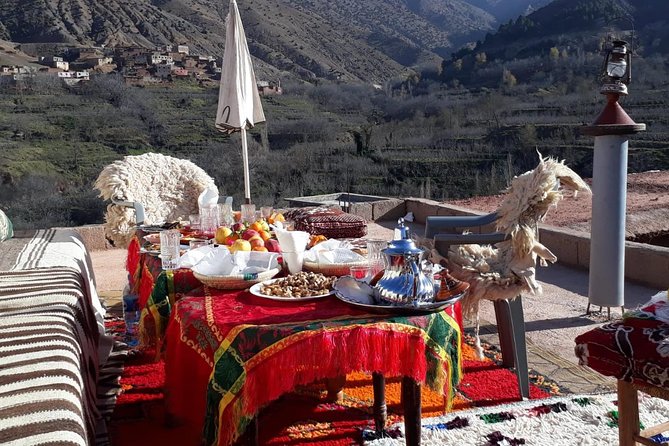
At $33.82 per person, you’re paying for a bundle. The tour info lists transport, a mountain guide, lunch, Moroccan tea, coffee/tea, bottled water, and the camel ride. When you compare that to the typical cost of hiring a private driver plus paying for meals and activities separately, this is the budget-friendly way to do the High Atlas day.
The big value isn’t just the price. It’s the structure. Hotel pickup plus round-trip transport means you don’t need to negotiate your way into a reliable day plan. And the included lunch and tea prevent you from having to hunt down food in places where options are limited.
What could cost extra? Based on on-the-ground reports, you might be offered extra dishes or add-ons—like additional tagine choices—during the meal. That doesn’t make the tour bad value. It just means you shouldn’t treat the included meal as a single fixed item you must accept. You’ll likely have choices depending on what’s served that day.
Another “value watch” point: the tour’s price is low partly because it’s group-based. If you’re the type who needs total control—exact timing, private guide, private vehicle—then this price won’t fit. But if you’re happy sharing the day and enjoying the experience as it comes, it’s a good deal.
Weather, mountains reality, and the small risks worth planning for
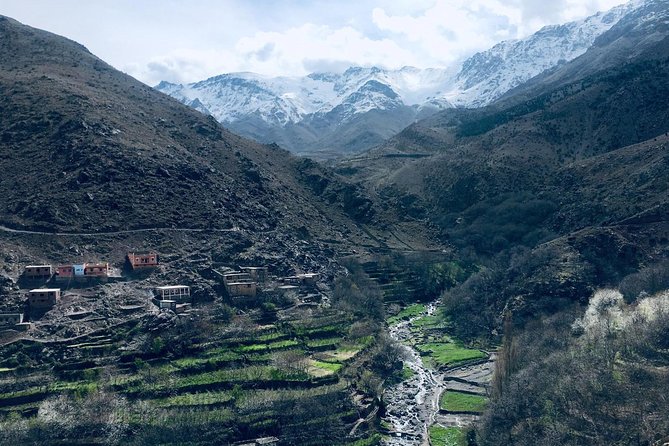
This is a mountain day, so good weather is required. If conditions are poor, the experience may be canceled and you’ll be offered a different date or a full refund. That’s normal for mountains travel and it’s the right kind of policy for you as a traveler.
Now the other risk: pickup reliability. One no-show complaint exists in the feedback data you provided, with mention of failing to reach the operator on the day. That doesn’t mean it will happen to you. But it does mean you should take two sensible steps before you go:
- Confirm your pickup details the day before.
- Keep the contact details handy and make sure your phone number works internationally.
Finally, pack for temperature swings. Even if Marrakech is sunny, mountain air can feel chilly while you’re standing still for views or tea. A light jacket is cheap insurance.
Who should book this Atlas Mountains and camel trek day
This works best for you if:
- You want a single-day escape from Marrakech that still feels like more than a drive-by stop.
- You like small group travel (up to 20) and don’t need a private guide.
- You value having lunch and tea arranged rather than guessing where to eat.
- You want the mix of culture + movement: village time, short walking moments, and a camel ride.
It might be less ideal if:
- You need strict control of every minute.
- You can’t handle uneven ground or some moderate walking.
- You’re counting on a guarantee of a specific hike route with waterfalls. The core of the day is the mountains, village lunch/tea, and camel time, but the exact walking details can vary.
Should you book this High Atlas Mountains day trip and camel trek?
I’d book it if you want good value with the “hard parts” handled: pickup, transport, guide support, lunch, tea, and a camel ride. For many people, the best part isn’t just the views. It’s the way the day is paced so you can actually talk with the guide, ask questions, and enjoy tea in a Berber village setting instead of rushing from one bus stop to another.
Just do one thing before you go: confirm pickup details and be ready for mountain weather. If that box is checked, this is a solid way to spend your limited time in Marrakech while seeing the Atlas in a way that feels real, not staged.
FAQ
How long is the High Atlas Mountains day trip?
It’s listed at about 7 hours.
What time does the tour start in Marrakech?
The start time is 8:00 am.
Is pickup from your hotel included?
Yes. Hotel pickup is offered, and the day is organized to pick you up for the trip out of Marrakech.
What’s included in the price?
The tour includes transport, a mountain guide, lunch, Moroccan tea, bottled water, coffee and/or tea, and the camel ride. A mobile ticket is also mentioned, and an admission ticket is marked as included.
How big is the group?
The experience has a maximum of 20 travelers.
Do I need to be fit to join?
You should have a moderate physical fitness level. You’ll likely do some walking on uneven mountain terrain.
What’s the cancellation policy if the weather is bad?
There’s free cancellation up to 24 hours in advance for a full refund. The tour requires good weather, and if it’s canceled due to poor weather, you’ll be offered a different date or a full refund.