REVIEW · KATHMANDU
Annapurna Circuit Trek
Book on Viator →Operated by Nepal High Trek & Expedition Pvt. Ltd · Bookable on Viator
This route is classic Nepal, but shorter. The Annapurna Circuit can take forever if you do it the long way, yet this plan uses road access to cut the time down while still building in altitude-smart pacing. I especially like the 12-day structure that mixes drive days with gradual walking, and I also like that you get a government-licensed guide from Kathmandu to keep the whole trip organized.
The main trade-off is simple: shortening the trek means you have less slack. You still reach high points like Thorang La at 5,416 m, and some days run long, so you’ll want realistic expectations about cold, thin air, and steady effort.
In This Review
- Key things you’ll notice fast
- A Faster Take on the Annapurna Circuit: What the 12-Day Plan Really Means
- Kathmandu Arrival and the Group Briefing: Where You Get Your Trail Head Start
- Driving to Besisahar and Chame: The Journey Before the Trek Starts
- Manang and the Alpine Transition: Why These Early Hiking Days Matter
- Yak Kharka and the Long Build-Up to Thorong Phedi
- Thorang La (5,416 m) and Muktinath Temple: The Crossing Moment
- Pokhara and the Drive Home: Turning Big Effort Into Real Recovery
- Price and Value: What $975 Buys You on This Trek
- The Altitude and Walking Reality Check (So You Go in Smart)
- Who Should Book This Annapurna Circuit Trek (and Who Should Reconsider)
- Should You Book This Annapurna Circuit Trek With Nepal High Trek?
- FAQ
- Where does the trek start?
- How long is the Annapurna Circuit Trek on this plan?
- Do you include airport transfers?
- Are meals included during the trek?
- Is tea included?
- What lodging is provided during the trek?
- What permits and gear are included?
- Is travel insurance included?
- Can you take a jeep beyond Chame to shorten the trek?
- What if weather is poor?
Key things you’ll notice fast
- Road-assisted start: drive out past Kathmandu to warm lowlands before you begin serious hiking
- Manang acclimatization is built in: a rest day plus an optional hike to Gangapurna Lake
- Tea-house rhythm: private local tea houses with twin-sharing beds and daily tea
- A real pass day: the plan sets up Thorong Phedi before the final push to Thorang La
- Cultural payoff at the end: Muktinath Temple area after the crossing, then scenic Pokhara time
A Faster Take on the Annapurna Circuit: What the 12-Day Plan Really Means
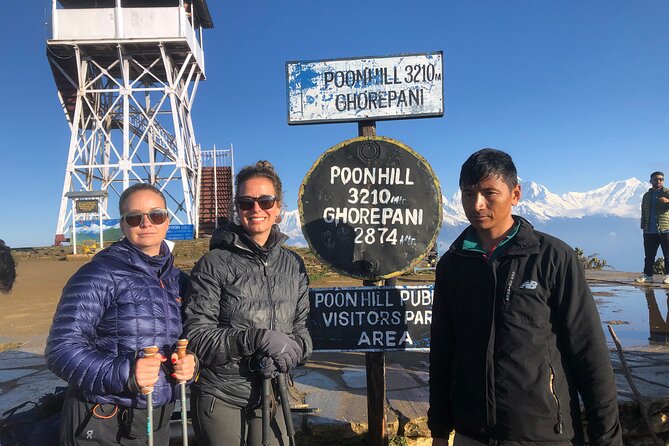
The Annapurna Circuit is famous because it lets you walk across big changes in altitude, scenery, and culture—one of Nepal’s best “from here to there” treks. The downside is time. The classic detour route can stretch much longer, with extra days on the trail.
This version is designed for people who don’t want to spend two weeks or more on the same high-altitude loop. The key idea is that road construction from Besisahar toward Manang helps make the trek shorter without turning it into a sightseeing bus tour. In plain terms, you still earn the views, but you start earlier and reduce the number of slow, filler days.
You’ll also notice how the itinerary tries to reduce risk. The pacing is built around the reality that altitude doesn’t care about good intentions. You get multiple days in the Manang area before the high pass, instead of rushing straight toward Thorang La.
One more practical win: the tour includes a lot of the “I don’t want to deal with this” logistics. Airport pickup, ground transport by bus/jeep, hotels in Kathmandu and Pokhara, permits, meals on the trek, and even trekking gear. That matters on a trek this remote—less mental load means you can focus on breathing and putting one foot in front of the other.
You can also read our reviews of more tours and experiences in Kathmandu.
Kathmandu Arrival and the Group Briefing: Where You Get Your Trail Head Start
Day one is all about landing without stress. After you arrive at Tribhuvan International Airport, you’re transferred to Kathmandu, checked into a hotel, and meet your guides and staff for a group briefing.
That briefing is underrated. On the Annapurna Circuit, small details become big problems: what to pack, how to pace your breathing, and what to do when weather shifts. The plan is run by Nepal High Trek & Expedition Pvt. Ltd, and the guide is listed as a government license holder from Kathmandu, which usually translates into better organization on the ground.
If you’re nervous about going solo, Kathmandu is where you can settle your mind first. Reviews for this operator highlight how guides like Shanta and others made solo travelers feel looked after right from the start. You’ll want that mental cushion before you leave the city behind.
Driving to Besisahar and Chame: The Journey Before the Trek Starts
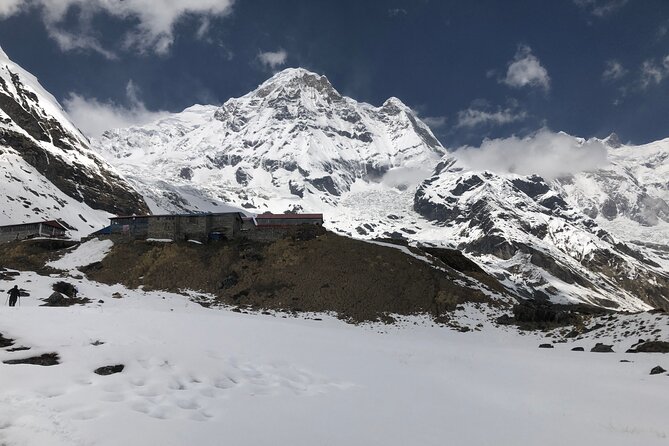
On day two, you drive away from Kathmandu Valley toward the mid-west, reaching Besisahar in the Lamjung area. This is a long ride (listed at about 12 hours), and it matters for one reason: it gets you into the trekking zone while you’re still fresh.
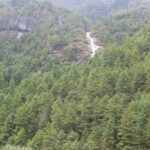
Day three continues the “get moving” theme. You drive to Chame, the headquarters of Manang district. The road is unpaved, and that’s your first taste of the real Nepal beyond the paved tourist route. You also get those early views of village life and pine country—helpful, because it makes the trek feel like a gradual transition instead of a sudden drop into wilderness mode.
Two practical things to remember here:
- You’ll likely feel the drive in your body. Trekking later means you’ll want to stretch and keep water intake steady (within what you choose to buy or consume on your own).
- You’re not on a “shortcut.” Even though the itinerary is shorter than many Annapurna Circuit plans, the route is still demanding.
Manang and the Alpine Transition: Why These Early Hiking Days Matter
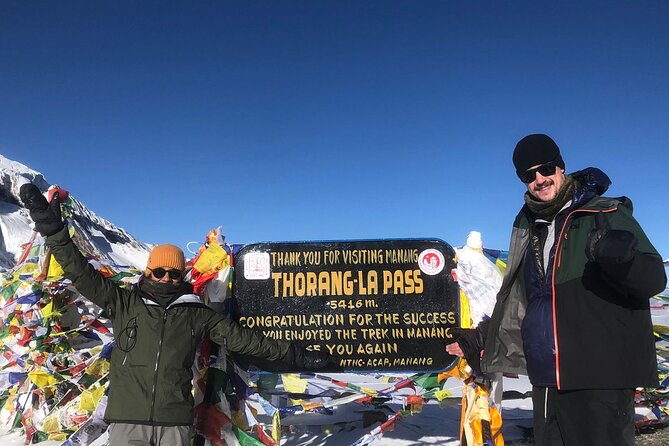
Manang is the turning point. It’s where the trek starts to feel more “high mountain” and less “valley travel.” You’ll spend multiple days in the Manang area, and that’s not random—it’s the acclimatization strategy in motion.
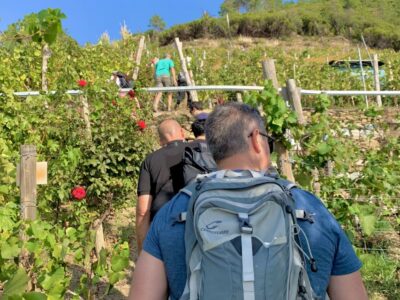
Day four takes you into the mountains via a walk that follows the Marsyangdi River upstream. The route is described as heading uphill into pine and passing multi-authentic villages and changing landscapes. Day four is listed as about 13 hours, which tells you this isn’t a gentle stroll. It’s your body learning altitude without yet going all-in.
Day five keeps you in the Manang orbit. You walk through the Manang Valley and pass Pisang village, with views toward big peaks like Annapurna II and III and Gangapurna. The itinerary notes that altitude gains slowly from here onward. That “slow gain” piece is what you want before committing to the pass.
And then comes day six: a rest day for acclimatization before the high crossing. The plan strongly suggests the hike to Gangapurna Lake. Even if you don’t think you can handle it, this is one of those days where you benefit from moving just enough to help your body adjust—without exhausting yourself.
This is where the tour’s design makes sense for people who are more cautious about altitude sickness. You get a buffer. You get time at height. You don’t just sprint toward Thorang La.
Yak Kharka and the Long Build-Up to Thorong Phedi
After Manang, day seven takes you to Yak Kharka. The walk is described as a high-altitude route with mountain-facing views and streams to cross. Yak Kharka is a small settlement, and the idea here is to keep climbing while not stacking too many extreme moments at once.
Day eight is the key “prep and push” day toward the pass. The morning walk leads closer to Thorang La, crossing a bridge, climbing alongside the Jarjung River, and then reaching Thorong Phedi for a short rest. From there, you tackle the final climb, described as the last hour up to the pass area.
This staging matters. If you’ve ever watched people suffer on a pass climb, it’s often because they started too hard too early or tried to power through without the intermediate rest. Thorong Phedi is that intermediate check-in point.
Also, keep an eye on conditions. High winds, icy patches, or cloud cover can change your pace fast at these altitudes. The tour also notes the experience requires good weather, so if conditions are rough, expect adjustments by the team rather than stubbornly forcing a plan.
Thorang La (5,416 m) and Muktinath Temple: The Crossing Moment
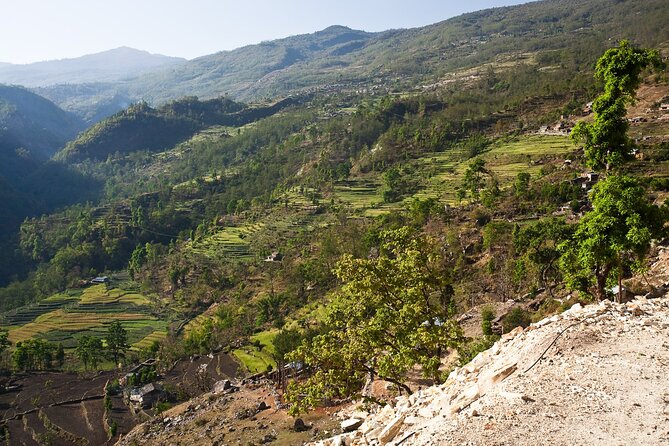
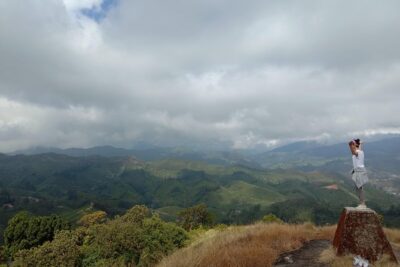
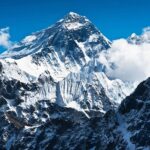
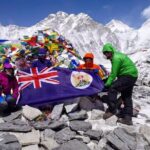
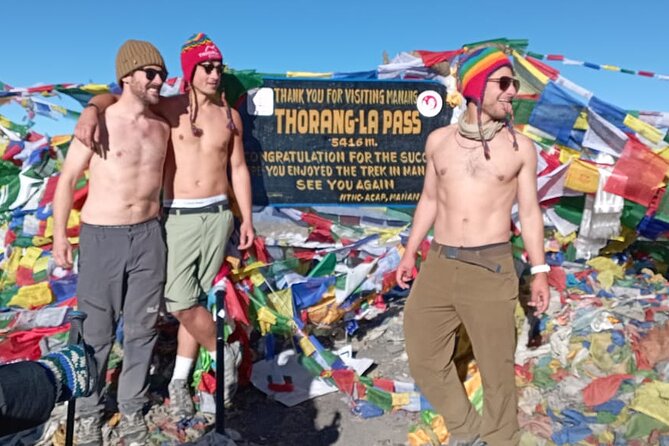
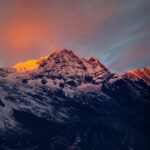
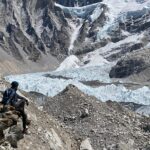
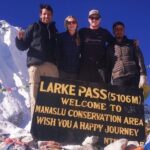
Day nine is the signature day. You start early to climb up to Thorang-la at 5,416 m, with Buddhist prayer flags marking the route. The itinerary emphasizes the vista landscapes from the pass—this is where the Circuit earns its reputation.
Then the story shifts from “climb” to “descent and pilgrimage.” After the pass, the itinerary brings you to Muktinath Temple. Muktinath is known as a spiritual stop on multiple routes, so it feels like a different kind of relief after days of rugged effort. It’s not just scenery anymore—it’s a cultural destination.
This is also where good guiding shows up. Reviews for this trek frequently praise guides for organization and safety even when the weather doesn’t cooperate. Names that come up include Buddhi Tamang, Pawan, Indaco, and Anjan—the common thread is that the people leading the trip help you keep your head clear when your body feels done.
Pokhara and the Drive Home: Turning Big Effort Into Real Recovery
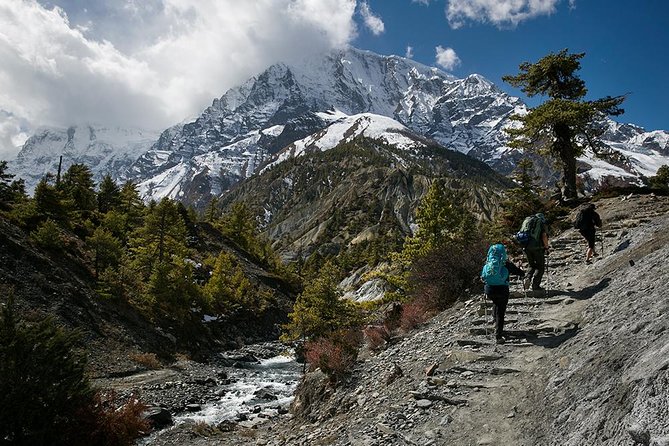
Day ten drops you back into vehicles: you drive to Pokhara after Muktinath. The road is described as scenic and challenging, but the day is clearly meant as a transition. Once you’re out of the high trekking zone, the energy changes—less about footwork, more about breathing easy again.
In Pokhara, you get a hotel night with breakfast. Then day eleven continues the travel back to Kathmandu by overland route, passing farm villages and towns, and reaching Kathmandu by afternoon. Day eleven stays flexible: the rest of the day is free for individual activities.
This part of the trip is valuable because it stops the whole experience from ending in a tired blur. After the pass, you’ll likely want some simple human comforts: a proper meal, a warm shower, and time to unpack your gear without rushing.
Price and Value: What $975 Buys You on This Trek
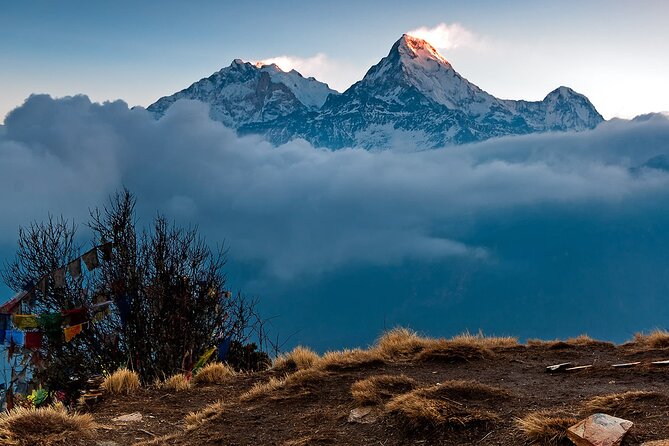
At $975 per person, the price sits in the “serious trek, not budget chaos” category. What makes it feel reasonable is how much is packaged in.
What’s included:
- Airport pickup and drop-off, plus all ground transportation (bus and jeep drives)
- Hotels with breakfast: two nights in Kathmandu and one night in Pokhara
- Three meals a day during the trek (breakfast, lunch, dinner), plus three cups of tea per day
- Private local tea-house basis with twin-sharing beds
- Annapurna Conservation Area Permit
- Trekking gear: sleeping bag, down jacket, and duffle bag
- Seasonal fruits during the trek
What’s not included:
- Travel insurance
- Extra personal spending like mineral water, beer, coke, laundry, desserts
- Tips for trekking crews
The big value play here is the gear package and meal plan. Buying a decent down jacket and sleeping bag for one trip is often expensive. Getting them provided means you can pack smarter and travel lighter. Meals and tea also reduce decision fatigue each day.
If you already own solid cold-weather gear and you’re a self-supported trekker type, you might compare costs. But for most people, paying for organization, permits, meals, and gear is exactly how you keep the trek focused on the mountains—not logistics.
The Altitude and Walking Reality Check (So You Go in Smart)
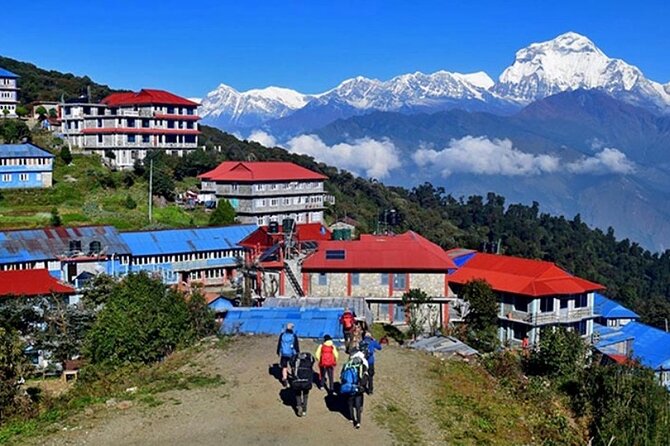
This trek aims for a plan that avoids a lot of the worst altitude risk patterns, and the itinerary is built to reduce both altitude sickness risk and hours of walking. Still, the physical load is real.
You’ll see long walking days listed (around 13 to 14 hours on multiple days), and you still cross a major pass at high elevation. The “short itinerary” is short compared to the classic full loop, not short compared to a casual hike.
Also, the tour information includes guidance about jeeps:
- It’s stated that taking a jeep beyond Chame isn’t appropriate.
- There is mention that a four-wheel jeep to Manang is possible, but the risk of altitude sickness is described as very high if you do it.
That’s an important signal: the plan is designed around acclimatization principles, not around cutting every leg of the trek. If you’re tempted to “mechanize” your way upward, it’s worth thinking twice. The route is already optimized for height management.
Who Should Book This Annapurna Circuit Trek (and Who Should Reconsider)
This works especially well if:
- You want the Annapurna Circuit experience without the full long-version time commitment
- You prefer a structured plan with a licensed guide and planned meals
- You’d rather have acclimatization baked in, including a rest day in Manang
- You’re traveling solo and want the reassurance of organized support
It might be less ideal if:
- You’re highly sensitive to altitude and you want zero risk. Even with an acclimatization schedule, you’re still going to high elevations.
- You dislike long trekking days. Several days are listed as about half a day to a full day of walking.
- You’re hoping for a fully cushy, low-effort version. Tea houses are comfortable enough, but this is still trekking.
One more small but real detail: sunscreen. A review for this trek includes a simple reminder to bring it. At high elevation, sun burn happens fast, even when the air feels cold.
Should You Book This Annapurna Circuit Trek With Nepal High Trek?
If you want the Annapurna Circuit in a smarter timeline, with real acclimatization and less logistical stress, I’d say this plan is a strong match. The combination of Manang acclimatization, meals and tea included, and gear provided removes a lot of friction that can make treks feel harder than they need to be.
I’d book this if your goal is to see the circuit properly while keeping the schedule realistic. I’d hesitate if you’re dealing with serious altitude-related health concerns or you’re looking for a short, easy walk with minimal days at height.
In the end, the big deciding factor is how you handle long trekking days and thin air. If that part sounds like a fair trade for mountain views and pilgrimage culture, this is a solid, well-supported way to do it.
FAQ
Where does the trek start?
The meeting point listed is Tribhuvan International Airport in Kathmandu (Ring Rd, काठमाडौँ 44600, Nepal).
How long is the Annapurna Circuit Trek on this plan?
It’s listed as 12 days (approx.).
Do you include airport transfers?
Yes. Airport pick up and drop off are included.
Are meals included during the trek?
Yes. The trek includes three meals per day (break, lunch, dinner).
Is tea included?
Yes. The included plan notes three cups of tea per day during the trek.
What lodging is provided during the trek?
You stay on a private local tea house basis with twin sharing beds.
What permits and gear are included?
The Annapurna Conservation Area Permit is included. Trekking gear included: a sleeping bag, down jacket, and a duffle bag.
Is travel insurance included?
No, travel insurance is not included.
Can you take a jeep beyond Chame to shorten the trek?
The tour information says it is not appropriate to take a jeep beyond Chame. It also notes that using a four-wheel jeep to reach Manang is possible, but the risk of altitude sickness is described as very high.
What if weather is poor?
The experience is described as requiring good weather. If it’s canceled due to poor weather, you’ll be offered a different date or a full refund.