REVIEW · HANOI
Hanoi-Sapa Trek 2 days 2 nights and Homestay with small group
Book on Viator →Operated by Crossing Vietnam Tour · Bookable on Viator
Sapa gets quiet when you walk. This Hanoi–Sapa trek turns a long journey into a real countryside experience, with a small-group pace and village time that feels much less tour-bus. You also add an overnight-ride element, so the “travel day” doesn’t feel like wasted daylight.
I like that this trip takes care of the logistics with a local English-speaking guide and a group capped at nine people, so questions don’t get lost. I also like the homestay angle in Ta Van Village—basic, yes, but more human-scale than a big hotel in town.
One thing to think about: the comfort level in a homestay isn’t like a city hotel, and Sapa can be cold with fog. The trekking is active too, with routes that can reach around 10 km in a day and muddy stretches, so pack warm layers and solid shoes.
In This Review
- Key highlights that matter on the ground
- From Hoàn Kiếm to Sapa: the trip flow behind the scenes
- Trekking days plus one homestay night: what it feels like
- Cat Cat, Lao Chai, Ta Van, Giang Tà Chai, Su Pan: your village lineup
- Ta Van Village homestay: family life, not hotel comfort
- Guides make or break the trek: Zua, Khu, Lucy, and Jenny in the mix
- Weather, fog, and packing: the real Sapa checklist
- Price and value at $139: what you’re really buying
- Who this Sapa trek suits best
- Should you book? My decision checklist
- FAQ
- Where does this tour start in Hanoi?
- Is pickup included?
- How many people are in the group?
- Where is the homestay located?
- What meals are included?
- Which places in Sapa are visited?
- Do you get dropped off at your Hanoi hotel at the end?
- What should I pack for Sapa’s weather?
- Is it easy to cancel if plans change?
Key highlights that matter on the ground
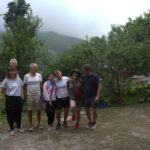
- Max 9 people: you get more guide time on the trail and at village stops
- Ta Van Village homestay: you sleep where local life actually happens
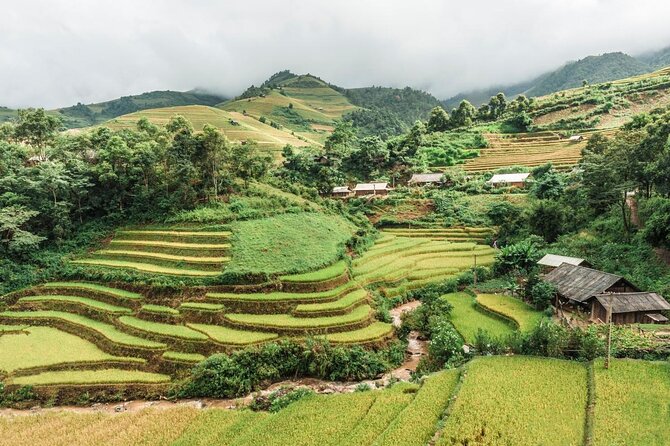
- Village lineup: Cat Cat, Lao Chai, Ta Van, Giang Ta Chai, and Su Pan across the trek
- Logistics handled: pickup from Hoàn Kiếm and meals are included so you hike, not chase details
- Guides with good communication: names like Zua and Khu show up in successful experiences
- Cold-weather prep is part of the plan: warm clothes and weather-ready gear aren’t optional
From Hoàn Kiếm to Sapa: the trip flow behind the scenes

Your day starts around Hoàn Kiếm (Old Quarter), Hanoi, with the trip beginning there and pickups offered. The operator is set up to handle the in-between parts—transport and logistics—so you don’t need to figure out timing, ticketing, or how to connect everything once you arrive.
The big thing to double-check is transport style. The tour is described as combining the trek with an overnight train experience, but the included details also list a round-trip luxury limousine car between Hanoi and Sapa. Practically, this means you should confirm what mode you’ll use for your specific departure. Either way, the goal is the same: reduce stress and get you to the Sapa region without spending your energy on logistics.
At the end, you’re not dropped at every hotel address in Hanoi. Instead, the tour ends back at the meeting area, with a drop-off point around 160 Trần Quang Khải Street in the Old Quarter. From there, you’ll be able to walk back or take a taxi.
You can also read our reviews of more tours and experiences in Hanoi.
Trekking days plus one homestay night: what it feels like
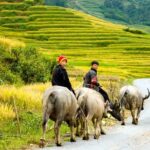
This is built as a 2 days / 2 nights-style experience (often described that way because you’re combining the overnight ride aspect with one homestay night). In plain terms: you’ll travel out, spend your daytime trekking across villages, sleep at the homestay for the night, then trek again and return.
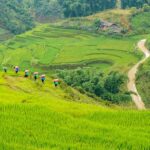
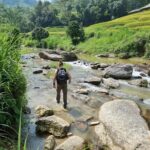
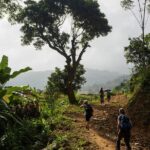
Expect a guided route that focuses on cultural stops and viewpoints, not just “walk for walking’s sake.” Some segments can be muddy depending on conditions, and you can cover close to 10 km on at least one day if you’re moving at the normal group pace. That’s not a marathon, but it’s not a stroll either.
What makes this setup work for first-time Sapa visitors is that you’re not guessing which villages to choose. The itinerary is built around the most common names—Cat Cat, Lao Chai, Ta Van, Giang Ta Chai, and Su Pan—while the guide adds the context that makes those names meaningful.
Cat Cat, Lao Chai, Ta Van, Giang Tà Chai, Su Pan: your village lineup
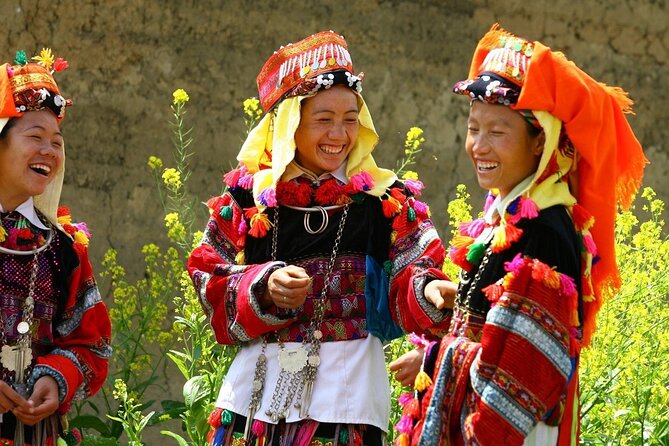
Sapa trekking works best when the stops feel like different “living places,” not the same picture with a different sign. This tour’s village list is designed to give you that variety.
- Cat Cat: This is a classic Sapa visit where you’ll see village life and scenic valley views tied to the region’s ethnic communities. It’s a great “first contact” stop to get your bearings.
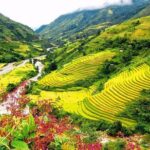
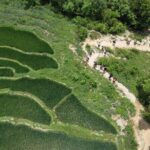
- Lao Chai: Known for its terraced fields and village setting, Lao Chai is one of those places where the landscape and the way people farm are inseparable.
- Ta Van: This is where the homestay happens. Ta Van is the most important stop on the itinerary because it turns the trek into an overnight cultural experience, not just day sightseeing.
- Giang Tà Chải: This stop helps you see how different communities set up their homes and routines across the hillsides.
- Su Pan: Another key village area that rounds out the trekking loop with more views and cultural context.
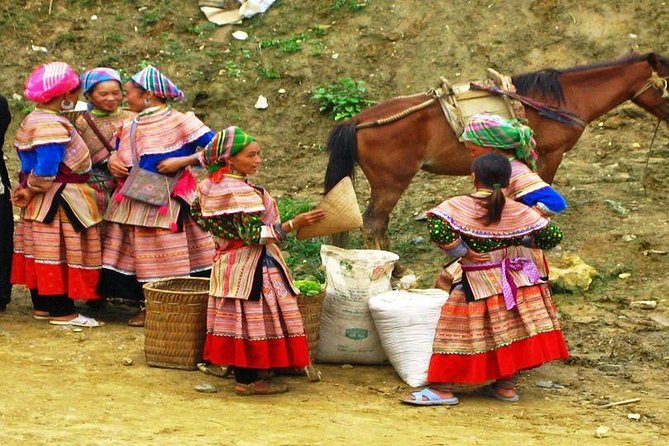
If you’re wondering what ethnic-group focus you’ll get: the tour lists visiting the most well-known ethnic groups in the region, and experiences also highlight welcoming Hmong community members who help along the way—especially on trickier terrain.
Ta Van Village homestay: family life, not hotel comfort
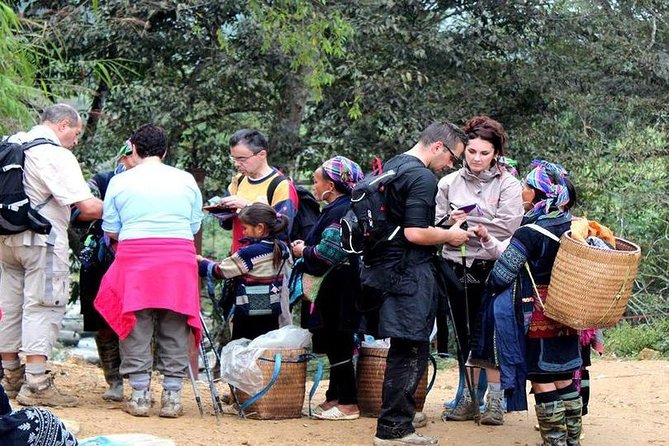
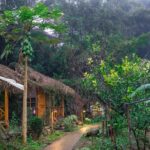
The homestay in Ta Van Village is one of the main reasons to choose this format. You’re not just looking at northern Vietnam from a viewpoint; you’re sleeping in the area you’re trekking through.
That said, manage expectations. The included info is clear that homestay facilities are not as in a hotel in Sapa. So if what you need at night is predictable hotel-style comfort, you may feel the difference. On the positive side, homestays usually reward you with a calmer, more personal feel—less staged, more day-to-day.
Meals are also part of the deal: you’ll have 2 breakfasts, 2 lunches, and 1 dinner included. This matters because trekking days are when you’re most tempted to overspend on bottled drinks and snacks. Having food handled lets you stay focused on the hike and the village stops.
Guides make or break the trek: Zua, Khu, Lucy, and Jenny in the mix
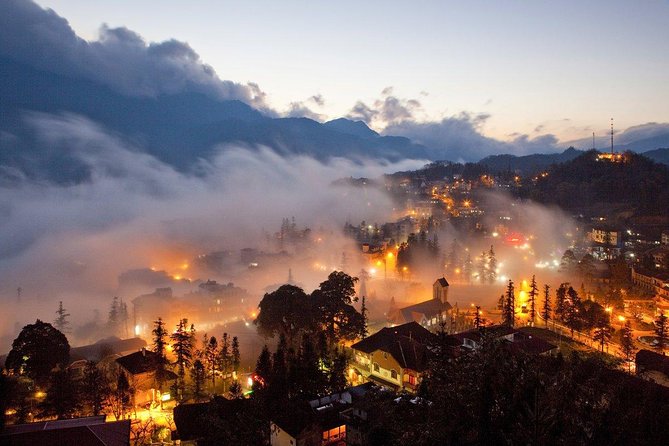
A good Sapa guide doesn’t just point out scenery. They explain what you’re seeing, help you pace the trek, and make the cultural encounters feel respectful and understandable.
This tour includes a local English-speaking guide, and several experiences highlight strong communication—guides like Zua and Khu are mentioned for good English and for leading groups effectively through more challenging terrain. If your confidence is low about trekking, that kind of guidance is a real advantage.
You’ll also benefit from the agency’s human support style. One experience notes help before the trip, with someone like Jenny answering questions in advance. Another mentions Lucy stepping in with help around the train station and even providing snacks. You don’t need a “celebrity guide” for this to work, but you do need responsive support, and this setup aims for exactly that.
For you, the practical takeaway is simple: ask your guide what the next terrain section will be like. If it’s muddy, you’ll want to adjust your pace right away.


Weather, fog, and packing: the real Sapa checklist
Sapa weather is famously changeable, and this tour explicitly tells you to plan for it. Even in the fall and winter months, you should expect cold temperatures, and the notes call out that it’s normally cold in September through March. Fog is also common in December through February (and into March).
So pack for layers, not for one magic temperature. Bring:
- Warm clothes, a scarf, and a hat/cap
- Trekking shoes with good grip
- Sunglasses + sunscreen
- Insect repellent
- A cash reserve in Vietnam Dong, since banking can be unreliable in Sapa
It also helps to have flexibility with payment. The information says US dollars, euros, and Australian dollars are accepted in Sapa. Still, I’d rather you carry Dong as your backup, since you’ll likely need small amounts for drinks and personal expenses.
One more thing that’s worth taking seriously: bring basic medicine. There are chemist shops in Sapa, but it’s easier to start the trek feeling prepared than to stop mid-hike looking for supplies.
Price and value at $139: what you’re really buying

At $139 per person for a 2-day, 2-night-style experience, you’re paying for more than walking. Here’s what’s included:
- Round-trip transport (listed as luxury limousine car between Hanoi and Sapa and also described with an overnight-travel element—confirm which you’ll get)
- 1 night homestay in Ta Van Village
- All meals: 2 breakfasts, 2 lunches, 1 dinner
- Sightseeing fee, tax, and service charges
- Local English-speaking guide
- Pickup offered from the start area in Hanoi
- Mobile ticket
What’s not included:
- Drinks and personal expenses
- Hotel drop-off (end point is around the last stop at 160 Trần Quang Khai Street)
When you compare value, this tour wins if you want an organized, small-group trek where food and guiding are handled. The homestay adds real cultural value, and the village visits are the kind of “on-the-ground” Sapa experience that would cost you time and coordination if you DIY it.
Who this Sapa trek suits best
This is a good fit if:
- You’re a first-time visitor to northern Vietnam who wants a structured cultural introduction
- You care about small-group pacing (the limit of nine people matters on narrow paths)
- You want a homestay experience without having to manage the booking and logistics yourself
- You’re comfortable hiking on uneven, sometimes muddy terrain for part of the day
It may be less ideal if:
- You need hotel-level comfort and predictable facilities at night
- You hate cold weather and can’t layer properly
- You’re expecting a fully relaxed walk with minimal effort
That’s not a flaw. It’s just matching expectations to the reality of Sapa.
Should you book? My decision checklist
Book it if you want guided trekking + village focus + one real night in Ta Van, and you’re okay with the homestay style of lodging. This is the kind of trip that pays off when you show up prepared: warm clothes, good shoes, and cash.
Skip it (or ask harder questions before booking) if your priority is a soft, comfortable, city-like experience throughout. Homestays aren’t hotels, and Sapa’s weather can turn quickly. Also confirm the transport part—whether your route includes an overnight train element or is handled by limousine car—so you’re not surprised by how the overnight travel is arranged.
If you like the idea of walking through Sapa’s village world with a small group and a guide who can explain what you’re seeing, this is a strong value way to do it.
FAQ
Where does this tour start in Hanoi?
The tour start point is Hoàn Kiếm, Hanoi, Vietnam.
Is pickup included?
Pickup is offered, and the tour starts in Hoàn Kiếm.
How many people are in the group?
The group is limited to a maximum of 9 travelers.
Where is the homestay located?
You stay for 1 night at a homestay in Ta Van Village.
What meals are included?
The included meals are 2 breakfasts, 2 lunches, and 1 dinner.
Which places in Sapa are visited?
The trek includes visits to Cat Cat, Lao Chai, Ta Van, Giang Ta Chải, and Su Pan.
Do you get dropped off at your Hanoi hotel at the end?
Hotel drop-off is not included. You’ll be dropped off at the last stop on 160 Trần Quang Khai Street in the Old Quarter, and you can walk back or take a taxi.
What should I pack for Sapa’s weather?
Bring warm clothes plus a scarf and hat/cap, trekking shoes, sunglasses, sunscreen, and insect repellent. It can be cold and foggy in winter months.
Is it easy to cancel if plans change?
Yes. You can cancel for a full refund up to 24 hours before the experience starts, with free cancellation rules stated in the policy.