REVIEW · KATHMANDU
Ghorepani Poonhill Trek -8 Days
Book on Viator →Operated by Himalayan Adventure Treks and Tours Pvt Ltd · Bookable on Viator
Sunrise at Poon Hill is the main event. This 8-day package is interesting because it mixes an easy trek through rhododendron forests and village guesthouses with a full Kathmandu culture day. I love the Poon Hill sunrise payoff and the included TIMS/ACAP paperwork, which removes a big chunk of admin stress. One consideration: you’ll do an early-morning start, so expect shorter sleep and colder pre-dawn air.
You also get a thoughtful travel flow: pick-up at Tribhuvan Airport, 3-star hotel bases in Kathmandu and Pokhara, and then guided hiking with a porter system that keeps the trek realistic for more people than you’d think.
In This Review
- Quick hits before you commit
- Why Ghorepani and Poon Hill still win for first-time trekkers
- Kathmandu arrival: airport pick-up and a culture day that’s actually packed
- The Pokhara transfer day: views and the reset you’ll appreciate
- Nayapul to Ulleri to Ghorepani: rhododendron climbing and village pacing
- Poon Hill sunrise day: when 3210m turns into a memory
- Ghorepani to Ghandruk: the easy descent that feels like a reward
- Getting back to Kathmandu: road segments plus the Manakamana cable car
- Price and value: what $800 really covers (and what it doesn’t)
- What your guide and porter setup changes on the trail
- Practical tips that make the trek feel easier
- Should you book this Ghorepani Poonhill trek package?
- FAQ
- What permits are included for the trek?
- Does the tour include airport pick-up and transfers?
- Where do you stay during the trek?
- Is there a guide and porter included?
- Can I eat vegetarian food on this tour?
- What’s included in the Kathmandu part of the trip?
Quick hits before you commit
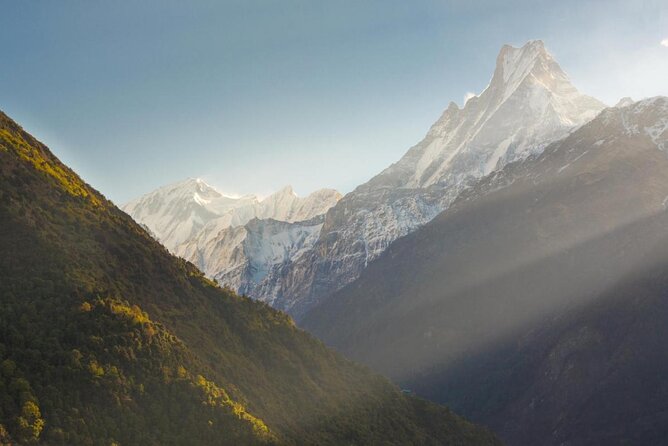
- Poon Hill sunrise built into the schedule at 3210m, with an early hike timed for the view
- Permits handled for you (TIMS and ACAP) so you’re not scrambling in-country
- Hotel comfort at the start and finish with two nights each in Kathmandu and Pokhara (3-star, breakfast included)
- Guide + porter system designed for small groups (1 porter for 2 clients)
- Village trekking with Ghandruk time so the route isn’t just walking between viewpoints
- Manakamana Temple cable car included on the return route via Kurintar, plus scenic road segments
Why Ghorepani and Poon Hill still win for first-time trekkers
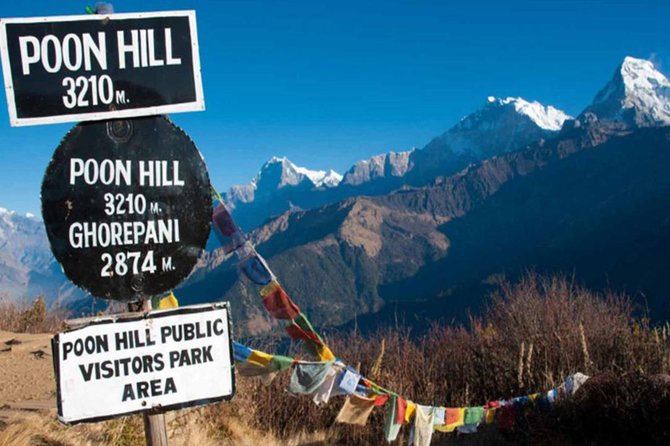
The appeal here is simple: you don’t need technical skills to get big-mountain rewards. The trek runs through well-trodden foothills of the Annapurna region, with a trail that’s generally described as easy, and a route that brings you to one of the most famous sunrise viewpoints in Nepal.
What makes this package especially good value for many people is that it doesn’t stop at the trekking part. You also get time in Kathmandu and Pokhara, so your trip feels like more than just a hiking stamp. Instead of arriving tired and leaving exhausted, you get a structured rhythm: settle in, train your legs gradually, then hit the morning lights over the range.
The one trade-off is that sunrise mornings are not optional. If you’re the kind of person who loves sleep, bring a cozy base layer and treat the early start as part of the bargain.
You can also read our reviews of more tours and experiences in Kathmandu.

Kathmandu arrival: airport pick-up and a culture day that’s actually packed
Your trip starts with an airport meet-and-transfer. You land at Tribhuvan International Airport, and a representative from Himalayan Adventure Treks & Tours takes you to your hotel by private vehicle.
That matters because Kathmandu can feel chaotic if you arrive on your own—traffic, directions, and the general noise are a lot. Having that handoff smooths the first day so you’re not spending energy just figuring things out.
Then comes a Kathmandu day tour that hits key spiritual and historic sites: Pashupatinath, Boudhanath, Swayambhunath, and Kathmandu Durbar Square. This is the kind of day that helps you understand what you’ll be seeing later in the villages and tea houses: Nepal isn’t only about mountains. People here build their daily lives around faith, family, and community spaces.
Practical note: you’ll be walking and sightseeing for a full day, so wear shoes you’ll also feel comfortable trekking in.
The Pokhara transfer day: views and the reset you’ll appreciate
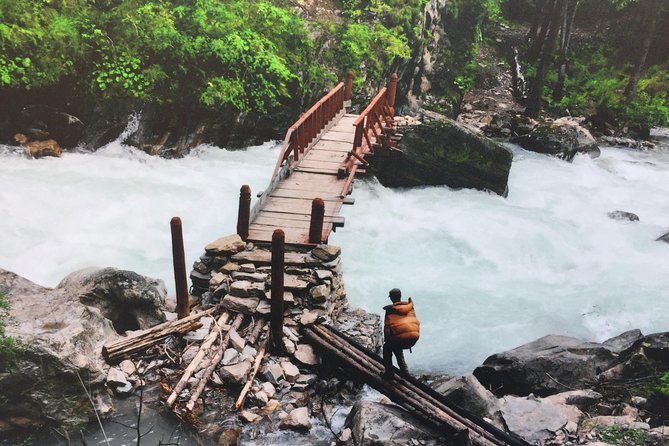
Next, you drive from Kathmandu to Pokhara, taking most of the morning after breakfast. The route gives you a warming glimpse of Pokhara Valley, which is a nice mental switch before you start climbing.
Pokhara is also your launchpad. You don’t just “go from city to trail” in one hop. You get a base with hotel comfort, time to refuel, and a softer landing after travel. That’s a big deal because trekking success often comes down to how well you’re physically and mentally set up on day one of the hike.
Your package includes two nights in Pokhara at a 3-star hotel with breakfast, so you’re not guessing where you’ll sleep after a long drive.
Nayapul to Ulleri to Ghorepani: rhododendron climbing and village pacing
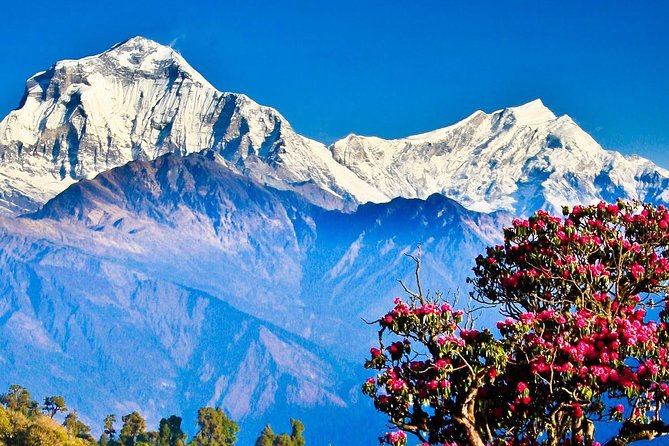
The trek starts after a scenic road ride from Pokhara to Nayapul (at about 1050m). From there, you begin walking gently, first heading to Birethanti (around 1025m). Expect a steady transition from valley life into countryside trails.
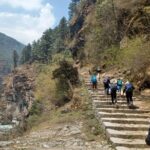
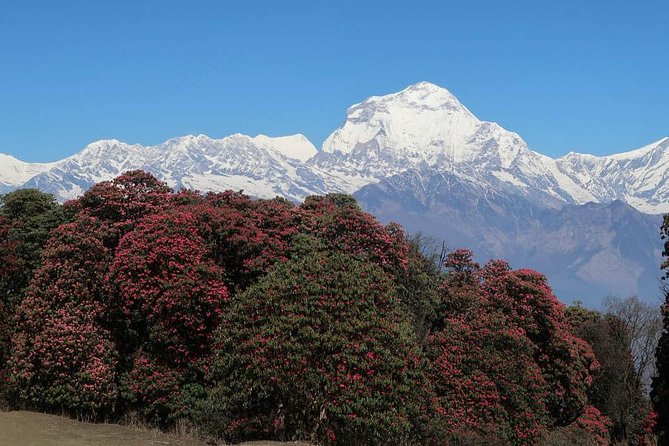
On day four, the hike becomes the real uphill day: you move from Ulleri (1827m) to Ghorepani (2860m). The elevation gain is about 1033 meters, and the trek takes roughly 5–6 hours. This section is known for going through lush rhododendron forests, with villages along the way, including Banthanti and Nangethan.
This is where you’ll feel how the trek is designed for most people’s pace. It’s not presented as a long grind of continuous steepness. Instead, the route gives you breaks through village stops and forest walking, which helps you keep a steady rhythm.
What you’ll be sleeping in during the trek is also handled for you: the package includes lodges/tea houses throughout the hiking portion. Tea houses are usually where you’ll eat, meet other trekkers, and warm up in the evenings. In places like Ghandruk (later in the trip), you also get stronger cultural flavor from Gurung communities, and that’s one reason this trek is so popular.
Poon Hill sunrise day: when 3210m turns into a memory
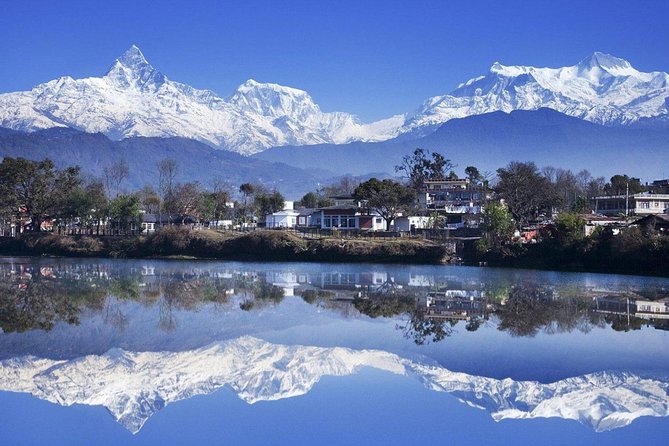
Day five is the marquee moment. It’s built around an early morning hike to Poon Hill (3210m), timed for sunrise. The walking time for the day is about 6–7 hours, so it’s not a quick stroll—but it’s a very doable day if you keep your pace steady.
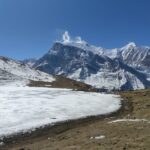
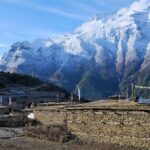
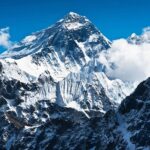
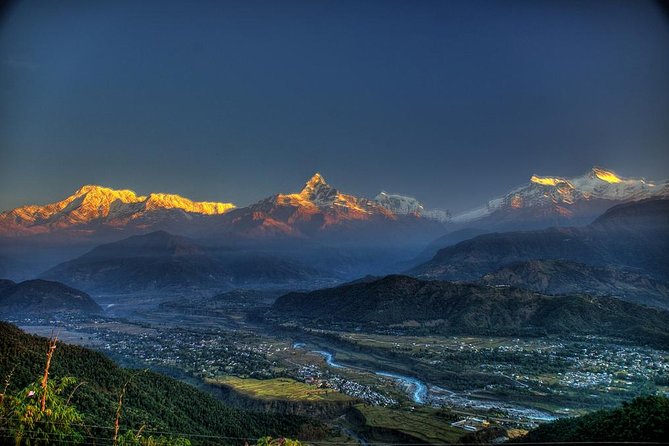
The payoff is panoramic and specific: you look out over the Annapurna and Dhaulagiri range. The views also include a sense of scale around peaks such as Machhapuchhre (6997m), Mardi Himal (5553m), and Lamjung Himal (7454m).
What to know before you go:
- It’s early. Your body will feel “not ready” at first, and then suddenly ready once you’re climbing.
- Bring layers. Even if daytime later feels mild, pre-sunrise can feel sharp.
- You’ll be higher than the day’s main village stops, so take it easy on big efforts. The goal is to arrive for the view, not win a race.
This is also one of the best days for the guide’s value. A good guide keeps you moving at the right speed and helps you time the route for the best chances at light.
Ghorepani to Ghandruk: the easy descent that feels like a reward
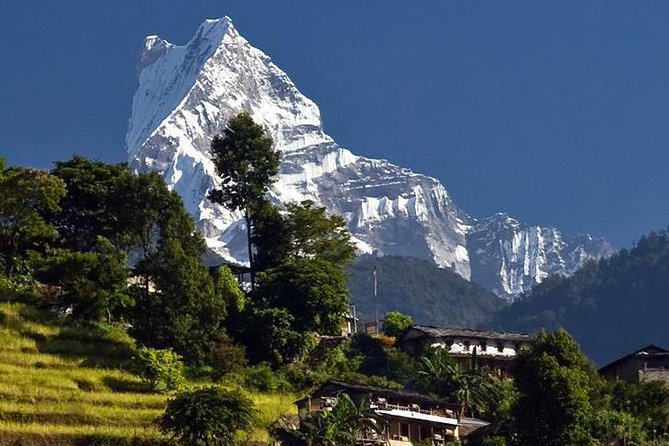
After the big sunrise day, the itinerary shifts into an easier rhythm. The day from Ghorepani down toward Ghandruk is described as an easy descent, passing through oak, rhododendrons, and fir forests.
This is short-walk territory, with enough daytime time to explore Ghandruk village. That’s important because the whole point of adding extra trekking days is to let you actually spend time in a place, not just pass through it.
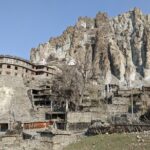
Ghandruk is widely associated with Gurung life, and this trek leans into that. You’ll get a clearer sense of the culture through daily routines you can observe and through conversation in the villages where tea houses are run and staffed by local families.
If you want a “trek that tells a story,” this is the part that helps. Sunrise gives you the mountain moment; Ghandruk gives you the people moment.
Getting back to Kathmandu: road segments plus the Manakamana cable car
After the trekking portion, the schedule turns to the journey home with plenty to see from the road. You head via Damauli, Dumre, Muglin, and Kurintar, where you reach Manakamana Temple by cable car.
That cable car stop is a fun break in the middle of a travel day. It also changes your perspective: instead of climbing, you’re moving across valleys and ridges with views shifting constantly.
Then you continue up toward Thankot, described as the gateway to Kathmandu, and finish with your final transfer to the airport. On the last day, a representative takes you to Tribhuvan Airport roughly 3 hours before your scheduled flight.
That timing is practical. It reduces stress, especially if check-in lines or traffic slow things down.
Price and value: what $800 really covers (and what it doesn’t)
At $800 per person (8 days approx.), the value is strongest when you look at what’s bundled:
Included:
- Airport pick-up and private transfers to/from your hotel
- Two nights in Kathmandu (3-star, breakfast included)
- Two nights in Pokhara (3-star, breakfast included)
- An experienced guide plus a porter (listed as 1 porter for 2 clients)
- TIMS permit and ACAP permit handling, plus paper work
- Trek accommodation in lodges/tea houses
- A duffle bag (returned after the trek)
- Travel and rescue arrangements and a first aid kit
- Meals: 7 breakfasts, plus 4 lunches and 4 dinners
- A last-night farewell dinner at an authentic Nepalese restaurant with cultural performance
- Company T-shirts
- Private setup: only your group participates
Not included:
- Nepal visa fee (you get it in Kathmandu airport)
- International airfare
- Travel/rescue insurance
- Personal expenses (phone, laundry, drinks, battery recharge, hot showers, etc.)
- Tips for guide and porter
So the real question is: does it feel like a fair deal for you? If you’d rather not spend vacation time chasing permits, arranging guides, and figuring out food plans day-by-day, this package saves you that work.
If you already have guide/permit arrangements lined up yourself, then you’d compare line items carefully. But for most people, the bundled logistics are the point.
What your guide and porter setup changes on the trail
One of the best parts of this trip design is the support structure. You’ll go with an experienced guide and a porter system listed as 1 porter for 2 clients. That’s a big help on a route with multiple walking days and varying weather.
The presence of a porter also changes what you pack. Since your duffle bag is included and returned after the trek, you can carry only what you truly need day-to-day and avoid hauling heavy items up every climb.
Also, the company includes travel and rescue arrangements and medical supplies (a first aid kit will be available). That doesn’t mean “don’t be smart” on the trail—it just means your setup has more safety layers than a DIY plan.
Practical tips that make the trek feel easier
A trek can be simple and still challenging. Here’s what helps without overcomplicating it:
- Start the sunrise morning slow. Your goal is to get to the viewpoint in one piece, not to sprint up.
- Layer like you mean it. Pre-dawn temperatures can be colder than you expect at the higher points.
- Bring cash for extras. Your core meals are included, but personal spending is not.
- Use the porter brain. Ask your guide what you can keep in your day bag versus what goes in the duffle. It helps avoid “why am I carrying this” regrets.
- Plan for sightseeing walking in Kathmandu. Your culture day includes major sites, so expect real footwork, not just quick stops.
On the trekking side, the itinerary emphasizes easier walking days and gradual village-to-village movement. That makes this trek a smart choice if you want a classic Annapurna region introduction without jumping straight into a harder, longer route.
Should you book this Ghorepani Poonhill trek package?
Book it if you want:
- a high-impact sunrise that doesn’t require advanced trekking skills
- guided logistics that handle permits and the “how does this work” parts
- time in Kathmandu and Pokhara so your trip feels complete
- a trek paced for most travelers thanks to short to moderate day hiking and support
Skip it (or ask more questions) if:
- you know you hate early mornings and cold starts
- you’re expecting a long, remote wilderness trek with very few village stops (this route is more village-and-viewpoint focused)
- you need a stricter guarantee of exact lodge type, since the package describes lodges/tea houses generally
If you want a first Himalayan trip that’s well organized and still feels authentically Nepal—this one makes a strong case.
FAQ
What permits are included for the trek?
The trek includes TIMS permit and ACAP permit, along with the necessary paper work handled by the company.
Does the tour include airport pick-up and transfers?
Yes. You get pick-up from Tribhuvan Airport and transfer to your hotel by private vehicle, and on the last day you’re taken to the airport about 3 hours before your flight.
Where do you stay during the trek?
During the trekking days, accommodations are provided in lodges/tea houses.
Is there a guide and porter included?
Yes. The package includes an experienced, helpful guide and a porter. The porter arrangement is listed as 1 porter for 2 clients.
Can I eat vegetarian food on this tour?
Yes. A vegetarian option is available—you should advise the company at booking about your dietary needs.
What’s included in the Kathmandu part of the trip?
Kathmandu includes a day tour to Pashupatinath, Boudhanath, Swayambhunath, and Kathmandu Durbar Square. You also stay in a 3-star hotel in Kathmandu for two nights with breakfast.