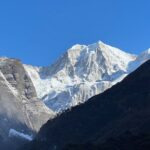
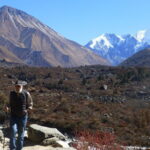
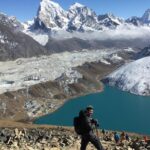
Everest views start long before the big elevations. This trek is built around the classic Everest View route, so you get Mt. Everest, Ama Dablam, and Lhotse in sight at the right moments, plus Sherpa culture stops like Tengboche and Khumjung. I like the way the days are paced around real trail movement, with suspension bridges and pine forests doing their job before you settle into each overnight stop.
Two things I especially appreciate here: the trek logistics are handled for you (permits and key entry cards are included), and most of the day-to-day food is covered with lodge meals and coffee or tea. One consideration: the plan includes short flights around Lukla, but Kathmandu–Lukla airfare is not included, and your personal travel insurance also isn’t part of the price.
In This Review
- Key Points to Know Before You Go
- What the $790 Price Really Buys (and What It Doesn’t)
- Day 1 in Thamel: Setup Day in Kathmandu (No Guesswork)
- Day 2: Lukla Flight and the Gentle Start to Phakding
- Day 3: Namche Bazaar with Suspension Bridges and First Big Everest Views
- Day 4: Tengboche Monastery Views and the Pause That Makes the Trek Feel Human
- Day 5: Manjo via Namche Bazaar (A Backtracking Day That Still Pays Off)
- Day 6: Lukla Return with a Downhill-Then-Up Day
- Day 7 and Day 8: Flight Back to Kathmandu, Then Home
- Cultural Stops: Tengboche, Khumjung, and the Hillary School
- Guides, Safety, and the Practical Side of “Comfort”
- Wildlife on the Route: What You Might Spot (and How to Think About It)
- Meals in Trekking Lodges: What’s Included and Why That Helps
- Price and Logistics: Flights, Drinks, and Tips
- Who This Trek Fits Best
- Should You Book Everest Experience Trek 6 Day Hiking Adventure?
- FAQ
- FAQ
- How many days is the trekking adventure, and why is it 8 days total?
- Where does the trip start in Nepal?
- What part of the experience includes the short flights?
- Is Kathmandu to Lukla airfare included in the price?
- What permits and cards are provided?
- Are meals included during the trek?
- What kind of lodging is provided?
- Is a guide included?
- Do I need my own travel insurance?
- Is a porter included?
Key Points to Know Before You Go
- Everest View route with culture built in: Monastery time, Sherpa villages, and a real sense of place.
- Permits and trek documentation handled: Everest National Park permit, TIMS card, and local entry included.
- Lodge meals included: Breakfasts, lunches, dinners plus tea/coffee keep your budget calmer on trail.
- Licensed guide support: One guide up to five trekkers, plus an extra guide for larger groups.
- Loop-style return through the valleys: Backtracking days help you catch the scenery twice, without rushing.
What the $790 Price Really Buys (and What It Doesn’t)
At $790 per person, this isn’t just a “hike package” in the vague sense. You’re paying for the stuff that usually eats time and causes headaches: permits, planning, guide staffing, transfers, and covered meals on trekking days. The trek is supported with standard trekking lodges, and your itinerary includes daily structure from arrival through the return flight to Kathmandu.
Included costs also matter on a route like this because the paperwork isn’t optional. You get the Everest National Park permit, TIMS card, and Pasang Lhamu Municipality entry. Those pieces help you avoid last-minute scrambling and let your guide focus on the trail.
What’s not included is also important, because it affects your real total budget. International flights aren’t included, and so is the Kathmandu–Lukla and Lukla–Kathmandu airfare. On top of that, the trip doesn’t include travel insurance, drinks beyond the included tea/coffee, or tips. There’s also no porter included, so you’ll want to travel with what you can comfortably carry.
Value check in plain terms: if you’d otherwise have to arrange permits, guide support, and trekking-day meals yourself, this price starts to look like a bargain. If you already have most of that handled and you’re bringing a porter on your own, your savings shrink a bit.
You can also read our reviews of more tours and experiences in Kathmandu.
Day 1 in Thamel: Setup Day in Kathmandu (No Guesswork)
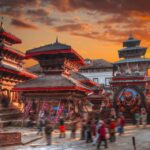
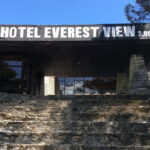
You start in Kathmandu at Tribhuvan International Airport, then head to your hotel in Thamel. This first night is in a 4-star hotel, and you also get briefing and trek preparation time before sleep. I like this approach because it reduces the usual early-trip chaos: you land, get oriented, and wake up ready instead of spending your first morning trying to figure things out.
A small but useful detail: transfers are handled by private tourist vehicles. That means you’re not wrestling public transport right after a flight. It’s a simple comfort, but it adds up when you’re also dealing with the mental shift from city time to mountain time.
Day 2: Lukla Flight and the Gentle Start to Phakding
Day 2 is where the Everest region wakes up. You take a 30-minute flight to Lukla, then begin hiking for about 3–4 hours toward Phakding. The trail follows the Dudh Koshi River, which is a good start if you want a gentler ramp into the trek rather than a hard push right away.
This first hike is also about getting your body into rhythm. You’re not just walking for distance; you’re learning how your pace feels when the air is less forgiving. Suspension bridges and big views come later, but the early section sets the tone: keep it easy, keep moving, and let your breathing settle.
Overnight is in Phakding. That’s a practical base: the village-style lodge setting helps you acclimate while still keeping you close to the main route.
Day 3: Namche Bazaar with Suspension Bridges and First Big Everest Views
Today is one of the key days because it’s both physically and visually memorable. You hike for 5–6 hours to Namche Bazaar, crossing suspension bridges and moving through pine forests. That bridge-crossing mix is one of those things you only learn by doing: yes, the scenery is great, but the real value is in how it forces you to stay focused and steady.
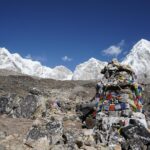
You also get your first real taste of Everest en route. The package is designed so those first glimpses happen while you’re still fresh enough to enjoy them without feeling wrecked.
Namche Bazaar is your overnight stop, and it’s the kind of town where the trek feels more serious without becoming overwhelming. Expect a mix of trekkers, locals, and daily-life energy, with lodge comfort waiting at the end of the walk.
Day 4: Tengboche Monastery Views and the Pause That Makes the Trek Feel Human
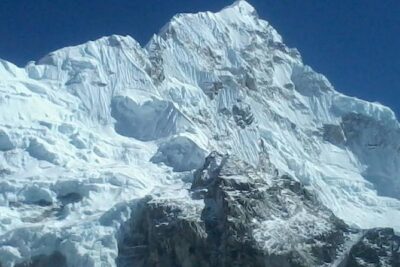
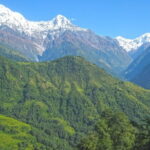
The hike to Tengboche takes about 5–6 hours. The highlight isn’t only the effort; it’s the stop. You visit the Tengboche Monastery, and you also get panoramic views of Everest and Ama Dablam.
This is where the trek becomes more than scenery. Monastery visits in the Everest region are a chance to slow down and understand the spiritual side of mountain life. Even if you’re not deeply religious, the atmosphere tends to make you quieter. And that matters, because you’ll be spending a lot of time looking up.
Overnight is in Tengboche. The practical benefit is that you don’t lose energy by over-traveling on a day meant for both hiking and viewing. You arrive, settle, and let the day’s highlights land.
Day 5: Manjo via Namche Bazaar (A Backtracking Day That Still Pays Off)
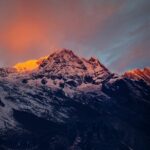
Day 5 is about retracing your steps: 6–7 hours from Tengboche area back to Manjo, with the route passing through Namche Bazaar again. This “go back, but don’t rush” design is smart. You get more time for scenery without changing the core experience, and you also have a second chance to spot details you missed earlier.
The upside for your enjoyment is simple: the second look often hits different. You’re more acclimated than on Day 3, and you’ve got better context for what you’re seeing.
The drawback is also real: backtracking days can feel repetitive if you’re the type who hates returning along the same trail. If you like steady rhythm and want extra time to watch for wildlife and mountain angles, this day makes sense. If you crave brand-new scenery every hour, you might feel the overlap.
Overnight is in Manjo.
Day 6: Lukla Return with a Downhill-Then-Up Day
Today’s hike is 6–8 hours and brings you back to Lukla. The route goes downhill toward Phakding, then includes about three hours up to Lukla. That structure is why the day can feel longer than you’d expect at first glance. Downhill sections can make you fast, but the final climb adds up.
This is a great day for finishing on your own terms. You’ve done enough trail by now that you know your pace, you know how often to stop, and you can spend more time looking for the small things: birdlife, the feel of the trail underfoot, and the mountain shapes that keep reappearing from different angles.
You overnight in Lukla.
Day 7 and Day 8: Flight Back to Kathmandu, Then Home
On Day 7, you fly back to Kathmandu (about 30 minutes). The plan gives you time to explore or just relax. This is a good mental shift after days of walking: you’re back in a place where you can eat what you want, shower properly, and reset.
Day 8 is a short transfer to Tribhuvan International Airport. Then it’s fly back home or join the next program.
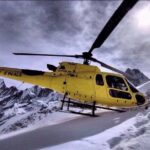
One of the selling points here is that the flight back is part of the experience. Short flights in this region often deliver those last sweeping panoramas, which lets you end the trek with one more visual payoff without adding more hours on the trail.
Cultural Stops: Tengboche, Khumjung, and the Hillary School
This trek isn’t only about altitude and photos. The design includes cultural immersion through Sherpa villages and iconic sites, including Khumjung Monastery and the Hillary School, along with the Tengboche Monastery you’ll visit during the main hiking sequence.
Why this matters: when you’re walking through communities rather than just passing through terrain, you start to see how daily life works in the Everest region. It’s also a reminder that this is an inhabited place, not a backdrop for your bucket list.
You don’t need to be an expert on Buddhist practice or Sherpa history. You just need curiosity and respect for how people live close to these mountains. The time spent at monasteries and schools tends to do more for your understanding than another hour on the trail would.
If you’re going in June or other busy seasons, these sites can also feel lively, with trekkers and locals sharing the same spaces. The best way to enjoy that energy is to keep a steady pace and stay present during the visits.
Guides, Safety, and the Practical Side of “Comfort”
A licensed trekking guide supports you for up to five trekkers, and there’s an additional guide for groups over six. That guide-to-group setup matters because it affects decision-making when weather changes, trail conditions shift, or someone needs a slower pace.
The tour also includes first-aid medicine items and says it comes with comprehensive insurance. Still, it’s smart to bring your own travel insurance, because travel insurance isn’t listed as included. Consider this a separate layer: local trekking coverage versus what happens if your international travel is disrupted.
I also paid attention to how the operator’s team handles communication. In recent feedback, people have praised clear, fast responses from staff members such as Sobit, and another trip credited Ramesh with being a great presence on the route. Even if your guide’s style differs day to day, that kind of back-and-forth support usually translates into smoother pre-trek coordination and fewer surprises.
Wildlife on the Route: What You Might Spot (and How to Think About It)
You might see unique wildlife such as pheasants, musk deer, and Himalayan Thar. That’s exciting, but it helps to keep expectations realistic. Wildlife sightings depend on time of day, trail conditions, and luck.
The practical way to enjoy this part is to slow down on quieter stretches and keep your eyes on edges—near vegetation and along openings where animals might pass through. If you’re scanning constantly, you’ll miss the bigger views. If you never look, you might walk by a chance.
On this route, wildlife feels like a bonus rather than the main event, which is exactly how it should be. You’re there for mountains and villages first, and animals are part of the bonus package.
Meals in Trekking Lodges: What’s Included and Why That Helps
Meals are included for 6 breakfasts, 5 lunches, and 5 dinners, with tea/coffee included alongside the listed meals. That matters because the Everest region can make per-meal costs add up quickly, especially if you’re hungry at the end of a long day.
The tour uses trekking lodges on the Everest View route, so you can expect basic, functional comfort rather than fancy dining. The value isn’t Michelin-level food. It’s the fact that you don’t have to plan where to eat every day.
Also, the package lists seasonable fruits, which is one of those small upgrades that can make a big difference. When you’re exerting yourself daily, fruit and hydration help you feel more like a human and less like a walking checklist.
Price and Logistics: Flights, Drinks, and Tips
Let’s talk money honestly. The package cost covers a lot of trail-day expenses, but three categories often catch people by surprise:
- Kathmandu–Lukla airfare isn’t included
So your total trip budget should include these flights before you commit.
- Drinks aren’t included beyond the tea/coffee
Expect to pay for dessert-level choices and thirst-quenching extras once you’re on trail.
- Porter and tips aren’t included
If you plan to hire additional help, you’ll need to arrange that yourself. Likewise, tips for the crew are on you.
If you’re trying to keep the budget predictable, set a daily amount for snacks and drinks and don’t treat every small purchase as a surprise. You’ll enjoy the trek more when money isn’t constantly tugging at your attention.
Who This Trek Fits Best
This trek suits you if you want the Everest region experience without trying to summit Everest. You’ll get strong views, classic trail features like suspension bridges, and meaningful cultural stops.
It also fits well if you prefer a guided structure with meals and lodging handled. You won’t have to research permits or coordinate daily logistics. Instead, you can focus on pace, breathing, and enjoying each day’s mountain moment.
You might want to rethink if you strongly dislike backtracking sections or if you already know you’ll need a lot of extra logistical support beyond what a small group guide can provide.
Should You Book Everest Experience Trek 6 Day Hiking Adventure?
Book it if you want an efficient route through the Everest View corridor, with monasteries and Sherpa villages built into the trek, and if the idea of short flights plus lodge-based comfort appeals to you. The included permits, guide staffing, and most meals are the big reasons this feels like good value rather than just a marketing name.
Hold off or ask more questions if you haven’t priced the Kathmandu–Lukla flights yet, or if you rely on included travel insurance for peace of mind. Also consider your own packing and carrying comfort since a porter isn’t included.
If you’re the kind of traveler who likes practical structure but still wants authentic days on foot, this trek is a strong match.
FAQ
FAQ
How many days is the trekking adventure, and why is it 8 days total?
The overall schedule runs about 8 days. You’ll spend the middle days hiking, while the first and last days focus on arrival, transfers, and flights between Kathmandu and the Lukla area.
Where does the trip start in Nepal?
You start in Kathmandu, with Day 1 focused on arrival at Tribhuvan International Airport and transfer to a hotel in Thamel.
What part of the experience includes the short flights?
The plan includes short flights of about 30 minutes to Lukla and a 30-minute flight back to Kathmandu near the end of the trek.
Is Kathmandu to Lukla airfare included in the price?
No. The package price excludes Kathmandu Lukla Kathmandu airfare, even though the trek schedule includes those flight segments.
What permits and cards are provided?
You receive the Everest National Park permit, Pasang Lhamu Municipality entry, and a TIMS card as part of the included items.
Are meals included during the trek?
Yes. Meals are included with 6 breakfasts, 5 lunches, and 5 dinners. Tea and coffee are included with the included meals as listed in the program.
What kind of lodging is provided?
You stay in standard trekking lodges along the Everest View route during the hiking days, plus a 4-star hotel in Kathmandu on Day 1.
Is a guide included?
Yes. A licensed trekking guide is included for up to five trekkers, and an additional guide is included for groups over six.
Do I need my own travel insurance?
Travel insurance is not included, so you’ll need to arrange your own.
Is a porter included?
No. A porter is not included in the listed inclusions.