REVIEW · KATHMANDU
Everest Base Camp Trek – Hiking to Mt Everest
Book on Viator →Operated by Adventure Vision Treks and Travels · Bookable on Viator
There’s one trek that feels like it reaches the sky. This private Everest Base Camp hike connects Kathmandu and Lukla with guided days, tea-house nights, and big mountain payoffs at altitude. I especially like the built-in support for the long climb and the way the trip threads Sherpa culture into the walking, not just the summit targets. One thing to think about first: weather and flights to Lukla can shift, and you’ll want to be flexible.
I like that the route doesn’t just throw you into altitude; it builds in acclimatization days in Namche Bazaar and Dingboche. I also like the practical inclusions—guide/porter, most meals, and a medical kit—because it helps you focus on walking instead of logistics. If you’re someone who hates being away from comfy beds for 10+ nights or you’re easily stressed by basic travel uncertainty, you’ll want to plan your expectations carefully.
In This Review
- Key things that make this Everest Base Camp trek worth your time
- Kathmandu: your real start point (and how to use it)
- Lukla flights: efficient access, real-world timing
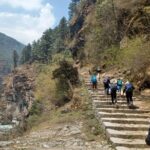
- Phakding to Namche Bazaar: the first altitude test
- Tengboche to Dingboche: monasteries and high views
- Lobuche, Gorak Shep, and Everest Base Camp at 5,363m
- Coming down to Pheriche and easing back toward Namche
- Tea houses, meals, and the feel of real Khumbu trekking
- Guides and porters: the difference between a plan and a trip
- Price and logistics: where the $1,500 per person actually goes
- Who should pick this trek, and who should think twice
- Should you book this Everest Base Camp trek?
- FAQ
- How long is the Everest Base Camp trek?
- What’s the highest point on this itinerary?
- Where does the trek start and end?
- How many nights do you stay in tea houses?
- What kind of lodging is included in Kathmandu?
- What meals are included?
- Who provides support on the trek?
- Is this a private trek?
- What should I budget for that’s not included?
- What physical condition do I need?
Key things that make this Everest Base Camp trek worth your time
- Private group means the pace and timing feel more tailored than on big-group tours
- Two acclimatization stops (Namche Bazaar and Dingboche) help you manage altitude step-by-step
- Tea-house nights in family-run lodges keep the trek grounded and social
- Guide + porter support (with a real team behind it) makes the days smoother
- Kathmandu–Lukla flights both ways save you from extra road time and keep the route efficient
- Backup planning when flights slip is part of how this operator runs things in Nepal
Kathmandu: your real start point (and how to use it)
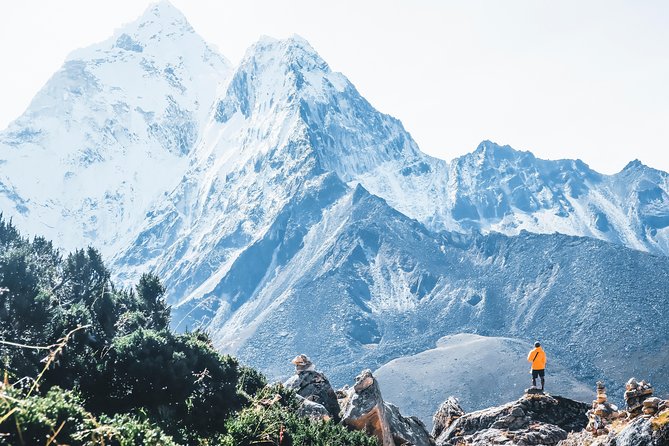
Kathmandu isn’t just a waiting room before the mountains. Day 01 gets you settled with welcome logistics, and Day 02 gives you time to explore the Kathmandu Valley while you prep for the trek. That matters because the EBC route is physical, and you’ll feel the difference when your body has had a day to reset from travel.
You’ll also get a preparatory session before and after arrival, which is a smart way to reduce guesswork. Even if you’re an experienced hiker, Nepal trekking has its own rhythm—food, altitude, and daily timing—and a quick briefing helps you get your bearings fast.
You can also read our reviews of more tours and experiences in Kathmandu.
Lukla flights: efficient access, real-world timing
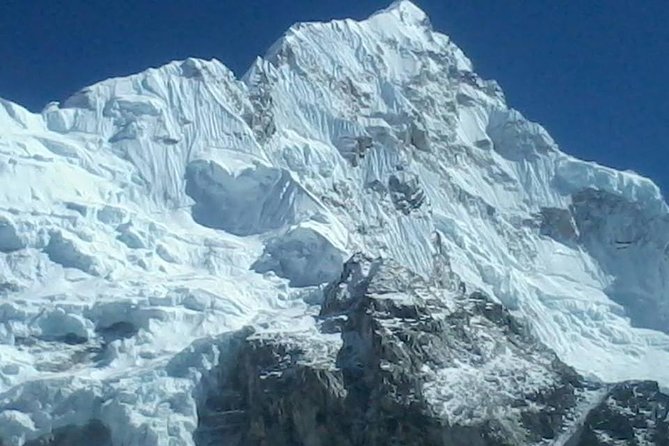
The trek’s “hinge” is Lukla. On Day 03, you fly from Kathmandu to Lukla (about 2,840m), then start walking toward Phakding (about 2,640m). On the way out and back, those Kathmandu–Lukla flights keep the trek focused, but you have to accept that Lukla isn’t a guaranteed-morning-everything-goes-perfect airport.
This operator has handled disruptions with Plan B and professional rerouting when needed—during the first days, the team stayed on top of changes without making it a drama. That’s a big deal because on Everest routes, delays can snowball fast if no one is managing them.
Phakding to Namche Bazaar: the first altitude test
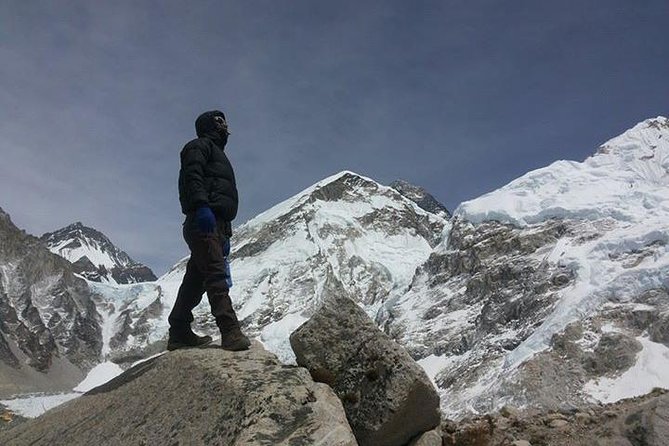
Day 03 is your transition day, dropping you into a trekking pattern right away after the Lukla arrival. Day 04 then climbs from Phakding to Namche Bazaar (about 3,440m). Namche is the classic hub in the Khumbu region—busy enough to feel alive, yet still mountain-country at heart.
Day 05 is an acclimatization day at Namche Bazaar, and you’ll feel how the trek “teaches” your body. Instead of pushing higher every day, you get time to adapt. That one change—slower gains, more adjustment—often makes the difference between feeling fine on the next climb versus feeling wrecked early.
Tengboche to Dingboche: monasteries and high views
On Day 06, the hike continues from Namche Bazaar to Tengboche (about 3,867m). Tengboche is known for its monastery area, and it’s a nice moment to experience the culture in a place tied to daily mountain life. It also gives you a break from pure altitude grind—because you’re walking through a spiritual landscape where Sherpa life has a rhythm you can actually notice.
Day 07 takes you up to Dingboche (about 4,350m). This is where the route starts feeling more serious. The air thins, the climbs get steeper, and your body asks for slower effort.
Day 08 is another acclimatization day, this time at Dingboche. Two acclimatization days on the first half of the trek is a good sign. It means the plan is built to help you arrive at higher elevations with more control—and fewer reckless decisions.
Lobuche, Gorak Shep, and Everest Base Camp at 5,363m
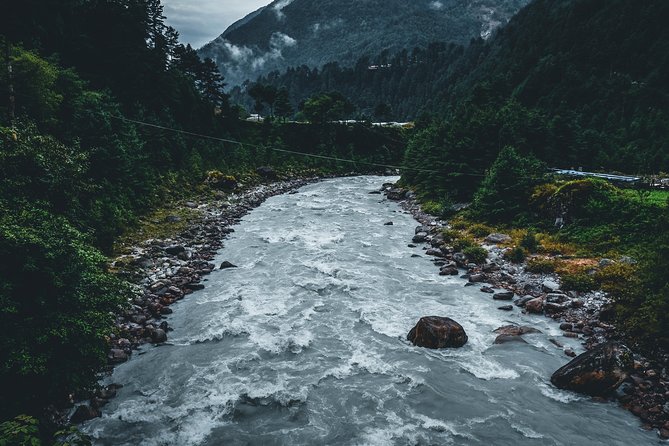
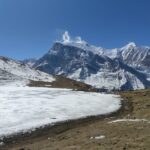
Day 09 climbs from Dingboche to Lobuche (about 4,931m). The scenery gets sharper and more dramatic as you gain height, and you’ll likely start feeling the thin-air effect during stops. Day 10 is the big day: Lobuche to Everest Base Camp through Gorak Shep (around 5,170m on the way, with EBC at 5,363m).
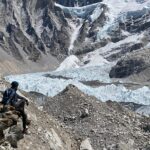
This is the day most people dream about. You’re walking into the world most famous mountain is famous for—big glaciers, harsh beauty, and a staging area where logistics, science, and human effort meet the mountain. Even if you’re not chasing speed, this is where the trek becomes more than exercise; it becomes a memory.
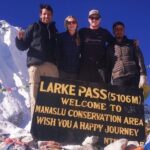
I also like that your plan includes a clear “follow-through” after EBC rather than turning it into a one-and-done sprint. Day 11 continues with a trek to Kalapatther (about 5,545m) and then down to Pheriche (about 4,210m). That high point gives you a final taste of altitude views, and the descent afterward gives your body a chance to recover.
Coming down to Pheriche and easing back toward Namche
Day 12 takes you from Pheriche back to Namche Bazaar. It’s a crucial rhythm reset: you’re still trekking, but the grade often feels kinder after the Everest Base Camp day. This is also when you’ll feel the value of having a guide and porter team. When legs get heavy, it helps to have someone managing pace and timing so you don’t burn yourself out.
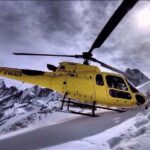
Day 13 then brings you from Namche Bazaar to Lukla. Day 14 is your early morning scenic flight back to Kathmandu, followed by an exploration day in the Valley. That last day in Kathmandu is more than sightseeing—it’s how you come down slowly, sleep better, and refuel after altitude.
Day 15 is departure, so you’re not left scrambling to arrange travel at the last minute.
Tea houses, meals, and the feel of real Khumbu trekking
The overnight stay pattern is 11 nights in tea houses during the trek, plus 3 nights in star accommodations in Kathmandu. Tea houses are family-run in many parts of the route, and that’s why they feel less like hotels and more like a mountain community. You eat, you talk, you compare aches, and you watch the weather shift from the window when you’re not sure how the next climb will go.
Food is included: breakfast, lunch, and dinner during trekking days. Drinks and beverages cost extra, so budget for water and any hot drinks you want to treat yourself with. Meals matter on this route because you need steady energy, and the plan avoids forcing you to make every meal decision on the trail.
Guides and porters: the difference between a plan and a trip
Your success here isn’t only about legs. It’s about daily support—someone carrying load, someone guiding pace, and someone solving problems when the mountain decides to change the schedule.
This trek includes a guide and porter for the trek, and that support is exactly what shows up in the operator’s track record. Names you may hear in the team include Jiban (the owner), and guides like Tony, Tika, and Durga Kadel. The common thread is responsiveness and care: when flights and bookings get adjusted, the team handles it professionally so the trek keeps moving.
If you’re traveling solo or with a small group that wants structure, this setup is a big confidence boost. You’re paying not just for a map, but for day-to-day decision-making.
Price and logistics: where the $1,500 per person actually goes
At $1,500 per person for about 15 days, the price may feel steep at first glance. But when you unpack it, it includes several costly, time-consuming pieces: airport pickup/drop in Kathmandu, Kathmandu hotel nights with breakfast, tea-house nights with breakfast, meals (breakfast/lunch/dinner during trekking days), guide and porter, and the Kathmandu–Lukla return flight tickets.
It also includes a comprehensive medical kit, government and local taxes, and the prep sessions. That’s real value because trekking in Nepal has practical risks, and having supplies organized ahead of time reduces stress.
Not included items are straightforward: visa cost, international airfare, drinks/soft drinks, insurance cost, and personal expenses/tips/shopping. If you’re the kind of traveler who spends freely on drinks and extras, your “real cost” may drift upward a bit.
Bottom line: you’re paying for an organized Everest Base Camp route where most moving parts are handled for you.
Who should pick this trek, and who should think twice
This is built for people with moderate physical fitness. You’ll be hiking at increasing elevations, with multiple days in the 3,000m+ range and a highest trek point on the route around 5,545m at Kalapatther, plus Everest Base Camp at 5,363m.
So this is a great fit if:
- you want a structured EBC experience with acclimatization built in
- you’re okay with tea-house lodging and basic mountain comforts
- you want a private group, not a crowded trekking bus
It might be less ideal if you:
- get anxious about flight schedules and want everything guaranteed
- have trouble with long, steep hiking days at altitude
- dislike the idea of carrying yourself (and your gear) through a multi-day mountain routine
Should you book this Everest Base Camp trek?
I’d book it if your priority is a well-run EBC route: guided pacing, acclimatization days that make sense, and support that keeps problems from turning into chaos. The strongest reason to choose it is not just reaching Everest Base Camp—it’s how the plan supports you along the way, from Kathmandu prep to Lukla logistics and tea-house nights.
If you’re a confident hiker and want maximum freedom, you could do this independently. But if you want the mountain experience without wrestling every detail, this private, team-supported trek is a strong value at the price point.
FAQ
How long is the Everest Base Camp trek?
The trek is listed as approximately 15 days, including flights and time in Kathmandu.
What’s the highest point on this itinerary?
Everest Base Camp is at 5,363m, and the route also goes up to Kalapatther at about 5,545m.
Where does the trek start and end?
You begin in Kathmandu, fly to Lukla, trek to Everest Base Camp, return to Lukla, and then fly back to Kathmandu.
How many nights do you stay in tea houses?
The itinerary includes 11 night tea house accommodations during the trekking days.
What kind of lodging is included in Kathmandu?
It includes 3 night star accommodations with breakfast in Kathmandu.
What meals are included?
Breakfast is included in Kathmandu and during trekking days. During trekking, lunch and dinner are also included; drinks are not included.
Who provides support on the trek?
The trek includes a guide and porter for the trek.
Is this a private trek?
Yes, it’s described as private, with only your group participating.
What should I budget for that’s not included?
Visa cost, international airfare, insurance cost, drinks and beverages, and personal expenses/tips/shopping are not included.
What physical condition do I need?
The guidance is moderate physical fitness. The route involves steady hiking to high elevations, so you should be prepared for long days and altitude.