Two weeks, one big mountain payoff. The Manaslu Circuit trek is a serious hike with big views plus quieter, Tibetan-influenced villages. I like that the route mixes high passes with real village days, so the trip feels more like moving through places than just checking boxes. One thing to consider: the long days and high-altitude acclimatization days mean you should plan to move at a steady pace and take the schedule seriously.
What makes this trek especially interesting is how it balances challenge with time to adjust. You’ll get an English-speaking guide, porter help for your duffel bag, and teahouse lodging, so you can focus on the walking instead of logistics. I also like the extra support around permits and day-to-day essentials like first-aid access and purified drinking water.
The main drawback is simple: you’re paying $1,900 for a full service package, and it still won’t cover personal gear, travel insurance, or your Kathmandu-side comfort besides the welcome and farewell dinners. If you’re trying to keep costs ultra-low, this one may feel pricey.
In This Review
- Key Highlights I Think You’ll Care About
- Manaslu Circuit: Why This Trek Feels Special on the Ground
- Kathmandu Start in Thamel: Getting Oriented Without Extra Stress
- From Kathmandu to Machha Khola: The Drive That Sets the Tone
- Jagat: River Trails, Suspension Bridges, and a Classic Trek Day
- Deng and Gorkha Link: Early Rise Energy and River-Valley Walking
- Namrung and Shyala: Villages With Big-Peak Backdrops
- Samagaun: The Acclimatization Heart of the Circuit
- Samdo and Dharamsala: Tibetan-Border Days and Slower Breathing
- Larkya La Pass: The High-Altitude Test Day
- Tilche to Besisahar: Meadows, Forests, and the End of the Big Circuit
- Permits, Teahouses, and Purified Water: What the Package Handles
- Price Check: Is $1,900 Good Value for This Circuit?
- Who Should Book Manaslu Circuit, and Who Should Think Twice
- Should You Book This Manaslu Circuit Trek?
- FAQ
- How long is the Manaslu Circuit trek?
- Where does the trek start and end?
- Is airport pickup and drop-off included?
- Do I get an English-speaking guide?
- Is a porter included?
- What kind of accommodation do you stay in during the trek?
- How is drinking water handled on the trek?
- What meals are included?
- What permits are included?
- What’s not included in the price?
- What’s the cancellation policy?
Key Highlights I Think You’ll Care About
- High pass focus on Larkya La Pass with an early start day designed for a demanding crossing
- Acclimatization built into Samagaun, Samdo, and Dharamsala, so you’re not rushed through altitude changes
- Porter support with a 2:1 guest-to-porter ratio, easing the load on your body
- Teahouse/guesthouse stays on twin-sharing basis, practical for a trek at this scale
- Manaslu Conservation Area + restricted area permits included, so you don’t have to hunt paperwork mid-planning
Manaslu Circuit: Why This Trek Feels Special on the Ground
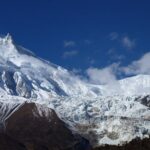
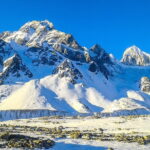
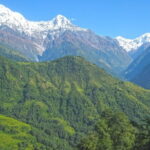
Manaslu Circuit is one of those treks where the scenery and the culture both pull their weight. You’ll move through the Manaslu Conservation Area, where the walking rhythm alternates between river valleys, forested sections, and alpine meadows. The best part is that you also get Tibetan-influenced culture along the way, which helps explain why villages here feel different from the more famous Nepal trekking routes.
The trek also has a good pace for people who don’t want to rush. It’s not just one long slog from day one to the highest point. Instead, you’ll see multiple rest and acclimatization days, especially around the higher, border-adjacent sections. That matters because high altitude doesn’t care how motivated you are.
Finally, the group size cap is 16 travelers, so this usually feels manageable rather than chaotic. You’ll still share tea houses and trails, but you’re less likely to get lost in a crowd.
You can also read our reviews of more tours and experiences in Kathmandu.
Kathmandu Start in Thamel: Getting Oriented Without Extra Stress
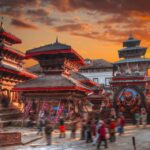
Your trek begins and ends in Kathmandu, with the meeting point listed at Kathmandu Business Hotel in Thamel. The practical win here is that airport pickup and drop-off are included, and the welcome/farewell dinners are taken care of in Kathmandu. After a flight, that can make the first hours much easier—less time negotiating taxis, more time getting your bearings.
You’ll also get introduced to Nepal’s culture right away. That’s not a throwaway line; having a guide or representative meeting you tends to reduce the first-day friction that can throw off your sleep and hydration. Since trekking works best when you start calm, these small logistics add up.
One detail worth noting: the package does not include Kathmandu accommodation or meals beyond the welcome and farewell dinners. So if you want a smoother hotel buffer day before you start walking, you’ll be paying for that separately.
From Kathmandu to Machha Khola: The Drive That Sets the Tone
On the second day, the trip switches from city life to trail life with a scenic drive toward Machha Khola (spelled Machha Khola in the plan). This day is built like a transition. You’ll pass through rural villages and green hills, and you’ll start to see how the trek follows the rhythm of the Budhi Gandaki River system.
This is the kind of day I appreciate before actual altitude work begins. It’s long enough to feel like you’ve started the journey, but it’s not the hardest part of the physical load. If you’re the type who gets stiff when you don’t move early, this is a good day to keep your stretches simple and your water intake consistent.
Jagat: River Trails, Suspension Bridges, and a Classic Trek Day
Day three takes you from Machha Khola to Jagat along the Budhi Gandaki River trail. You’ll cross multiple suspension bridges, pass terraced fields, and walk through areas that feel agricultural and lived-in rather than tourist-only.
Suspension bridges are one of those trek details that sound small until you’re on them. They can add a bit of mental energy—one hand for balance, slow steps, quick breath check. I like that this portion helps you settle into the trekking tempo without jumping straight to the highest elevations.
If you’re sensitive to vertigo, take it slow on bridges and keep your eyes on your feet. The path itself is usually straightforward, but your comfort matters more than speed.
Deng and Gorkha Link: Early Rise Energy and River-Valley Walking
From Jagat, the schedule includes a day that rises early and heads toward Deng (with Gorkha appearing in the plan as part of the stage description). The route threads through river valleys and lush forests.
This is where you start to feel why the Manaslu Circuit is described as more sedate than some big-name Nepal routes. Sedate doesn’t mean easy. It means you’re not constantly pushed into a frantic pace to stay on track. Forest and valley walking tends to be steady: climb gradually, then regain rhythm.
The trade-off is that forested days can hide steep moments under the canopy. Your effort still ramps up even if the scenery feels calmer.
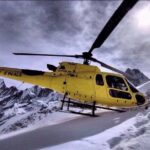
Namrung and Shyala: Villages With Big-Peak Backdrops
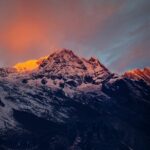
The trek continues to Namrung and then to Shyala, both with around six-hour trekking days in the plan. The character of this area is “village + mountains” in a very practical way: you’re walking between traditional settlements, and the peaks keep showing up behind them.
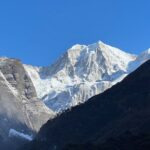
Namrung is a strong stop for panoramic views as the trail ascends. Shyala is described as a village encircled by majestic peaks, which is exactly what you want on a mid-trek day. It gives you a reason to slow down when you arrive, instead of just crashing.
One thing I’d watch: these days often feel good until the next big shift in altitude plan. Keep your legs fresh and don’t celebrate too hard at tea-house time. (Good tea and soup are great. Just don’t turn it into an all-night nap session.)
Samagaun: The Acclimatization Heart of the Circuit
You reach Samagaon (Samagaun in the summary text) and then spend an extra day there for acclimatization. In your itinerary, this shows up as two days in the same village, which is a clear signal: this is not a place to rush through.
Samagaon is described as a large village with deep cultural heritage and stunning mountain views. It’s also where you’ll find the option to trek toward Manaslu Base Camp. Whether you choose the optional side hike or not, the logic stays the same: you’re using the day to help your body adjust.
This is one of my favorite kinds of trekking design. Instead of forcing every hiker to push harder, it gives you a structured buffer. If altitude hits you, this kind of timing can make the rest of the circuit feel safer and more enjoyable.
Samdo and Dharamsala: Tibetan-Border Days and Slower Breathing
After Samagaun, the plan moves you to Samdo, a village near the Tibetan border. Then you spend more time in that area for acclimatization, and later you have a day mapped to Dharamsala with another acclimatization element.
The tone here is different. You’re dealing with rapid shifts in altitude and you’re also trekking near an international-border region. Even without exact altitude numbers in the plan, the schedule itself tells you to expect thinner air and to prioritize pacing.
This is also where your trekking technique becomes important. Keep steps steady, shorten your stride on steeper bits, and don’t try to out-walk the altitude. Your guide’s job is to manage timing, and English-speaking guidance matters most on these days because you’ll want clear calls about when to rest.
Larkya La Pass: The High-Altitude Test Day
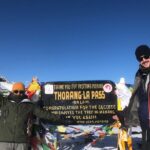
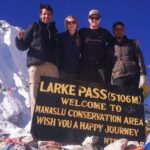
Day twelve is the signature moment: Larkya La Pass. The plan lists it as the highest altitude you’ll get on this trek and highlights that the day starts early because the crossing is demanding and rewarding.
This is not a day to treat casually. Early starts help because conditions often change fast as the day goes on. The combination of steep effort and thin air is where you’ll see who paced well in earlier days.
What I’d take from the plan is the structure: this is scheduled as a long day (around nine hours) with a clear focus on reaching the pass safely. If you’ve been keeping your hydration and eating consistent, you’ll likely feel more in control. If you’ve skipped breaks or rushed earlier climbs, you’ll pay for it here.
Once you reach the other side, the achievement is real. But don’t let adrenaline make you careless. Keep your steps measured as the terrain changes.
Tilche to Besisahar: Meadows, Forests, and the End of the Big Circuit
After the pass, you trek onward toward Tilche, described as moving from Bimthang to Tilje Village through alpine meadows and lush forests. Then you transition toward Dharapani, and from there you drive to Besisahar, finishing with a ride back to Kathmandu.
This part matters because it changes your mental load. After a big pass day, walking can feel both easier and tricky: your body is tired, but the trail may involve lots of varied terrain. Mealtime matters, and so does how you manage downhill days. Downhill can be harder than the uphill if your quads are already cooked.
You’ll also want to enjoy the final stretch. The trek plan ends with returning to Kathmandu and transferring back to the meeting point, so you’re closing the loop instead of disappearing into the countryside without a clean finish.
Permits, Teahouses, and Purified Water: What the Package Handles
This trek is built as a supported itinerary, not just a suggested route. Permits are included, including the restricted area permit, and administrative expenses and government taxes are covered. That’s a big deal for value, because permit paperwork and delays can derail your plan.
On lodging, you stay in teahouses/guesthouses on a twin-sharing basis. That’s typical for this area, and it keeps the trip realistic without adding heavy logistics.
Drinking water is handled too: the package includes purification using a water purifier or chemical tablets. Bottled water and other beverages are explicitly not included, so you’ll want to plan for that. The good news is you’re not traveling totally blind on water access.
English-speaking guidance and first-aid treatment in emergencies are included. You’re still responsible for your own pace and health, but having support on the trail reduces stress.
Price Check: Is $1,900 Good Value for This Circuit?
At $1,900 per person for about 15 days, this trek isn’t cheap. The question is what you’re buying.
You’re paying for a bundle of “hidden costs” that add up fast on trek planning: guides, porter support (2:1 ratio for your duffel), permits (including restricted area), teahouse lodging structure, and purified water steps. You also get airport pickup and drop-off plus welcome and farewell dinners.
If you were organizing this yourself, you’d still pay for permits, a guide, and basic support to walk a route like this. The porter help alone is a meaningful value for many people because it reduces the load you carry while your body adapts to high altitude.
On the other hand, the price doesn’t cover Kathmandu hotel nights or meals other than the welcome/farewell dinners. It also doesn’t include international flights, a tourist visa, travel insurance, or evacuation costs. So your real total budget depends on those items.
Who Should Book Manaslu Circuit, and Who Should Think Twice
This is a strong fit for people with moderate physical fitness who want a classic Himalayan circuit with cultural layers. The schedule’s acclimatization days make it reasonable for hikers who want structure rather than constant pressure.
You’ll probably enjoy this most if:
- You like village-based trekking where daily life shows up around you
- You’re comfortable taking rest and acclimatization seriously
- You want support built into permits, water, and trail guidance
Think twice if:
- You’re hoping to carry almost nothing and move very slowly. Porters handle your duffel, but you still have to do the hiking day after day.
- You want a budget-only trip. This is a supported package with a premium price tag.
Should You Book This Manaslu Circuit Trek?
Yes—if you want a well-managed trek where the hardest days are planned, not improvised. I’d book it if you’re the type who values permits handled, a guide who can keep the pacing clear, and purified water support that reduces guesswork. The Larkya La Pass day is a real reason to choose this circuit, and the acclimatization structure around Samagaun and Samdo helps you arrive there with less stress.
Skip it if you’re trying to keep costs down after adding flights, visa, and insurance. Also skip it if you want to freestyle every day. This route works best when you follow the plan and trust the pacing.
If you want, tell me your travel month and your hiking level (roughly: 5 km/day, 10 km/day, etc.). I can help you judge whether the schedule suits your body and how to prepare for the pass day.
FAQ
How long is the Manaslu Circuit trek?
The duration is listed as about 15 days, and the overview also describes it as a 16-day trek.
Where does the trek start and end?
It starts at the Kathmandu Business Hotel in Thamel, Kathmandu, and the activity ends back at the meeting point.
Is airport pickup and drop-off included?
Yes. Airport pickup and drop-off are included for both domestic and international travel.
Do I get an English-speaking guide?
Yes. An English-speaking guide is provided throughout the trek.
Is a porter included?
Yes. A porter carries your duffel bag, with a 2:1 guest-to-porter ratio.
What kind of accommodation do you stay in during the trek?
You stay in teahouses/guesthouses on a twin-sharing basis.
How is drinking water handled on the trek?
The package includes purified drinking water using a water purifier or chemical purifying tablets.
What meals are included?
Lunch is included for 14 days, dinner for 14 days, and breakfast for 15 days. Welcome and farewell dinners are included in Kathmandu.
What permits are included?
All permits required for the trek are included, including the restricted area permit.
What’s not included in the price?
Not included: Kathmandu accommodation or meals other than welcome/farewell dinner, international flights and airport departure tax, private transfers from Kathmandu to the trek starting location and from Besisahar back, bottled water or beverages, tourist visa, travel insurance and emergency evacuation charges, plus personal expenses and gear.
What’s the cancellation policy?
Free cancellation is available up to 24 hours in advance for a full refund. If canceled due to poor weather, you’ll be offered a different date or a full refund, and it can also be canceled if the minimum traveler count isn’t met.