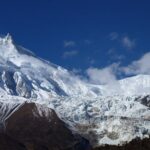
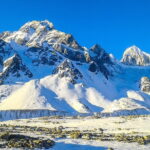
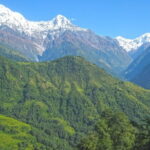
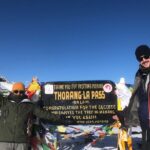
Everest views start before the first climb. This 13-day Everest Base Camp trek in Sagarmatha National Park blends a classic Lukla arrival, Sherpa village days, and an early push to Kala Pathar (5550m) for big Everest sightlines. I like that you’re not left to sort paperwork or logistics alone, with an English-speaking guide and all required permits handled for you.
What I really like is the pacing and the way the days build toward the high points without feeling random. You’ll spend time in places like Namchebazar and Sherpa villages for adjustment, then move through Tengboche, Dingboche, Lobuche, and Gorakshep on a route that keeps changing the scenery and effort.
One caution: this trek is physically demanding, especially with thin air on the Kala Pathar day and a strenuous approach to Everest Base Camp. If your fitness or altitude comfort is shaky, you’ll feel it—so be honest with yourself before you commit.
In This Review
- Key things I’d highlight before you go
- From Thamel to Sagarmatha: what this 13-day plan really gives you
- Kathmandu heritage days: Thamel, Durbar Square, Pashupatinath, and Boudhanath
- Lukla to Phakding: the first descent that sets your tempo
- River valleys, suspension bridges, and Namchebazar ascent
- Sherpa village adjustment plus Tengboche monastery day
- Dingboche to Lobuche: steep days near Khumbu Glacier moraine
- Gorakshep and Kala Pathar (5550m): the morning that earns its hype
- Everest Base Camp day: going to the start line for big dreams
- The return down: Dingboche to Namchebazar to Lukla
- Price and logistics: what $1,000 covers—and what it doesn’t
- Guides and small-group pacing: where the trip feels easy (or not)
- Packing and altitude smart moves for Kala Pathar and Everest Base Camp
- Who should book this Everest Base Camp trek
- Should you book this Everest Base Camp experience?
- FAQ
- Is airport pickup and drop-off included?
- Are domestic flights included?
- What kind of accommodation is provided during the trek?
- Do I need to handle permits myself?
- Is a porter included?
- How many people are in a group?
- Are meals included?
- Is travel or rescue insurance included?
- What fitness level do I need?
Key things I’d highlight before you go
- Kala Pathar (5550m) early morning for some of the strongest Everest and surrounding-peak views in the whole trek
- Licensed English-speaking guide plus permits taken care of, so your time is spent walking, not filling forms
- One porter for 2 trekkers to keep your load manageable on steep and rocky sections
- Teahouse stays in private rooms during the trek for a little dignity at the end of each day
- Small group size (max 15) which helps keep trail pressure more comfortable
- Kathmandu heritage intro (Thamel, Durbar Square, Pashupatinath, Boudhanath) so the trip starts with context
From Thamel to Sagarmatha: what this 13-day plan really gives you
This is the kind of Everest Base Camp trek that feels complete because it doesn’t treat Kathmandu like a quick stop. You begin with an evening walk in Thamel and a guided welcome, then you spend real time seeing medieval Kathmandu sites like Durbar Square, Pashupatinath, and Boudhanath before you fly out. That matters because you’re not only buying a hike—you’re stepping into the region’s culture first.
The walking portion is built around classic Khumbu rhythm: river valleys, suspension bridges, pine and rhododendron stretches, then higher rocky days near the glacier moraine. You also get a clear payoff moment that’s not subtle: the early climb to Kala Pathar at 5550m, timed for the best chance at Everest-sized views.
You’ll also appreciate the practical touches that keep things smooth. Airport transfers use a private vehicle, domestic flights handle the steep geography you’d otherwise spend days climbing, and the trek stays in teahouses with private rooms so you’re not rolling the dice on comfort every night.
You can also read our reviews of more tours and experiences in Kathmandu.
Kathmandu heritage days: Thamel, Durbar Square, Pashupatinath, and Boudhanath
Day 1 is an easy landing. You’re picked up at the international airport, driven to your hotel, then taken for a meandering evening walk around Kathmandu heritage sites with your guide. You get to meet your guide and get a briefing day underway over dinner, which helps you move into the trek with less confusion.
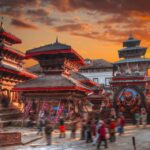
Day 2 is the culture day. You’ll visit Kathmandu Durbar Square, Pashupatinath, Nepal’s largest Buddhist stupa at Boudhanath, and then add monkey temple time before another evening stroll around Durbar Square. Even if you’re mostly thinking about mountains, this day gives you context for what you’re passing by and who you’ll meet on the trail.
Practical note: sightseeing entrance fees in Kathmandu are not included, so expect to pay those directly. If you hate surprises, set aside a small buffer for temple tickets and any extra costs that pop up while you’re out.
Lukla to Phakding: the first descent that sets your tempo
On day 3, you fly from Kathmandu to Lukla. From the plane you get dramatic Himalaya glimpses, then you land and start descending toward Chheplung village. The trek begins with a gentler rhythm—enough to get your legs working while your mind is still processing the altitude and scale.
After that first descent, you continue to Phakding for the night. This stretch is where you learn the basics of movement: where the trail is steady, where it’s uneven, and how quickly you need to slow down to stay comfortable.
Your first village night also matters more than you think. You’ll settle into teahouse life early, and that makes the later nights in higher places less shocking. The overnight stays are in private rooms, which is a big deal when you’re tired and want to actually rest.
River valleys, suspension bridges, and Namchebazar ascent
Day 4 follows the Dudhkoshi and Bhotekoshi rivers, crossing suspension bridges along the way. If you like trekking that mixes effort with constant changes in scenery, this is a good day for you. The route moves up through a pine forest and aims you toward Namchebazar.
Namchebazar is a key hub—think of it as your first “real” altitude check without feeling thrown into extremes. If you manage your pace well, you’ll arrive feeling alert rather than wrecked. The included flight and trek structure supports that by giving you multiple days to adjust before the big high-altitude work.
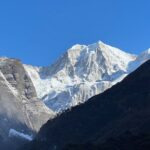
On day 5, you’ll lean into adjustment. The schedule explicitly includes time in a Sherpa village for acclimatization, with excellent mountain-view opportunities. You should expect big sightlines toward Everest, Lhotse, Nuptse, Ama Dablam, Kongde, and Thamserku during this day, so you’re not just “sitting”—you’re also seeing the payoff while your body gets used to the altitude.
Sherpa village adjustment plus Tengboche monastery day
The middle stretch is where the trek starts feeling more like a journey through named places rather than a continuous grind. You’ll trek down toward the Dudhkoshi river through rhododendron forest, then climb up to Tengboche. That up-and-down is a useful way to teach your lungs to work while your legs keep finding rhythm.
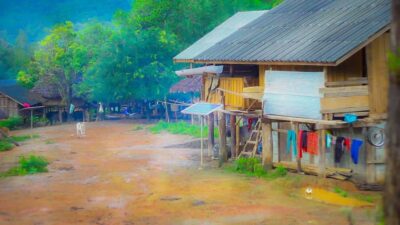
Tengboche is also a cultural stop. You visit Tengboche monastery and have a chance to take pictures with Everest and Amadablam in view. Even if you don’t care about monasteries, the value here is the pause: a moment to slow your breathing, regroup, and enjoy the fact that you’re moving through a living community.
Day 7 continues upward through Birch, pine, and rhododendron forest to Devuche, including a crossing of the Imja river. Then it moves through Pangboche and finishes at Dingboche for the night. Dingboche is where the trek starts to feel more high-country than forested valley, and that shift is part of why this route is so satisfying.
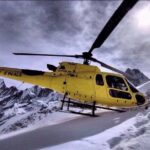
Dingboche to Lobuche: steep days near Khumbu Glacier moraine
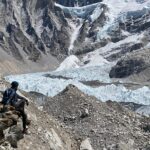
Day 8 is a bigger push. You’ll trek steeply to Dughla and Chupki Lhara along the Khumbu Glacier moraine, then the trail flattens as you approach the Lobuche valley. This is one of the days where having a porter helps a lot, because steep sections can turn “manageable” into “annoying” fast if you’re carrying too much.
This is also the kind of day where your guide’s experience matters beyond directions. You’re moving through terrain that can look simple in daylight but feels different once your pace slows and your breathing changes. A good guide helps you keep your effort steady.
On day 9 you’ll shift toward Gorakshep, dropping bags at the lodge before hiking up toward Kala Patthar. The route goes through rocky dunes, streams, and moraine. The day is strenuous, but it’s staged so you reach the main viewpoint near the time you want for the best views.
Gorakshep and Kala Pathar (5550m): the morning that earns its hype
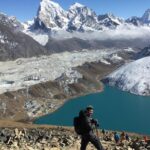
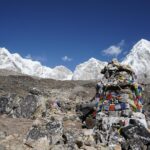
Kala Pathar is the moment you’ll remember. This trek includes an early morning hike to the viewpoint area at 5550m, where air is thin and effort is real. The payoff is that Everest (8848m) and the surrounding peaks can sit right in front of you, making it feel almost unreal.
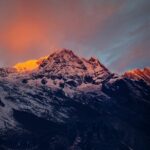
This is also where photos become more than souvenirs. When the light hits just right and weather cooperates, the mountains look sharp and immediate. Even if you don’t chase perfect pictures, it’s a day where you’ll want to slow down and actually watch, not just snap and rush.
And yes, the base camp itself is impressive—but the Kala Pathar day is the one that often feels more personal. It’s higher, more exposed, and more “you vs. altitude,” and that can turn it into the emotional peak of the whole trek.
Everest Base Camp day: going to the start line for big dreams
Day 10 takes you to Everest Base Camp through glacier moraine early in the morning. You’ll spend time at base camp and then return to Gorakshep to carry your backpack before continuing down to Pheriche. The walk back is still active, but it’s no longer the same kind of pushing you did earlier.
Pheriche is where the trek starts rewarding you for keeping your energy. Your plan includes a warm, heavier dinner there, which is the practical version of comfort: after thin-air walking, you want good calories and enough recovery to sleep.
If you’re the type who likes checking boxes, this is the day that satisfies that urge. If you’re the type who likes the trail more than the destination, you’ll still get plenty of that here—because the moraine terrain and changing light keep the experience moving.
The return down: Dingboche to Namchebazar to Lukla
Day 11 brings a return route via Dingboche and Tengboche. You’ll cross back through forests described as alive with birds and butterflies, then cross the Dudh Koshi river and ascend toward Namchebazar. This day can feel easier than the climb days because you already know the “shape” of the trek now.
Namchebazar overnight is a psychological win. You’ve regained a familiar hub, and that makes the final stages feel like you’re working toward finishing instead of endlessly pushing higher.
Day 12 is your descent to Lukla. You’ll go down to the Dudhkoshi river, cross tributaries, and pass Sherpa settlements on a busy trail. The trail energy shifts here: you see more people, more movement, and you start thinking about Kathmandu again rather than the next altitude step.
Price and logistics: what $1,000 covers—and what it doesn’t
At $1,000 per person for a 13-day trek, you’re paying for a package that includes the biggest logistical headaches. You get Kathmandu airport pick-up and drop-off, domestic flights Kathmandu to Lukla and back, teahouse accommodation in private rooms, and a licensed English-speaking guide. You also get permits and necessary paperwork for Sagarmatha National Park and other required permits, plus local taxes.
You’re also getting porter support: one porter for 2 trekkers. That reduces fatigue and keeps you from stuffing your pack with every comfort item you wish you’d brought later.
What’s not included is important for your budget. All meals and drinks are not included during the trek or in the city, and personal expenses like phone calls, bar bills, bottled water, WiFi, and battery charges are also on you. Hot shower access isn’t included either. Travel and rescue insurance is not included, and trekking equipment isn’t provided.
So the value question becomes: can you budget for meals, gear, insurance, and small extras? If yes, the package pricing can feel fair because flights, permits, and guide/porter support are where costs add up quickly in Nepal.
Guides and small-group pacing: where the trip feels easy (or not)
This trek is capped at a maximum of 15 travelers, which matters on narrow mountain trails. A smaller group tends to spread out naturally, so you’re less likely to feel constantly stuck behind someone moving slower than your pace.
The guide is a core part of the experience. The trip includes one English-speaking, government-licensed trekking guide who’s meant to add geographic and biodiversity context as you walk through Sagarmatha National Park. When guides are patient with your pace on steep days, you feel safer and more relaxed, especially on thin-air climbs.
The names Bimal and Ganesh come up in the guidance people talk about for this operator, and both are described as supportive and flexible. In practice, that kind of attitude shows up in small ways: adjusting the moment when you need to catch your breath, helping you understand what you’re seeing, and keeping the day moving without rushing you.
Packing and altitude smart moves for Kala Pathar and Everest Base Camp
You’ll be trekking in high altitude conditions, including a climb to Kala Pathar at 5550m. Plan for cold mornings, thinner air, and long stretches that add up quickly. Layers are not optional; neither are gloves and a warm hat, because early starts mean you feel temperature changes fast.
Bring a pack you can control. With one porter for 2 trekkers, you can still carry essentials, but don’t turn your pack into a second backpack of “just in case” items. The more you haul, the more you’ll notice it during steep moraine and rocky stretches.
For altitude, follow the rhythm you’re given. This route includes adjustment time in places like Namchebazar/Sherpa village and builds toward higher points with a mix of climbing and descending. It’s not just convenience—it’s how you keep your body working well enough to enjoy the views later.
Who should book this Everest Base Camp trek
Book this if you want the classic Everest Base Camp experience with structured guidance and fewer decision headaches. It’s a strong choice if you like teahouse trekking, want private rooms at night, and care about seeing major Khumbu landmarks rather than just reaching one point.
It’s also a good fit if you enjoy a mix of culture and walking—Kathmandu heritage days plus Sherpa villages and a monastery stop give the trip more depth than a mountain-only schedule.
Rethink if you’re not ready for sustained climbs and high-altitude strain. This trip expects strong physical fitness, and the thin-air day to Kala Pathar is not the time to discover you hate being breathless.
Should you book this Everest Base Camp experience?
I think you should book it if you want a well-structured trek that handles the big logistics: flights, permits, a licensed guide, private-room teahouses, and porter support. The inclusion of domestic flights and permit paperwork alone saves you from a lot of Nepal admin stress right when you’d rather focus on prep and pacing.
I’d only skip it if you’re aiming for fully catered meals, included hot showers, or a low-effort schedule. Since meals, drinks, and personal costs are not included—and the altitude work is real—you’ll enjoy the trek more if you come prepared and budget smart.
If you’re ready to work for those Everest sightlines and treat the days between Kathmandu and Kala Pathar as part of the story, this is a solid way to do Everest Base Camp.
FAQ
Is airport pickup and drop-off included?
Yes. The package includes airport pick up/ drop in a comfortable private vehicle in Kathmandu.
Are domestic flights included?
Yes. Domestic flights from Kathmandu to Lukla and from Lukla back to Kathmandu are included.
What kind of accommodation is provided during the trek?
Tea house accommodation is included, with private rooms during the trek.
Do I need to handle permits myself?
No. The trip includes necessary paperwork and permits, including Sagarmatha National Park permits and other required permits.
Is a porter included?
Yes. One porter is included for 2 trekkers.
How many people are in a group?
The maximum group size is 15 travelers.
Are meals included?
No. All meals and drinks are not included during the trek and in the city (the package lists breakfast as included for 2 days).
Is travel or rescue insurance included?
No. Travel and rescue insurance is not included.
What fitness level do I need?
The tour notes that you should have a strong physical fitness level.