REVIEW · SAPA
Local Experience in Sapa trekking tours
Book on Viator →Operated by Asia Vacation Travel · Bookable on Viator
The mountains have a way of resetting you fast. This Sapa trekking tour is built around village visits and a calm homestay stay, with terraces and Muong Hoa Valley views you can’t really copy on your own. I especially like the small-group pace and the chance to connect with local ethnic life through Y Linh Ho, Lao Chai, Ta Van, and Giang Ta Chai. The one drawback to plan for is the physical effort: it’s a real trek with an overnight in a local setting, so you’ll want a decent fitness level.
I also like that the trip is organized around practical pickups, clear village time blocks, and an English speaking guide. If you’re joining via Hanoi, the sleeping bus link helps you stitch city time to countryside hiking without lots of extra coordination. And from what I’ve seen in guide recommendations, people often call out Su May and careful planning for comfort and safety.
Before you book, check the room setup. The tour includes a dormitory option, while private sleep and private bathroom upgrades cost extra, so you’ll want to choose what fits your budget and comfort.
In This Review
- Key Things I’d Block Time For
- Why This Sapa Trek Feels More Real Than DIY
- Price and Logistics: What the $55 Covers (and What It Doesn’t)
- Meeting Time and Pickup Plans (Sapa Town vs Hanoi Old Quarter)
- Day 1: Sapa to Y Linh Ho and Lao Chai (Black H’mong and Dzay Villages)
- Ta Van Village in Muong Hoa Valley: Where the Quiet Shows Up
- The Hanoi Sleeping Bus Stop: Why It’s Included (and How to Plan It)
- Day 2: Giang Ta Chai Village and the Red Dzao Connection
- Homestay and Dormitory Reality: Comfortable Expectations, Realistic Setup
- Village Time, Tickets, and the Role of Your English Guide
- Who This Trek Is For (and Who Should Rethink It)
- Should You Book This Sapa Trek From Asia Vacation Travel?
- FAQ
- What is the duration of this Sapa trekking tour?
- How much does the tour cost?
- Where does the tour start?
- What time does the tour start?
- What is included in the price?
- Is the Hanoi–Sapa transfer included?
- Does the tour include the last day dinner?
- What type of accommodation is provided?
- How many people are in the group?
- Is free cancellation available?
Key Things I’d Block Time For
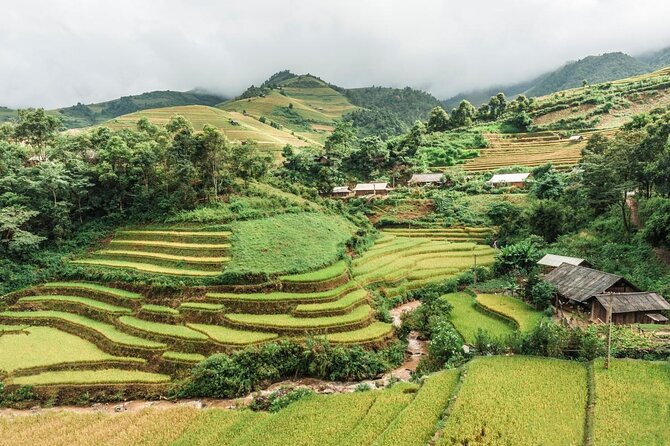
- Y Linh Ho with the Black H’mong: time to slow down and see everyday village rhythm
- Lao Chai and Ta Van: Dzay communities and the most scenic stretch of Muong Hoa Valley
- Giang Ta Chai (Red Dzao): a longer village visit that feels less rushed than short photo stops
- Homestay-style overnight: shared dorm stays plus food included (dinner, two lunches, two breakfasts)
- Max 15 people: small enough for questions, big enough for an easy group flow
- Pickup options: either Sapa town start or an Hanoi Old Quarter sleeping bus connection
Why This Sapa Trek Feels More Real Than DIY

I get why you’d consider doing Sapa trekking on your own. The area is famous, routes are easy to Google, and you can always hire a guide for a half-day. But this format is different because it’s designed to string together multiple ethnic villages with an overnight stay—so you’re not just hiking past places, you’re spending time in them.
What I like is the balance: you get structured stops (with entrance fees handled) and enough time at each village to notice the small stuff. That matters in Sapa, where a quick roadside glance usually misses the real story—how people live with the terraces, how daily routines shape the trail, and how the landscape changes with the village altitude.
There’s also a built-in pacing benefit. Since it’s small group and guide-led, you’re not constantly negotiating meeting points, paying separately for tickets, or trying to line up a safe return. You still get the countryside experience, but with fewer stressful logistics.
You can also read our reviews of more tours and experiences in Sapa.

Price and Logistics: What the $55 Covers (and What It Doesn’t)

At $55 per person for about 2 days, the core value is straightforward: meals, entrance tickets, and an English guide plus accommodation. You’re also getting a schedule that moves through several villages without you having to plan each turn.
Here’s what’s included:
- Dinner
- Two lunches and two breakfasts
- All entrance fee tickets
- English speaking guide
- Accommodation in a dormitory
- Pickup offered (based on where you start)
What’s not included:
- Sapa ↔ Hanoi sleeping bus transfer: $24 USD per person round trip
- Dinner on the last day, beverages, and tips
- Personal expenses
- Optional upgrades: private sleep with shared facilities costs extra, and private bathroom bungalow costs extra
- If you switch to overnight train, there’s an added pickup fee for the sleeper train option
The smart way to think about the price is this: $55 is the trekking + village + homestay package. Your total cost only jumps if you add (1) the Hanoi transfer leg and/or (2) privacy upgrades.
One practical note: transfers need advance planning. The tour asks you to contact them before a few days if you want to book Hanoi–Sapa transportation.
Meeting Time and Pickup Plans (Sapa Town vs Hanoi Old Quarter)
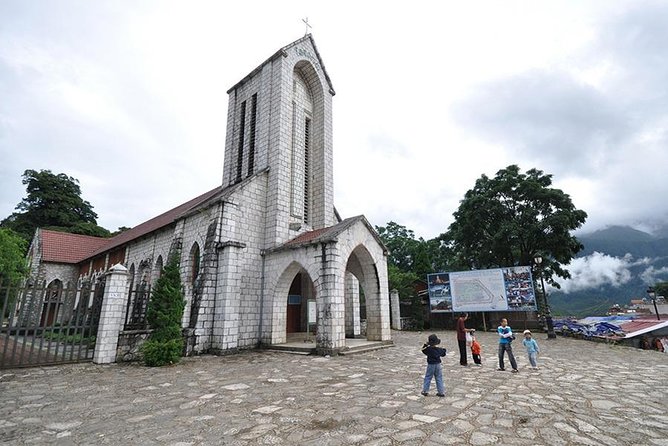
The trip starts early, with a 6:00 am start time. If you’re already in Sapa, you can join from a Sapa start point or request pickup at your hotel in Sapa town (tell them at least 1 day ahead).
If you’re starting from Hanoi, there’s a pickup window in the Hanoi Old Quarter area at 21:00–22:00 for the sleeping bus. The bus ride is about 6 hours, with two short breaks. It’s not a full day of sightseeing, but it’s a practical way to gain time for the trek.
To make this run smoothly, they ask you to send your hotel info in Hanoi Old Quarter or your Sapa hotel at least 1 day before. If you don’t want day-of stress, do this promptly after booking.
Day 1: Sapa to Y Linh Ho and Lao Chai (Black H’mong and Dzay Villages)
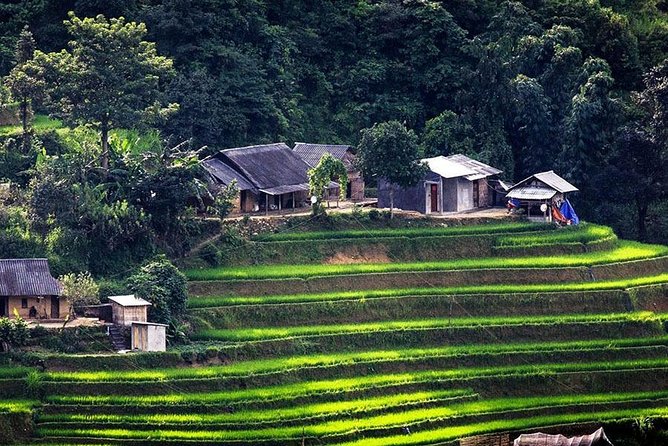
Day 1 begins with pickup in Sapa—either from a bus station or directly from your Sapa hotel. From there, the first real village stop is Y Linh Ho, home of the Black H’mong. You’ll have about 1 hour 30 minutes here.
This stop is a great choice if you want Sapa to feel more than scenic views. In a guided visit, you can ask basic questions about village life and how farming and daily routines fit into the terraces. The time block is long enough that it doesn’t feel like a speed-walk through a tourist checklist.
Next comes Lao Chai, the village of the Dzay people, again with about 1 hour 30 minutes. This part of the route is where you start noticing how the terraces stitch the villages together. It’s also where photos can tempt you to rush—so I recommend slowing down and watching how the trail connects to homes and fields.
The main drawback with any village-heavy day is fatigue. If you’re prone to getting tired quickly, bring water and wear shoes that handle uneven ground comfortably. The route isn’t described as extreme, but the walking adds up.
Ta Van Village in Muong Hoa Valley: Where the Quiet Shows Up

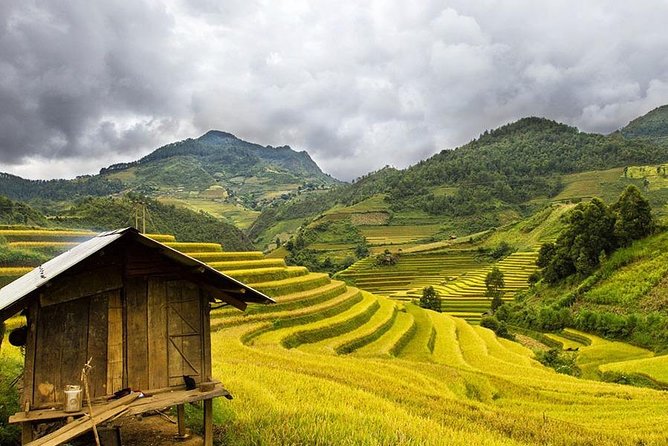
After Lao Chai, you head to Ta Van Village, another area tied to the Dzay people. You’ll have about 1 hour 30 minutes here, and it’s described as one of the most beautiful stretches in Muong Hoa Valley.
This is often the part of the day that feels like a reward. The views tend to open up, the village feels calmer, and the walk gives you time to take in how people live alongside the terraced fields.
What I like about Ta Van in this itinerary is that it’s not just a scenic stop. It fits into the village-to-village theme of the trip, so you’re learning the human side of the landscape, not only collecting viewpoints.
If you want the best experience here, pace your photos. Pick a couple of angles, then spend the rest of the time talking or simply observing the way the village moves.


The Hanoi Sleeping Bus Stop: Why It’s Included (and How to Plan It)
One confusing-looking piece of the schedule is the Hanoi Old Quarter pickup entry. The tour includes a bus pickup at 21:00–22:00, and the ride takes about 6 hours, with short breaks.
Here’s how to use that in your planning: treat it like the transportation bridge between Hanoi and Sapa, not a normal sightseeing stop. If you’re taking the bus, you’ll likely be using the night hours to travel and save daylight for trekking.
This matters because the trek starts early. If you arrive in Sapa the night before, you avoid wasting the first day. If you plan to skip the bus and stay somewhere else, you’ll need to handle your own timing.
Day 2: Giang Ta Chai Village and the Red Dzao Connection

Day 2 starts with Giang Ta Chai Village, home of the Red Dzao. You’ll spend about 3 hours here, which is the longest village block on the second day.
That longer time is one of the biggest practical advantages of the itinerary. A 3-hour visit gives you enough breathing room to actually get conversations going and to understand daily life patterns, not just point, look, and move on.
You’ll finish back in Sapa town to either wait for your return bus to Hanoi or end the tour in Sapa. There’s a short 30 minutes window on the schedule, so keep your evening plans light if you’re continuing onward.
Homestay and Dormitory Reality: Comfortable Expectations, Realistic Setup

The overnight side of this tour is built around a local house/homestay-style experience, with accommodation in a dormitory included. That can be a highlight for you if you like simple travel: basic rooms, shared space, and a chance to slow down with people who live there year-round.
The tour also includes dinner and the next day’s meals, so you’re not scrambling for food after the trekking. Still, I’d plan mentally for a “local comfort level,” not a hotel experience.
If you want more privacy, there are upgrades:
- Private sleep (shared bath room and toilet): extra $30 USD per room/ night
- Overnight in a bungalow with private bathroom and toilet: extra $40 USD per room/ night
This is one of those budget trade-offs that’s worth thinking through early. If you’re the type who needs a quiet reset after a long day, paying for privacy can make the whole trip feel easier.
Village Time, Tickets, and the Role of Your English Guide
An English speaking guide is included, and that changes everything about the value of a village trek. Without language support, most visitors end up sticking to short visual observations. With a guide, you can ask simple questions and get straight answers, which makes your time feel connected instead of performative.
I also like the small-group limit of maximum 15 travelers. It’s enough to keep it social, but not so large that you get separated into a chaotic line. In a place like Sapa, where trails and village paths can get crowded fast, a small group is a sanity saver.
From guide recommendations, Su May is one name that shows up positively for organization and care. And Hoa is another name tied to the planning side, including getting people safely organized before and during their trip.
Who This Trek Is For (and Who Should Rethink It)
This tour is recommended for young people and anyone who likes trekking with an overnight in a local house setting. It also asks for moderate physical fitness.
You’ll likely love it if:
- you want a multi-village Sapa experience instead of a single hike loop
- you care about homestay-style nights and simple local lodging
- you want an organized plan so you can spend energy on the trail and village time
You might want to rethink it if:
- you hate dorm-style shared accommodation
- you need private bathroom or a quiet hotel-like environment without upgrades
- you’re looking for a purely relaxed stroll with zero effort
The best match is someone who’s comfortable with basic travel and open to slower, human-scale moments.
Should You Book This Sapa Trek From Asia Vacation Travel?
If your goal is an authentic, guided Sapa trekking tour with real village time and an overnight homestay-style stay, this is a strong option. The $55 package price works because it folds in tickets, meals, guide support, and accommodation. Then you can add the Hanoi transfer and privacy upgrades only if you want them.
My rule of thumb: book it if you’re okay with dorm accommodation and you like the idea of learning through the route. Don’t book it if you’re expecting a luxury stay or you want a fully private setup without paying extra.
If you do book, send your hotel info early so pickups are smooth. And if you care about comfort, decide upfront whether private sleep or a bungalow upgrade is worth it for your budget.
FAQ
What is the duration of this Sapa trekking tour?
It runs for about 2 days.
How much does the tour cost?
The price is $55.00 per person.
Where does the tour start?
You can start from Sapa town (pickup at your hotel or from Sapa Friendly Inn & Travel) or connect from Hanoi Old Quarter by sleeping bus pickup.
What time does the tour start?
The start time is 6:00 am.
What is included in the price?
Included are dinner, two lunches, two breakfasts, all entrance fee tickets, an English speaking guide, and accommodation in a dormitory.
Is the Hanoi–Sapa transfer included?
No. The Sapa–Hanoi sleeping bus transfer costs $24 USD per person round trip and must be arranged separately.
Does the tour include the last day dinner?
Dinner on the last day is not included.
What type of accommodation is provided?
Accommodation is included in a dormitory. Private sleep and private bathroom bungalow options cost extra.
How many people are in the group?
The maximum group size is 15 travelers.
Is free cancellation available?
Yes. You can cancel up to 24 hours in advance for a full refund. If you cancel less than 24 hours before the start time, the amount paid is not refunded.