REVIEW · KALAW
3Days Less Touristic Way Trekking from Kalaw To Inle
Book on Viator →Operated by Rohit Kalaw Trekking · Bookable on Viator
Three days, less-touristic, more real.
This Kalaw to Inle walking tour focuses on two village homestays and keeps things practical with backpack transfer, so your body can do the walking instead of lugging gear. The route also has a clear weather reality: if rain hits hard, the forest section may get shortened or skipped, which you’ll want to factor into expectations.
What I like next is how the day-by-day pace stays human. You start around 7:30am, you get guided breaks, and you’re moving through farmland, tribal villages, and forest corridors that feel local instead of staged. One possible drawback to keep in mind: Day 3 includes a longer final walk (about 15–16 km, roughly 4 hours), so you’ll want decent walking stamina even though meals and transfers are handled.
Small groups help a lot here. The cap is 10 travelers, and that usually means more time for conversation with your guide and the people you meet along the way, including plant knowledge and village introductions from guides such as Rohit (and sometimes Min Min). The payoff is getting to Inle Lake with a convenient boat transfer instead of a stressful scramble for transport.
In This Review
- Key things you’ll notice on this trek
- Kalaw to Inle on foot: why this route feels less touristy
- Price and value: what $31 really buys you
- Starting in Kalaw: your 7:30am kickoff and what to expect
- Day 1: Kalaw outskirts, rain forest (when weather allows), and Hin kha gone
- Day 2: countryside views, vegetable plots, Lamine–Pinn nwe, and Hti Tain monastery
- Day 3: the 15–16 km western lake approach and the boat ride into Inle
- Homestays and village time: how to get the most out of the overnight
- Your guide: what makes the experience click (Rohit and Min Min)
- Pacing, packing, and weather: the real-world checklist
- Who should book this Kalaw to Inle trek
- Should you book 3Days Less Touristic Way Trekking from Kalaw To Inle?
- FAQ
- What is the duration of the Kalaw to Inle trek?
- What time does the trek start in the morning?
- Is pickup from my hotel included?
- How large is the group?
- What’s included in the price?
- How do you get to Inle Lake at the end?
- Does weather affect the trekking route?
- What happens if I need to cancel?
Key things you’ll notice on this trek
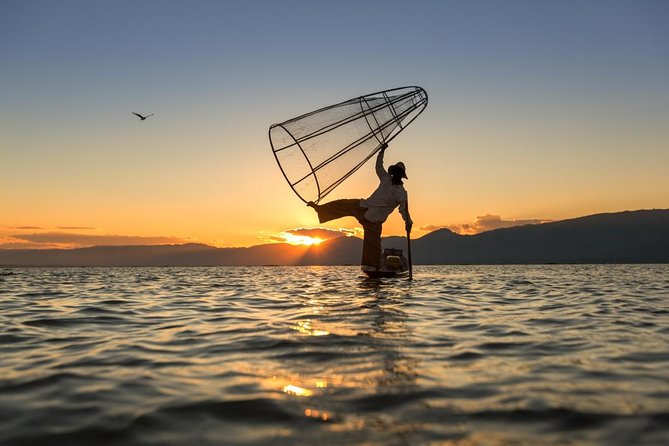
- Max 10 people means your guide can actually talk, not just herd.
- Two nightly homestays give you overnight life with local families, not just a stop-and-photo moment.
- Backpack transfer reduces the weight you carry, especially on uneven paths.
- Meals are included (breakfasts, lunches, and dinners) so you’re not improvising food every day.
- Boat transfer to your Inle hotel ties the walk to Lake Inle smoothly.
- Weather can change the forest route, so bring a rain-ready mindset.
Kalaw to Inle on foot: why this route feels less touristy
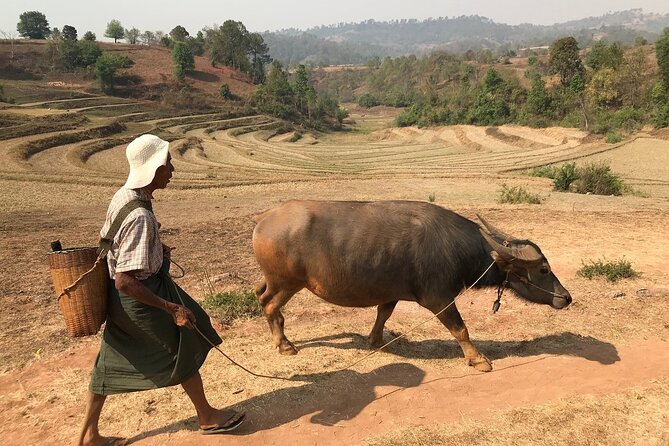
This trek is built around the parts of the Kalaw–Inle corridor that most people only see from a car window. You walk through rolling farmland, tribal villages, and stretches of rain forest, with days that follow the rhythm of everyday agriculture—vegetable plots, seasonal views, and quiet footpaths that connect communities. It’s not a highlight-bus tour. It’s a walk-with-people tour.
I also like that the experience is structured around staying in two homestays instead of bouncing between hotels. That matters because you’re not just passing through. You’re sharing meals and downtime, and you’re more likely to have real conversations rather than quick greetings and onward movement.
There’s a gentle honesty in how the itinerary treats weather. Day 1 notes that the rain forest segment depends on conditions; if you get a shower, you might not pass through that section. I’d treat that as part of the deal, not a failure. It’s better to adjust the route early than to suffer through slippery trails for the sake of an exact line on a map.
You can also read our reviews of more tours and experiences in Kalaw.

Price and value: what $31 really buys you
At around $31 for 3 days, the best value isn’t the “cheap” part. It’s what’s bundled: homestays, meals, water, backpack transfer, and the boat.
Let’s break down why that matters:
- Meals are handled: you’re covered with breakfasts all three mornings, lunches across the three trekking days, and dinners on the two homestay nights. When meals are included, you save money, but more importantly you avoid energy crashes from hunting food on a schedule.
- Backpack transfer reduces strain: that’s a big deal on uneven, sometimes muddy sections where weight turns a manageable hike into a grind.
- Boat transfer at the end: your final move into Inle is done by boat, which makes sense for the lake region and reduces the risk of an extra day of scrambling for transport.
- Small group size: even if you don’t think about it at booking time, having fewer people means more flexible pacing and fewer crowded moments.
What you should budget extra for is not spelled out as a long laundry list. The tour notes say all fees and taxes aren’t included, and the Day 3 boat transfer mentions an admission ticket not included for that lake-jetty portion. Practically, you should bring some cash for small add-ons and be ready for the occasional local fee that isn’t in the package.
Starting in Kalaw: your 7:30am kickoff and what to expect
The tour begins at 7:30am, starting from your hotel in Kalaw. From the start, it’s clear this is a walking itinerary with guidance, not a self-guided trek you’re handed and forgotten.
You’ll pass out of town and into greener areas right away. Day 1 is structured around forest-adjacent walking when conditions allow, then a stop at Hin kha gone, associated with the Palaung ethnic group. After lunch, you keep moving toward Myin taik station and on to ywar pu.
Two practical notes I’d underline for your own day-planning:
- Because you start early, you’ll want to eat breakfast the way you normally would—not skipping it and then paying for it later.
- Bring clothing and gear for sudden showers. The itinerary literally acknowledges that rain affects whether you pass through the rain forest.
Day 1: Kalaw outskirts, rain forest (when weather allows), and Hin kha gone
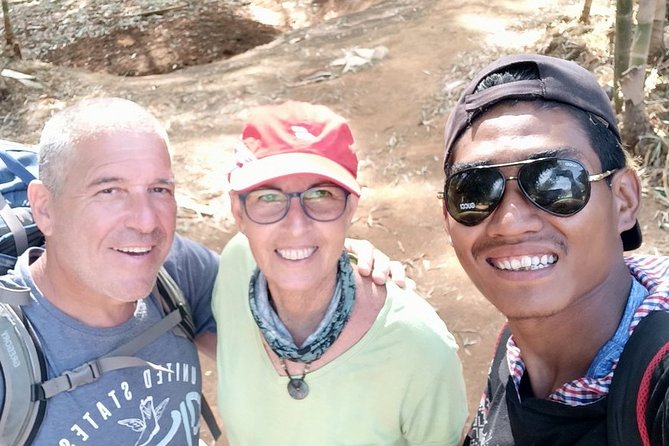
Day 1 has a clear theme: you leave Kalaw and work your way into village and forest edges. If the day stays dry, you can expect more time in the rain forest corridor. If it rains, the route may change to avoid that section, which can slightly alter the feel of the day—but it keeps things safer.
Then you reach Hin kha gone, connected with the Palaung community. This is the kind of stop that’s more meaningful when you treat it like a meeting point rather than a sightseeing checkpoint. Your guide is typically the bridge, and your job is to be curious, respectful, and willing to slow down for the conversation that doesn’t fit into a photo schedule.
Lunch is planned partway through the day while you’re still walking through the transition zone between forest edge and cultivated land. After that, you continue toward Myin taik station, and then on to ywar pu as part of your first day’s progression.
What to watch for on Day 1 is pacing. Even if the walking hours don’t sound extreme on paper, the terrain can wear you down. Plan to take breaks when your guide offers them, and don’t try to “win” the trek by pushing too hard early.
Day 2: countryside views, vegetable plots, Lamine–Pinn nwe, and Hti Tain monastery
Day 2 starts with a more open countryside feel. After breakfast, you’ll walk through country side views and pass different vegetable plantations, depending on the season. That season-based detail matters because it changes what you see and how the farmland looks—so don’t expect one single “perfect” agricultural postcard view. Expect movement, cultivation, and the practical side of farming life.
Lunch is then associated with passing by Lamine – Pinn nwe and Khone Hla. These are named stops in the day’s route, which suggests your route isn’t purely “walk along the road until lunch.” There’s a sense of a guided path that connects villages, fields, and a few key waypoints.
In the afternoon, you continue toward Hti Tain monastery. Monastery time can be quiet and grounding, and it often helps break up the physical effort with something reflective. Even if you don’t understand every detail of what you see, you can still appreciate the way these places anchor village geography.
A practical drawback to keep in mind for Day 2: it’s the day where you might notice fatigue building if you walked hard on Day 1. Stick to a steady pace and keep water in mind. The tour includes water, but you’ll still want to drink regularly rather than waiting until you feel thirsty.
Day 3: the 15–16 km western lake approach and the boat ride into Inle
Day 3 is the “workday” of the trek, even though it ends with the fun lake moment. After breakfast, you pass villages and get views of Inle Lake before heading down toward the western part of the Lake jetty / boat station.
The plan includes lunch around the jetty area, which helps because Day 3 includes a major walk segment. You’ll be walking about 15–16 km, roughly 4 hours, down to that boat connection point. For many people, this is the hardest day physically. For others, it’s the day where things click because you can see the finish line getting close.
After lunch, you take a boat trip to your hotel in Inle. In other words: you’re not walking all the way to the lake-hotel doorstep. The lake transfer does the heavy lifting, and that’s a smart design choice for an overland trek that includes homestays inland.
One more weather note: since you’re descending toward the lake jetty, slippery conditions can happen if rain has been recent. You’ll want decent grip on your shoes and to step carefully on uneven ground.
Homestays and village time: how to get the most out of the overnight
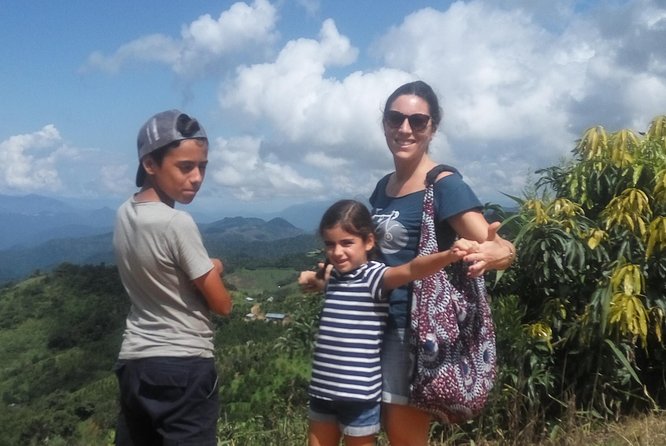
The two overnight stops are one of the most praised parts of this trek, and the reason is simple: you see daily life from inside the home rhythm. Homestays aren’t just a bed. They’re meals, conversation, and the awkward-but-good human moment of trying to communicate across cultures with gestures, simple questions, and patience.
In the trek style here, guides often act as translators and relationship-builders. Some groups specifically mention guides like Rohit talking with villagers and seeming to know people well, which makes the social part smoother. Another guide name that appears in the tour notes is Min Min, also described as attentive and engaged.
I’d also pay attention to the food. Meals are included (and the overall reputation is positive), but it’s more than taste. It’s a chance to understand what’s practical for families: cooking methods, local ingredients, and how they feed walkers who arrive hungry.
Etiquette tip that matters in real life: ask before taking photos, and keep your curiosity respectful. If someone is working—on a vegetable plot, weaving, cooking—don’t hover. Say hello, smile, and then move on if you’re told it’s busy time.
Your guide: what makes the experience click (Rohit and Min Min)
This trek lives or dies on guidance, and the best reports focus on how guides manage both safety and conversation.
Rohit is mentioned frequently in notes tied to this operation. One highlight is that he can identify plants used for seasoning and medicinal purposes, and he’s described as friendly and knowledgeable in a way that doesn’t feel like a lecture. Guides in this style also tend to keep you moving at a pace that feels doable—regular breaks, attention to your needs, and a calm approach when paths get muddy.
Another name that shows up in the trek information is Min Min, described as attentive and socially connected—interacting well with people in villages and helping visitors understand what they were seeing.
What you should do as a traveler is simple: go in with a question habit. Ask what you’re seeing (what plant is that, what is it used for, how do they farm in the season you’re walking). Your guide can turn a scenic walk into a real education without turning it into a classroom.
Pacing, packing, and weather: the real-world checklist
Because the trek includes homestays and multiple meal timings, your packing strategy should aim for comfort more than ultralight competition.
Here’s what I’d prioritize based on the tour’s structure:
- Shoes with grip: you’ll be walking 15–16 km on Day 3 and likely facing uneven paths and possible wet patches.
- Rain gear you’ll actually wear: Day 1 says the rain forest section depends on weather. If rain is in the forecast, being prepared keeps your day from turning unpleasant.
- A day pack is smarter than a heavy carry: backpack transfer is included, so you won’t need to carry everything all day.
- Bring small cash: fees and taxes aren’t fully spelled out in the package description. Also, you might want to buy a simple snack or drink during route stops.
- Ask your guide about the day’s route adjustment early: if rain hits, routes can shift. You’ll feel better if you understand what’s changing and why.
Weather is also the reason this tour is labeled as requiring good weather. If it gets canceled due to poor conditions, you should expect a different date option or a full refund.
Who should book this Kalaw to Inle trek
I think this tour fits best if you want three things at the same time: real village contact, a manageable group size, and a walk that ends with Inle Lake in a practical way.
You’ll likely enjoy it if:
- You like meeting locals and you’re comfortable with homestay-style travel.
- You want a mid-length hike (3 days) but don’t want the stress of carrying a heavy pack all the way.
- You prefer smaller groups and more direct time with your guide.
You might skip it if:
- Long-distance walking on Day 3 (15–16 km, about 4 hours) would be tough for your current fitness.
- You hate route changes when weather isn’t cooperative, since the rain forest section can be affected on Day 1.
Should you book 3Days Less Touristic Way Trekking from Kalaw To Inle?
If your goal is to experience the Kalaw–Inle corridor like a local-connected walker, not like a bus passenger, I’d say yes. The value math works because meals, homestays, water, backpack transfer, and the boat transfer are all included, and the small group size gives you a better chance at real conversations.
Book it especially if you care about the human side: the guides’ village introductions, plant knowledge, and a calm pace that respects your body. Just be honest about Day 3. If you’re the type who can handle a full walking morning, you’ll finish the trek with that satisfying feeling of earned arrival on the lake. If not, consider a shorter alternative.
FAQ
What is the duration of the Kalaw to Inle trek?
The tour runs for about 3 days.
What time does the trek start in the morning?
The meeting/start time is 7:30am.
Is pickup from my hotel included?
Pickup is offered.
How large is the group?
The tour has a maximum of 10 travelers.
What’s included in the price?
It includes backpack transfer, the boat, homestay accommodations, water, and meals: breakfast (3), lunch (3), and dinner (2).
How do you get to Inle Lake at the end?
After the final walking portion and lunch, you take a boat trip to your hotel in Inle.
Does weather affect the trekking route?
Yes. The experience requires good weather, and the Day 1 rain forest part depends on weather conditions (rain can affect whether that section is passed).
What happens if I need to cancel?
There is free cancellation up to 24 hours before the experience starts for a full refund. If it’s canceled due to poor weather, you’ll be offered a different date or a full refund.