REVIEW · LUANG PRABANG
Luang Prabang: 3-Day Cultural Remote Trek With Homestay
Book on GetYourGuide →Operated by Tiger Trail Travel Laos · Bookable on GetYourGuide
The quickest way to feel like Laos again is to trade roads for footpaths. This 3-day remote cultural trek from Luang Prabang takes you along jungle and rice-paddy routes villagers actually use, then lands you in simple Hmong homestays. I love the way the experience focuses on real daily life, not staged sightseeing, especially with the dinner prepared with your guide and a Hmong family. One thing to keep in mind: this is rain or shine, and the hiking is genuinely demanding in warm, wet conditions.
What makes it work is the people on the ground. Guides like Aroun (and one guide named Chan in past groups) bring context on hill-tribe culture, plants, animals, and local ways of living, which is what turns a walk into understanding. Also plan for the practical side: you’re in remote villages with no electricity for charging and very basic facilities.
In This Review
- Key Points Before You Go
- Why This Trek Feels More Like Real Laos
- Day 1: Boat Crossing, Jungle Trails, and a Hmong Homestay
- Day 2: Valley Streams to a Large Mixed Hmong–Khmu Village
- Day 3: Mountain Tops for Panoramic Views, Then a River Finish
- Homestay Reality: Basic Comforts, School Visits, and Etiquette
- Pacing, Rain, and What Really Makes the Trek Hard
- What to Pack for Remote Luang Prabang Trekking
- Price and Value: Is $360 Fair for What You Get?
- Who Should Book This Trek (and Who Should Skip It)
- Should You Book This 3-Day Remote Cultural Trek?
- FAQ
- How long is the tour?
- Where do I meet, and when does the trip depart?
- Is hotel pickup available?
- What is included in the $360 price?
- What meals are included?
- Will I have electricity to charge my camera batteries?
- What should I bring for the hike?
- Is the tour suitable if I am pregnant or have mobility issues?
Key Points Before You Go
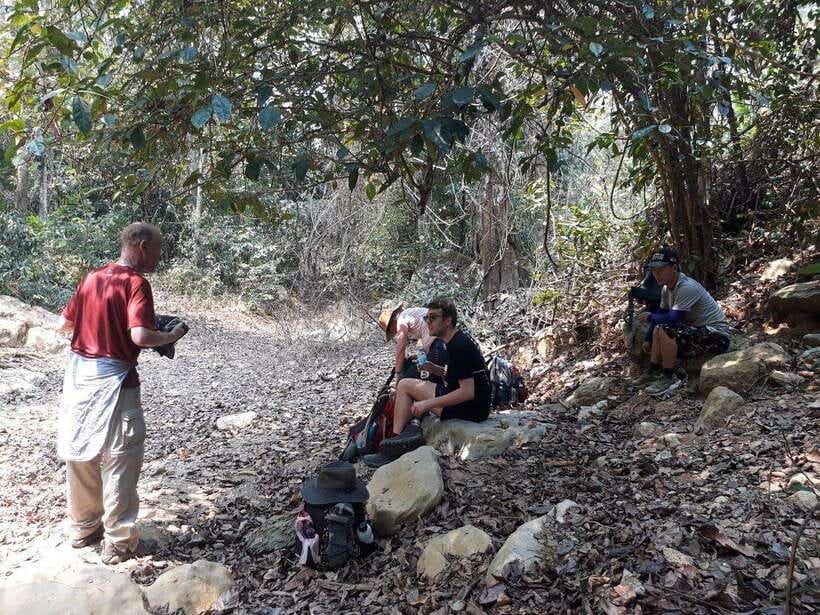
- Jungle trails used by locals: you won’t be walking the usual tourist shortcuts
- Homestay dinner with a Hmong family: food is part of the cultural exchange, not an add-on
- Two village worlds: you spend time in Hmong and Khmu communities, plus school and home life
- Mountain-top viewpoints: the long day pays off with panoramic views over valleys and villages
- Real remoteness: expect limited comforts and no device charging
Why This Trek Feels More Like Real Laos
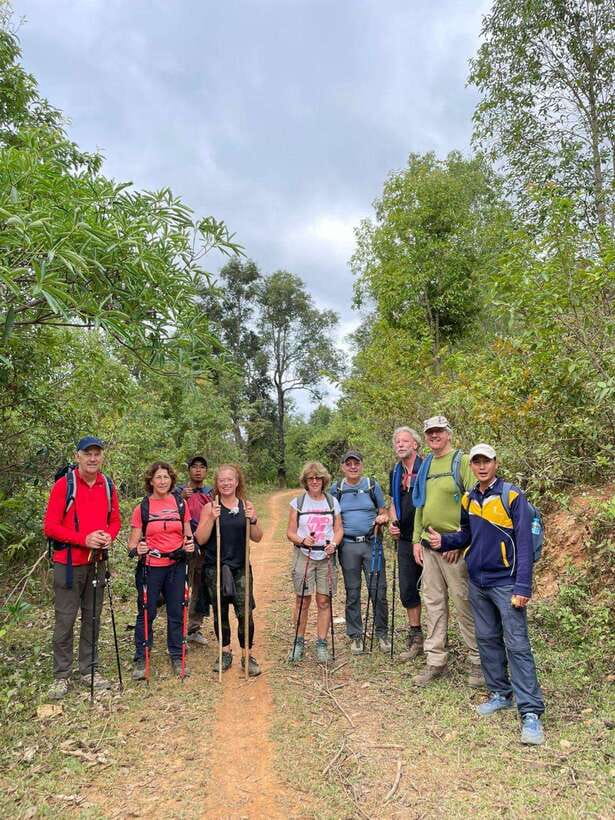
Luang Prabang is beautiful. But it can also be busy. This trek helps you get past the postcard version and into daily rhythms. You head north along the Mekong and then follow the Nam Xeuang route, but the real change happens once you leave the last road and start moving on foot through rice fields and jungle corridors.
The cultural value is not just that you visit villages. It’s the structure of how you do it: you trek between communities, you spend time exploring homes and schools with your guide’s help, and you eat with the family connected to the homestay. That combination matters because it reduces the usual “checklist travel” feeling.
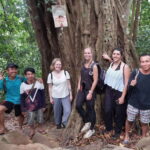
You also get something many short “village tours” miss: context. With guides such as Aroun and Chan, the walk becomes a guided explanation of how mountain life works—how people move, how farming ties to steep terrain, and how nature and livelihoods connect.
And yes, there’s a view payoff. Mountain-top panoramas are one of the few parts of the route that feel like a reward you can see with your own eyes, not just something someone tells you about.
You can also read our reviews of more tours and experiences in Luang Prabang.
Day 1: Boat Crossing, Jungle Trails, and a Hmong Homestay
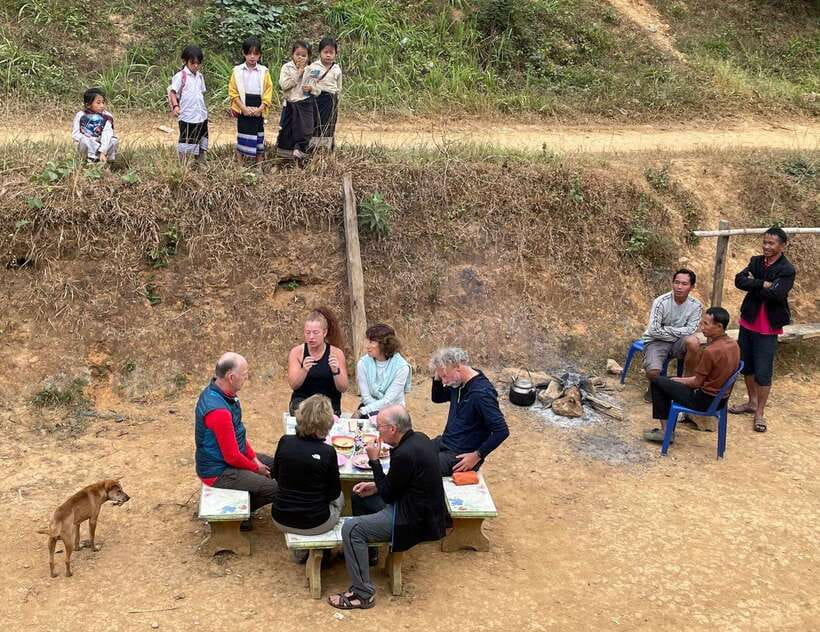
Day 1 starts early, with you meeting your English-speaking guide at the Tiger Trail Travel office (on the same street as Villa Maly hotel). The departure time is set for a fast start, and it’s smart to keep your luggage storage and packing simple. Remote trekking turns small issues into big ones.
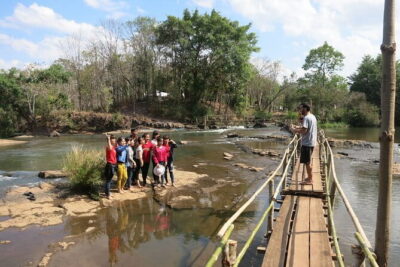
From Luang Prabang, you travel north along the Mekong river and then continue along the Nam Xeuang river for about 1.5 hours. Then comes the first taste of local travel: you cross by local boat to the trailhead.
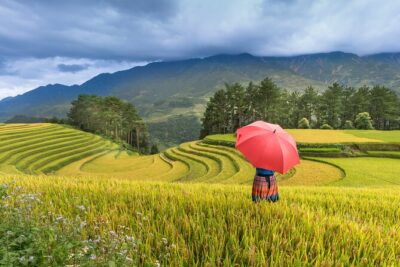
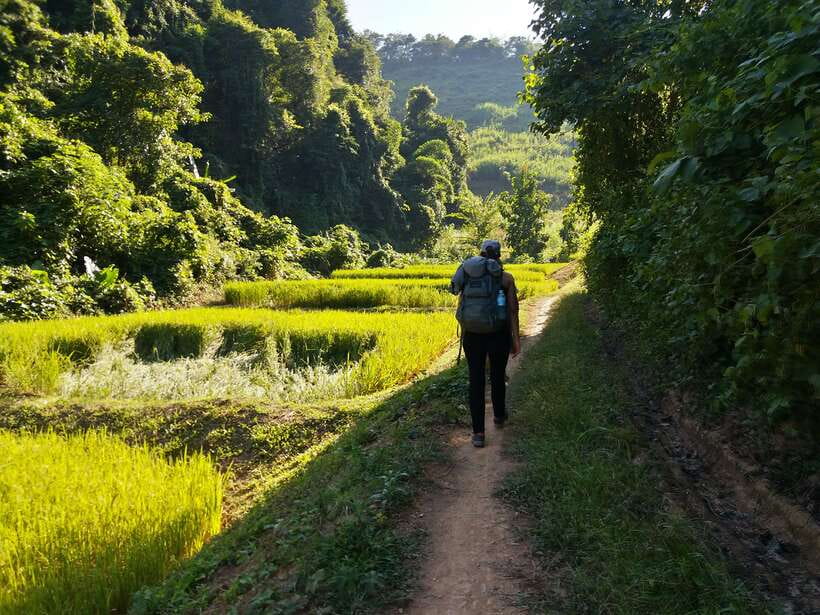
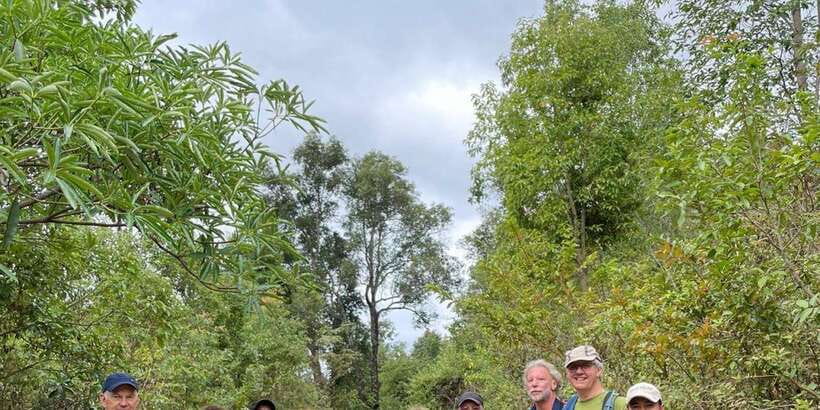
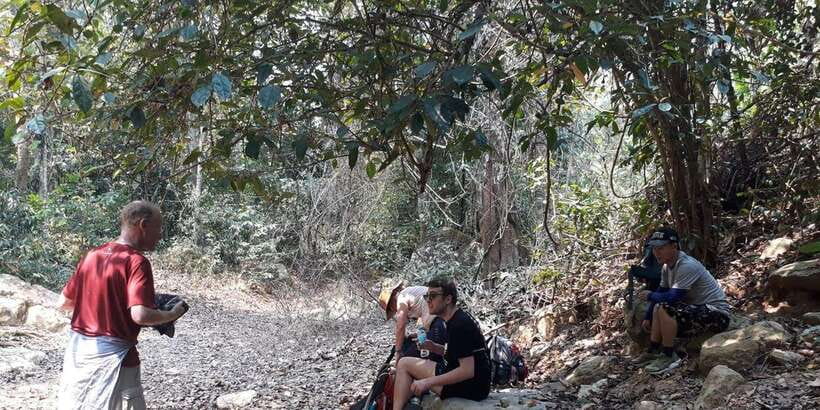
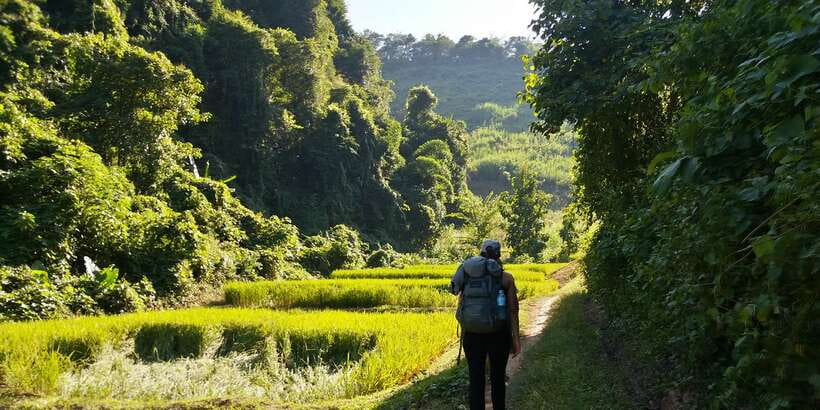
After that, the trek begins right in the jungle. The walking route runs about 4–5 hours and is described as medium grade. Expect a mix of rice paddies and green trails—paths that locals use to move between remote villages. This is the part where comfort shoe choice really shows. If your footwear doesn’t grip well, wet soil and uneven ground will make the route slower.
By evening you sleep in a welcoming Hmong village with basic, comfortable conditions. This is not a hotel stay, and that’s the point. You get time to settle in, meet people, and experience how a community functions outside the electricity grid.
Dinner is also a highlight: you’ll share a meal prepared by your guide and a Hmong family. That’s usually where cultural exchange becomes easiest—shared tables break down the awkward distance that can happen when language is limited.
Practical note for your comfort: there’s no plan to charge devices during the tour, so treat your phone and camera like they’re for photos only, not for powering your whole trip.
Day 2: Valley Streams to a Large Mixed Hmong–Khmu Village
Day 2 begins with the sounds and routine of daily hill-tribe life, plus breakfast prepared by your guide. This matters more than people think. Breakfast sets your pace for a longer day on your feet. It also gives you a calmer transition into the walking rather than just starting the trek cold.
Then you head out on the shortest hike of the trip—about 4 hours—following valley streams. The goal is a very remote, very large mixed Hmong and Khmu village sitting in a valley surrounded by big mountains.
You arrive mid-afternoon, which gives you time to do more than just pass through. Your guide helps you explore the village and its everyday systems, including schools, homes, and how community life is organized. If you want to understand remote Laos, this is the part that tends to make the strongest impression: it’s not one small stop, it’s a whole community with regular activities and spaces built around living there.
Then the day quiets down. You relax in the evening and look ahead to the mountain-top hike for Day 3. Even if you feel fine after Day 2, save energy now. Day 3 is the one with the long climb.
One detail worth noting from past experiences: some groups have been invited into special community moments depending on timing (like local New Year celebrations). You shouldn’t count on it, but if your dates line up, that’s the kind of extra layer that makes a trek like this unforgettable in a good way.
Day 3: Mountain Tops for Panoramic Views, Then a River Finish
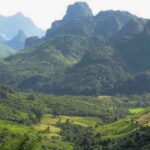
Day 3 is the endurance day. You hike 6–7 hours to mountain tops for panoramic views over the villages and remote Lao scenery. This is the day where you’ll feel the elevation and the long stretches of steep walking. If rain hits, expect muddy patches and slower footing.
The route uses the same trails villagers take to tend steep mountain-top rice fields and visit mountain villages along the way. That detail changes how you experience the hike. It’s not just scenery; you’re moving through working routes—paths people use for tasks that keep food on tables.
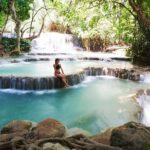
When you reach the Nam Xeuang River, the trek ends. You can also take a well-deserved swim at the river before returning to Luang Prabang (about 1.5 hours by return trip). Even if you skip the swim, the river stop gives you the psychological reset you need after several hours in the mountains.
If you’re planning photos, understand the limits: since charging isn’t available, you’ll want to manage battery life early. Also remember that wet conditions can drain batteries faster.
Homestay Reality: Basic Comforts, School Visits, and Etiquette
The homestay portion is where people either fall in love with this trip or decide it’s not for them. If you go in expecting basics, you’ll probably enjoy it more.
You’re sleeping in homestay-type accommodation: basic and comfortable, not fancy. Past experiences describe simple toilet and washing setups, plus a sense of practical daily life rather than visitor-friendly amenities. There may be electricity via solar panels, but the key rule for your planning is clear: you should assume no charging for camera batteries during the tour.
How to make this part go smoothly:
- Wear clean, comfortable clothes that dry easily.
- Keep your interactions respectful and calm. Ask before taking photos of people.
- Be patient with language barriers. Your guide’s role here is not just translation—it’s helping you understand what you’re seeing.
School visits and village walks can feel emotional if you’re the type who gets curious fast. Don’t make it about you. Let it be about observing, listening, and appreciating the systems that help a community run.
This is also why the dinner matters. Eating with a family is a kind of cultural handshake. It’s not a show; it’s part of normal life, shared with you because you’re there for a short window.
Pacing, Rain, and What Really Makes the Trek Hard
This tour runs rain or shine, and rainy season means more time and more effort on the treks. Even if you’re reasonably fit, wet trails can turn a medium-grade day into a slow one. Heat is another factor. If temperatures rise, you’ll work harder for the same pace.
Here’s the walking structure you should plan around:
- Day 1: about 4–5 hours on rice paddy and jungle trails
- Day 2: about 4 hours along valley streams
- Day 3: about 6–7 hours up to mountain tops and back down to the river finish
This isn’t a casual stroll. It’s a trekking experience with real hills and jungle ground underfoot. If you’re someone who trains for hiking or at least regularly walks with elevation, you’ll have a better time.
Also note the constraints: this tour is not suitable for pregnant women or for people with mobility impairments. If those apply, it’s best to choose a different style of experience that matches your needs.
What to Pack for Remote Luang Prabang Trekking
Packing well makes or breaks days like these. You’ll want to bring:
- Comfortable shoes with good grip
- A change of clothes
- Insect repellent
- Water shoes (useful for river end and slippery conditions)
- Weather-appropriate clothing for rain or heat
Two practical additions I’d strongly consider, even though the trip is simple by design:
- A small dry bag or zip pouches to keep electronics safe from sweat and rain
- A light layer for mornings, because remote mornings can feel cooler than afternoons
And remember the charging reality. Plan battery use like it’s limited. That means fewer video clips, more photos, and a willingness to put the camera down when you’re with the family.
Price and Value: Is $360 Fair for What You Get?
At $360 per person for 3 days, you’re paying for more than a guide and a route. The included items are the real value story:
- transportation
- boat crossings
- all meals as described
- English-speaking guide
- taxes
- village fees
- permits
- homestay-type accommodation
That’s a lot of costs that many day tours treat as extras. Also, village fees and permits are often where “cheap” adventures quietly get more expensive later. Here, those fees are covered, which makes budgeting simpler.
The main non-included item mentioned is specialty drinks. Everything else that supports the trek is built in.
When you weigh value, the biggest thing isn’t the number. It’s the mix: real trekking time, river crossing, homestay access, and a guide who explains what you’re seeing. If you want an authentic remote-culture experience, you’re paying for access and coordination—not just for walking.
Who Should Book This Trek (and Who Should Skip It)
This trek is a strong fit if you:
- want to see Hmong and Khmu village life in a way that goes beyond scenery
- enjoy walking and can handle 4–7 hour hiking days
- like learning from guides who explain culture, plants, and daily routines
- are comfortable with basic accommodation and limited electrical comfort
It’s probably not a fit if you’re looking for luxury comforts, easy pacing, or reliable charging time. You’re also better off skipping if you need step-free access or have mobility limitations, since the trek is not designed for that.
Should You Book This 3-Day Remote Cultural Trek?
If your goal is to get out of standard Luang Prabang routines and spend time moving through rural Lao terrain with a guide who connects the dots, this trip is worth considering. The combination of jungle trails, homestay life, and village exploration with schools and homes makes it feel grounded in real community rhythms.
My quick decision rule: book it if you’re happiest when you’re walking, learning, and okay with basic comforts. Skip it if you want a relaxed day with lots of downtime and charging for devices.
FAQ
How long is the tour?
The tour lasts 3 days.
Where do I meet, and when does the trip depart?
Meet at the Tiger Trail Travel office on the same street as Villa Maly hotel. The meeting time is 8.20am for an 8.45am departure.
Is hotel pickup available?
Pickup is optional. You can be picked up from your hotel and returned to your hotel on day 3.
What is included in the $360 price?
Transportation, boat crossings, all meals as described in the itinerary, an English-speaking guide, taxes, village fees, permits, and homestay-type accommodation are included.
What meals are included?
All meals are included as described in the plan. Day 1 includes dinner, and Day 2 includes breakfast.
Will I have electricity to charge my camera batteries?
No. The tour notes that there is no electricity for charging camera batteries during the trek.
What should I bring for the hike?
Bring comfortable shoes, a change of clothes, insect repellent, water shoes, and weather-appropriate clothing.
Is the tour suitable if I am pregnant or have mobility issues?
No. The tour is not suitable for pregnant women or people with mobility impairments.