REVIEW · SOUTH KOREA
Korean Cemetery and Folklore Trek
Book on Viator →Operated by ZenKimchi Experiences · Bookable on Viator
Death legends, but make it peaceful.
I love how this tour takes you to an active Korean cemetery in the mountains, a place most visitors never see, and pairs it with respectful storytelling about burial customs and what comes after. You also get a small group experience, with a guide who can actually slow down and answer questions without rushing you through.
What really makes the tour click for me is the guide approach. Shawn, the guide name mentioned in standout experiences, is described as mixing lots of research with personal insight, which helps the stories feel grounded instead of like a lecture. If you’re in Seoul and want something calmer than palace lines and subway crowds, this format gives you that “real Korea” feeling without needing a full-day commitment.
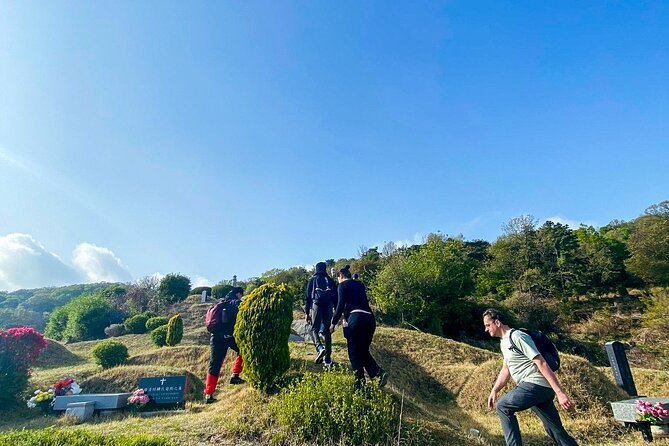
One consideration: it’s best suited to people with moderate physical fitness, because the visit happens in a mountain setting and you’ll be walking while you learn. If you’re expecting an easy stroll in flat terrain, this may feel more active than you planned.
In This Review
- Key Points to Know Before You Go
- A Quiet Mountaintop Cemetery Visit From Seoul’s Edge
- Yongmi-ri Cemetery 1: Seeing Burial Customs Up Close and With Respect
- The Folklore and Afterlife Stories You’ll Hear Along the Way
- What the 4-Hour Format Means for Your Day (and Your Shoes)
- Price and Value: How $66 Works for Transport, Guide Time, and a Rare Visit
- Best Time to Go (and Why Weather Changes the Mood Here)
- Who This Trek Suits Best (and Who Might Want Something Else)
- Should You Book the Korean Cemetery and Folklore Trek?
- FAQ
- When does the Korean Cemetery and Folklore Trek run?
- Where is the meeting point, and what time does it start?
- How long is the tour?
- What is the group size?
- What is included in the price?
- Is private transportation included?
- What happens if the weather is poor or I need to cancel?
Key Points to Know Before You Go
- Active cemetery access: you get a chance to see ongoing burial culture, not a museum version
- Small group size (max 6): easier questions and a more personal pace
- Bus fare included: public transportation between the meeting point and the cemetery area is taken care of
- Seasonal timing (Sep–Nov): only runs during a specific window, so plan dates early
- Folklore + afterlife stories: the guide connects legends to local burial traditions
A Quiet Mountaintop Cemetery Visit From Seoul’s Edge
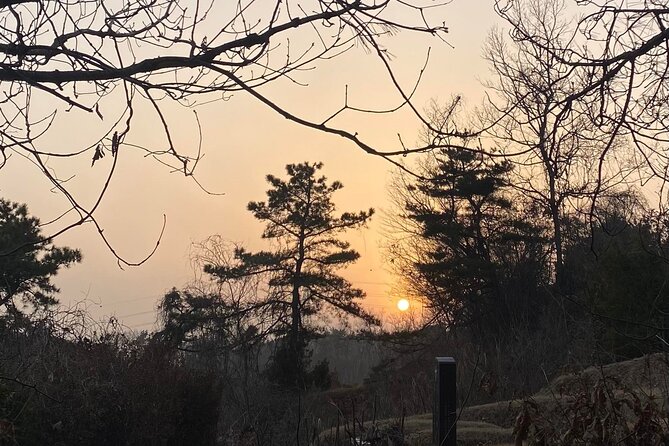
This is the kind of tour that changes your rhythm. You start at Samsong Station Exit 8G in Goyang-si, with a 2:30 pm start, and the day is built around one main thing: going from the energy of the Seoul area into a quieter mountain setting. It’s not a sightseeing sprint. It’s more like a guided, respectful walk where you’re encouraged to notice details and take time to think.
A big practical plus: public bus transportation between the meeting point and the cemetery area is included. That matters because it removes a common headache in South Korea—how to get out to smaller, less tourist-focused places without spending your whole afternoon figuring out transit. You’re also close to public transportation at the start, so you’re not locked into expensive private transfers just to show up.
The tour is run by ZenKimchi Experiences, and it’s designed as a 4-hour experience. That length is just long enough to feel like you went somewhere specific and meaningful, not just “walk around and leave.” It also fits well if you want a single anchored activity in the middle of a Seoul itinerary.
Yongmi-ri Cemetery 1: Seeing Burial Customs Up Close and With Respect
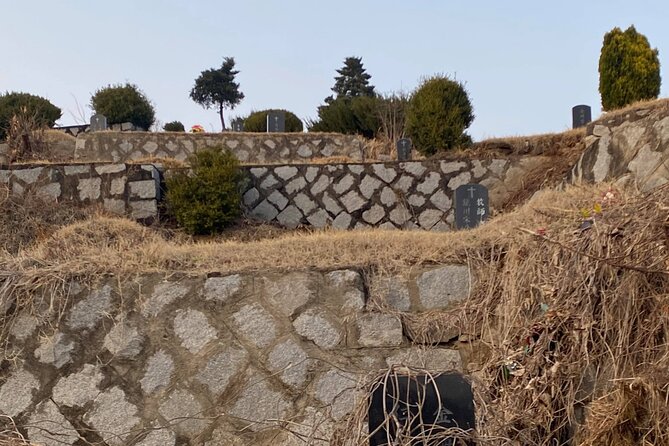
Your main destination is Yongmi-ri Cemetery 1. This is an important detail. You’re not visiting a staged site built for tourists; it’s described as an active Korean cemetery. That difference changes everything about the vibe. You’re there to learn and observe with care, not to treat the place like a photo set.
The guide leads a respectful tour and shares Korean folklore and traditions tied to the dead. Expect the explanation to focus on how communities think about burial, the afterlife, and what people do to honor the dead. This kind of learning works best when you let yourself slow down and listen—especially in a place that’s still part of real life for local families.
If you’re worried about etiquette, think “calm and considerate” rather than “performative.” Keep your voice down, follow the guide’s pacing, and stay aware that you’re walking through a functioning cemetery space. If you dress in a way that helps you move comfortably, you’ll be able to focus on the stories instead of adjusting clothing every ten minutes.
The Folklore and Afterlife Stories You’ll Hear Along the Way
The storytelling is the emotional engine of this trek. You’ll hear legends and folktales about Korean burial customs, and you’ll learn how locals understand traditions related to the afterlife. That blend matters: it connects culture (customs and practices) with narrative (folklore and legend), so you’re not just memorizing facts. You’re understanding how stories and rituals support each other.
What I’d pay attention to is how the guide frames it. In experiences where the guide is named, Shawn is highlighted for combining extensive research with personal experience, which is exactly what makes the tour feel intimate. You’re getting interpretation, not just information. And with a group limited to 6 travelers, you’re more likely to get your questions answered in a natural back-and-forth way.
This is also where the “reflection” part comes in. Even if you’re not religious, burial customs are one of those topics that naturally make you think. A mountain cemetery setting makes it harder to stay in casual tourist mode. In a good way.
What the 4-Hour Format Means for Your Day (and Your Shoes)
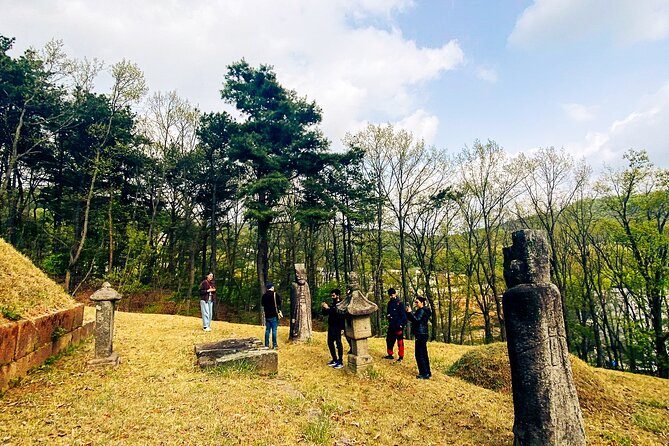
Plan around a 4-hour total duration. That’s enough time for transportation, a guided visit, and storytelling without you feeling like you’re out all afternoon. The tour starts at 2:30 pm, which can be a sweet spot if you’ve already done morning sightseeing and want something more thoughtful later.
Because the experience is rated for travelers with moderate physical fitness, wear shoes you’d use for real walking—not soft sandals meant for streets. Also keep in mind that you’re in a mountain setting, so uneven ground is a real possibility even if the walking isn’t described as strenuous hiking.
A small but helpful detail: it’s a seasonal tour running only from September through November. That means you’ll want to line up your visit early in your planning window. One more practical note: the tour is typically booked about 73 days in advance. If you’re traveling during peak fall timing, don’t wait until the last minute.
You’ll also get a mobile ticket, and confirmation is received at booking. That’s a convenience win: you can keep everything in your phone and focus on meeting your group at Samsong Station.
Price and Value: How $66 Works for Transport, Guide Time, and a Rare Visit
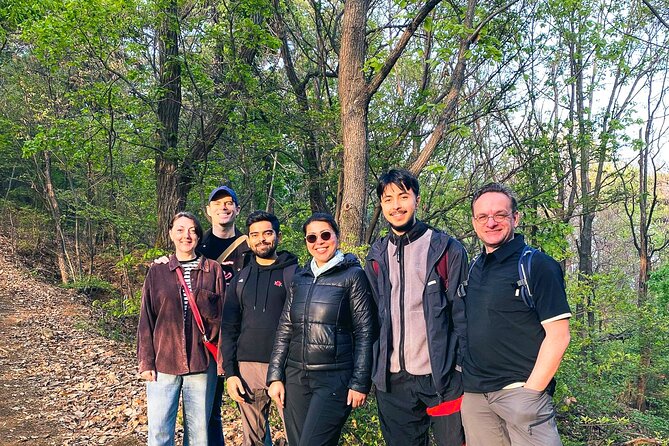
At $66 per person, this tour isn’t expensive for what you’re actually getting. Here’s the value math that matters:
- Public bus is included to and from the meeting point, so you’re not paying extra for private transport just to reach a quieter cemetery area.
- All fees and taxes are included in the price, which keeps the final cost from surprising you at checkout.
- The admission ticket is free, so the price is mainly paying for guide time, storytelling, and getting you to a place that most visitors don’t reach.
Compare that to typical “half-day” tours in major cities: you often pay more and still end up doing basic sightseeing with limited context. Here, the focus is one meaningful site—Yongmi-ri Cemetery 1—and the guide is the product. The small group cap (max 6) also changes the value. It’s not a big-bus vibe where you’re standing at the back hoping you can hear.
The one cost-related detail to keep in mind: private transportation is not included. If you’re staying far from the public transit start point, you may still need to get yourself to Samsong Station on your own. But once you’re there, the tour handles the bus connection.
Best Time to Go (and Why Weather Changes the Mood Here)
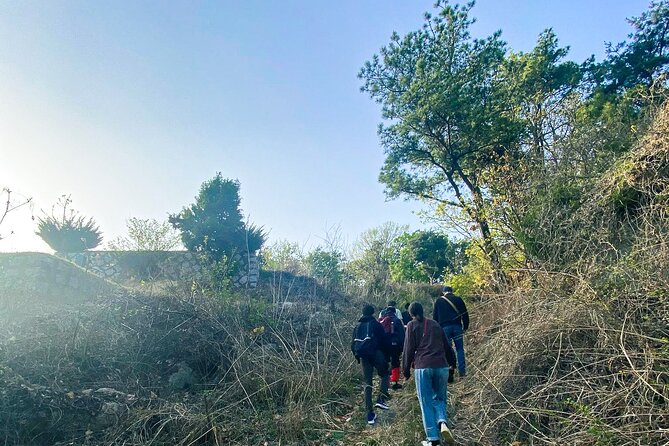
This tour only runs September through November, and it also has a weather condition: the experience requires good weather. If it’s canceled due to poor weather, you’ll be offered a different date or a full refund.
That’s not just a bureaucratic note. It changes how the experience feels. In a cemetery in a mountain area, rain or bad conditions can make walking harder and can reduce the comfort level for listening and paying attention. So when you’re choosing a travel week in fall, give yourself a little flexibility. If your schedule is fixed, you’ll want to book with backup options in mind.
Also, because the tour is seasonal, it can be easier than you think to miss your chance. If you see available dates that fit your itinerary, booking sooner is a smart move.
Who This Trek Suits Best (and Who Might Want Something Else)
This tour is a strong fit if you:
- want a cultural experience that goes beyond the usual Seoul highlights
- enjoy folklore and want it connected to real traditions, not just generic storytelling
- prefer smaller groups where the guide can slow down and tailor the pace
- are looking for a meaningful activity that adds reflection time to your trip
It may feel less ideal if you:
- want only flat, easy walking
- dislike topics about death and burial rituals (even when handled respectfully)
- prefer big “checklist-style” sightseeing with lots of stops
Should You Book the Korean Cemetery and Folklore Trek?
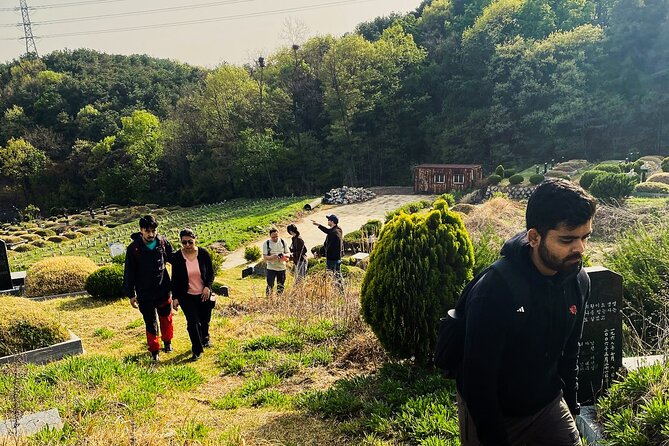
I’d book it if you want something quietly memorable and different from the standard Seoul loop. The combination of an active cemetery, careful storytelling about burial customs and the afterlife, and a small group format makes it feel personal without being overly intense.
The biggest decision point is your comfort with moderate walking and your trip timing. Because it runs only Sep–Nov and depends on good weather, choose dates with a bit of buffer. If you can do that, you’re likely to get what you came for: a rare look at Korean burial culture, told in a way that feels human and grounded.
If you’re already thinking about where your fall evenings will go in Seoul, this is the kind of tour that turns a short trip into a real story you’ll remember.
FAQ
When does the Korean Cemetery and Folklore Trek run?
It only runs from September through November.
Where is the meeting point, and what time does it start?
You’ll meet at Samsong Station Exit 8G in Goyang-si, and the start time is 2:30 pm.
How long is the tour?
The tour lasts about 4 hours.
What is the group size?
The tour has a maximum group size of 6 travelers.
What is included in the price?
The price includes all fees and taxes and public bus transportation to and from the meeting point. The cemetery admission ticket is free.
Is private transportation included?
No. Private transportation is not included.
What happens if the weather is poor or I need to cancel?
The tour requires good weather. If it’s canceled due to poor weather, you’ll be offered a different date or a full refund. You also get free cancellation up to 24 hours before the experience starts for a full refund.