REVIEW · KATHMANDU
Everest Base camp Trek
Book on Viator →Operated by Mission Summit Treks And Expedition · Bookable on Viator
Lukla to Base Camp is a reality check. This 12-day Everest Base Camp trek pairs the thrilling Lukla flight with classic mountain-culture stops, from the Dudh Kosi river to suspension bridges and Sherpa villages. You end with a serious milestone at Everest Base Camp, then go one step higher toward Kalapathher for extra views.
I especially like the way the trip is built around support. You get a trained, government-licensed guide, and many groups talk about guides like Damu (and teams such as Kamal Bhai with assistants) doing daily briefings and calm check-ins when the trail gets tough. I also love that the core logistics are handled for you: flights, airport pickup/drop by private vehicle, park paperwork, and three meals plus lodging during the trek.
One consideration before you sign up: comfort is basic. Accommodations include a toilet outside your room, and extras like hot shower, battery charging, and Wi‑Fi are not included, so you’ll plan to pay for those on the trail.
In This Review
- Key things to know before you go
- Kathmandu arrival, pickup, and the Lukla jump
- The Everest Base Camp route in plain terms
- Lukla to Phakding: bridges, river views, and early acclimatization vibes
- Phakding to Namche Bazaar: the Sherpa town moment
- Namche to Tengboche: prayer flags and iconic viewpoints
- Dingboche and Lobuche: where the trail starts asking harder questions
- Gorekshep and the final push to Everest Base Camp
- Kalapathher: extra altitude for extra angles
- Price and value: is $1,500 a fair deal?
- Meals, lodging, and the comfort tradeoffs
- Your guide team: why names like Damu and Kamal keep showing up
- Who this trek suits best (and who should think twice)
- Handy realities to plan around
- Should you book this Everest Base Camp trek?
- FAQ
- FAQ
- How long is the Everest Base Camp trek?
- Where does the trek start in Kathmandu?
- What is the price per person?
- Are flights included in the trek price?
- Does the tour include airport pickup and drop-off?
- Are meals and accommodations included?
- Do I get a guide and porter?
- What permits or paperwork are included?
- What is not included?
- Is the cancellation policy flexible?
Key things to know before you go
- Lukla flight included for the jump into the Everest region without long road drives
- Government-licensed guide + Porter support (listed as 2 clients: 1 porter) for a lighter load
- All Nepal park paperwork handled for the Everest National Park entry permit
- Classic “village by village” nights in Phakding, Namche, Tengboche, Dingboche, Lobuche, and Gorekshep
- Everest Base Camp plus Kalapathher for a second hit of high-altitude views
- Comfort costs extra: toilet outside the room, and hot shower/battery/Wi‑Fi are not included
Kathmandu arrival, pickup, and the Lukla jump
Your trip starts in Kathmandu at Tribhuvan Airport, with pickup and drop provided by private car/van/bus. That matters because on Everest treks, time is everything, and you don’t want to waste energy sorting transport.
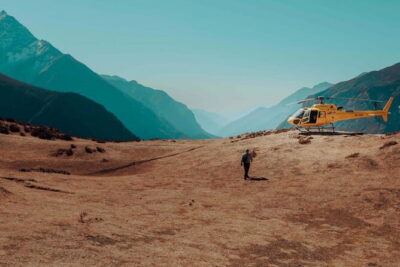
From Kathmandu (or Ramechap, depending on how the flight is arranged), you fly to Lukla. This is the switch that turns a city vacation into a trekking vacation fast, because Lukla is the gateway that launches you into the Everest region.
You’ll also get a mobile ticket, and confirmation comes at the time of booking. In plain terms, this setup is meant to keep you from chasing details right when you’re excited and running on jet lag.
You can also read our reviews of more tours and experiences in Kathmandu.
The Everest Base Camp route in plain terms
This is not just one big walk. It’s a sequence of stages with overnight stops in villages that let your body adjust and your mind catch up to the scale of what you’re seeing.
You’ll start trekking from Lukla and work through Phakding first, then continue onward to Namche, Tengboche, Dingboche, Lobuche, and Gorekshep. From Gorekshep, you reach Everest Base Camp, and then you head toward Kalapathher, which sits above base camp for more dramatic angles.
Along the way, the trail is built around real landmarks, not postcards. You pass the Dudh Kosi river, cross suspension bridges, and get forest walking at times, which changes the feel of the trek day to day.
Lukla to Phakding: bridges, river views, and early acclimatization vibes
The first trekking leg sets expectations for what the Everest region will do to your lungs and attitude. You’ll walk from Lukla toward Phakding village on the bank of the Dudh Kosi, with a route that includes monuments and suspension bridges.
I like this start because it gives you movement without instantly throwing you into the steepest sections. You’re still working, but you’re also getting your first real look at how the valleys open up and how quickly the environment changes as you gain elevation.
The drawback here is simple: early days can feel slower than you expect. That’s not a failure. It’s your body learning the new rhythm, and the best guides make sure you don’t race it.
Phakding to Namche Bazaar: the Sherpa town moment
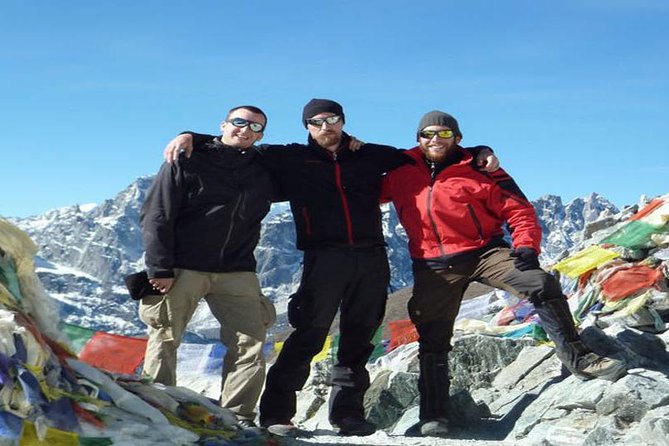
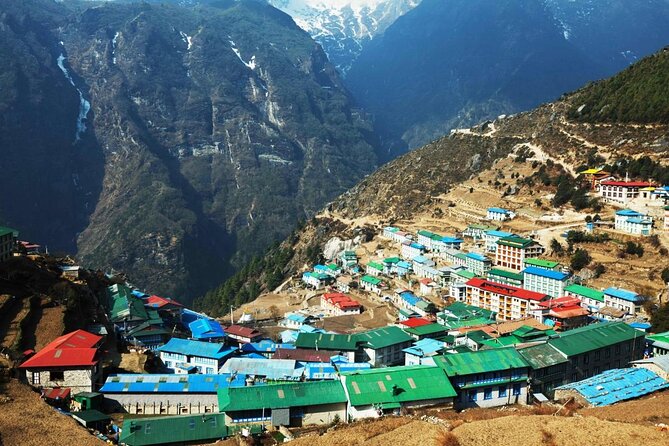
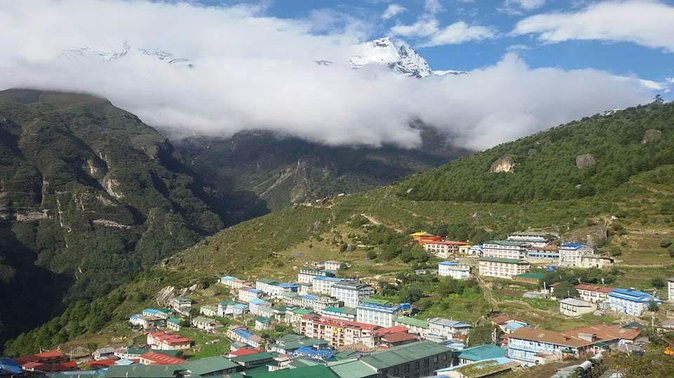
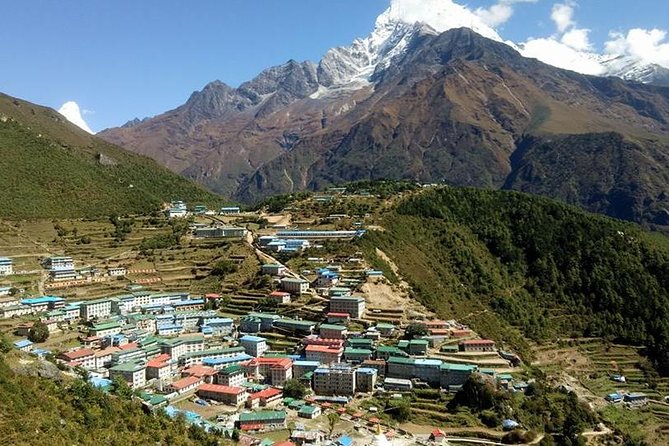
Namche Bazaar is one of those places where you feel the trek become something more than walking. It’s a real hub, and being there helps you understand why this route has supported generations of trekkers and locals.
In practical terms, this stage is about settling in. You’ll gain more height, spend the night in Namche, and start seeing the bigger peaks around you as the view window expands.
If you’re the type who wants your trip to feel structured, this is a great point to appreciate the included plan. Nights are already accounted for, so you can focus on pacing and rest instead of hunting for beds.
Namche to Tengboche: prayer flags and iconic viewpoints
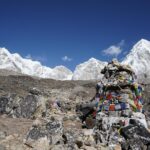
Tengboche is known for its spiritual atmosphere and the feeling that the mountains have moved closer. This is the stage where your “wow” moments start stacking, because the trail brings you into wide open views more often.
You’ll spend your night in Tengboche as you keep pushing toward higher villages. The route here also tends to feel different underfoot than the early valley segments, which is another reason the overnight structure helps.
The best part is the combination of quiet and scale. The trek doesn’t just show you high peaks; it shows you the way communities live with those peaks as the backdrop.
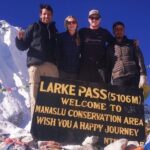
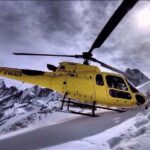
Dingboche and Lobuche: where the trail starts asking harder questions
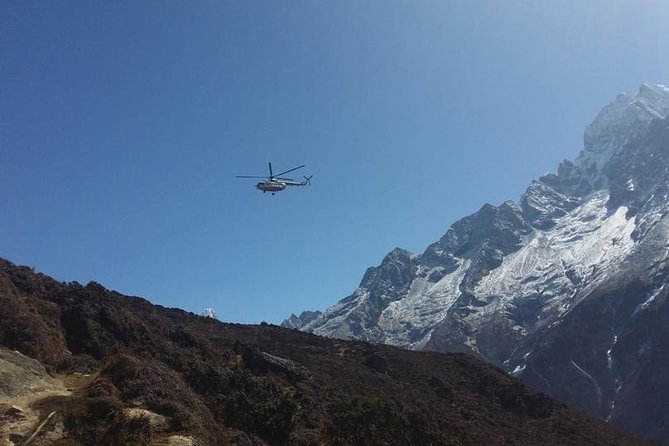
Once you reach Dingboche, you’re into the phase where your pace needs to get smarter. The schedule keeps moving forward with another night in Dingboche, then onward to Lobuche.
This is where good guidance matters most. On Everest Base Camp treks, the danger isn’t only the trail. It’s rushing. When your guide stays calm, keeps a steady tempo, and checks in, you’re more likely to walk in a way that keeps you comfortable on future days.
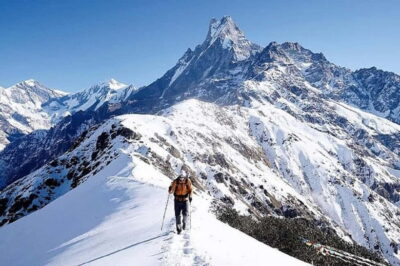
The scenery gets intense here, too. You start seeing a cluster of big Himalayan names like Ama Dablam, Lhoste, and Island Peak, plus other peaks listed for the route such as Thamsherkhu, Kusum khangaru, Tabuche, and Cholache.
Gorekshep and the final push to Everest Base Camp
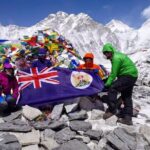
Gorekshep is the jump-off point for the main objective. You spend the night there, then your trek turns into the big day: reaching Everest Base Camp.
This is when the meaning of the trip clicks. You’ve been walking through villages and valleys, then suddenly you’re at a place people talk about for years. It’s not just a photo stop. It’s the moment when the “why” becomes physical.
You’ll also have one more planned climb element afterward: Kalapathher, which is listed as the next destination above Everest Base Camp. That matters because you’re not forced to rush the summit feeling. You get extra time for views from higher ground.
Kalapathher: extra altitude for extra angles
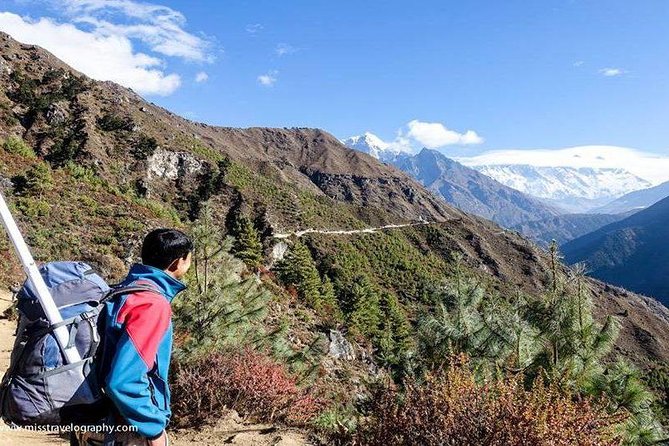
Kalapathher gives you a second perspective, literally higher than base camp. If you love dramatic mountain angles and want your Everest experience to feel complete, this part is a strong reason to pick this itinerary style.
It also helps balance the intensity of the base camp day. Instead of turning the trek into a straight shot with no room for a final payoff, it gives you a last push toward bigger views.
And because the trek is supported with a guide and porter ratio, you should be better positioned to spend your energy wisely on the walk, not on logistics.
Price and value: is $1,500 a fair deal?
At $1,500 per person for an approximately 12-day trek, the value comes from what’s included, not from the headline price.
You get airport pickup and drop by private vehicle, flights from Kathmandu/Ramechap to Lukla and back, three meals per day during the trek, and accommodations throughout. You also get the Everest National Park entry permit paperwork, plus domestic airport tax. On top of that, you get a trained, government-licensed guide and porter support listed as 2 clients: 1 porter, which can make a real difference if you’re carrying layers and essentials.
Where the “not included” list matters is what tends to surprise people on Everest treks. Your visa fee (listed as USD 40), international airfare, and travel insurance are not included. Also, bottled mineral water and other small consumables like sweets are extra, and you’ll likely pay separately for hot showers, battery charging, and Wi‑Fi.
So I’d frame it this way: you’re paying for a guided, organized trek where the major costs are covered. If that matches your travel style, $1,500 can feel reasonable. If you prefer self-arranging everything to the last detail, then the structure may feel like more than you need.
Meals, lodging, and the comfort tradeoffs
The trek includes breakfast, lunch, and dinner during the days you’re trekking. That’s valuable because it keeps your energy stable when the walking gets demanding.
Lodging is also included, but with one key detail: toilets are outside your room. That doesn’t kill the experience, but it does change what “comfortable” means compared to a hotel standard.
Extras you should expect to buy include hot shower, battery charge, and Wi‑Fi for camera use. If you depend on charging devices for navigation or communication, plan for it instead of assuming it’s bundled.
Your guide team: why names like Damu and Kamal keep showing up
One of the most praised parts of this trekking experience is the human side: the guide.
Guides such as Damu (and guide leadership associated with names like Kamal Bhai, plus assistants mentioned as DB and DalBahadur Bhai) are described as doing more than pointing the way. The pattern in the feedback is consistent: evening briefings that help you feel ready for the next day, and check-ins during the hardest stretches so you don’t quietly struggle.
That’s important for you because Everest Base Camp isn’t only about fitness. It’s about staying patient when the trail slows you down. A calm, well-organized guide helps keep your walking efficient and your decisions practical.
The other standout: communication. Some groups highlight prompt replies to questions and clear guidance from start to finish, which reduces stress before the trek even begins.
Who this trek suits best (and who should think twice)
This trek is designed for people with moderate physical fitness. The route is described as difficult due to the Everest region, so having trekking experience is a plus.
If you want a structured itinerary with included permits, flights, meals, and lodging, this fits. The private tour format also helps if your group prefers pacing that matches your needs.
If you’re looking for a very easy walk with lots of hotel-style comforts, you may feel disappointed. The toilet setup is basic, and the “small creature comforts” like hot showers and charging aren’t included.
Handy realities to plan around
A few practical points can save you money and headaches.
First, you’ll need to handle your Nepal entry visa fee (USD 40) and make sure your international airfare and travel insurance are covered on your side. Those are listed as not included.
Second, mineral water and snacks like sweets are extra on the trail. If you’re the type who likes to sip frequently or carry small treats for morale, plan for that cost.
Third, tips for guide and porter are not included. If tipping is part of your culture, budget for it so it doesn’t come as an afterthought at the end of an intense week.
Should you book this Everest Base Camp trek?
I think this is a strong choice if you want the Everest Base Camp experience to feel organized from day one: pickup handled, flights handled, meals handled, national park paperwork handled, and a guide who supports your pace.
I’d book it if you value a guide-led journey and you’re okay with basic lodging details like toilets outside your room. The included porter support also makes the trip more realistic if you don’t want to self-manage heavy carrying.
I’d hesitate if you’re chasing maximum comfort or you want everything included down to hot showers and charging. This itinerary gives you the essentials and the big milestones, then leaves a few comfort extras to the trail.
FAQ
FAQ
How long is the Everest Base Camp trek?
It’s listed as approximately 12 days.
Where does the trek start in Kathmandu?
The start point is Tribhuvan Airport, Kathmandu, Nepal.
What is the price per person?
The price is $1,500 per person.
Are flights included in the trek price?
Yes. The price includes flights from Kathmandu/Ramechap to Lukla and return to Kathmandu/Ramechap.
Does the tour include airport pickup and drop-off?
Yes. You get airport pickup and drop by private car/Van/Bus.
Are meals and accommodations included?
Yes. Three meals are included during the trek (breakfast, lunch, and dinner), and accommodations are included as well.
Do I get a guide and porter?
Yes. The trek includes a helpful, trained, government-licensed guide and porter support listed as 2 clients: 1 porter.
What permits or paperwork are included?
The tour includes the necessary paper works for Everest National park entry permit.
What is not included?
Not included are the Nepal entry visa fee (USD 40), international airfare, your travel insurance, mineral water/bottles, hot shower/battery charge/Wi‑Fi for camera, and tips for the guide and porter.
Is the cancellation policy flexible?
Yes. Free cancellation is offered, and you can cancel up to 24 hours in advance for a full refund.