REVIEW · CATANIA
Mount Etna: Guided Trek 3,000 Meters to the Summit
Book on GetYourGuide →Operated by Etna Est · Bookable on GetYourGuide
Mount Etna feels bigger when you’re on it. This guided climb takes you up to the summit craters of Europe’s tallest active volcano, with a volcanologist guide who helps you read the terrain like a real live textbook. I especially liked the way the day mixes serious altitude with clear, human-scale pacing, and I really enjoyed stopping at the 2001 Crater when it’s still steaming. The one thing to weigh is the hike is not a stroll: wind, ash, and exposed parts of the path mean you’ll want proper boots and warm layers.
You’ll start at La Terrazza Dell’Etna, ride the cable car partway up, then switch to trekking mode for the summit area and the descent. Expect a full 6-hour outing that rewards you with big views and specific volcano insights, but only if you’re comfortable walking on sand/rock and handling a changeable mountain.
In This Review
- Key highlights you’ll care about
- Why this Etna trek is worth doing (even if you’ve seen photos)
- Meeting at La Terrazza Dell’Etna: the day starts with briefing and kit
- Cable car to around 2,500 meters: the quick altitude jump
- The hike to the summit craters: walking on volcanic evidence
- The 2001 Crater stop at about 2,700 meters: seeing Etna still at work
- Lunch break on the descent: fueling matters at altitude
- Cable car back down: finishing strong with the views still on
- Guides, language, and why it feels more than a hike
- What to bring: the Etna packing list that actually helps
- Price and value: what you get for about $113
- Weather, volcanic risk, and schedule changes: the reality of Etna
- Who should book this trek—and who should skip it
- Should you book the Mount Etna 3,000 m guided trek?
- FAQ
- Where does the tour start and end?
- How long is the trek?
- Is lunch included?
- What’s included in the price?
- Do I need to pay for the cable car?
- What fitness level is needed?
- Can children join?
- Is it safe for pregnant travelers or people with certain medical issues?
- Are contact lenses allowed?
Key highlights you’ll care about
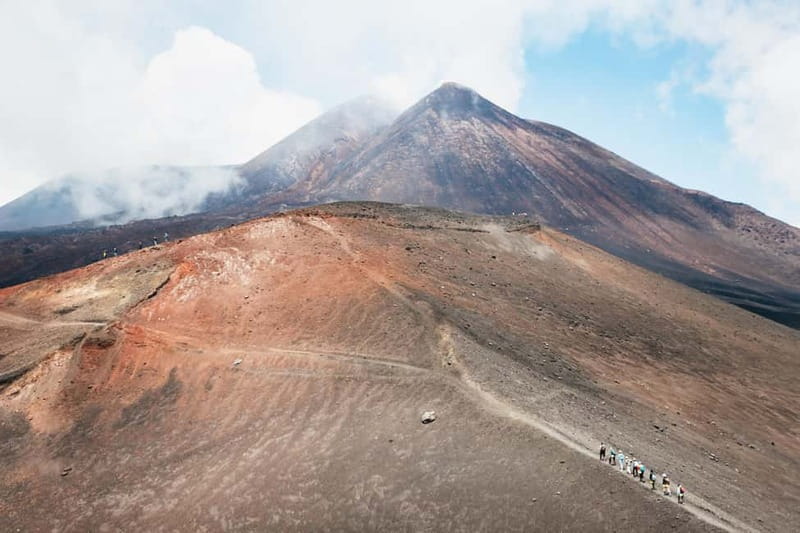
- Summit craters at ~3,000 meters: you get up close to the volcanic surface and crater views that most people never see
- Volcanologist-led explanation: you’re not just hiking; you’re learning what you’re standing on
- Cable car ascent to about 2,500 meters: less time wasted on steep approach, more time at the craters
- The 2001 Crater at ~2,700 meters: a still-fuming stop that makes Etna feel alive
- Real pacing for mixed groups: the guide adjusts so you can keep moving without feeling rushed
- Gear support: helmets, trekking poles, and guidance for tricky footing reduce “first-time on Etna” stress
Why this Etna trek is worth doing (even if you’ve seen photos)
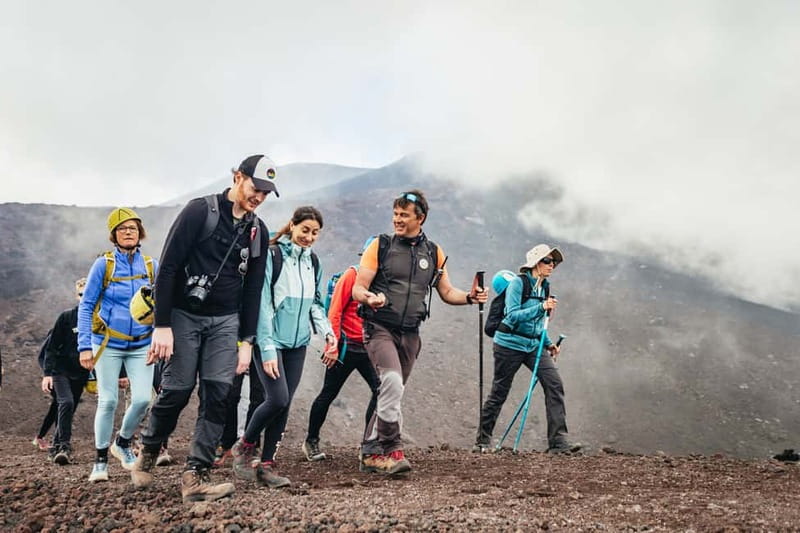
Etna is one of those places where photos help, but they can’t explain the feeling of scale. Once you’re up near the summit areas, the ground looks deliberately “made,” like the mountain is actively rewriting itself. That’s why this guided 3,000-meter trek lands so well: you’re not just staring at a volcano from far away. You’re walking through the evidence of eruptions, lava flows, and crater edges—while someone explains what you’re seeing.
Two moments stand out. First, the top crater area isn’t only about reaching a number on a map. It’s about standing above volcanic terrain and understanding how it forms. Second, the visit to the 2001 Crater is powerful because it’s still steaming at about 2,700 meters. You realize this is not a dormant “theme park volcano.” It’s active, and your time there feels earned.
The trade-off is physical. Even with trekking poles and a guided route, you’ll be working your legs at altitude and navigating some exposed sections. If you get winded easily, or you dislike uneven footing, you may feel it more than you expected.
You can also read our reviews of more tours and experiences in Catania.
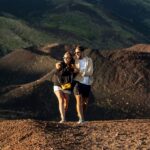
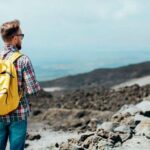
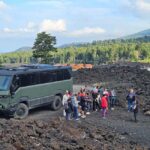
Meeting at La Terrazza Dell’Etna: the day starts with briefing and kit
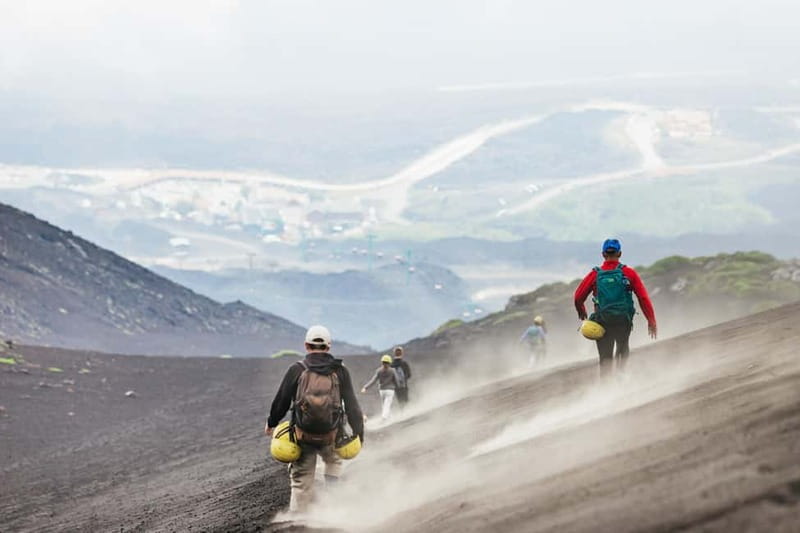
Your tour begins at La Terrazza Dell’Etna, where you’ll meet your guide and get a briefing. This matters more than it sounds. On a volcano, small choices—where you place your feet, how you handle wind and ash, how you dress in layers—can make the day either comfortable or annoying.
You’ll also be set up with key equipment:
- Helmets
- Trekking poles
That’s not just “extra gear.” On volcanic paths with loose material, poles help with balance during both the ascent and descent. Helmets add that extra sense of safety in an environment where you’re walking on ground shaped by eruptions.
And pay attention to the guide’s specific instructions. Schedules can change, and sometimes plans get interrupted when conditions shift due to weather or volcanic risk. The best guides treat safety as the main rule, even if it means adjusting the exact route.
Cable car to around 2,500 meters: the quick altitude jump
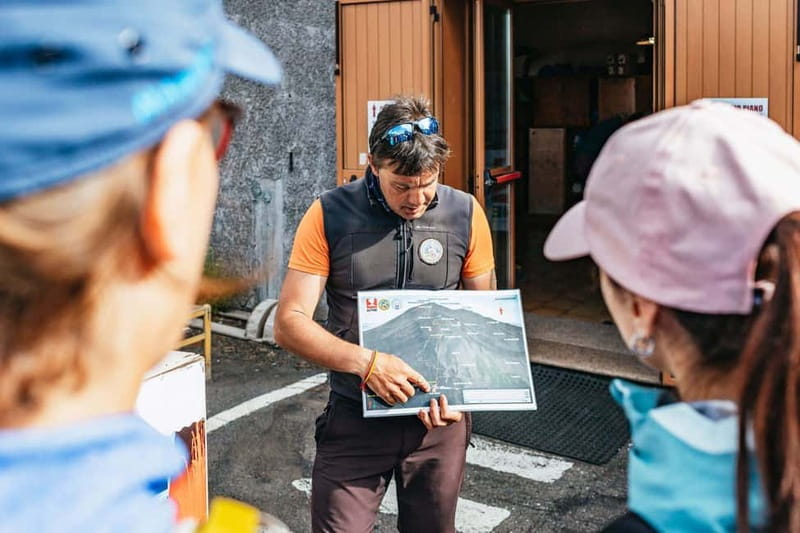
After the briefing, you head toward the cable car. The ticket is not included in the way most people expect—plan on paying for it on site (it’s listed at around 50 EUR). A 20-minute cable car ride takes you up to roughly 2,500 meters, which gives you a big head start on the climb.
Here’s what you should know in advance:
- You’ll feel the altitude sooner than you might on normal hikes.
- Wind can change fast near the upper mountain stations.
- Your clothing choices matter immediately once you’re out of the lower, warmer air.
This is a good time to settle in, take in the mountain angles around you, and check your layers. If you run hot, you still want a warm top because it can turn chilly once the wind picks up.
The hike to the summit craters: walking on volcanic evidence
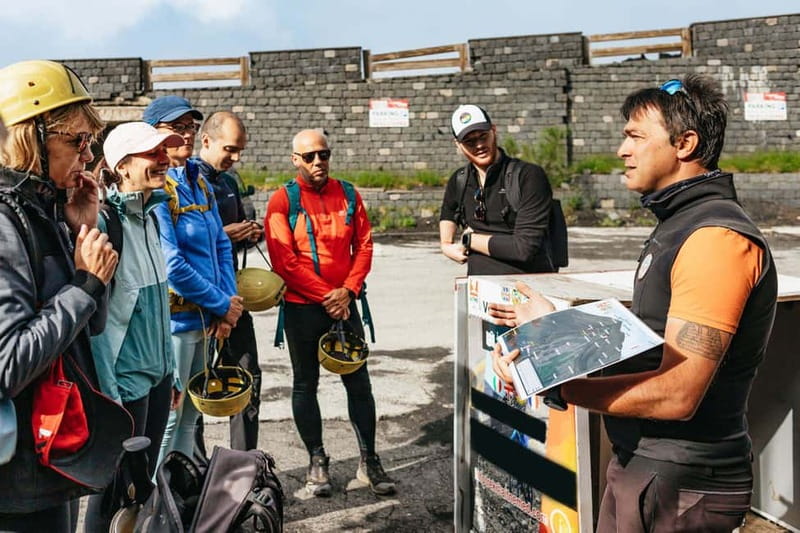
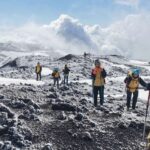
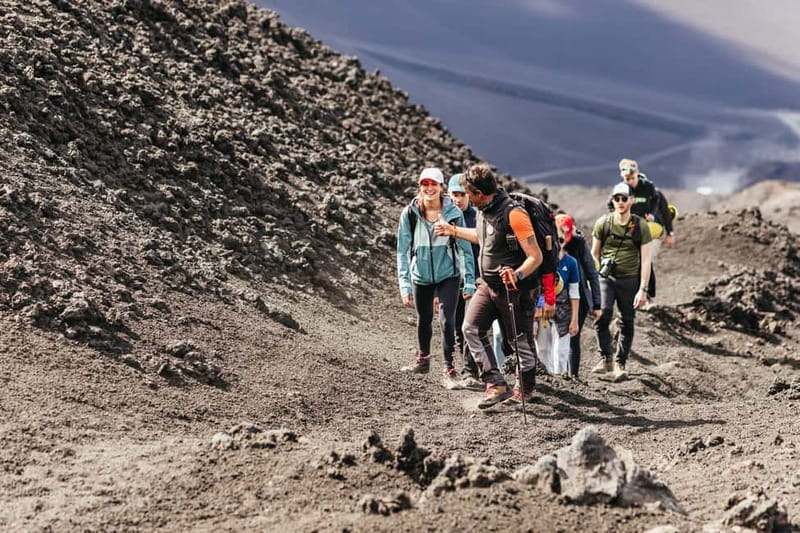
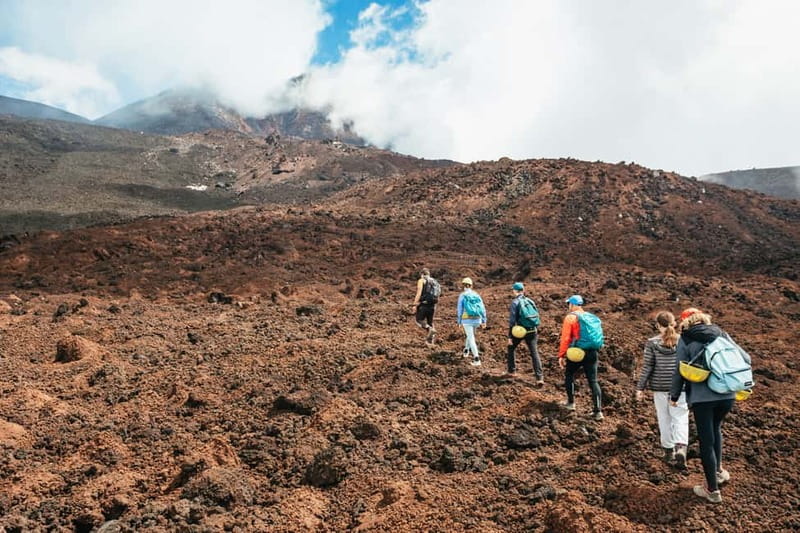
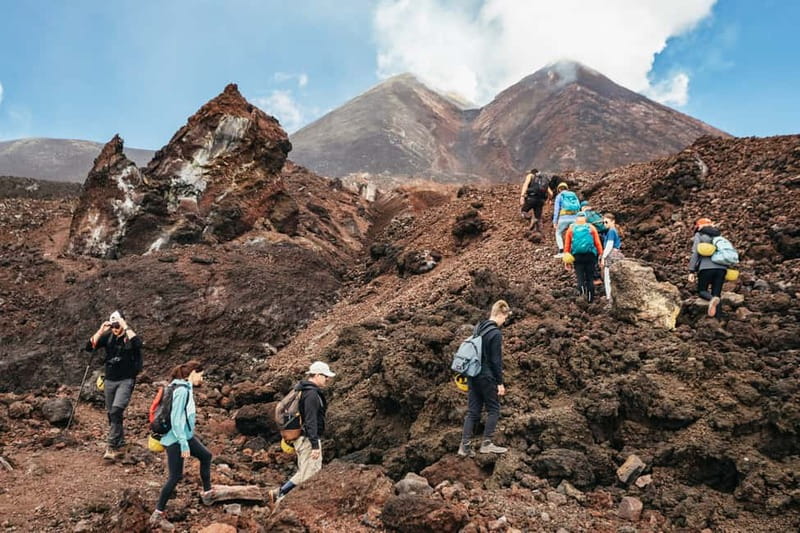
From the cable car area, the trek continues toward the summit craters, reaching about 3,000 meters. The active hiking portion is roughly 2 hours for the ascent/push and then additional trekking time as you move through the crater area and prepare for descent.
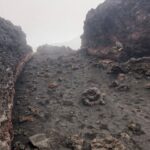
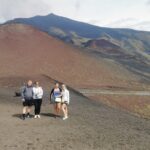
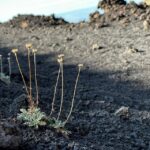
What makes this section special is that the terrain doesn’t behave like a normal mountain trail. Volcanic ground can be a mix of sand, rock, and exposed patches, sometimes without a perfectly tidy path. You’ll be crossing otherworldly terrain shaped by older flows and more recent activity.
What you’ll likely feel:
- The ground may be loose or uneven.
- Wind can make the effort feel harder.
- Your pace becomes the main tool—short steps, steady breathing, poles helping when footing gets sketchy.
A useful tip from past experiences: wear high socks and consider tucking long pants over boots to keep pebbles and grit from crawling into your shoes. And yes, bring warm layers that can handle wind. Even in decent weather, the top can feel cold once you’re up in that exposed zone.
The 2001 Crater stop at about 2,700 meters: seeing Etna still at work
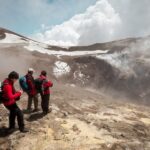
Later in the day, you’ll pause at the 2001 Crater at around 2,700 meters—the part that still fumes. This is one of the most memorable “you can’t fake this” stops because it turns the geology into something you can perceive with your senses.
If you’re sensitive to air quality or wind direction, prepare for the possibility of irritating gases. It’s smart to carry some kind of face covering for those moments when wind shifts and you get fumes in your direction (you may want it even if you think you won’t).
Also, remember the “volcano rules” your guide follows. Contact lenses are forbidden on this tour because of volcanic ash spread by the wind. That’s not a small detail. If you wear contacts, plan on glasses for the day.
Lunch break on the descent: fueling matters at altitude
After reaching the summit crater base area and completing the upper walking, you’ll descend back toward around 2,500 meters. This is when you get a break for lunch.
Lunch is not included, so bring a packed meal. Past participants strongly emphasize packing enough food and water for yourself, because you’ll burn energy on uneven ground and in thinner air. The tour recommends:
- a 10–20 liter backpack
- at least 1.5 liters of water
- a snack plus your packed lunch
This is also a good time to do a quick gear check. Wind can steal warmth fast, and volcanic grit can work its way into sleeves, collars, and shoes. A fresh layer or quick adjustment makes the rest of the descent more comfortable.
Cable car back down: finishing strong with the views still on
Once the walking portion wraps up, you return to the cable car area. The cable car ride down is about 20 minutes, and then you arrive back at La Terrazza Dell’Etna to end the experience.
This “last step” is easy compared to the hiking, but it’s still worth staying alert. Volcanic areas can be windy and a bit dusty, and if you’re tired, you’re more likely to lose focus. Keep moving with purpose, and save the big photo spree until you’re in a stable spot.
Guides, language, and why it feels more than a hike
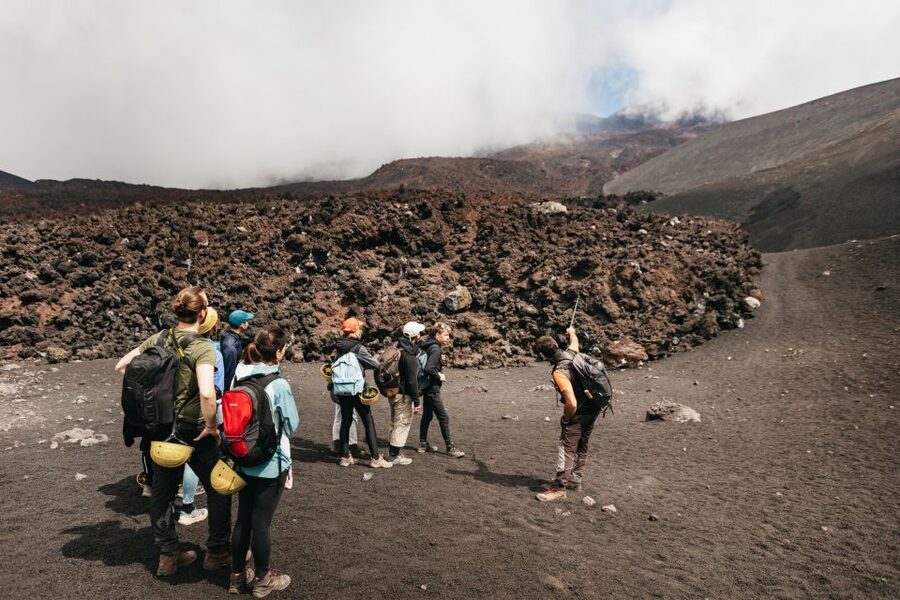
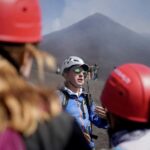
The big reason this tour gets such strong satisfaction is the guide. You’re led by a professional who can explain what you’re seeing, not just where you’re going. The day runs in English and Italian, so you can get the key explanations even if your Italian is rusty.
Names you might run into include guides like Luca/Luca, Luka, Marco, and Manuel. Different guides have different styles, but the pattern is consistent: they keep the group moving at a pace that works, and they’re ready with clear explanations about Etna and volcanology.
One more practical point: the guide helps you navigate tricky sections. People who worry about scrambling tend to feel better when someone points out where footing is more stable or how to handle the solid lava and ash surfaces. That extra “how-to” turns anxiety into concentration.
What to bring: the Etna packing list that actually helps
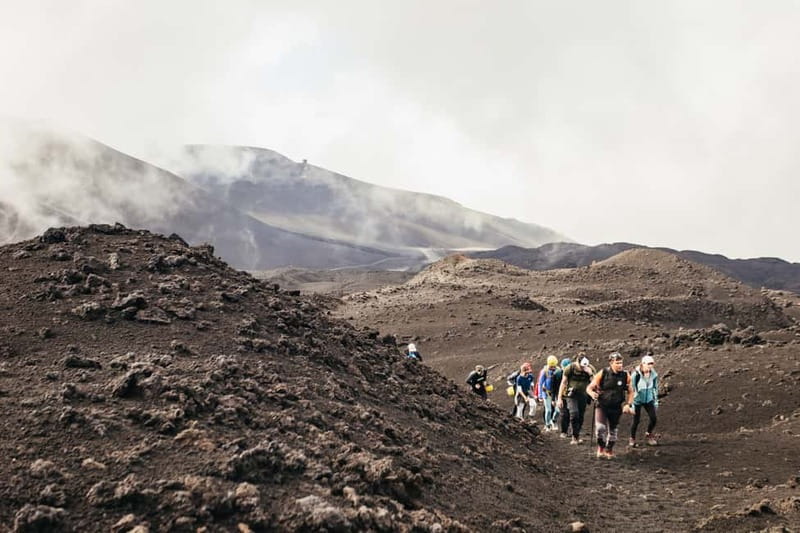
This tour hands out helmets and trekking poles, but you’re still responsible for your clothing and comfort. Here’s what you should plan on bringing:
Footwear and socks
- Hiking shoes or trekking boots
- High socks (to reduce pebbles and grit in your shoes)
- Consider tucking pants over boots to keep stuff out
Weather gear
- Warm clothing plus a windproof layer (the upper mountain can be cold and windy)
- Sunglasses
- Gloves, a hat, and a pullover/anorak if you run cold
- An extra T-shirt can be worth it after the exertion
Dust and ash
- Sunscreen
- A face covering is smart for moments when gases or fumes blow your way
- No contact lenses
Food and water
- 1.5+ liters of water
- Snack and packed lunch
- A 10–20 liter backpack
If you show up underdressed, Etna will remind you quickly. If you’re prepared, it becomes one of those days where you feel strong and focused.
Price and value: what you get for about $113
The listed price is $113.29 per person, with insurance included. You also get a guided experience plus helmets and trekking poles, and you ride the cable car (but the cable car ticket is also listed as a pay-on-site item around 50 EUR). It’s a little confusing on paper, so the safest move is to budget for the cable car cost when you arrive.
Is it worth it? For most people, yes—because what you’re paying for is not the view alone. You’re paying for:
- a volcanologist-style explanation from a real guide
- organized movement on volcanic ground
- the gear that improves comfort and safety
- the chance to reach near the summit crater area rather than staying at a viewpoint
If your day in Sicily has space for only one “big effort” experience, this tends to be the kind you remember for years. If you’re looking for a low-effort photo stop, you might feel underwhelmed and should consider a gentler alternative.
Weather, volcanic risk, and schedule changes: the reality of Etna
Etna isn’t polite. The schedule can change, and at the guide’s discretion, parts of the plan may be interrupted if weather turns or volcanic risk conditions require it. That’s not a disappointment; it’s part of hiking an active volcano.
Here’s how to work with that reality:
- Wear layers so you can adjust fast.
- Don’t plan a tightly timed activity right after the tour ends.
- Bring a calm mindset. When the guide changes a route, you’re usually seeing a safer and still-interesting version of the day.
Who should book this trek—and who should skip it
This tour is aimed at people with medium physical training who can handle walking on sand and rock when trails may be partly exposed. It’s also not for everyone.
Based on the tour’s stated limitations, avoid this if you:
- are under 10 years old
- are pregnant
- have mobility impairments
- have heart problems
- have vertigo
- have respiratory issues
And if you’re the type who panics around heights, steep, or exposed footing, this may not be the best day for you. Even with poles and a guide, the environment is still demanding.
If you want a real Etna experience—close to the craters, guided by expert explanations, and paced for progress—this is a strong match.
Should you book the Mount Etna 3,000 m guided trek?
Book it if you want the full Etna story: reaching the summit crater area, stopping at the 2001 Crater, and getting a volcanology lesson while you hike. It’s a great value when you compare what you’re actually doing (distance, altitude, crater access, guidance), not just the headline price.
Skip it if your priority is comfort over effort, or if wind, uneven footing, or altitude already makes hikes uncomfortable. Also reconsider if you rely on contact lenses or you know you’re sensitive to respiratory irritants.
If you decide to go, come prepared—boots, wind layers, and a packed lunch—and you’ll be set up for one of Sicily’s most “real” volcano days.
FAQ
Where does the tour start and end?
The activity starts at La Terrazza Dell’Etna and ends back at the same meeting point.
How long is the trek?
The total duration is 6 hours.
Is lunch included?
No. There is a lunch break, but lunch is not included. You’ll need a packed lunch.
What’s included in the price?
Included items are the guide, helmets, trekking poles, cable car ticket, and insurance (though the cable car ticket is also listed as something you pay on site around 50 EUR, so plan accordingly).
Do I need to pay for the cable car?
The cable car ticket is listed as not included and noted as 50 EUR paid on site. Check the day’s details before you go so you’re not surprised.
What fitness level is needed?
It’s suitable for people with medium physical training who are accustomed to walking on sand and rock, with some exposed path sections.
Can children join?
No. It’s not suitable for children under 10 years.
Is it safe for pregnant travelers or people with certain medical issues?
It’s not suitable for pregnant women, and it’s also listed as not suitable for people with heart problems, vertigo, or respiratory issues.
Are contact lenses allowed?
No. The use of contact lenses is forbidden due to volcanic ash spread by wind.