REVIEW · CATANIA
From Catania: trek on Mount Etna, Lava Cave & tasting Tour
Book on GetYourGuide →Operated by Kemedia · Bookable on GetYourGuide
Etna has a way of changing your pace fast. I love the guided walk where you can actually see how old craters and newer lava have reshaped the slopes, and I love the lava cave visit with helmet and headlamp. One thing to plan for: the highest-altitude cable car/jeep options cost extra and aren’t included in the $68 price.
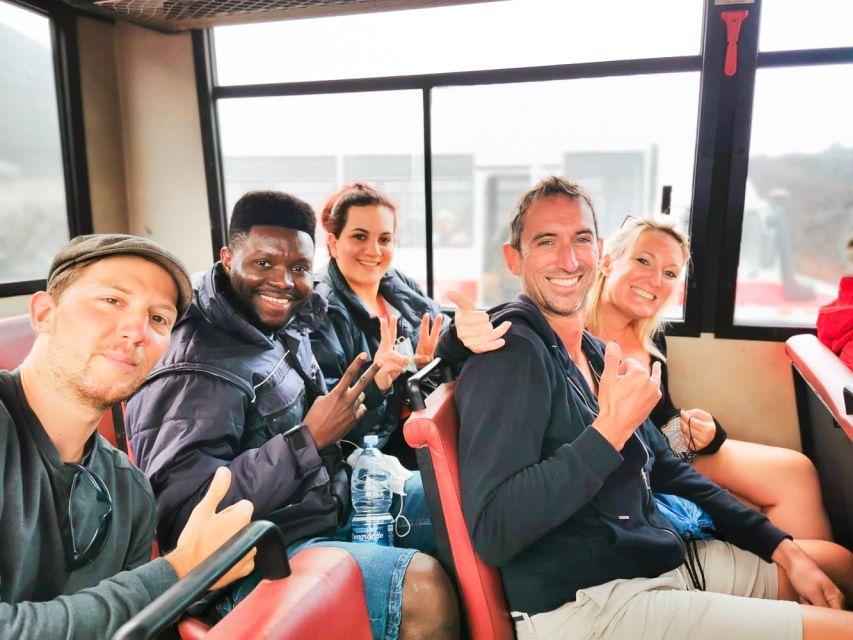
This is built for comfort and flow. You get van pickup from Catania, a multilingual guide, and a tight small group capped at 8 people, which helps everyone move together on rocky ground and in the cave.
Then comes the part that makes the day feel complete: you stop at a local products store on fertile volcanic soil and sample classics like honey, olive oil, and Etna wine. The whole day runs about 7 hours, with enough time to feel like you’ve experienced Etna Park, not just looked at it from a viewpoint.
In This Review
- Key highlights worth getting excited about
- From Catania to Sapienza Refuge: the smart start point
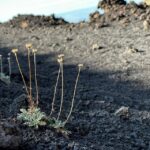
- Walking Etna Park: extinct craters and fresh lava fields on the same day
- Grotta Lunga lava cave: what’s included and what you’ll feel
- The Ragalna tasting stop: honey, olive oil, wine, and the point of it
- Guides, language, and why a small group matters
- Price and value: what $68 really buys you for a 7-hour Etna day
- What to bring (and what to expect) so you stay comfortable
- Should you book this Mount Etna trek from Catania?
- FAQ
- How long is the Mount Etna, Lava Cave & tasting tour?
- How many people are in the group?
- What’s included for the lava cave visit?
- Is lunch included in the tour price?
- Are the cable car or 4×4 bus options included?
- Is this tour suitable for mobility impairments?
Key highlights worth getting excited about
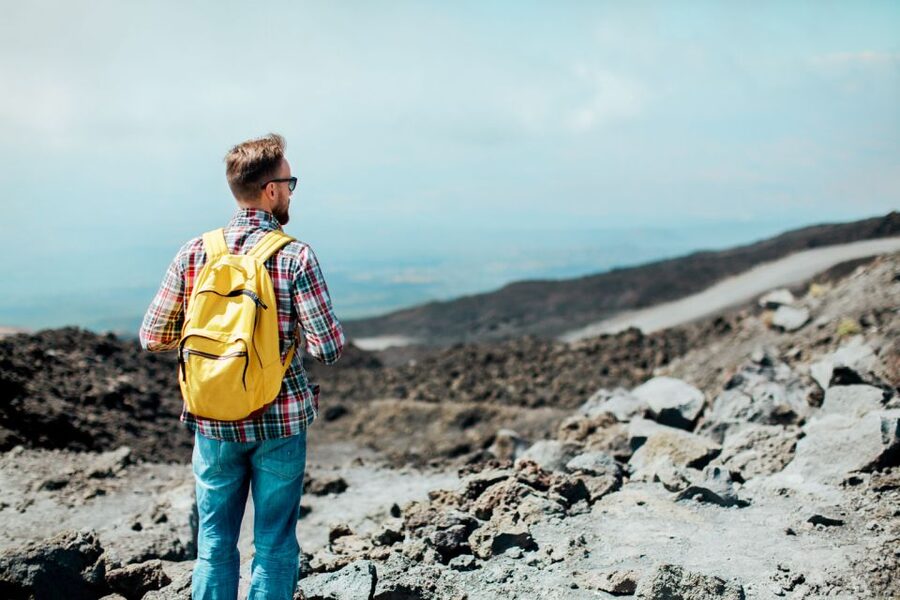
- Sapienza Refuge base camp at 1,986 meters with crater scenery right away
- Helmet and headlamp included for the Grotta Lunga lava cave walk
- Two types of Etna terrain: extinct craters plus lava fields from recent activity
- Ragalna tasting stop with honey, olive oils, and Etna wines
- Small group up to 8 people for a calmer pace and better guide attention
- Catania pickup by shuttle/van plus a smooth route timing throughout the day
From Catania to Sapienza Refuge: the smart start point
I like the way this day begins with transport, because Etna punishes delays. You’re collected from your accommodation or a nearby reachable point in Catania, then transferred by van toward Etna Park. The drive takes about 1.5 hours, which is long enough to get you ready for altitude without turning the trip into a slog.
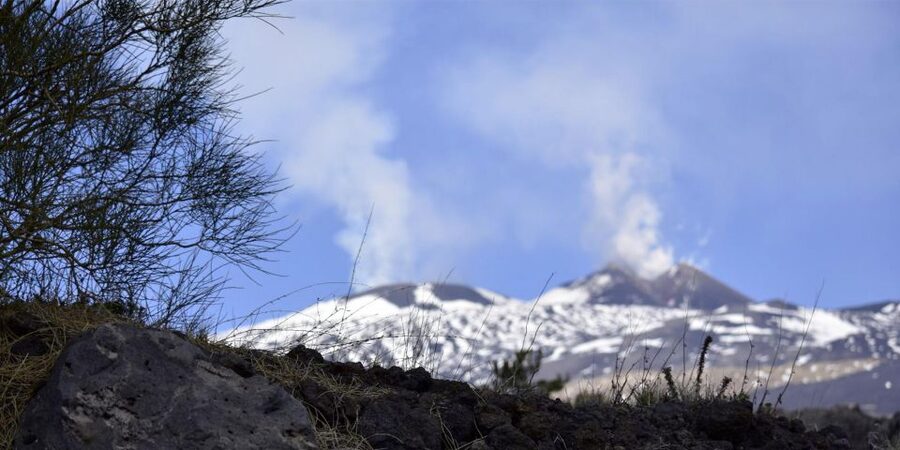
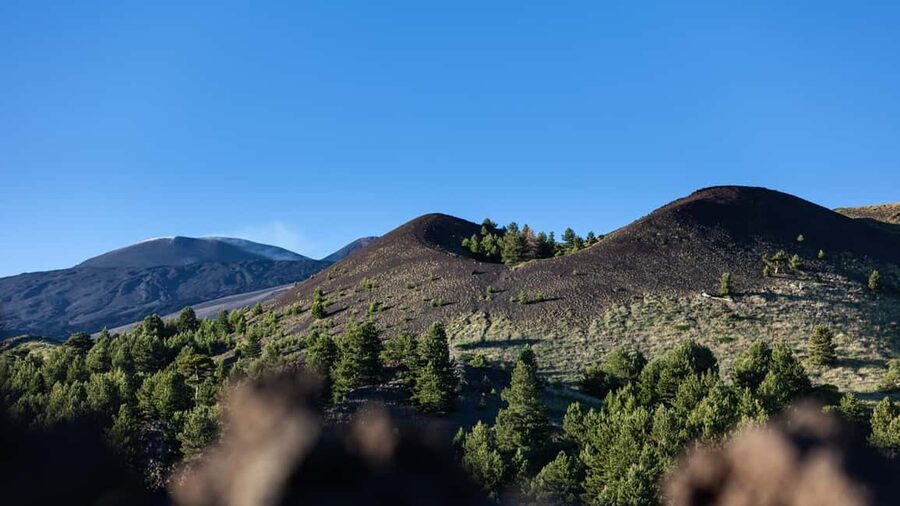
The tour’s first key moment happens at Sapienza Refuge (1,986 m). From there, you’re surrounded by a dramatic mix of dark ground, pale rock, and crater outlines. It’s also the altitude where you start to feel the mountain’s mood: wind can be sharp, and temperatures can swing quickly, even on a bright day.
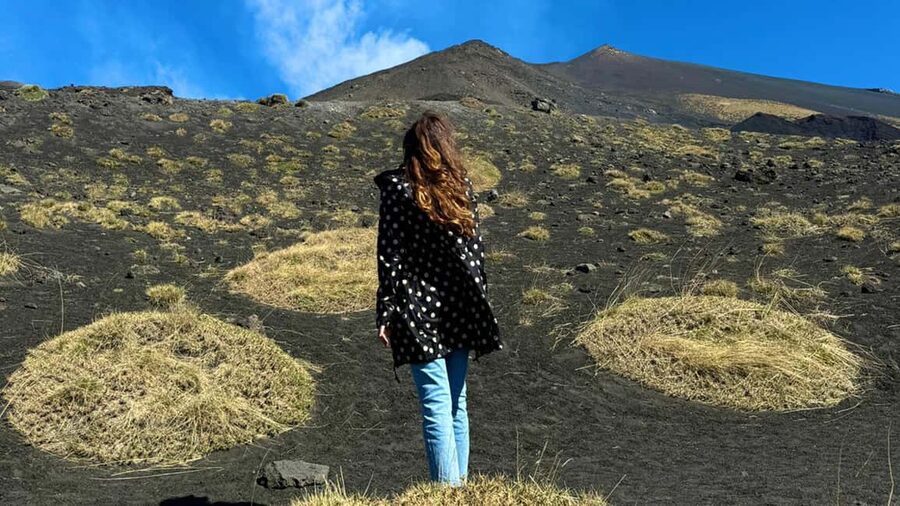
Instead of rushing straight to one “big picture,” you get a geology-focused orientation. The guide helps you understand what you’re looking at—why extinct craters read differently from newer lava areas. That matters, because Etna isn’t a static landmark. It’s an active system, and the terrain is the evidence.
If you’re short on time in Sicily, this is a solid choice because the day hits the essentials: craters, a lava cave, and a food stop. And since the group stays small (up to 8), you’re less likely to feel stuck behind someone during the short but real walking segments.
One practical note: the day includes a few different “transport modes” depending on what you choose for altitude. The tour can also offer alternatives (like cable car and jeep/bus) to reach higher zones when allowed, but those are extra.
You can also read our reviews of more tours and experiences in Catania.

Walking Etna Park: extinct craters and fresh lava fields on the same day
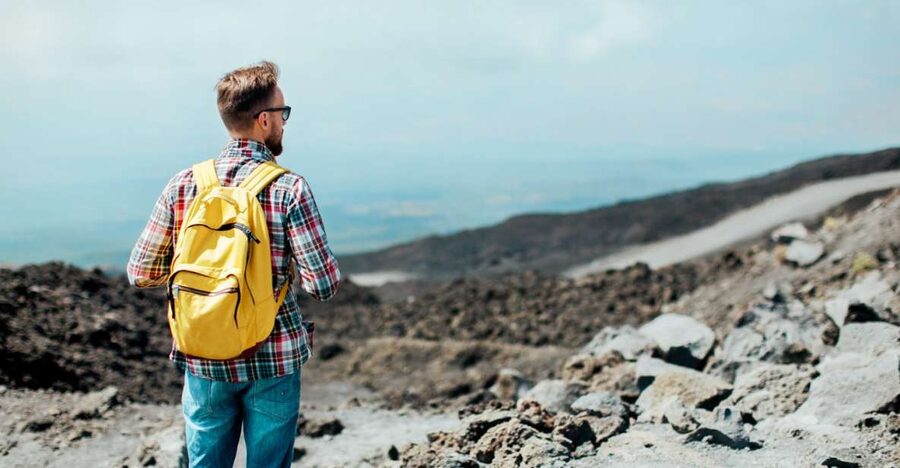
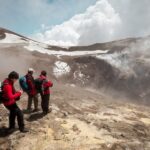
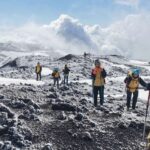
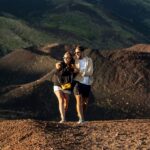
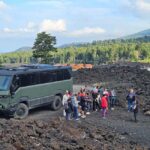
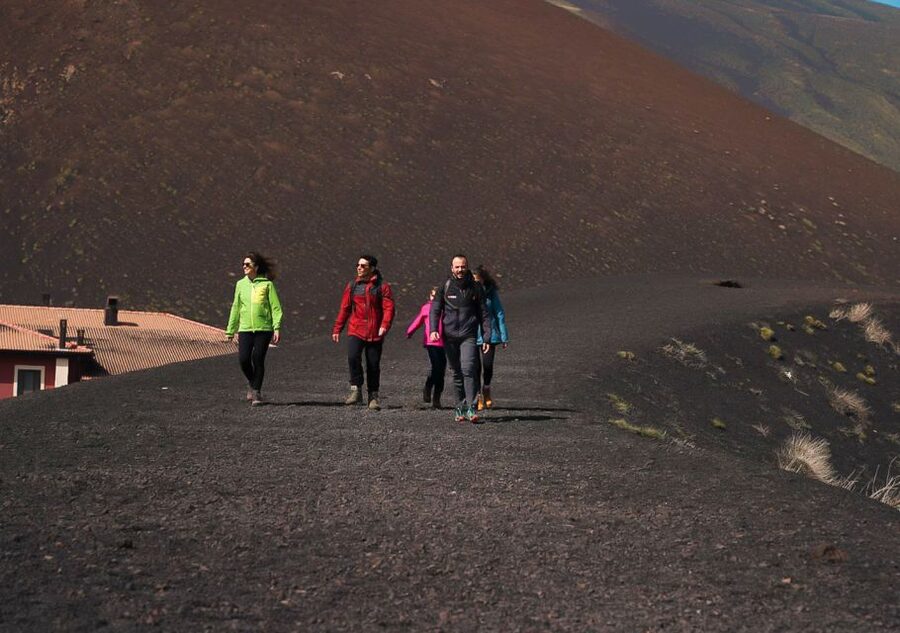
About 1.5 hours of the schedule is dedicated to a guided trek/hike on Mount Etna. You’re driven up to inactive crater areas, and then you explore with the guide’s explanations. Expect walking on uneven volcanic ground, and plan to keep your eyes on the rock textures rather than just the views.
I like this format because it gives you contrast. You don’t just see one “type” of Etna—you see the story in layers: older formations from past eruptions alongside lava areas tied to more recent activity. When the guide points out how volcanic material behaves and spreads, the whole mountain stops being a postcard and starts acting like a giant classroom.
This is also where group size helps. In a larger group, you lose time, and you end up rushing to catch up. With a max of 8, the pace stays more human, and you get chances to ask questions when something doesn’t match what you expected.
If you have any hesitation about hiking, focus on what’s being offered: the trek is guided and structured, not a DIY scramble. You still need sturdy footwear, but the tour is clearly designed for a general active traveler who can walk on rocky surfaces.
Also watch the weather. Even if the weather is fine in Catania, Etna can feel colder and windier at elevation. Bring a windbreaker and dress in layers, because you’ll be out long enough for the mountain air to do its work.
Grotta Lunga lava cave: what’s included and what you’ll feel
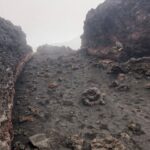
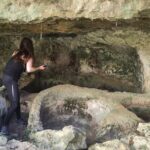
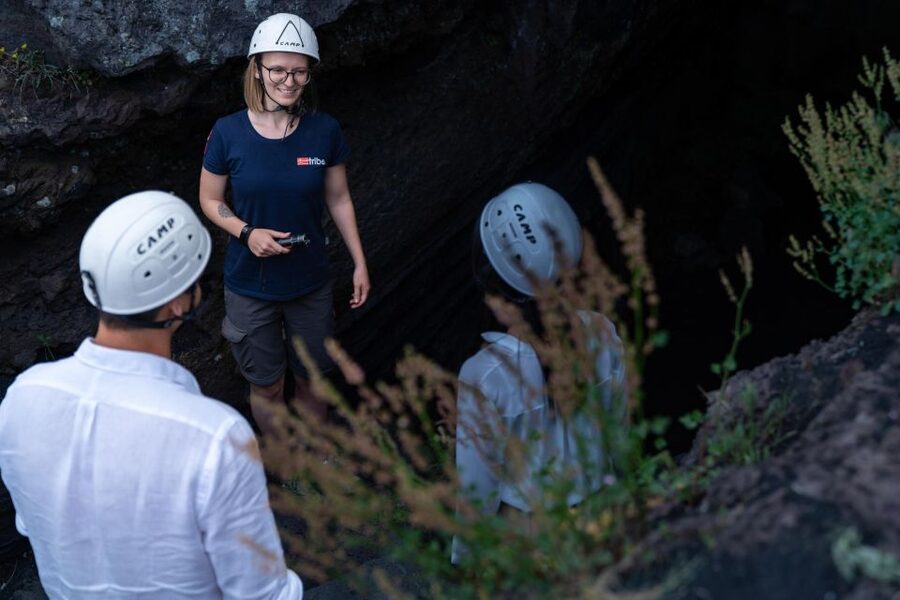
The tour’s underground highlight is Grotta Lunga, with a cave visit of about 30 minutes. This is not just a “stand and stare” stop. You’re equipped for the walk with a cave kit that includes a helmet and headlamp, which makes the cave exploration practical and safe.
I like that the gear is included, because inside a lava cave you need light and you need head protection. You’ll walk through paths shaped by molten rock long ago, and the guide helps connect the shapes you see to the volcano’s behavior.
This is the kind of experience that makes the geology real. Above ground, it’s all about rock and elevation. Underground, it’s about scale, walls, and the feeling of moving through a space created by flowing lava. Even if you’re not a science person, the cave’s physical constraints explain a lot.
Be ready for the cave’s vibe. It can feel cooler than the outside air, and you may want gloves if you’re sensitive to cold hands (the tour doesn’t list gloves, so bring them only if you tend to run cold). Also, don’t expect “lots of free time.” Cave visits are timeboxed, and the focus is on the walkthrough and your comfort moving as a group.
If you’re claustrophobic, I’d treat this as a key consideration. The cave visit is guided and lit, but it is still a cave environment. The tour does not list this as a restriction, so use your own judgment based on your comfort level.
The Ragalna tasting stop: honey, olive oil, wine, and the point of it
After the volcanic portion, you get a more relaxed stretch with a stop in Ragalna, including about 45 minutes for welcome refreshments. This is where the day turns from physical to sensory in a good way: you sample typical local products grown and produced on the slopes of Etna.
What you’ll taste (as listed): honey, olive oil, and Etna wines. The store also allows browsing, which is helpful if you want to pick up gifts without needing to plan a separate grocery run on your last day in Sicily.
I like this tasting model because it explains the volcano’s impact beyond scenery. Volcanic soil changes what grows and how it tastes, and the tasting stop is the bridge between the mountain you walked through and the flavors you bring home. It also supports small local producers, since the products are connected to the area rather than being generic supermarket souvenirs.
One budget reality: lunch is not included, so don’t assume you’ll be fed a full meal at the tasting. The refreshments are part of the tour, but if you need a full sit-down lunch, you may have to purchase it separately where offered.
If you’re a foodie, this is where the tour can feel like a bargain. For many people, the tasting becomes the most memorable part to talk about later, because it’s tied to specific products and place—Etna’s slopes, not just “Italian wine.”
Guides, language, and why a small group matters
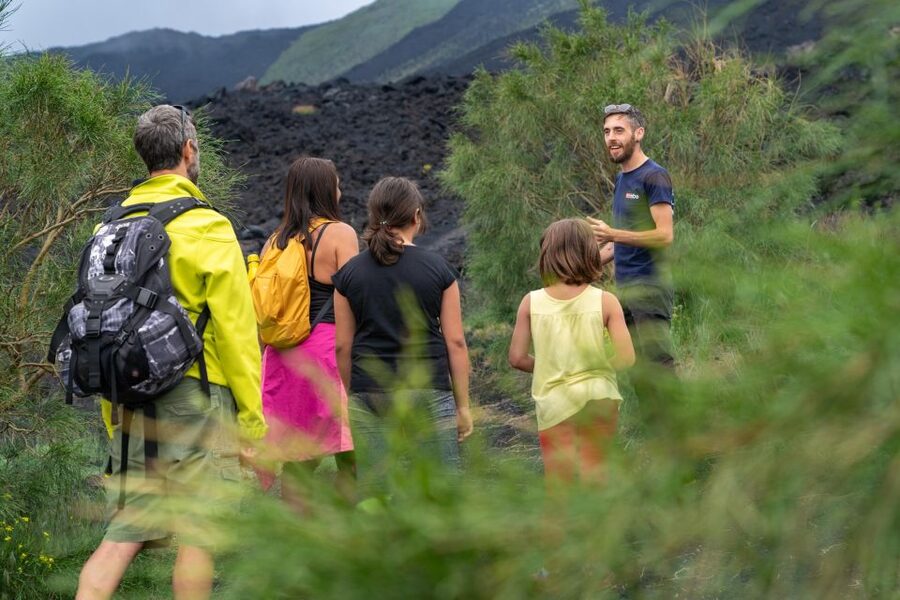
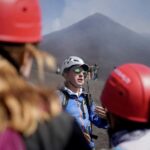
This tour runs with an expert nature guide and supports multiple languages: English, French, Italian, German, Spanish. The small group size (up to 8) is a big deal here, because crater walks and cave visits don’t tolerate long waits. You want everyone listening, stepping carefully, and staying close to the guide.
In practice, guides are often praised for storytelling and for keeping explanations clear even when the group’s language mix changes. Names that come up include Lorenzo, Carmelo, Tomaso, Enzo, and Simone. The common thread is how they connect Etna’s geology to Sicilian life—history, myths, and real-world details you can’t get from a signboard.
You’ll also notice the structure: you move by van between segments, then spend focused time on foot at key points. That reduces fatigue and helps you actually remember what you saw, instead of spending the day guessing where you’re supposed to be.
Transport also gets strong marks: 87% of reviewers scored the transportation a perfect 10. That’s not a small point on a day like Etna, where road conditions and timing can make or break the experience.

Price and value: what $68 really buys you for a 7-hour Etna day
At about $68 per person for a 7-hour tour, the value comes from what’s bundled. You get:
- pickup and drop-off around Catania
- round-trip transport by van/shuttle from the city area
- a multilingual guide
- a guided crater hike plus the cave visit
- a cave kit with helmet/headlamp
- a tasting stop with local products
Not included: lunch, and cable car or 4×4 bus to higher altitudes if you choose the add-on option. That’s the main place where costs can rise after you book.
So how do you judge value? If you want Etna plus a lava cave plus a tasting—without arranging transport, tickets, and timing yourself—this price looks reasonable. A DIY day can cost more once you add separate transport and paid entry/tickets, and you still have to manage the logistics while dealing with weather.
The biggest “value risk” is if you decide you want the highest-altitude options during the day. Those extras are separate, so budget some flexibility if you’re chasing the summit views. On the flip side, the included crater viewpoints and cave experience already deliver the core Etna story.
What to bring (and what to expect) so you stay comfortable
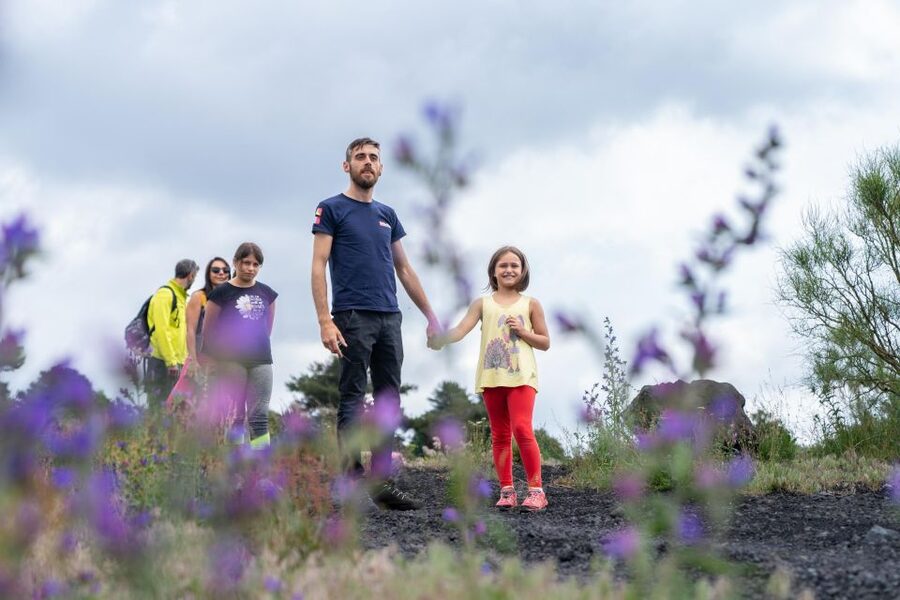
The tour lists a clear packing list: windbreaker, sports shoes, and weather-appropriate clothing, plus passport or ID (a copy is accepted). I’d treat “sports shoes” as the minimum. The ground on Etna can be rough underfoot, and the tour includes trekking footwear only upon request.
Dress for cold on Etna. Even in seasons you might call mild back in the city, altitude can be brutally honest. Plan on layers you can peel on the van and put back on outside, because wind can make everything feel colder than it looks.
You should also know what isn’t allowed and who it isn’t for. Pets are not allowed, and the tour is not suitable for people with mobility impairments. The cave and rocky crater areas require movement you can’t easily replace with a gentler route.
Finally, keep the day flexible with timing. The schedule is built around a smooth flow (drive up, hike, cave, tasting, drive back), but weather can affect how much time is spent outdoors. In winter especially, conditions can shift fast.
Should you book this Mount Etna trek from Catania?
Book it if you want a structured Etna day that combines crater views, a real lava cave walk, and a practical tasting stop without needing to coordinate all the pieces yourself. The small group size and included cave gear are strong pluses, and guides who focus on explanation and safety make a difference on volcanic terrain.
Skip or think twice if you know you can’t handle uneven walking, if caves are a stress trigger for you, or if you’re trying to keep costs super tight because the higher-altitude options are extra.
If you’re ready to trade a normal beach day for something hands-on, this is one of the more complete ways to experience Etna from Catania in a single day.
FAQ
How long is the Mount Etna, Lava Cave & tasting tour?
It runs for about 7 hours total.
How many people are in the group?
The group is limited to a small size of up to 8 participants.
What’s included for the lava cave visit?
You get a cave kit for the Grotta Lunga visit, including a helmet and headlamp.
Is lunch included in the tour price?
No. Lunch is not included.
Are the cable car or 4×4 bus options included?
No. Cable car or 4×4 bus to higher altitudes are not included in the price.
Is this tour suitable for mobility impairments?
No. It is not suitable for people with mobility impairments.