REVIEW · CATANIA
Mount Etna: North Upper Craters Guided Tour by 4×4 with Trek
Book on GetYourGuide →Operated by SAT Group · Bookable on GetYourGuide
Volcano roads are not normal roads. I love the specially equipped 4×4 that gets you deep onto Etna’s north side, and I love the short hikes that place you at real altitude without turning the day into a full climbing mission. One drawback to plan for: if the weather is hazy at Pizzi Deneri, the long-distance views can disappoint.
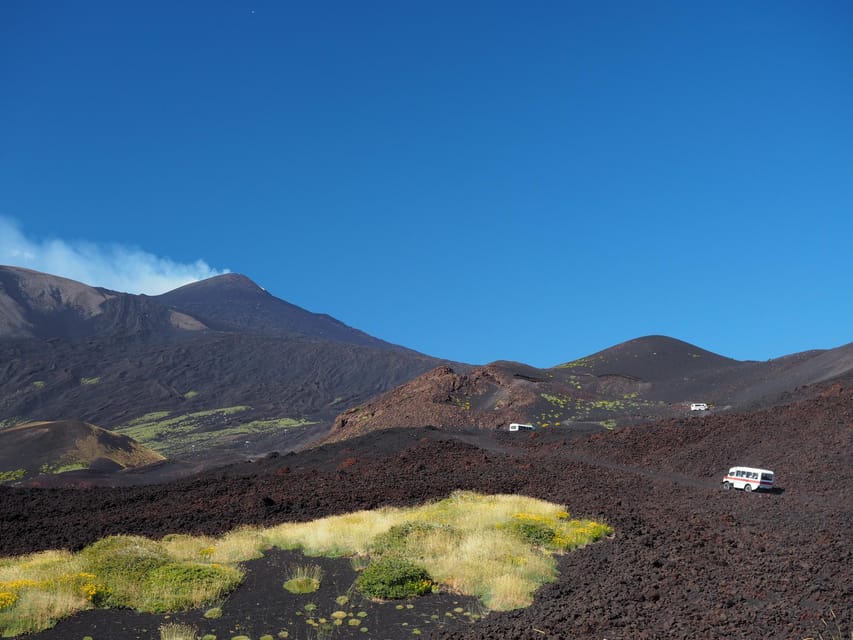
This guided tour is built around Mount Etna’s UNESCO drama and real geology, starting at Piano Provenzana around 1,800 meters and reaching roughly 2,900 meters. You’ll watch summit craters and lava activity from a safe distance, with a live guide speaking English, Italian, or French and views filtered through the 4×4 windows when things get rugged.
In This Review
- Key moments I’d circle in your plan
- Mount Etna’s North Upper Craters: Why This Route Works in 2.5 Hours
- Piano Provenzana Start: The 4×4 Gets You Up High Fast
- Le Betulle Hotel Ruins: Seeing 2002 Where It Still Shows
- Umberto and Margherita Craters + the Short Trek at 2,380m
- Pizzi Deneri Volcanological Observatory: The 15-Minute Promontory Walk
- Valle del Bove and the 2002 Buttonhole Craters: Lava Up Close, Still Safe
- Who This Etna North Upper Craters Tour Fits Best
- What to Bring (and What to Skip) for Comfortable Crater Time
- Value Check: Is $94 for 2.5 Hours Worth It?
- Booking Notes That Actually Affect Your Day
- Should You Book This Mount Etna North Upper Craters Tour?
- FAQ
- How long is the Mount Etna North Upper Craters guided tour?
- Where do I meet the guide?
- Do I need to arrange transportation to the meeting point?
- What is included in the tour price?
- What should I wear or bring?
- Is a jacket or boots rental included?
- Is the tour offered in multiple languages?
- What happens during the tour stops?
- Who is this tour not suitable for?
- Can I get a refund if I cancel?
Key moments I’d circle in your plan
- 4×4 window views along the north rim, so you’re not stuck walking everything
- Le Betulle Hotel ruins from the 2002 lava flow, still visible like a marker in the landscape
- Umberto and Margherita craters plus a short trek at about 2,380 meters
- Pizzi Deneri volcanological observatory area around 2,818 meters
- A 15-minute promontory walk where weather can open a big panorama
- Buttonhole craters from the 2002 eruption and lava-flow viewpoints before heading back down
Mount Etna’s North Upper Craters: Why This Route Works in 2.5 Hours
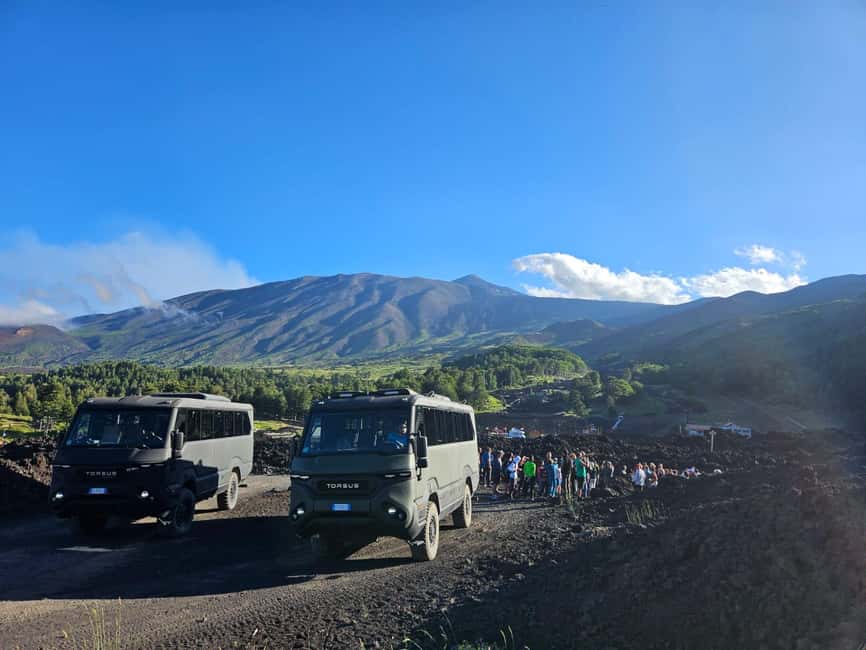
If you’re doing Etna in a short window, the north side is a smart pick. It’s dramatic, it’s high, and it’s built for seeing active-volcano features without spending a whole day on the move. You’ll start from Piano Provenzana on the north flank, then work your way up through key viewpoints that connect geology to the eruption history you can actually see.
This tour also has a very practical rhythm: mostly 4×4 time, then bite-size hiking moments. That matters because Etna’s altitude can make walking feel harder than you expect, especially if you’re not used to steep ground. Here, you get to experience the volcano up close without having the day hinge on long endurance.
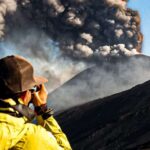
And the fact that you’ll be observing summit craters and lava flows from a safe distance is part of the value. You learn what you’re looking at, instead of just snapping photos and guessing.
You can also read our reviews of more tours and experiences in Catania.

Piano Provenzana Start: The 4×4 Gets You Up High Fast
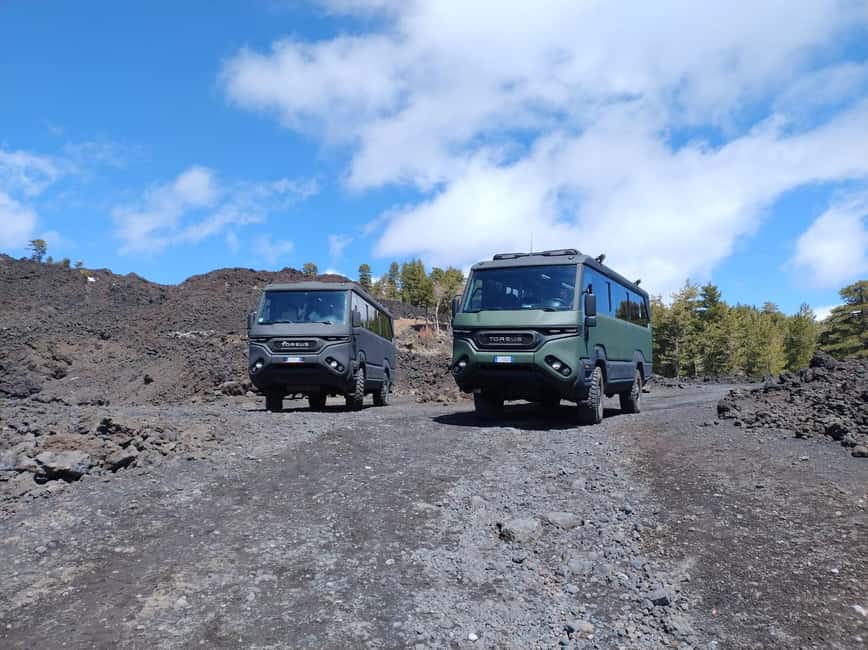
You meet at the Etna Travel Service ticket office at Piano Provenzana on the north side of Mount Etna (the exact location is listed on Google Maps). One thing to know right away: you’re responsible for getting yourself to the meeting point. Local transport up there is not something this tour handles for you, so build that into your schedule.
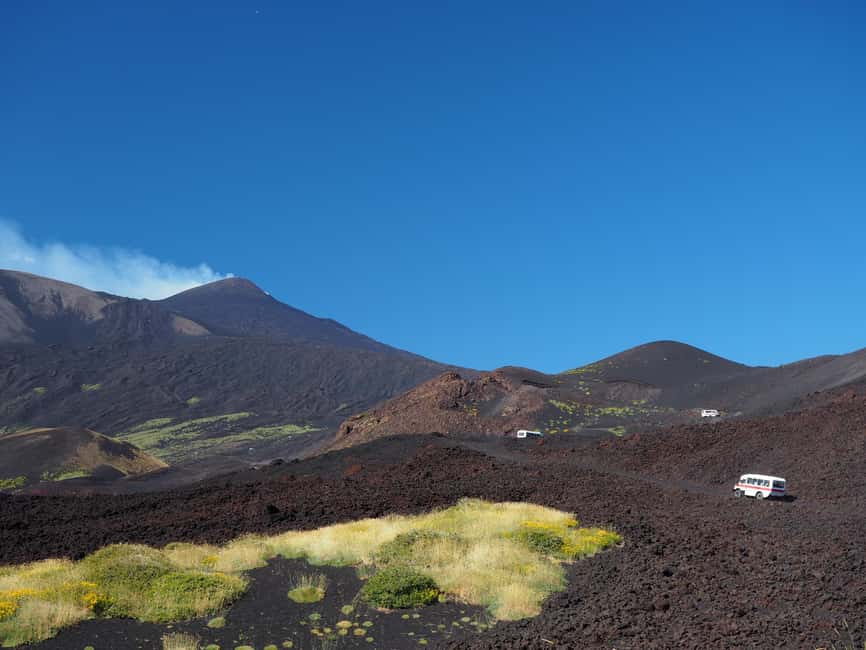
Once you’re loaded into the 4×4, you’ll feel why this is called an off-road tour. Etna’s north side is uneven and rugged, and the vehicles are designed for this. You’ll ride in specially equipped 4x4s, with windowed viewing that helps you take in the crater area as you move between stops.
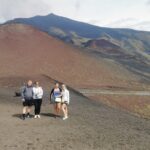
Starting around 1,800 meters means you begin already above many city-level viewpoints. By the time you reach the upper crater zones, you’ll understand why guides keep emphasizing temperature, wind, and footing. Even when the hike portions are short, the ground and air can change quickly.
Le Betulle Hotel Ruins: Seeing 2002 Where It Still Shows
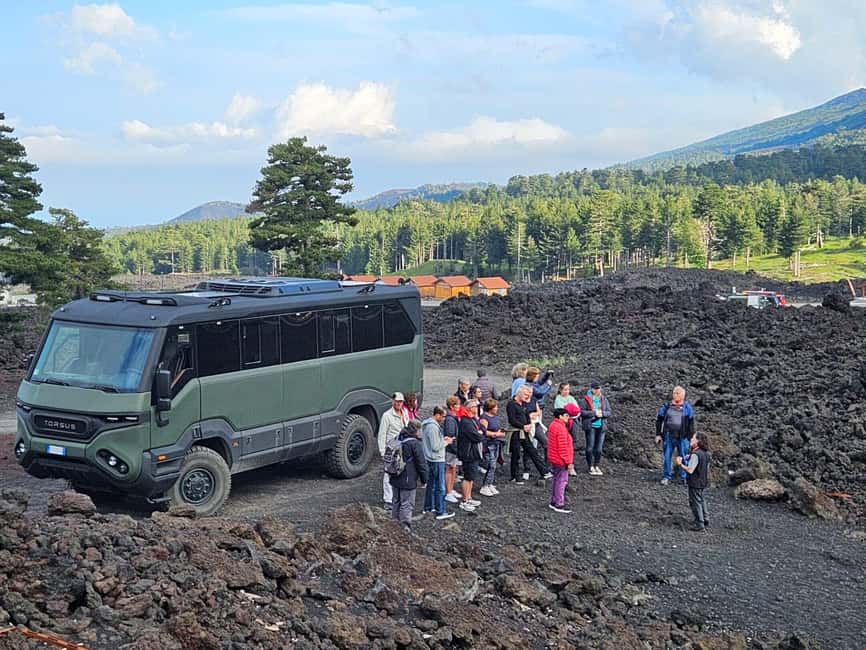
One of my favorite parts of a volcano day is when the story isn’t just explained. It’s shown. Early in the tour, you’ll stop at the ruins of the Le Betulle Hotel, the only visible structure left from the destruction tied to the 2002 lava flow.
This stop hits differently than a typical viewpoint. It connects the geology to a human footprint you can recognize: buildings, layout, a sense of place. You’re not looking at a generic crater from far away. You’re looking at a visible consequence that has stayed in the landscape long after the eruption.
From a photographer’s standpoint, the ruins also give you scale. They show how massive the lava impact was, and they give you a clear foreground when the background is made of volcanic slopes.
Umberto and Margherita Craters + the Short Trek at 2,380m
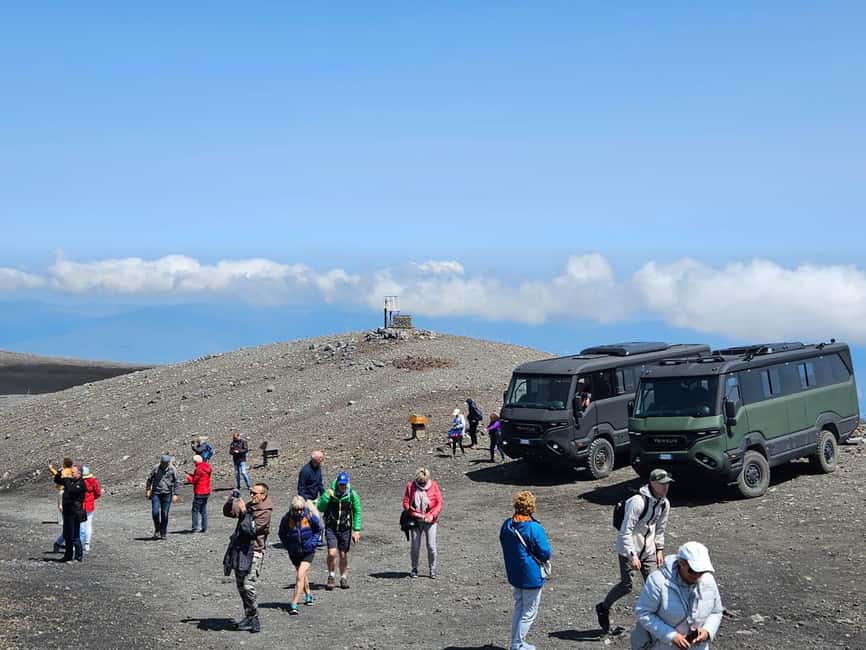
After the Le Betulle stop, the tour heads toward two of Etna’s standout features: the Umberto and Margherita craters. These names matter here because they’re part of how Etna’s complex volcanic system gets broken down into understandable targets for visitors. Your guide points out what you’re seeing as the route climbs.
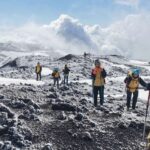
Then comes a short hike at about 2,380 meters. This is one of those “small on paper, real on the ground” moments. You’ll be walking on volcanic terrain, at altitude, with wind and cold possible even if conditions are bright lower down.
The upside is timing. You don’t spend an hour grinding uphill before seeing anything. The crater approach is staged, and the trek feels like a payoff: you move from vehicle viewing to a closer angle, then back into the ride.
If you’re trying to manage energy, this is the part to treat as the main workout. Everything after is either higher-up viewpoints or shorter segments, not a long march.
Pizzi Deneri Volcanological Observatory: The 15-Minute Promontory Walk
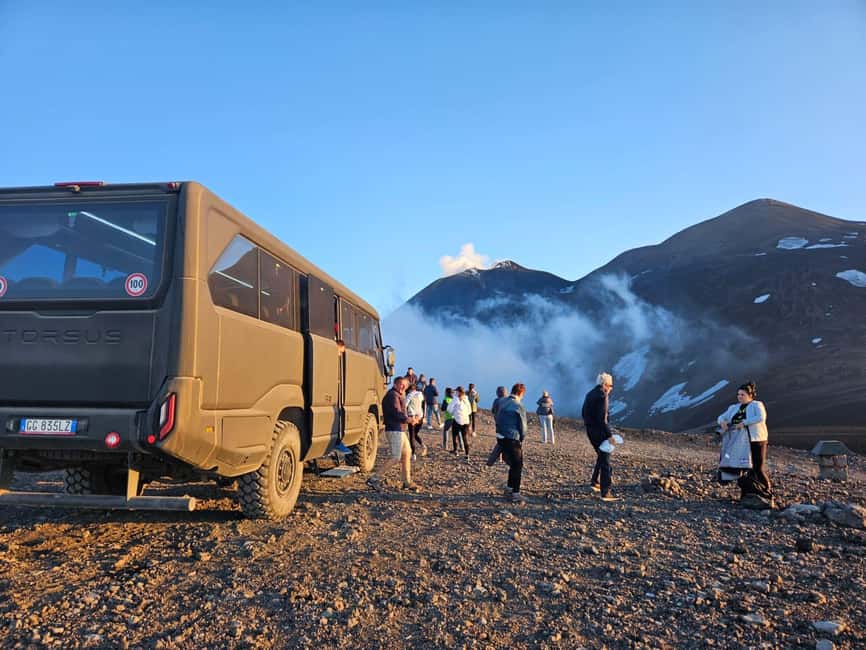
Next you’ll reach the volcanological observatory zone at Pizzi Deneri, around 2,818 meters. This is one of the tour’s “you really are on Etna” moments: altitude, open terrain, and big-sky conditions that can shift fast.
Then you’ll do a 15-minute trek to the top of the Pizzi Deneri promontory. That short duration is key for most people. You get the feeling of reaching something important without needing climbing skills or a full hour of stamina.
This stop is also where the best views can happen. If weather permits, you may see the Aeolian Islands, the Ionian coast from Syracuse to Taormina, the gulf of Giardini Naxos, and the Calabrian coast. That’s a lot of geography for one short walk, and it’s why guides are so specific about windbreaks and layers.
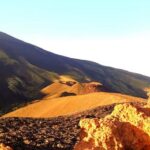
Even if the horizon is hazy, don’t skip the promontory angle. The crater terrain and Valle del Bove area are what you’re really training your eye for here. You’ll see summit crater features dominating the view, plus the way lava flows cut through the valley shapes.

Valle del Bove and the 2002 Buttonhole Craters: Lava Up Close, Still Safe
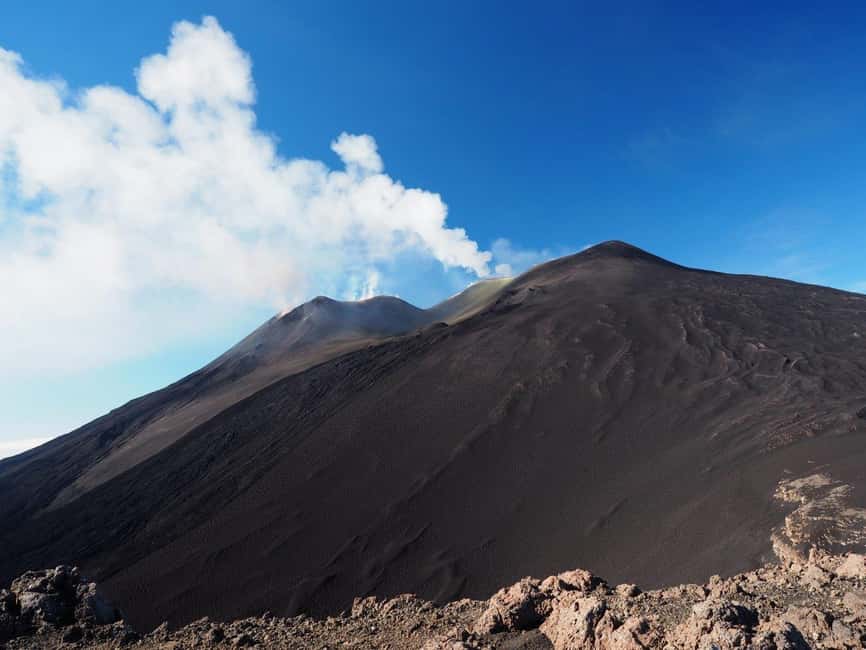
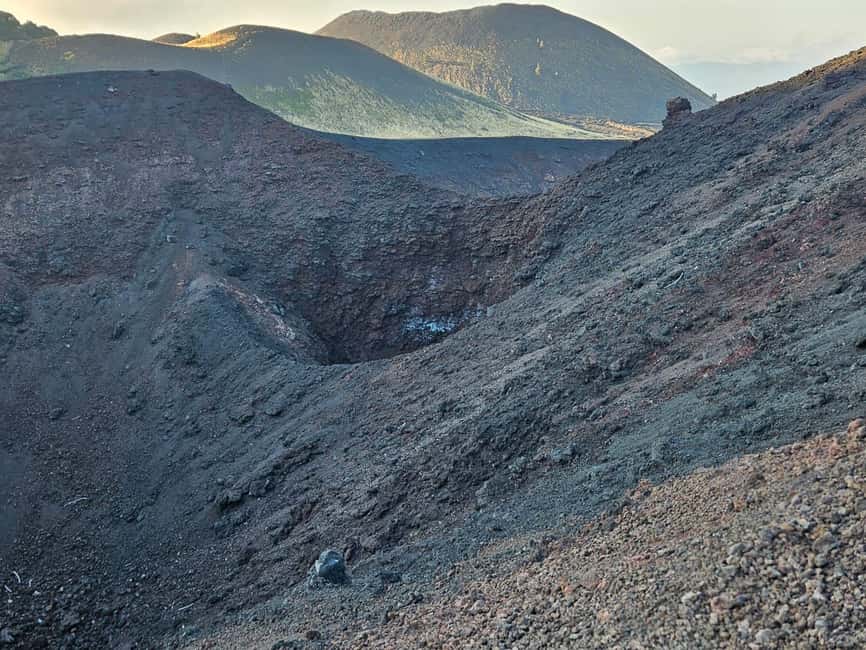
Once you’re back on the 4×4, the route continues to the area connected with the 2002 eruption. You’ll see the characteristic buttonhole craters, which are a distinctive volcanic form your guide will help you identify.
This part of the tour is less about long-distance panoramas and more about understanding volcanic textures. Watching lava-flow shapes from a viewpoint is interesting, but seeing how the ground is sculpted by eruption patterns is what makes it memorable. The tour is designed to keep you at a safe distance while still giving you that up-close connection.
After the lava-area time, you’ll head down a sandy slope for a short descent back toward the off-road vehicles. It’s not long, but it’s another reminder that this isn’t paved-surface touring. Keep your footing careful, and treat wind and cold seriously even if you started the day in mild weather.
The return to Piano Provenzana brings the day full circle: you start above town altitude, climb into crater country, then come back down while everything you learned is still fresh.
Who This Etna North Upper Craters Tour Fits Best
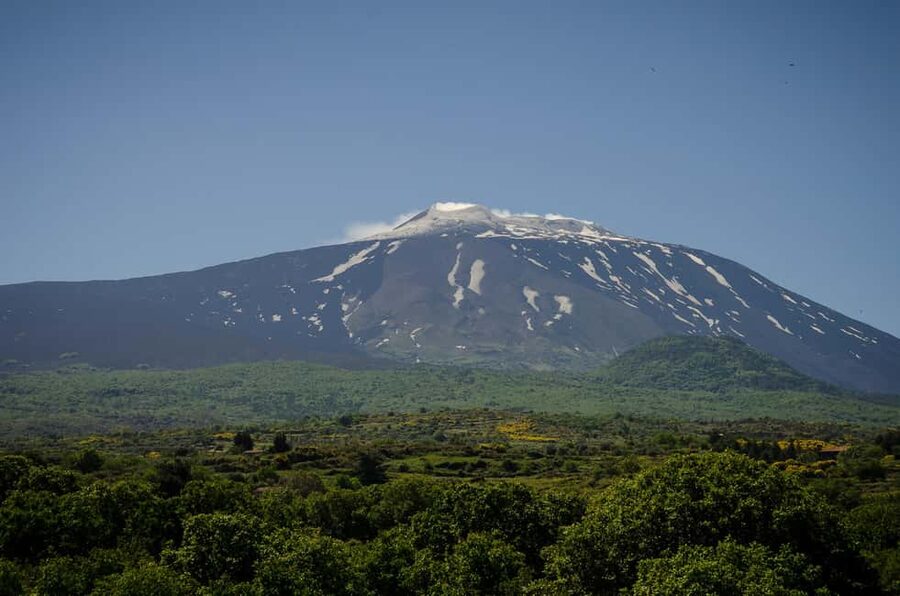
This is a guided volcano tour built for seeing a lot of key places in a short amount of time, with brief hiking segments and a 4×4 backbone. It’s a strong match if you want:
- crater viewpoints and eruption history without a full-day hike
- a guide who can translate what you’re seeing into something you understand
- a day trip pace that’s realistic at altitude
It’s not for everyone. It isn’t suitable for pregnant women or people with heart problems. Also, you’ll be on uneven volcanic ground for the trek portions, and you’ll want to be comfortable standing and walking briefly at height.
What to Bring (and What to Skip) for Comfortable Crater Time
Packing can make or break this kind of tour, because you can be cold even when the lower slopes feel warm. Bring:
- comfortable shoes with good grip
- warm clothing
- a windbreaker
Open-toed shoes aren’t allowed, so plan on proper closed footwear.
Jackets and boots rental are not included, so if you rely on rentals for comfort, you’ll need to arrange that separately. This is one place where showing up underdressed can turn a short hike into an unpleasant one.
Value Check: Is $94 for 2.5 Hours Worth It?
At about $94 per person, this isn’t a budget-only activity, but it also isn’t a long, expensive Everest-style day. The value comes from three things you’re paying for:
- the 4×4 transportation that reaches crater-adjacent areas efficiently
- a live guide in English, Italian, or French who helps you understand what you’re seeing
- included taxes and tour services, with skip-the-ticket-line convenience
For a short Etna visit, the cost makes sense because you’re buying access to the north upper crater sights, plus crater-and-lava interpretation, plus the practical logistics of moving around difficult terrain. You’re also not spending the day mostly driving yourself or trying to piece together crater viewpoints on your own.
That said, you should only book if you’re ready for the reality of weather and altitude. If you truly want peak summit access or long hiking hours, this format may feel limited. If you want smart crater viewing with manageable exertion, it’s a good deal.
Booking Notes That Actually Affect Your Day
This tour runs with live guides in English, Italian, and French. The time stated is about 2.5 hours, so it’s a half-day commitment that can fit into a longer Sicily itinerary without swallowing your whole day.
You’ll also want to plan your schedule around meeting time at Etna Travel Service in Piano Provenzana. Since transportation to the meeting point must be arranged by you, build buffer time for getting there.
On the guide side, the experience is often best when the guide is lively. On this route, I’ve seen guides such as Vincenzo and Arturo lean into clear explanations and humor, which helps the science land while you’re standing in windy crater air.
Should You Book This Mount Etna North Upper Craters Tour?
Book it if you want the north side of Etna’s best-known crater zones with guided interpretation, brief treks, and 4×4 access, all in a tight time window. It’s especially worth it if you want Pizzi Deneri and the promontory walk, because that’s where weather permitting you can pick up huge views and strong crater context.
Skip or think twice if weather is consistently poor where you’ll be on Etna, because the long-distance views depend on visibility. Also skip if you fall into the health limits listed for pregnant women or heart conditions, or if you’re not comfortable with short hikes on uneven volcanic terrain.
If you’re the type of traveler who likes understanding what you’re looking at, while still getting real physical contact with the landscape, this is a solid choice.
FAQ
How long is the Mount Etna North Upper Craters guided tour?
The duration is listed as about 2.5 hours.
Where do I meet the guide?
Meet your guide at the Etna Travel Service ticket office at Piano Provenzana on the north side of Mount Etna.
Do I need to arrange transportation to the meeting point?
Yes. Transportation to the meeting point must be arranged by you.
What is included in the tour price?
Included are the tour, a guide, transportation (on the mountain), and taxes.
What should I wear or bring?
Bring comfortable shoes, warm clothing, and a windbreaker. Open-toed shoes are not allowed.
Is a jacket or boots rental included?
No. Jacket and boots rental are not included.
Is the tour offered in multiple languages?
Yes. The live guide is available in English, Italian, and French.
What happens during the tour stops?
You visit the Le Betulle Hotel ruins, continue to the Umberto and Margherita craters, take a short trek at about 2,380 meters, reach the Pizzi Deneri observatory area and do a 15-minute promontory walk, then see the 2002 eruption area with buttonhole craters before returning to Piano Provenzana.
Who is this tour not suitable for?
It’s not suitable for pregnant women and people with heart problems.
Can I get a refund if I cancel?
Free cancellation is available up to 24 hours in advance for a full refund.