REVIEW · CHIANG RAI
Authentic trek only walk in Chiang Rai jungle
Book on GetYourGuide →Operated by Parntrek · Bookable on GetYourGuide
A real trek in Thailand’s jungle, not a quick forest walk. You’ll hike past tea plantations and hill-tribe villages, then cool off at a waterfall while learning bamboo cooking from guides like James (James 008) and Wat. Big bonus: the day feels practical and human, with a strong safety briefing and real trail time. The catch is physical: this is moderate-to-strenuous terrain with steep bits and uneven footing.
For $57, you’re getting hotel pickup and drop-off, a licensed-style guide by TAT, and lunch included—plus enough variety (villages, jungle, waterfall, and even hot-spring time) to feel like a true experience day. Just don’t book this if you hate heights, mud, or tight trails, because you’ll duck under branches and keep a steady pace for hours.
In This Review
- Key highlights you’ll feel from the first hour
- Only Walk in Chiang Rai: a real jungle hike, not a stroll
- Meeting the trail team: James 008, Wat, and the guide crew
- Village time in Chiang Rai: Lisu, Chinese, Akha, and Lahu visits
- Tea plantations and the photo-stop stretch that keeps the pace sane
- Bamboo cooking lunch: the hands-on part that makes the day
- Waterfall swim time: when the trek turns refreshing
- Hot springs stop: relaxing without leaving the jungle vibe
- What to pack for this 9-hour day (and why it matters)
- Price and logistics: is $57 good value?
- Who should book this (and who should skip it)
- Should you book Only Walk in Chiang Rai?
- FAQ
- How long is the Only Walk trek in Chiang Rai?
- What’s included in the price?
- What languages are the guides speaking?
- Is this trek suitable for beginners?
- What should I bring with me?
- Are drinks included?
Key highlights you’ll feel from the first hour
- Hands-on bamboo cooking lunch using bamboo gathered from the jungle
- Tea plantation time where you’ll smell the leaves and see how the process works
- Village visits across Lisu, Chinese, Akha, and Lahu communities
- Steep jungle trekking with safety briefing and trail guidance throughout
- Waterfall swimming (bring swimwear and a towel)
- Hot springs stop for a different kind of relaxing break in the day
Only Walk in Chiang Rai: a real jungle hike, not a stroll
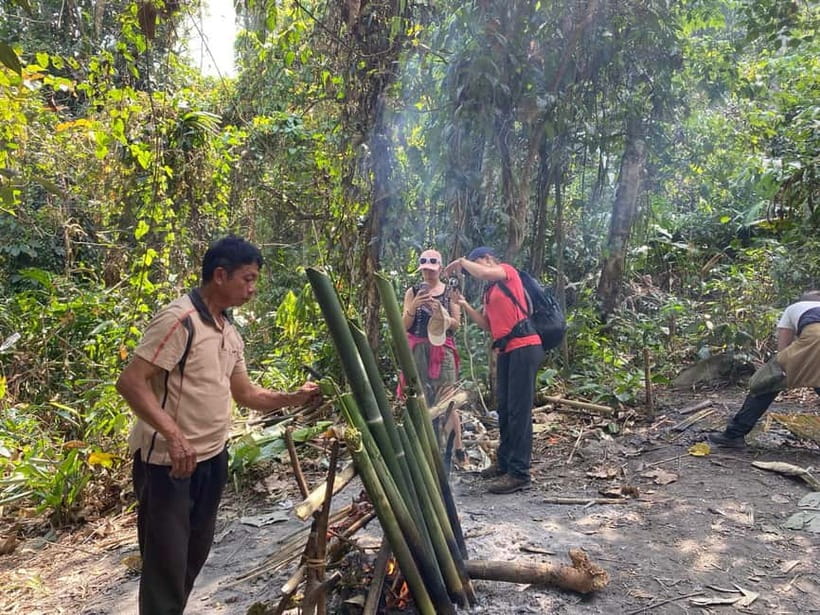
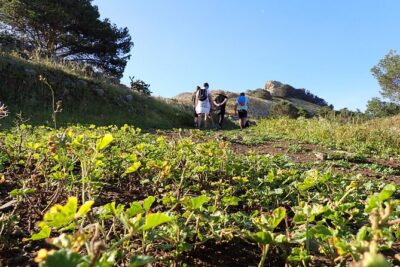
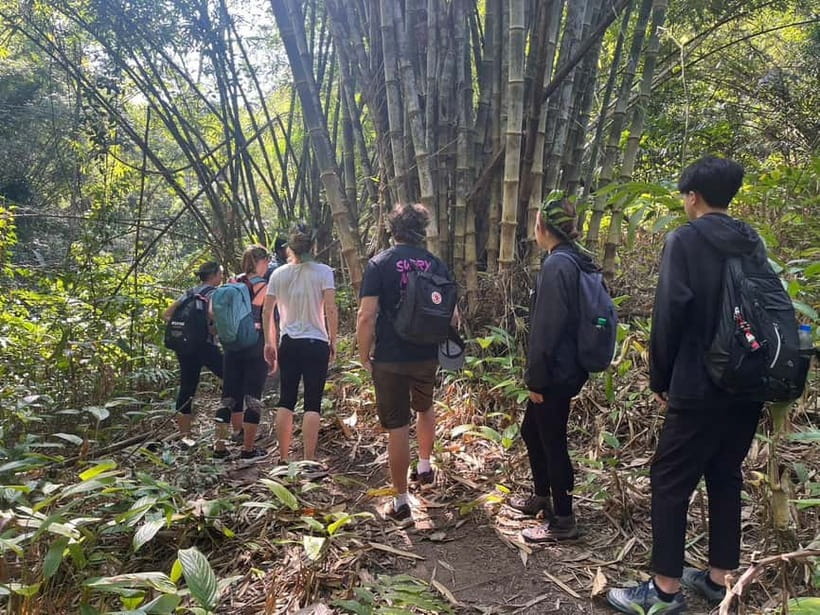
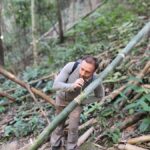
This is built as an active day. You start with a safety briefing and a guided walking/hiking stretch that already feels like you’re in it for the day, not just sampling views. There are steep slopes, uneven ground, and spots where you’ll duck under fallen bamboo or scramble over rocky bits. If you like hiking that actually uses your legs, you’ll probably love it.
On the other hand, it’s not a sit-and-stare tour. One of the clearest takeaways from real experiences: you need reasonable fitness. I’d treat the “moderate” label as honest but still expect some intensity, especially on the ups and downs.
You can also read our reviews of more tours and experiences in Chiang Rai.
Meeting the trail team: James 008, Wat, and the guide crew
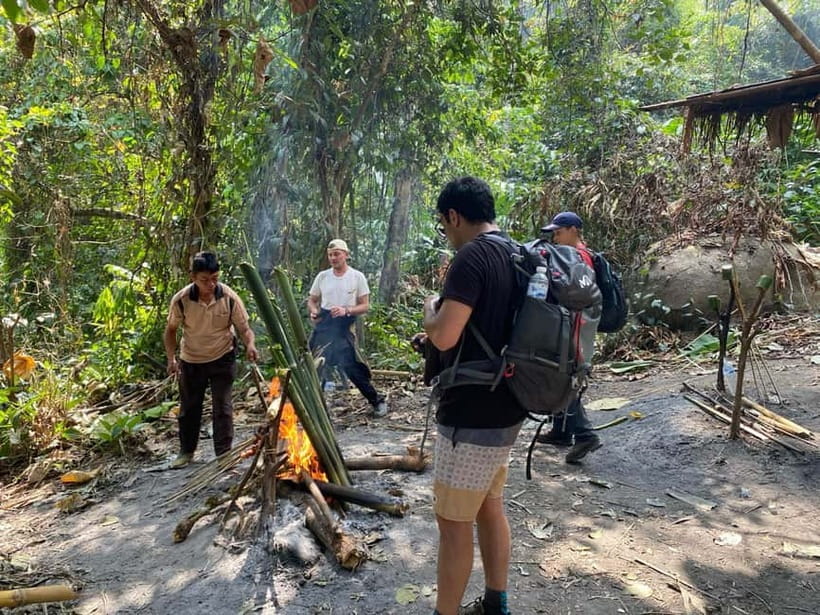
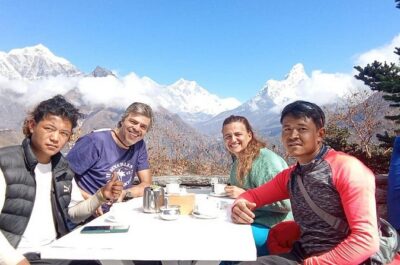
The guides are a huge part of why this day works. James (often listed as James 008) and Wat lead with a mix of humor and practical focus—keeping the group together, explaining what you’re seeing, and pushing safety without killing the fun. You’ll also get help staying aware on technical parts of the route.
What I like about how this kind of trip runs: it doesn’t feel like you’re being rushed. You’ll get time for scenic stops and photos, but the hiking stays central. That balance matters when you’re paying for a full 9-hour day.
Village time in Chiang Rai: Lisu, Chinese, Akha, and Lahu visits
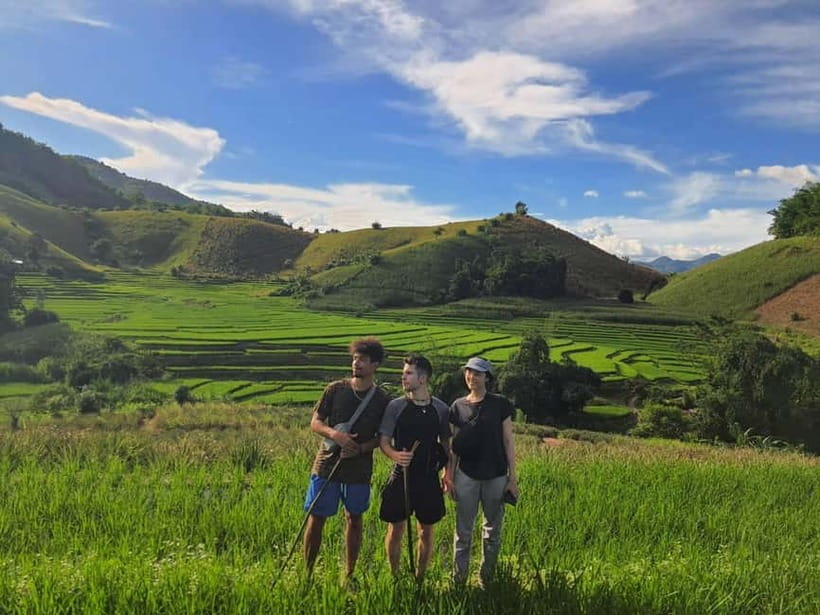
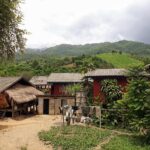
The cultural side is a big reason to choose this over a generic “waterfall hike.” The day starts in a Lisu village, where you’ll get a look at daily life and traditions of this ethnic group. Later, you’ll also visit a Chinese village, which gives you another slice of Chiang Rai’s cultural mix.
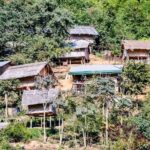
Then the deeper jungle part brings Akha and Lahu village visits. This is where the experience shifts from “tour” to “meeting people.” You’ll hear stories tied to life in the hills, and you’ll move through the villages in a way that feels like you’re walking with the day, not only sightseeing.
Quick respect tip: keep your camera ready but your curiosity first. Ask questions softly, follow your guide’s pace, and don’t rush personal moments. In a village setting, the small manners are what make the day feel good for everyone.
Tea plantations and the photo-stop stretch that keeps the pace sane
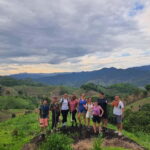
Between village time and deeper trekking, you’ll spend time around tea plantations—a smell-and-sight kind of stop that’s more interesting than it sounds. Tea in this region isn’t just scenery; it’s an everyday livelihood, and seeing the plantations helps you understand what you’re walking through.
You’ll also have a photo stop and time that includes visiting and shopping. That matters because it breaks up the day. You get moments to regroup, grab something small, and take pictures without feeling like the hike never pauses.
One practical note: shopping time can be tempting if you want souvenirs. If you’re picky, go with a plan—decide what you want before you reach the stalls, so you don’t lose track of time and energy.
Bamboo cooking lunch: the hands-on part that makes the day
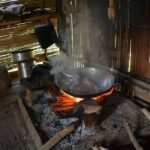
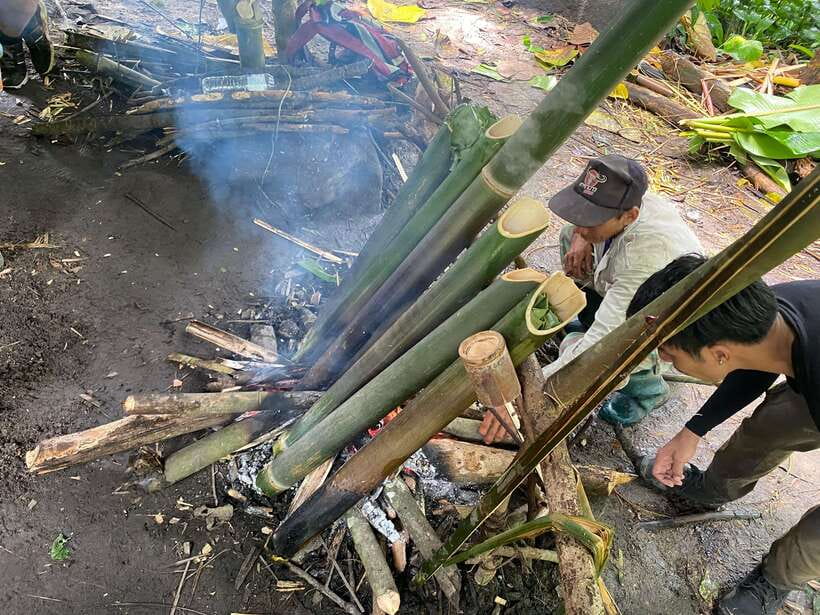
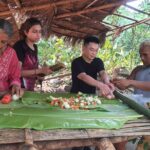
This is one of the most praised pieces of the whole experience, and it’s easy to see why. Lunch is cooked using bamboo sourced from the jungle, and you’ll learn the process rather than just watch someone plate food. It’s a hands-on Thai cooking moment, and it also ties the day’s theme together: nature isn’t only something you pass through—it becomes part of what you eat.
Expect a break that feels earned. After hours of walking, being able to sit, focus on cooking steps, and then taste your meal is a real reset. Many people highlight the food as a standout, often describing it as among the best they had in Thailand.
You might also come away with small handmade bamboo souvenirs. That’s especially cool when you get the story of how it was made during the day, rather than buying something generic at the end.
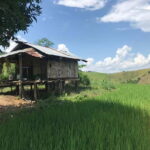
Waterfall swim time: when the trek turns refreshing
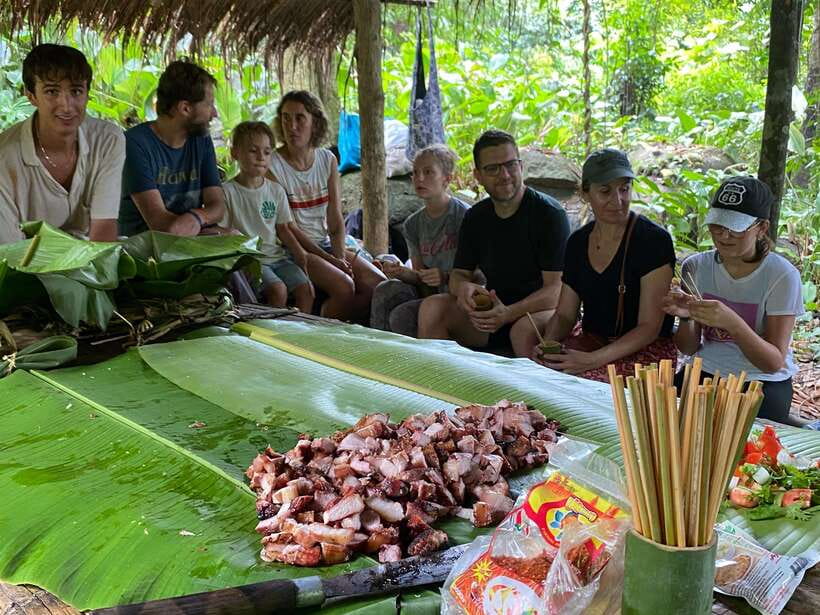
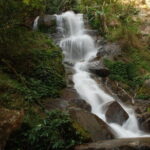
After lunch, the trek continues into denser foliage until you reach a waterfall. This is your chance to cool off after the steep parts. When you arrive, you’ll likely feel like you’ve earned it—water plus shade is the kind of reward that makes the hard trail make sense.
Because swimming is part of the plan, come prepared. The tour’s own packing list includes swimwear and a towel, which is your big clue that you’ll want both. If you only bring regular day-tour clothes, you’ll end up watching others swim while you stay dry.
Hot springs stop: relaxing without leaving the jungle vibe
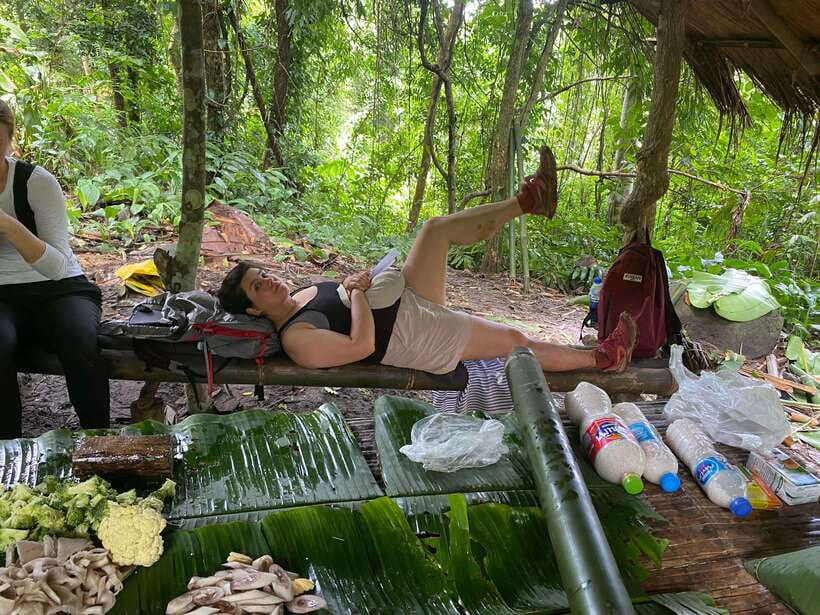
Another highlight is hot springs. This gives the day a different rhythm: hike hard, then soak or rest in a warmer setting (as long as conditions allow). It’s a nice pairing with the waterfall stop—cool water first, then warmer water later—so your body feels the contrast.
I’d approach hot springs time as recovery, not a long spa session. Keep it simple: get in, warm up, rinse off if needed, and then save your energy for the final trek back.
What to pack for this 9-hour day (and why it matters)
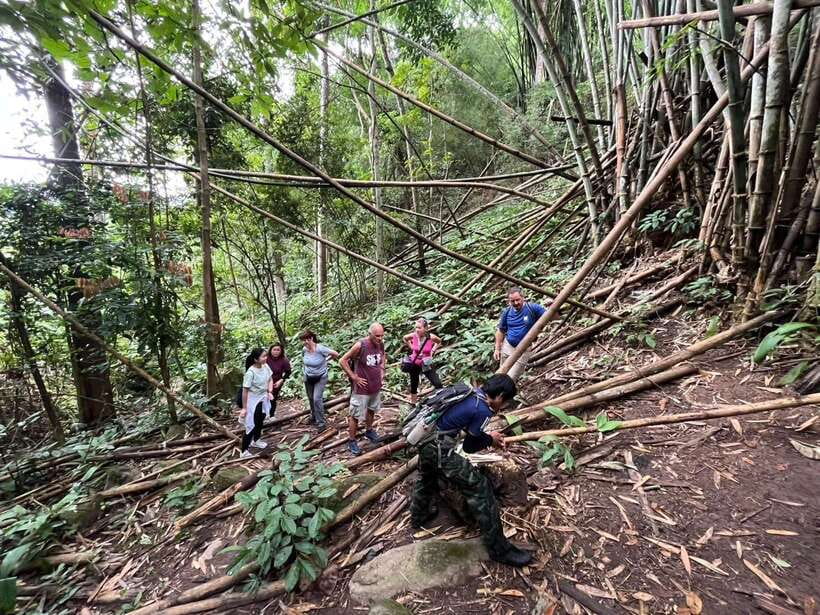
You’ll be outside for a long stretch, moving through jungle trails, and likely getting wet at least once. Bring what the experience requests—and add one or two smart upgrades if you’re picky.
Must-bring items
- Hiking shoes with grip (you’ll be on uneven ground)
- Sun hat, sunscreen
- Insect repellent
- Camera
- Swimwear and a towel for waterfall time
- Water-ready attitude: water is provided, but other drinks aren’t included
If you’re also the type who likes comfort: consider a small zip bag for your phone/cash and a change of socks if you tend to get blisters. Not everyone will need it, but it’s a lifesaver if your feet run hot.
Price and logistics: is $57 good value?
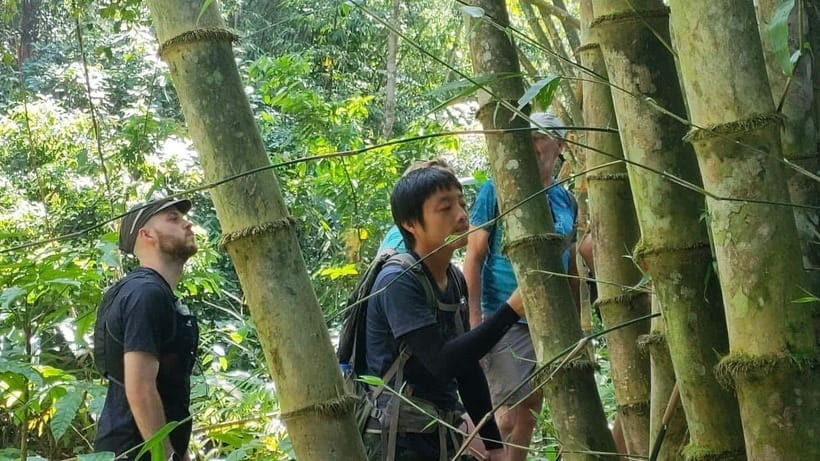
$57 isn’t just paying for a viewpoint. You’re paying for a full-day structure: hotel pickup and drop-off, a guide (English/Thai), a full lunch, and a day that combines villages, tea plantation time, trekking, and a waterfall swim. That’s a lot of “stuff” in one slot, and the trekking portion isn’t a token walk—it’s hours of real trail movement.
What’s not included matters too. Drinks other than water aren’t included, so if you’re a soda/juice person, plan to purchase separately or stick with water. Also, the vehicle experience can vary; if you’re sensitive to strong smells, it’s worth being ready to ventilate during transport.
Overall, for a 9-hour, guide-led jungle day with included lunch, it’s priced in a way that makes sense—especially if you’d otherwise pay separately for transport, a guide, and a hiking-focused outing.
Who should book this (and who should skip it)
Book it if you want:
- A proper hike with jungle time
- Cultural stops beyond one temple or viewpoint
- A cooking lunch that’s active, not passive
- Waterfall time with an actual reason to bring swimwear
- Guides who keep the day fun and organized
Skip it if:
- You’re looking for a gentle walk with minimal effort
- You have mobility concerns that make steep slopes or uneven footing a risk
- You get stressed by getting sweaty, ducking under plants, or moving for hours
One more filter: bring a “trail mindset.” This day rewards people who accept that the jungle is the main event, not the background.
Should you book Only Walk in Chiang Rai?
My call: yes, if you’re reasonably fit and you want an honest day outdoors with real cultural contact and bamboo cooking that isn’t just a photo op. This is the kind of tour that can become your favorite Chiang Rai memory because it mixes movement, scenery, and hands-on Thai food.
If you’re unsure about your fitness level, be honest with yourself. The trek is the core of the experience, and the waterfall and hot springs only work well if you’ve got the energy to enjoy them.
FAQ
How long is the Only Walk trek in Chiang Rai?
The experience lasts 9 hours.
What’s included in the price?
Hotel pick-up and drop-off, a guide by TAT, and lunch are included.
What languages are the guides speaking?
The live tour guide is available in English and Thai.
Is this trek suitable for beginners?
The trek requires a moderate level of physical fitness because it involves hiking through varied terrain and jungle trails, including steep and uneven parts.
What should I bring with me?
Bring a sun hat, swimwear, a towel, camera, hiking shoes, sunscreen, and insect repellent.
Are drinks included?
Water is included, but drinks other than water are not included.