REVIEW · AREQUIPA
4 hours Tour: Route of Sillar with Trek in Culebrillas
Book on GetYourGuide →Operated by AREQUIPA EXPLORER Y ACTIVIDADES TURISTICAS · Bookable on GetYourGuide
Sillar stone, carved canyons, and ancient petroglyphs—one outing. This half-day tour in the Arequipa region is a smooth way to see how the city’s signature white stone was born, then walk into a small canyon with history on the walls. You get the Sillar Route quarry sights plus the Culebrillas canyon walk, all without turning it into a full-day hike.
What I like most is the hands-on feel of the quarry visit: you’ll see living craft up close in Añashuayco and learn how ashlar is produced and used. Then there’s the canyon stretch—short enough to stay comfortable, but dramatic enough to make the walk feel worth it, especially once you reach the petroglyphs and the Wari-era markings.
One thing to plan for: entrance tickets to the sites are not included and come to 18 soles total, so budget that on top of the $11 price.
In This Review
- Key highlights worth getting excited about
- How the timing really works for a 270-minute adventure
- Getting to the Sillar Route: meeting point and first views
- Añashuayco Quarry: where the white stone story becomes real
- Megacarving and the stonemasons: the moment this tour turns fun
- Quebrada de Culebrillas: a short canyon walk with petroglyph payoff
- Andenerias and volcano viewpoints: why the view stops matter
- Price and value: is $11 a good deal?
- Language and comfort: what to expect in the real world
- Getting dropped back near Arequipa’s center
- Who should book this, and who might skip it
- Quick FAQ
- FAQ
- What is the duration of the Route of Sillar with Trek in Culebrillas tour?
- Where does the tour start and where do you get dropped off?
- How much does the tour cost, and what entrance fees should I budget?
- What stops are included on the route?
- Is the tour offered in English or Spanish?
- Are there multiple departure times?
- Should you book it?
Key highlights worth getting excited about
- Añashuayco Quarry views: tall igneous-looking cliffs and the working quarries behind Arequipa’s sillar look
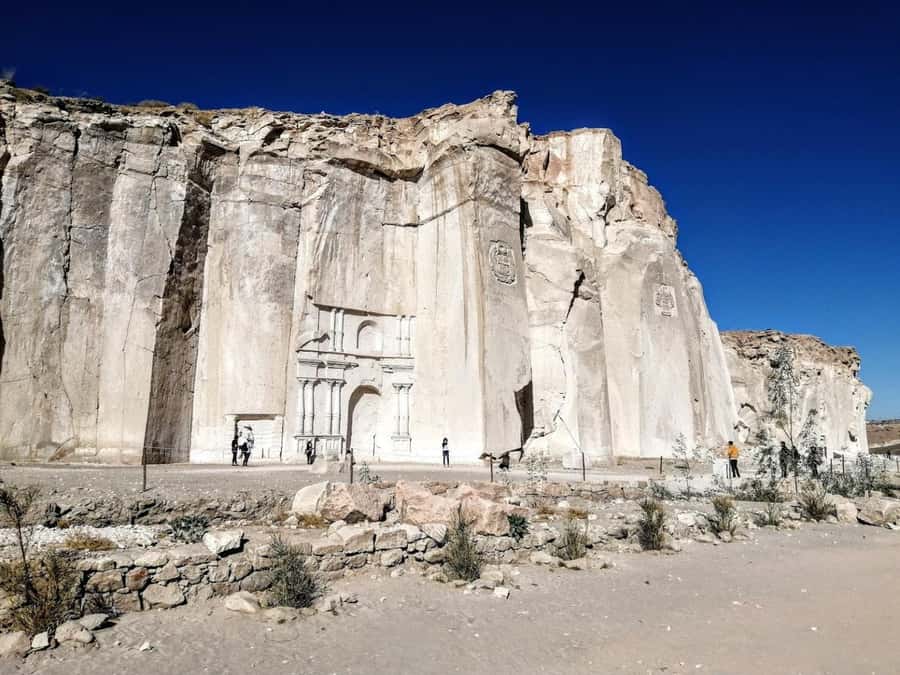
- Megacarving of the Church of the Company of Jesus: a huge stone carving made by stonemasons
- Culebrillas canyon walk: a roughly 20-minute walk inside a canyon with 15–20 meter walls
- Wari petroglyphs: ancient rock markings you’ll spot at the end of the canyon walk
- Apachetas: stone piles tied to local thanks-and-good-luck beliefs, before you head back
- Volcano/Andenerias viewpoint stop: a strategic photo break with volcano-and-valley views early on
How the timing really works for a 270-minute adventure
This tour is built for a half-day rhythm. You start at 9:15 am and you’re back in Arequipa by about 1:30 pm, with a separate 2:00 pm shift listed for those who prefer the later light. The total time is listed as 270 minutes, so the pace is brisk but not frantic.
You’ll travel by van between stops, with photo breaks and guided explanations timed around the driving distance. The walking portion is manageable, but it’s not zero: you’ll do a canyon walk and you’ll have some time on your feet at the quarry. If you’re the type who loves lingering, bring that energy for the quarry free time, and keep your expectations realistic for the canyon—it’s short by design.
You can also read our reviews of more tours and experiences in Arequipa.
Getting to the Sillar Route: meeting point and first views
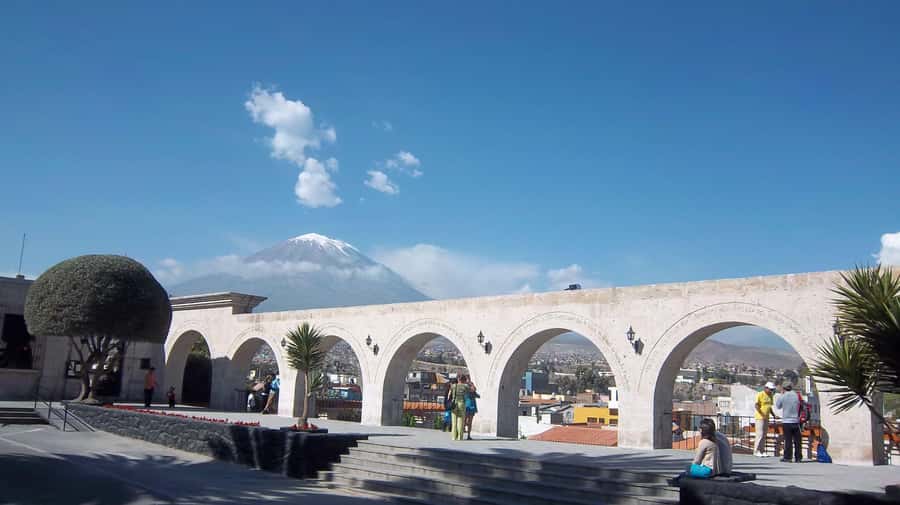
The meetup is at C. Álvarez Thomas 115. From there, you head out in a van and get a first viewpoint break before the deeper quarry portion. The plan includes a strategic look-out where you can see the Volcanoes and the Chilina Valley. Depending on the season, the tour may swap in another traditional viewpoint that also focuses on volcano views.
Why this matters: before you hit the stone quarries, it helps to understand the geography. Seeing the valley and volcano backdrop makes the later “how this stone got formed and used” explanations click faster. Plus, it’s your best early shot for photos without scrambling around.
Practical note: viewpoint stops tend to be short, so I’d keep your camera ready and your layers on. Arequipa weather can change quickly, especially as you move away from the city.
Añashuayco Quarry: where the white stone story becomes real
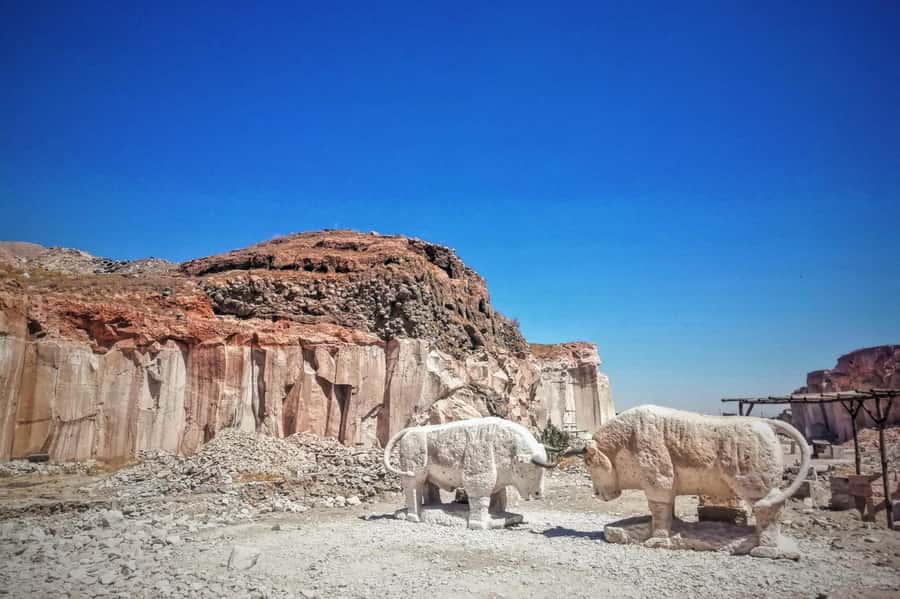
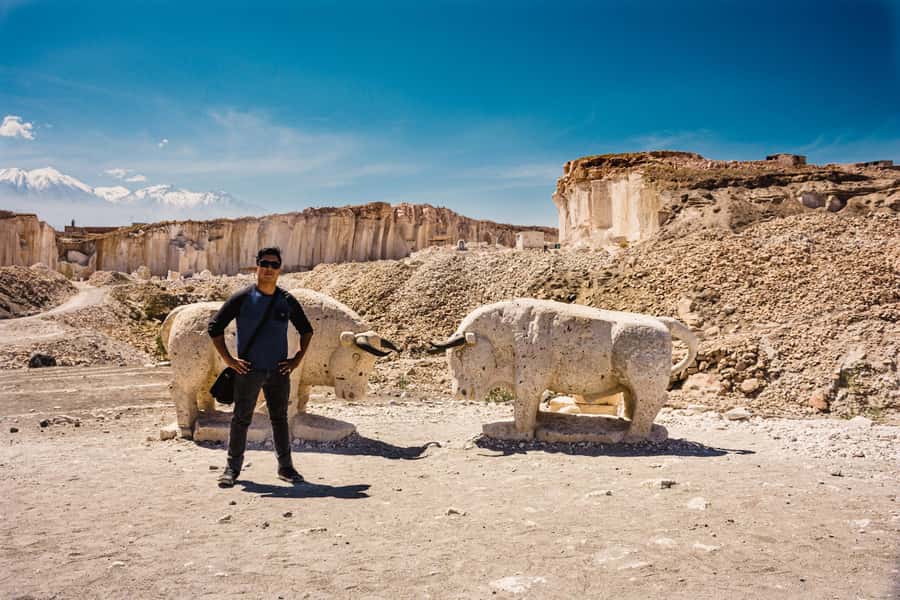
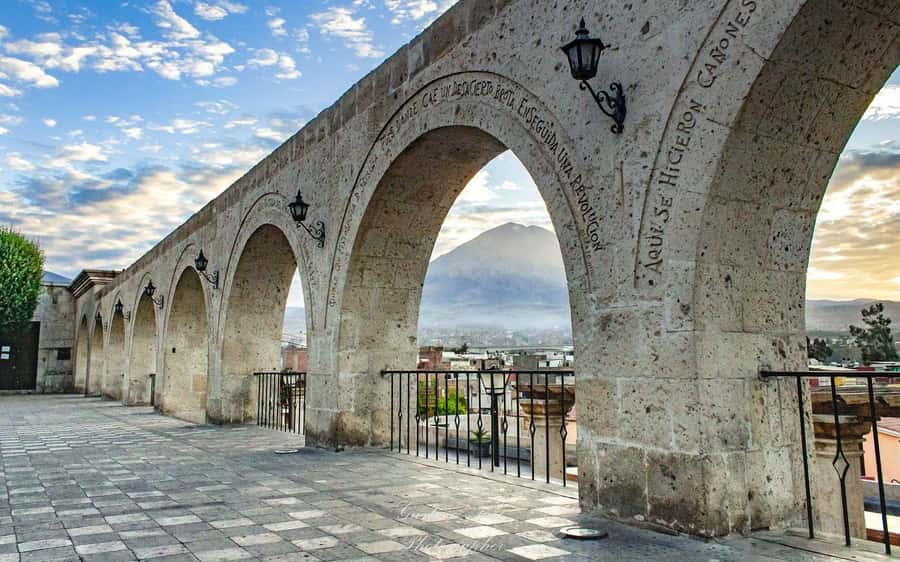
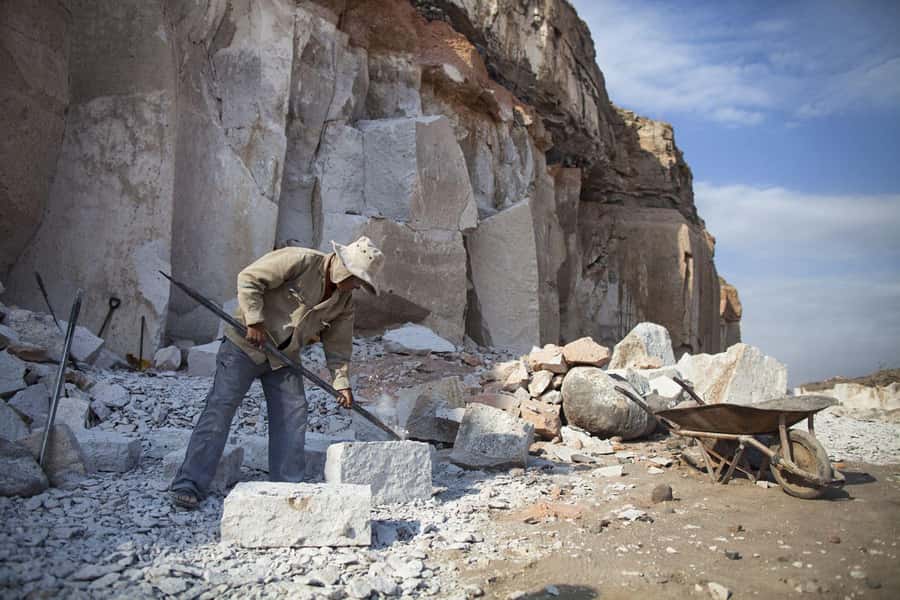
The core stop is the Añashuayco Quarry, reached after about 45 minutes in the van. This is not just a scenic pull-over. The quarry is described as currently in operation, with stonemasons working early. That living-craft detail gives the route a grounded feel: you’re not just looking at a museum quarry behind glass.
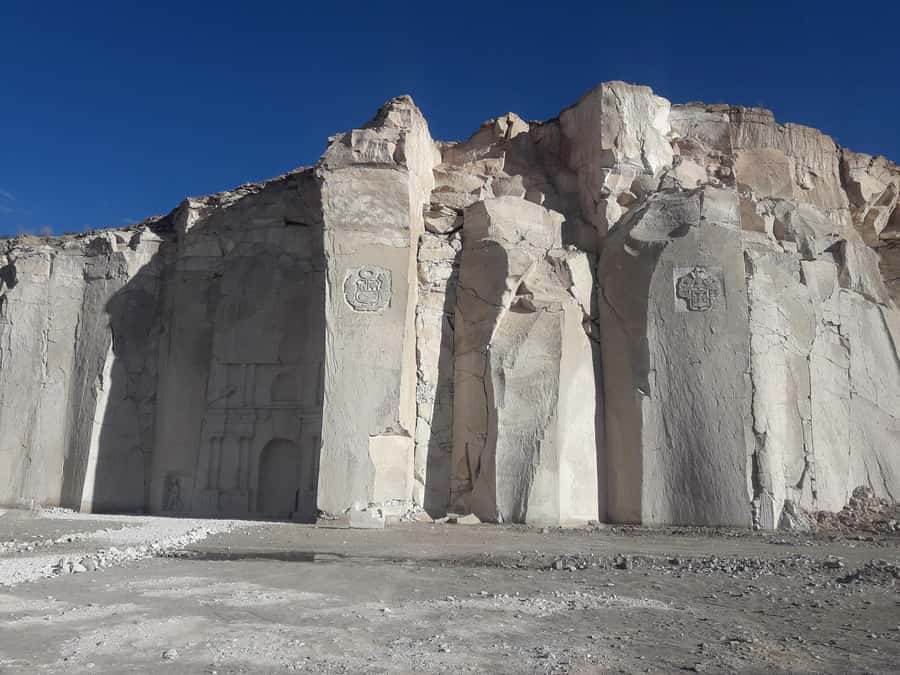
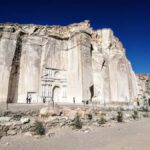
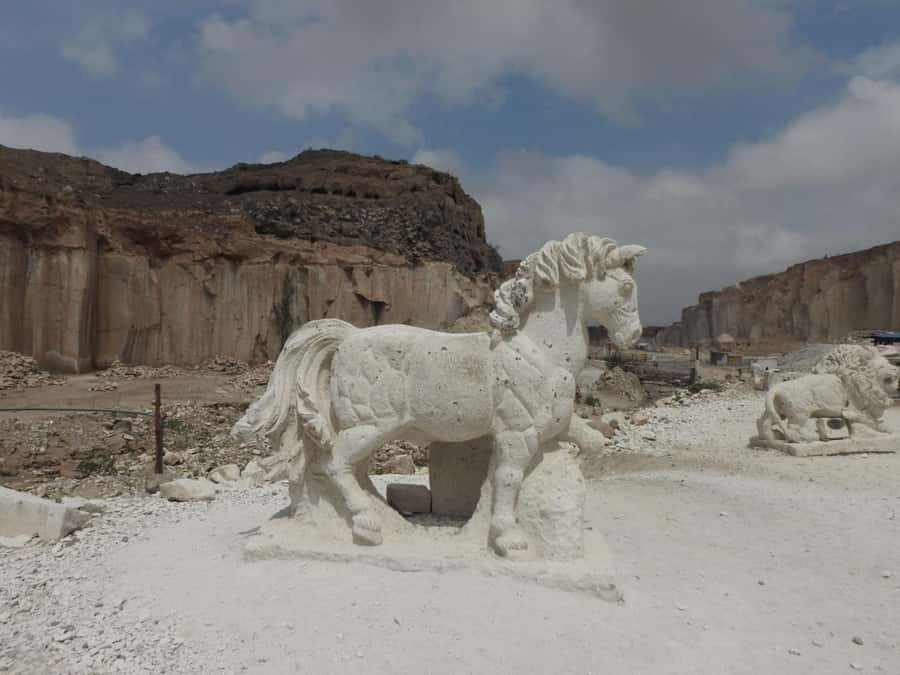
Inside the quarry, the setting is all about scale. You’ll be shown the immense canyon and the high cliffs (formed by extraction for making the ashlar). Your guide will explain the history of sillar ashlar production, how the stone is formed, and what it has been used for over time.
What to pay attention to during the guided part:
- The quarry walls and carved sections: they tell the story of extraction better than any diagram
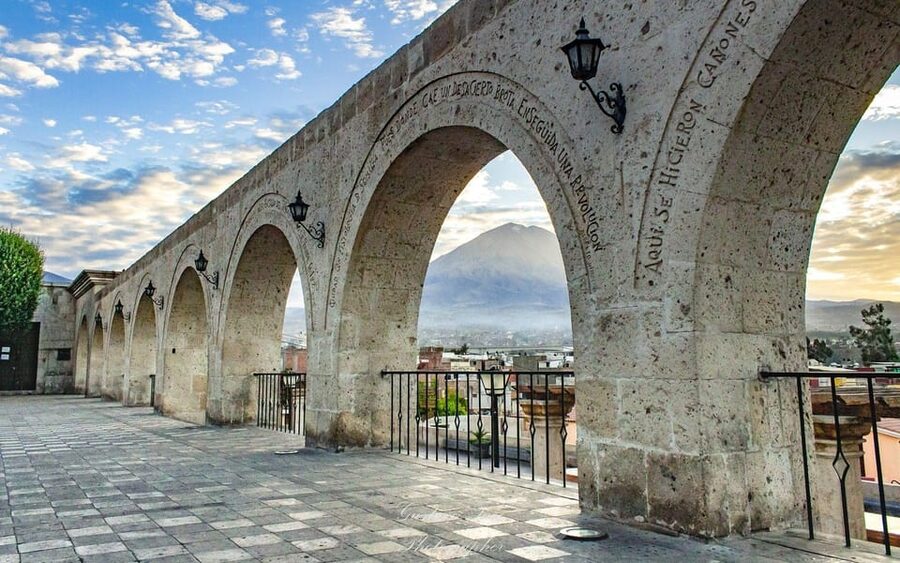
- How production links to the city’s architecture: the explanations connect the stone to what you’ll recognize around Arequipa
- The working pace: stonemasons start early, which changes the vibe from tourist site to active workplace
This is where you’ll likely feel the biggest difference between this tour and a “pretty viewpoint only” outing. If you care about how places work—hands-on, practical stuff—Añashuayco is the reason to book.
Megacarving and the stonemasons: the moment this tour turns fun
One of the most specific highlights is the megacarving of the Church of the Company of Jesus. In the quarry, you’ll be able to see this huge stone work, made by stonemasons themselves. It’s one of those “wait, they made that here?” moments that sticks.
Even better: the plan includes the chance to visit the stonemasons so they can explain daily work, and you may get an experience where you can try cutting a stone block yourself. That kind of short, supervised participation is exactly the sort of activity that makes a half-day feel fuller than its hours.
Two real considerations:
- If you’re not into hands-on activities, you can still enjoy the quarry visuals and the guided explanations, but you’ll miss the extra fun layer.
- Stone cutting and similar activities can be messy and require attention to directions. Wear comfortable clothing and be ready to follow the guide’s instructions closely.
Quebrada de Culebrillas: a short canyon walk with petroglyph payoff
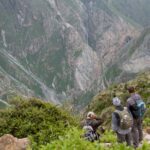
Next you head to Quebrada de Culebrillas, about 30 minutes away. Here the tour shifts from quarry craft to a natural feature shaped by water over time.
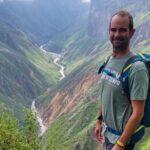
You’ll take a walk of about 20 minutes inside the canyon. The canyon walls are described as roughly 15 to 20 meters high. As you move farther in, the walls get taller, which helps make the canyon feel more “closed in” as you go. The walk is short, but the geometry does the heavy lifting for drama.
The big moment is at the end: you’ll see petroglyphs made by the Wari culture, described as more than a thousand years old. That gives the walk a different weight. You’re not only seeing a scenic cut in the landscape—you’re reading markings left by people who lived here long before the quarrying and the current city.
Before heading back toward Arequipa, you’ll also observe Apachetas, stone formations piled one on top of the other. They’re described as symbols of gratitude toward nature and also a good-luck attraction, and they can create a strange, almost ritual-feeling moment in the middle of a very physical place.
If you’re sensitive to short walks with uneven ground, wear shoes with good grip. This part is guided, but terrain in canyons isn’t designed for flip-flops.
Andenerias and volcano viewpoints: why the view stops matter
This tour includes a viewpoint element tied to volcanoes and the Andenerias viewpoint (or an alternative traditional volcano viewpoint depending on season). Even when the quarry and canyon are the headline, these viewpoint pauses help you “place” the whole region in your mind.
You get a clearer sense of why Arequipa’s stone mattered here in the first place—this high-altitude environment shapes what people build and how they travel. It also breaks up the day nicely before you return to the city.
Price and value: is $11 a good deal?
At $11 per person, plus transport and a professional guide, the value is strong for a half-day that includes both engineered history (quarries and ashlar context) and nature with ancient rock art (Culebrillas petroglyphs).
The main add-on to plan for is entrance money: 18 soles totally for ticket entrances. Because that is not included, it’s smart to budget it early so there are no surprises at the sites.
Here’s how I’d judge the deal for your own style:
- If you want a short outing that combines craft history + a canyon walk + real ancient markings, this looks like good value for time.
- If you only want big “must-see” monuments and minimal walking, this might feel short because the emphasis is on quarry and canyon explanations rather than long gallery time.
Language and comfort: what to expect in the real world
The tour lists English and Spanish as available languages. Still, it’s worth knowing that one recent departure ran with Spanish only when the English guide wasn’t available. The tour still happens, but the language can shift.
So if you don’t speak much Spanish, don’t panic, but do pack a little patience. Learning a few key words for stone and directions helps. I’d also keep a translation app handy so you can keep up during the quarry history explanations.
Group travel also means a tight schedule. One recent experience started about 30 minutes later, and then the time felt a bit short to fully enjoy everything at the stops. That’s not a deal-breaker, but it’s a good reminder: if you want maximum time at each place, arrive with a flexible mindset and don’t treat the itinerary like a stopwatch.
Getting dropped back near Arequipa’s center
You’ll return to Arequipa around 1:30 pm and be left near the main square area. Another finish point listed is Av La Marina, but the key idea is the same: you’re back in town rather than far out in the countryside.
That makes this tour a nice connector. Do this in the middle of your Arequipa days, then use the afternoon to explore on your own. The quarry/canyon context tends to make the city’s stone architecture feel more meaningful afterward.
Who should book this, and who might skip it
Book this if you want:
- A half-day tour that doesn’t drag
- A deeper look at how sillar stone is produced and why it matters in Arequipa
- A canyon walk with a clear payoff—Wari petroglyphs
- A bit of real culture through stonemason storytelling and possible stone-cutting practice
You might skip it if:
- You hate guided time limits and would rather explore slowly on your own
- You’re looking for purely scenic hiking with long trails (this walk is short by design)
- You’re strictly language-dependent and expect perfect English every time
Quick FAQ
FAQ
What is the duration of the Route of Sillar with Trek in Culebrillas tour?
The tour lasts about 270 minutes (roughly 4.5 hours).
Where does the tour start and where do you get dropped off?
The meeting point is at C. Álvarez Thomas 115. The tour returns you near the main square area in Arequipa (with finish listed at Av La Marina).
How much does the tour cost, and what entrance fees should I budget?
The tour price is $11 per person. Entrance ticket fees to the places are not included and total 18 soles.
What stops are included on the route?
You’ll visit the Sillar Route, the Añashuayco Quarry (including the megacarving area), the Quebrada de Culebrillas canyon walk with petroglyphs, and you’ll also see Apachetas. There’s also an early viewpoint stop for volcanoes and the Andenerias viewpoint.
Is the tour offered in English or Spanish?
Yes. Live guide language is listed as English and Spanish.
Are there multiple departure times?
Yes. There is a 9:15 am departure shift, and an afternoon 2:00 pm shift is listed.
Should you book it?
If you like practical travel—seeing how things are made, plus a short walk with real historical art—this is an easy yes. The price is low for a half-day that covers active quarry craft and a canyon with Wari petroglyphs. Just remember to budget 18 soles for entrances and be flexible about language and pacing, since the schedule can run a little tight. If that fits your style, you’ll leave with a better sense of why Arequipa’s famous white stone isn’t just pretty—it’s work, history, and landscape in one outing.