REVIEW · AREQUIPA
Trek to the Route of the Sillar and Culebrillas in Arequipa
Book on GetYourGuide →Operated by AREQUIPA EXPLORER Y ACTIVIDADES TURISTICAS · Bookable on GetYourGuide
That cliffy canyon feeling hits fast. I love how this trek turns Arequipa’s famous stone story into something you can actually see, walk, and even try with your own hands. You’ll follow the Sillar Route, visit the Añashuayco Quarry, then head into the Culebrillas canyon—all in one practical half-day loop.
What I like most is the mix of big scenery and real work-in-progress. You see the megacarved Church of the Company of Jesus and learn how ashlar is produced right where it comes from, in a quarry that’s still operating. I also really enjoy the fact that the stops include both viewpoints over the volcanoes/valleys and short, manageable walks.
One drawback to plan for: the schedule is time-tight, and road traffic can slow the van transfers between stops. If you hate feeling rushed, build in a little patience and keep your photo expectations realistic.
In This Review
- Key things you’ll notice on this trek
- Sillar Route and Culebrillas: why this trek feels more real
- Getting started in Arequipa: the half-day timing that matters
- First viewpoints: volcanoes and the Chilina Valley stop
- Añashuayco Quarry: the megacarved church and the working stonemason world
- What you’ll learn here about ashlar
- The megacarved Church of the Company of Jesus
- Hands-on stone moment: try cutting a stone block
- The one thing to watch at Añashuayco
- Quebrada de Culebrillas: a short walk inside a water-shaped canyon
- Volcanoes-and-stone energy: how the van segments keep things manageable
- Price and value: $13 plus about 10 soles for entries
- Who this trek suits best (and who might want a different option)
- After your trek: Chivay hot springs as the recovery plan
- Should you book the Route of the Sillar and Culebrillas trek?
- FAQ
- How long is the trek?
- How much does it cost?
- Are entrance tickets included?
- What’s included in the price?
- Where does the tour start?
- Where does the tour end?
- What languages is the guide available in?
- What hiking is included?
- What are the main highlights?
- Is there free cancellation?
- Is there an option to reserve and pay later?
Key things you’ll notice on this trek
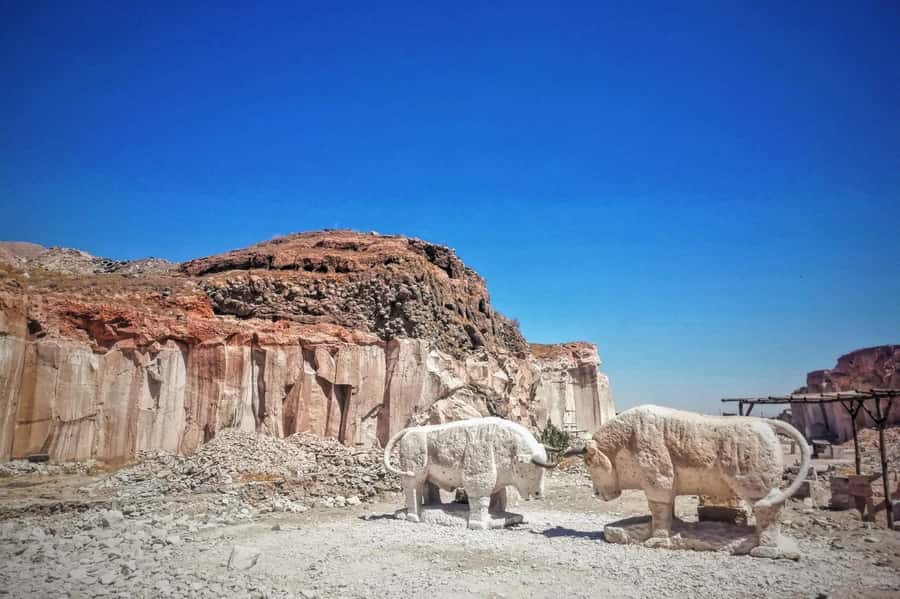
- Sillar Route context: you learn how ashlar starts from the source area, not just from a plaque
- Añashuayco’s living quarry: stonemasons work very early, and the canyon-like walls are dramatic
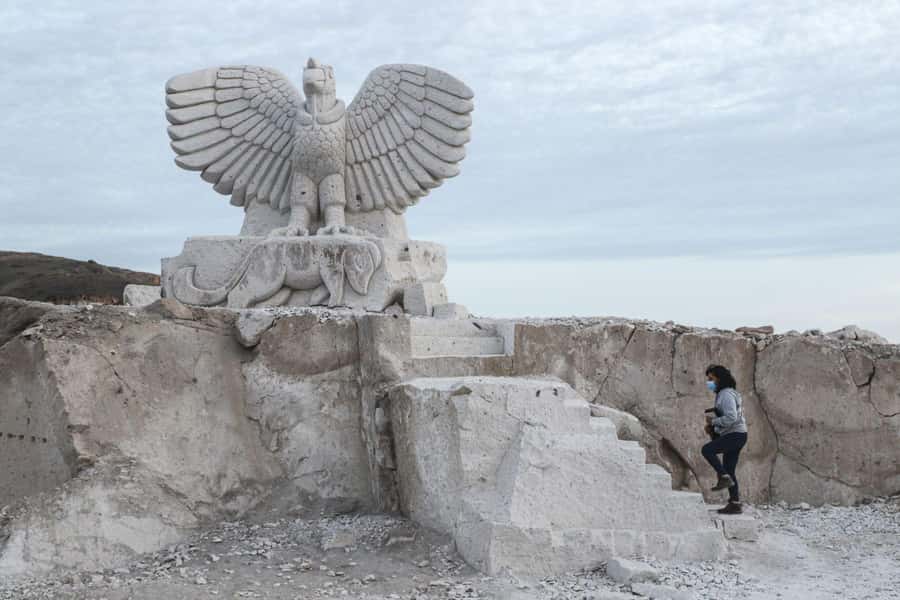
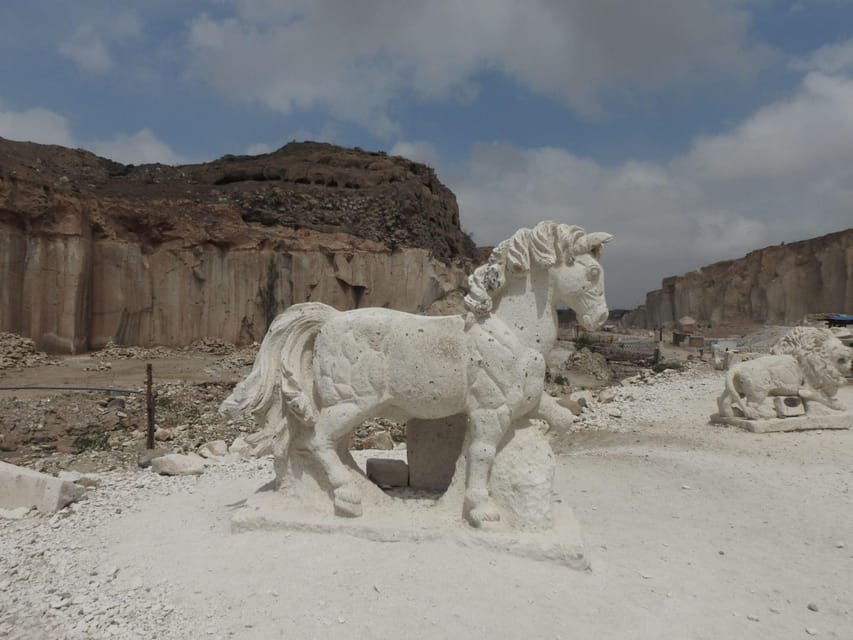
- Mega carving of the Church of the Company of Jesus: a full-scale carving made by the workers
- Hands-on stone moment: you can visit a stonemason and try cutting a stone block yourself
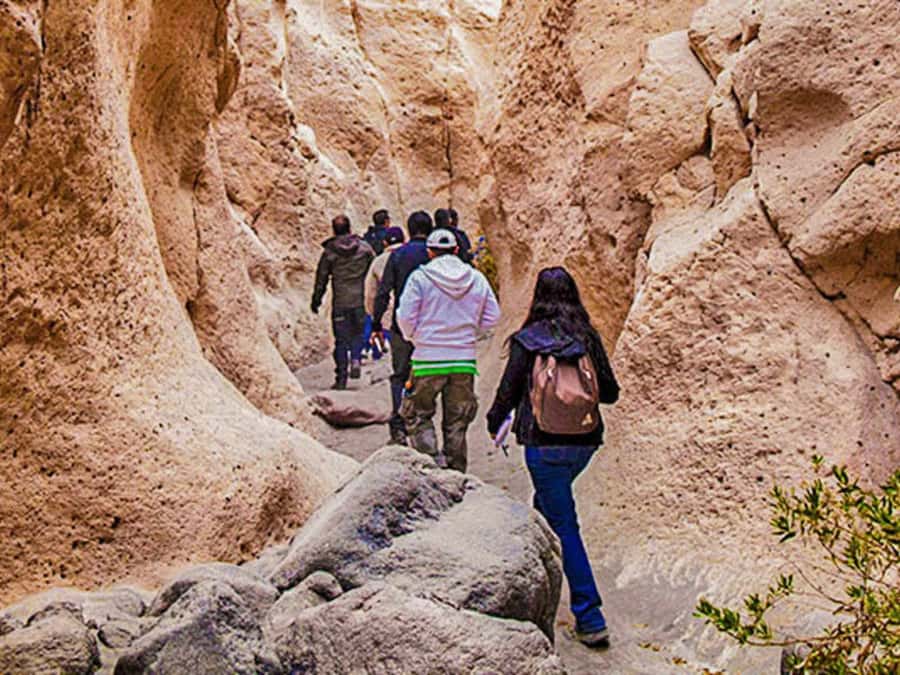
- Culebrillas canyon walk: a short hike inside a small canyon shaped by water
- Volcano viewpoint stops: quick scenic pauses with views toward the Chilina Valley
Sillar Route and Culebrillas: why this trek feels more real
Arequipa has a look you’ll notice immediately—light, stone-built streets and walls that make the city feel bright and solid. This trek is a smart way to understand where that look begins, because you don’t only view the result. You go to the places where the stone is extracted and shaped.
What makes the experience special is the pacing. You get scenery, yes, but you also get process: the quarry setting is active, so you’re seeing the work environment, not an empty museum site. Then the route shifts into a different mood with the Culebrillas canyon walk, where water carving shows up in the form of a narrow, walkable cut in the rock.
And because you’re also stopping at viewpoints over the volcanoes and the Chilina Valley, the trek doesn’t feel like you’re spending 270 minutes staring at stone only. You’re constantly re-centering your bearings in the larger landscape.
You can also read our reviews of more tours and experiences in Arequipa.
Getting started in Arequipa: the half-day timing that matters
You meet at the main office at C. Álvarez Thomas 115 (the tour provides the exact meeting instructions and keeps your name on the list). Then you’re on the van for short transfer bursts—this is not a long bus day.
Your day runs about 270 minutes total, which is roughly four and a half hours. That matters because the itinerary has a rhythm: photo break, scenic viewpoints, then two main stops with guided explanation and hiking.
If you’re the type who likes to linger for photos, you’ll want to move at a steady pace. The tour is built to fit real guidance into limited time, so you get a “guided hit” of the area rather than a slow wandering day.
First viewpoints: volcanoes and the Chilina Valley stop
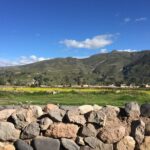
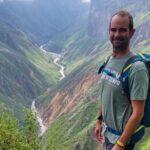
Before you’re deep into quarries and canyon paths, you get a strategic viewpoint moment. Right near the start, you cross a point where you can see the volcanoes and the Chilina Valley. Depending on the season, the operator may swap in another traditional viewpoint at the beginning that also focuses on volcano views.
I like this setup because it gives your brain a map. You’re not learning the geography only from the ground; you also see the wider region before the terrain gets close and rugged.
Also, you get a clear photo stop window here. That’s helpful because once you’re at Añashuayco, the rock formations and carved details are the stars, and you’ll want your camera ready.
Añashuayco Quarry: the megacarved church and the working stonemason world
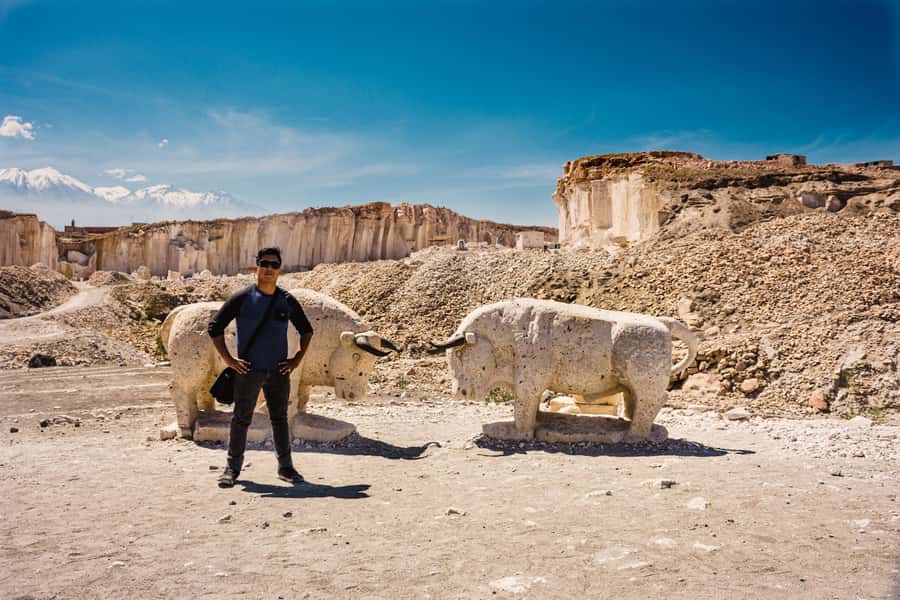
This is the heart of the trek. You’ll travel about 30 minutes to reach the Añashuayco Quarry, where the stop includes a guided tour and about an hour of hiking.
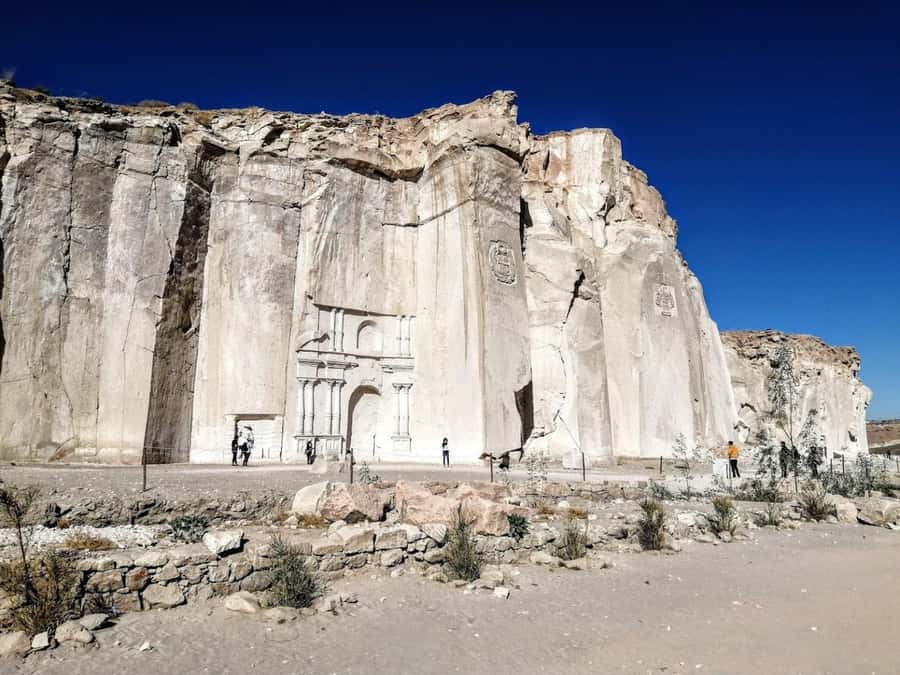
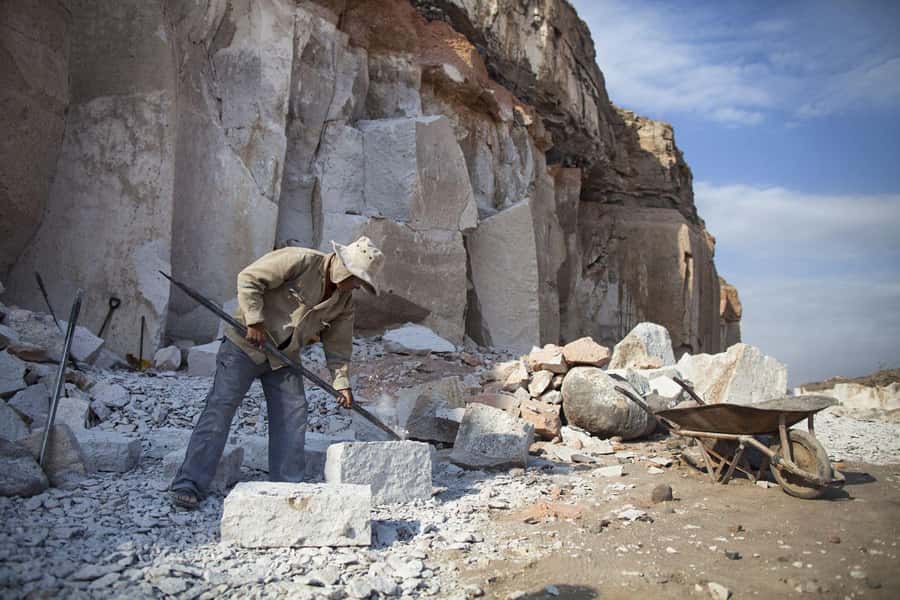
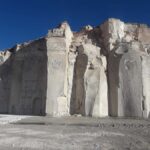
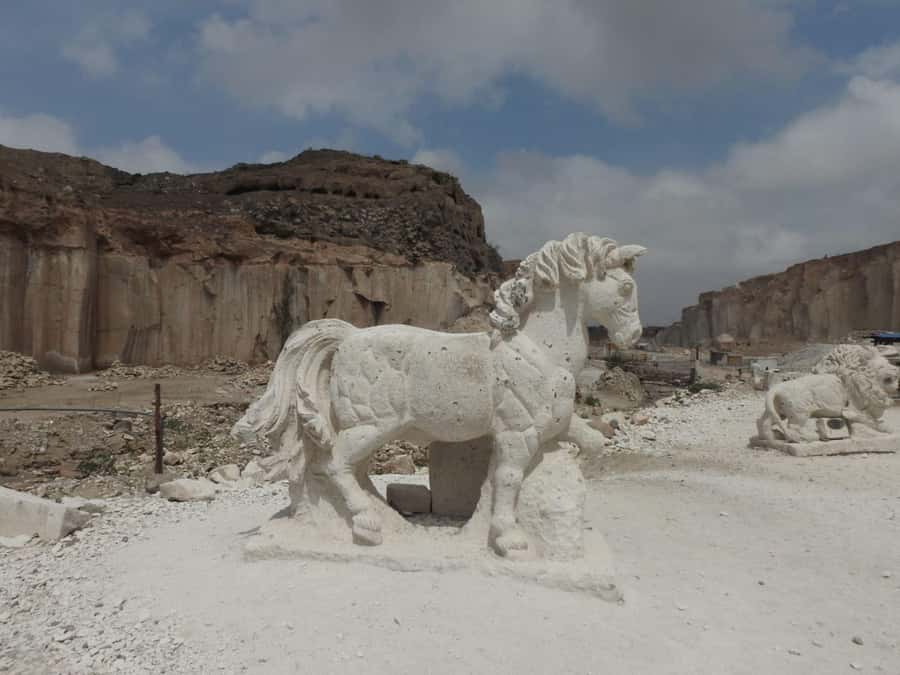
The quarry is currently in operation, and that one detail changes the whole vibe. Stonemasons carry out their work very early, which means you’re watching an active production space. The canyon-like walls you see are massive ignimbrite walls formed by extraction, so the scale hits even if you’re not a geology person.
What you’ll learn here about ashlar
The guide explains the history of ashlar, including how it’s produced and how it has been used. Even without getting lost in complicated terminology, you’ll leave with a much clearer sense of the “source to shaped stone” chain.
For me, that’s the big value of this stop: it turns Arequipa’s stone look into a story you understand at ground level. You’re not just looking at pale buildings; you’re seeing the raw environment that creates the stone.
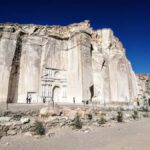
The megacarved Church of the Company of Jesus
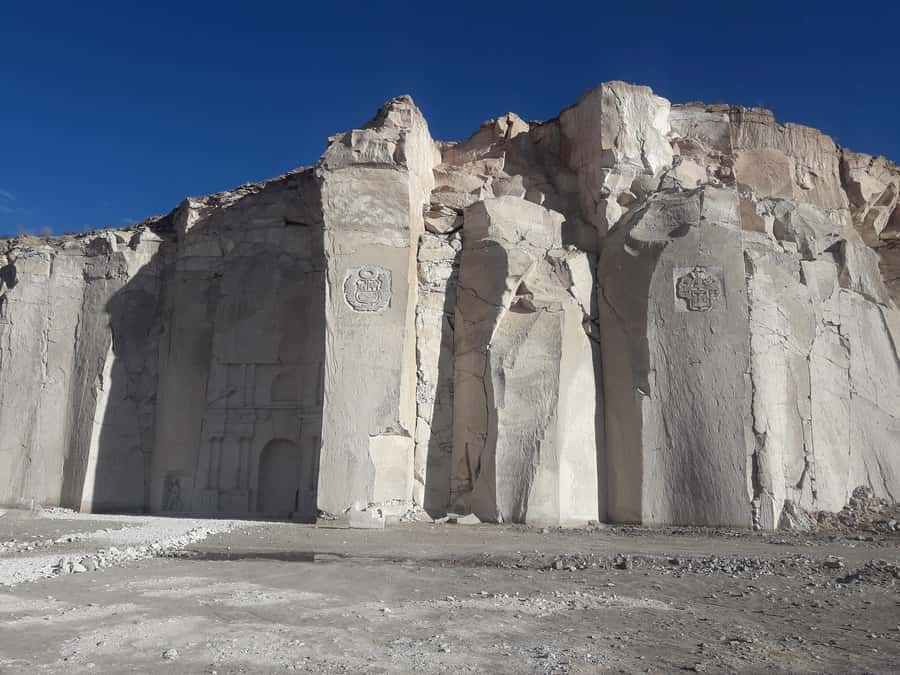
One of the most eye-catching parts is a megacarving of the Church of the Company of Jesus. It’s made by the stonemasons themselves, so it’s not a staged tourist object—it’s part of what the workers can produce in the quarry setting.
This is where I’d slow down a bit. The carving is designed to be seen from a distance, but if you pause and let the guide point out the approach, it becomes more impressive. You also get a sense for how the carving fits into the quarry’s “real space,” not an artificial display platform.
Hands-on stone moment: try cutting a stone block
Another standout: you can visit one of the stonemasons so they can explain their daily work, and you may be able to experiment by cutting one of the stone blocks yourself.
That’s the kind of activity that sticks. Even if you only get a short, controlled try, it helps you understand effort, tool control, and why these carvings take patience. It also makes the quarry more than scenery; it becomes a living skill you briefly touch.
The one thing to watch at Añashuayco
Because this stop includes hiking and you’re inside an extraction landscape with big vertical walls, you’ll want to stay aware of where you step and where the guide directs you. Also, keep your time expectations aligned: the group has to move, so if you want the slowest photo pace, you may feel a bit rushed.
Quebrada de Culebrillas: a short walk inside a water-shaped canyon
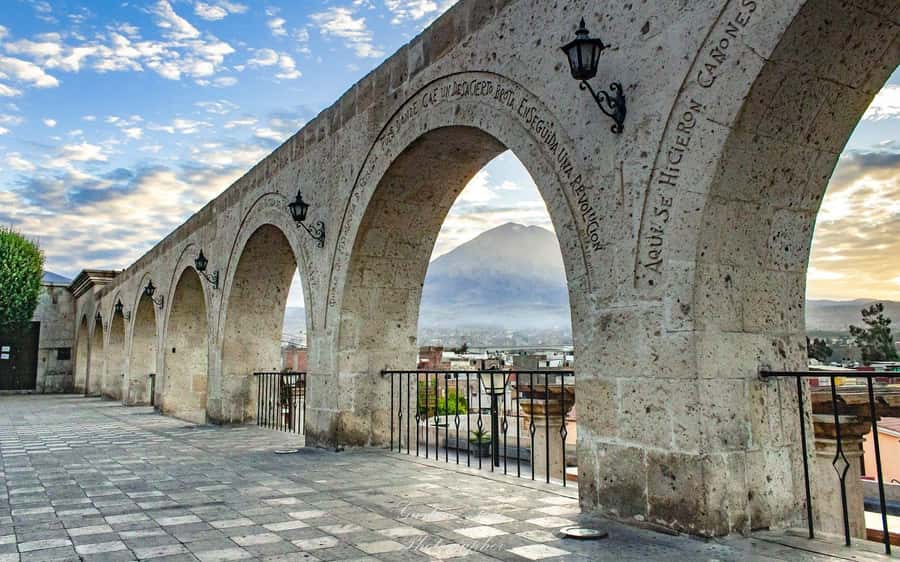
After Añashuayco, the van takes you about 30 minutes to Quebrada de Culebrillas. Here you get a break and photo stop, plus a guided visit with a short hike.
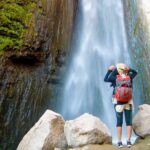
You’ll walk for about 20 minutes inside the small canyon, which was formed by the passage of water. That short duration is a sweet spot. It’s long enough for the rock walls to feel enclosing and interesting, but not so long that the trek becomes physically demanding.
This stop changes the texture of the day. At the quarry, you’re surrounded by extraction marks and massive stone faces. At Culebrillas, the focus becomes the narrow, carved geometry that water created over time.
If you like photography, this is a good place for angles: the canyon walls help frame the view, and the light can shift as you move in and out of the cut.
Volcanoes-and-stone energy: how the van segments keep things manageable
Between stops, the van ride is part of the experience. You’ll spend around 20 minutes at the start for a transfer, plus additional ride time between viewpoints, Añashuayco, and Culebrillas. The final drive brings you back to Av La Marina, Arequipa.
Why I think that matters: it keeps the total time inside productive windows. You’re not stuck commuting for hours, and you still get enough time on the ground to feel like you accomplished something.
Just remember the practical side. One realistic concern is traffic. If Arequipa roads slow you down, your order of photos shifts. I’d rather plan for a smooth day and feel proud that you got extra than assume everything will run perfectly.
Price and value: $13 plus about 10 soles for entries
At $13 per person (for the trek duration), this tour aims for strong value by bundling the van transport and a professional guide. That’s the backbone: you’re paying for access to the sites and interpretation, not just transportation.
However, tickets/entrance fees to the places are not included and can be around 10 soles. So if you’re budgeting, add that amount on top.
Here’s how I judge the value: the experience includes two main sites, guided time, and hiking plus an additional hands-on moment at the quarry. In a city where many tours are basically “see it and leave,” this one tries to add interaction and explanation. If you’re the kind of traveler who enjoys learning how things are made, the value feels more justified.
Who this trek suits best (and who might want a different option)
This trek is a strong match if you want a grounded, physical way to understand Arequipa’s stone world. You’ll likely enjoy it most if you like:
- learning how something is made at the source
- short hikes that still feel meaningful
- geology-adjacent scenery and big-scale quarry views
- photo stops with volcano/valley viewpoints
It may feel less ideal if you want a slow, unstructured day. The schedule packs a lot into 270 minutes, and the pacing can feel quick if you’re hoping for long exploration time at each location.
Also, if you’re picky about your guide experience, pick a language you’re comfortable with and be ready to ask questions. The tour is offered with a live guide in English or Spanish, and that choice matters for how well you can follow the explanations.
After your trek: Chivay hot springs as the recovery plan
One highlight is the suggestion to enjoy a relaxing soak in the hot springs of Chivay after your trek. Even if you don’t schedule it immediately, this is a great mental add-on because your body will likely appreciate the cooldown after quarry and canyon walking.
I like pairing active mornings with a thermal reset. It turns the day from “just walking around rock” into a full Arequipa region feel: source, scenery, then relaxation.
If you’re planning the rest of your day, treat Chivay as the reward stage rather than a rushed add-on.
Should you book the Route of the Sillar and Culebrillas trek?
I’d book it if you want an authentic, hands-on-feeling half-day that mixes quarry scale, a notable megacarving, a canyon walk, and viewpoint moments over volcanoes and the Chilina Valley. For $13, plus the likely 10 soles entrance fees, the value comes from guided access and the chance to see stone production up close.
Skip it or reconsider if you’re the type who needs lots of spare time for slow photo wandering. Traffic can also eat into your buffer, so if you’re chasing a strict schedule, go in with patience.
FAQ
How long is the trek?
The total duration is about 270 minutes (about four and a half hours).
How much does it cost?
It’s priced at $13 per person.
Are entrance tickets included?
No. Entrance tickets to the places cost about 10 soles and are not included.
What’s included in the price?
You get tourist transport by van and a professional guide.
Where does the tour start?
The meeting point is the main office at C. Álvarez Thomas 115.
Where does the tour end?
The tour finishes at Av La Marina, Arequipa, Perú.
What languages is the guide available in?
The live guide is available in English and Spanish.
What hiking is included?
At Añashuayco Quarry, you’ll hike for about 1 hour. At Quebrada de Culebrillas, you’ll have about a 30-minute guided walk, including roughly 20 minutes inside the small canyon.
What are the main highlights?
Key highlights include the Sillar Route, the working quarry of Añashuayco with the megacarved church, the Culebrillas canyon, and volcano/valley viewpoint stops.
Is there free cancellation?
Yes. You can cancel up to 24 hours in advance for a full refund.
Is there an option to reserve and pay later?
Yes. You can reserve now and pay later, depending on availability and starting times.