REVIEW · AREQUIPA
Private 3 Day Colca Canyon Trekking tour (superior Service)
Book on Viator →Operated by Peru Ultimate Expedition · Bookable on Viator
Dawn starts fast, but the canyon rewards you. This private 3-day Colca Canyon trek from Arequipa mixes Andean culture, big views, and real hiking time without the noise of mass groups. You’ll sleep in family-style accommodations with private hot water, eat home-style meals, and travel with a specialized guide.
What I love most is the way the itinerary balances physical effort with stops that feel human and local. The Yanque breakfast with a local family and the Sangalle Oasis swim are the moments that keep it from feeling like just a “check-the-box” hike.
The main drawback to plan around is the early mornings and altitude. You start with a 3:15–3:30am hotel pickup, you’ll descend about 1,200 meters on Day 1, and you’ll climb again at sunrise on Day 3—so bring stamina and sensible pacing.
In This Review
- Key highlights that make this trek worth your time
- Why this Colca Canyon trek feels like a small-group adventure
- Arequipa to Yanque: dawn pickup and Valley of Fire terraces
- Cruz del Condor to Pallca: the big descent and a calmer afternoon
- Sangalle Oasis Day: hanging bridges, Apacheta, and the amphitheater ruins
- Cabanaconde sunrise climb and the ride back through Chivay
- Abra Patapampa and Salinas y Aguada Blanca: volcano views and vicuña country
- Price at $400: what you’re really paying for in value
- What to bring, safety notes, and pacing reality
- Should you book this 3-day Colca tour?
- FAQ
- What city does this trek start from?
- What time do you get picked up on Day 1?
- How long is the trek?
- Is this tour private?
- What languages are the guides?
- What kind of lodging is included for the two nights?
- Are meals included?
- Is medical support included for altitude or emergencies?
- Do I need to carry my own backpack the whole way?
- Can I cancel for a refund?
Key highlights that make this trek worth your time
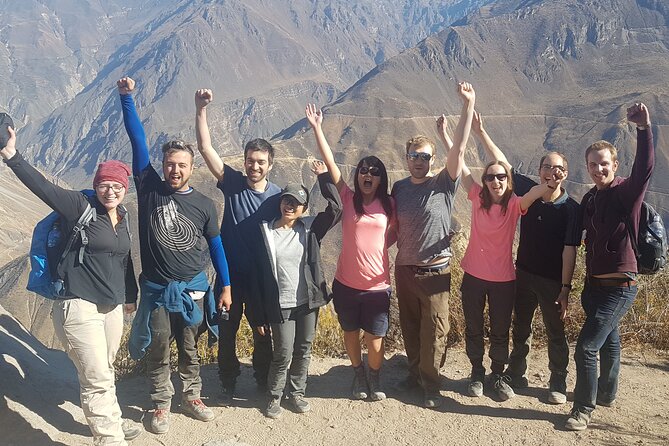
- Private hiking, shared transport: only the ride is shared; the hiking experience stays yours (2 to 8 people max).
- Condors at Cruz del Condor: a long enough stop to watch their flight, with sanctuary-level respect built into the day.
- The Pallca descent to the Colca River: a serious but memorable 5-hour walk down into canyon heartland.
- Sangalle Oasis downtime: lunch, a natural pool to cool off, and time to relax before dinner and tomorrow’s climb talk.
- Day 3 summit push from Cabanaconde: a 4:00am start that gets you to the rim in time for the light change.
- Volcano views and vicuña reserve at the end: Abra Patapampa (4,910m) and Salinas y Aguada Blanca keep the story going after the hike.
Why this Colca Canyon trek feels like a small-group adventure
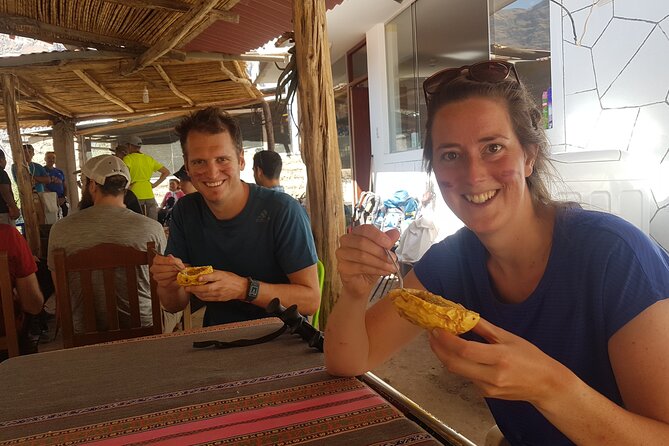
Colca is famous, which means it can also feel crowded. This tour keeps the group small (minimum 2, maximum 8), and it’s private aside from shared tourist mobility, so you don’t spend your hike trying to match someone else’s pace or squeeze through the same photo spots.
I also liked the “service mindset.” You get pickup from your Arequipa hotel, a specialized hiking guide (English and Spanish), and a support setup that includes medical oxygen and a first aid kit for everyone. That matters here because the canyon walk is real hiking, and Day 3 adds altitude back into the mix with rim views and high viewpoints later.
Finally, the sleep and food plan is part of the value. Two nights are in family-home style lodging with private bath and hot water, and meals are built into the schedule (breakfasts, lunches, and dinners instead of “grab something when you can”).
You can also read our reviews of more tours and experiences in Arequipa.
Arequipa to Yanque: dawn pickup and Valley of Fire terraces
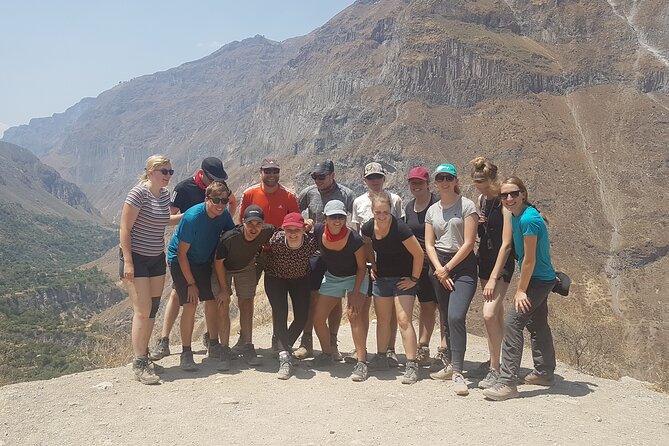
Your first day starts early on purpose. Pickup happens between 3:15am and 3:30am from your hotel in Arequipa, and the guide shares the biosecurity protocols plus a quick orientation on the names behind Arequipa, the Colca Valley, and the canyon. Then you ride about three hours toward the valley while the Andes shift from dark to gold.
When you reach the Colca Valley, the itinerary makes a strong cultural first impression. The stop in Yanque is not just a photo stop. At around 6:30am, you enjoy a traditional breakfast prepared by a local family, which sets a welcoming tone for the rest of the trek.
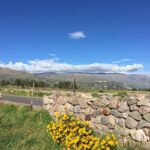
From there you head toward the Valley of Fire (Colca) and the pre-Inca terraces. This is where the region stops being “just scenery” and turns into a living system. You’ll see terraces built over generations by different cultures, shaped by the hard logic of farming in a tough climate—useful land, water management, and subsistence crops. You’ll also catch views of the Chila mountain range and the river cutting through the valley, visibly shaping the ground over time.
What to consider: this is an active start day, but it’s not purely hiking. You’ll be switching between riding, walking short segments, and stopping for views—so if you’re the type who needs a very slow start, you’ll need to meet the pace and enjoy the early rhythm.
Cruz del Condor to Pallca: the big descent and a calmer afternoon
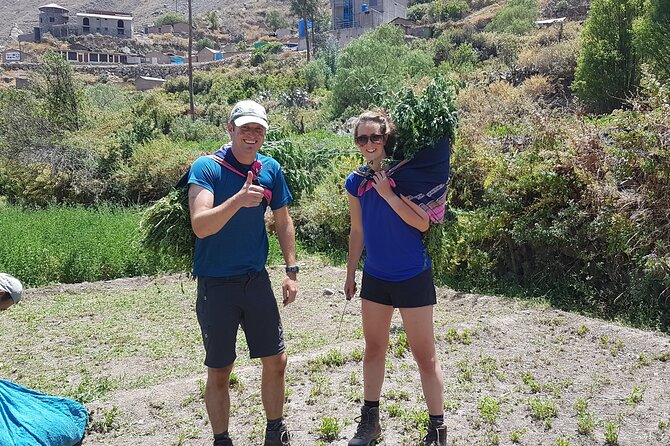
By around 8:00am, you reach Mirador Cruz del Condor, the condor-watching anchor of the trek. The viewpoint is treated like a sanctuary in local tradition, which is why the guide frames the experience with respect for the bird and the canyon. You’ll have about 40 minutes here—long enough to watch the slow work of thermals instead of rushing through a single quick glance.
Condors matter in this area. They’re considered sacred by local cultures, and they’re also at risk of extinction, so the “watch without bothering” approach is part of the point. If you get lucky, you’ll see the birds ride the air currents with that unmistakably ancient style of flight.
Next comes the main physical event of Day 1: the walk down into the canyon. After you’re prepared, you begin a roughly 5-hour descent with a drop of about 1,200 meters. Expect winding trails, frequent chances to pause for photos, and time for rest breaks. The guide also helps you spot local fruit along the way, which makes the hike feel more like a guided journey than a timed challenge.
Your destination is Pallca, by the Colca River. Lunch is included and prepared with regional products, and the afternoon is yours to loosen up. Depending on conditions, you may have time to relax in thermal baths or explore the area around where you’re staying.
The trade-off: the Day 1 descent is scenic but demanding. Even if your legs feel fine in the morning, your knees may start asking questions by mid-afternoon. Trekking poles help a lot, and slow, controlled steps beat “fast and shaky.”
Sangalle Oasis Day: hanging bridges, Apacheta, and the amphitheater ruins
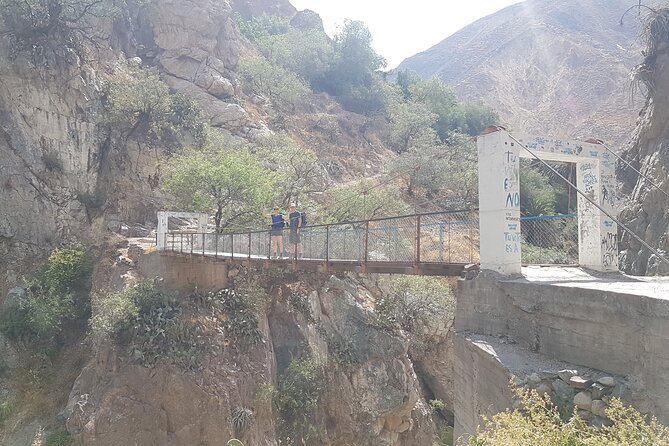
Day 2 starts with a local breakfast, then you begin a trek designed to mix effort with variety. You’re looking at about 5 hours of walking with the goal of reaching Sangalle, known for its oasis setting inside the canyon.
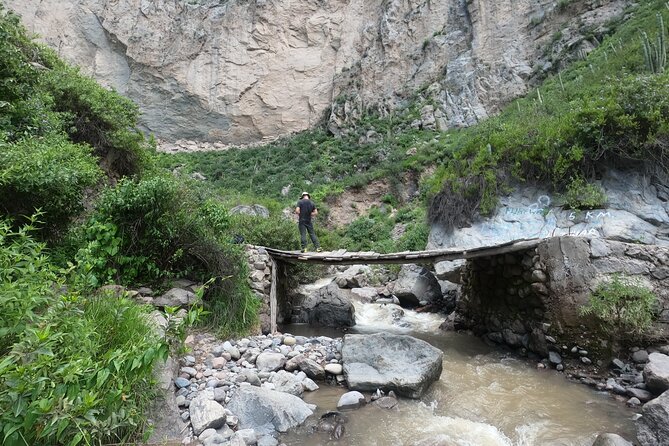
The first portion is uphill to the Apacheta viewpoint, and this is also where the human side of the canyon becomes clear. You’ll cross hanging bridges and pass small communities where you can see the steady work of people carrying water to agricultural fields. The guide also points out the canyon’s flora and fauna and talks about canyon shape and how it affects what grows where.
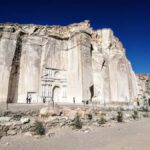
You’ll then move down through an area often described as an amphitheater. This stop includes an archaeological site built for agricultural use dating to roughly 1,200–1,500 B.C. It’s not a museum stop—you’re standing in the setting that these systems depended on.
After a break and rehydration, you continue along a zigzag path to reach the oasis. Around 1:00pm, you arrive at Sangalle (about 2,100m). This is where the trek shifts from “work” to “reward.” You’ll enjoy lunch, then have free time to explore and cool off. The natural pool is the big draw, plus there’s time for relaxation and conversation, with the option to enjoy a local drink like a Colca sour.
Dinner is also part of the plan, and the guide uses that evening to talk through the next day’s climb. That’s practical. When you understand what comes next, you can pace your energy instead of guessing.
Cabanaconde sunrise climb and the ride back through Chivay
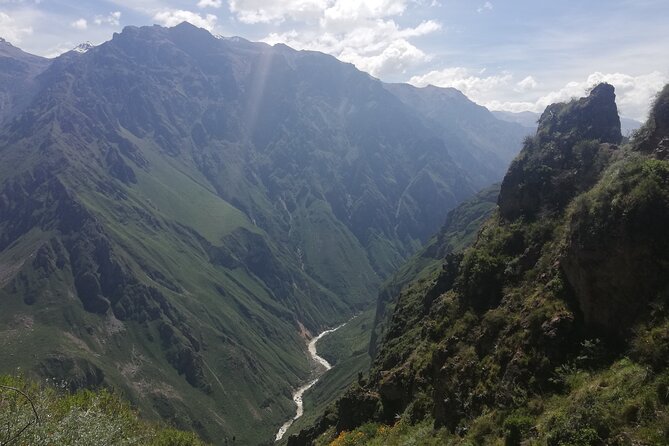
Day 3 starts before sunrise at 4:00am. You’ll begin the walk toward the canyon rim from Cabanaconde, aiming for the top with roughly a 3-hour window and about 5 kilometers. This is a steady ascent, so the “mountaineer rhythm” style matters: small steps, consistent breathing, and fewer stops that take you off pace.
As sunlight hits, the viewpoint angles change fast. You’ll pause to rest and look back at how far you’ve already come, then continue until you reach the top. After that, you head into Cabanaconde for breakfast and time to recover.
Later, you board transport back toward Arequipa, with a stop in the Colca Valley to visit a colonial church and time to buy small items. Then you reach Chivay around 1:00pm.
Chivay is your “slow down and taste” segment. You’ll focus on local stews and classic Arequipa-style flavors. If you enjoy food as part of travel, this section works well because it turns the day from physical effort into cultural comfort.
From Chivay, you also go toward viewpoint areas tied to the volcano region and vicuñas. The day keeps moving, but it’s not nonstop hiking.
A real consideration: this is the part of the trek where tired legs meet altitude back on the agenda. You’ll feel it most if you tried to rush the earlier days.
Abra Patapampa and Salinas y Aguada Blanca: volcano views and vicuña country
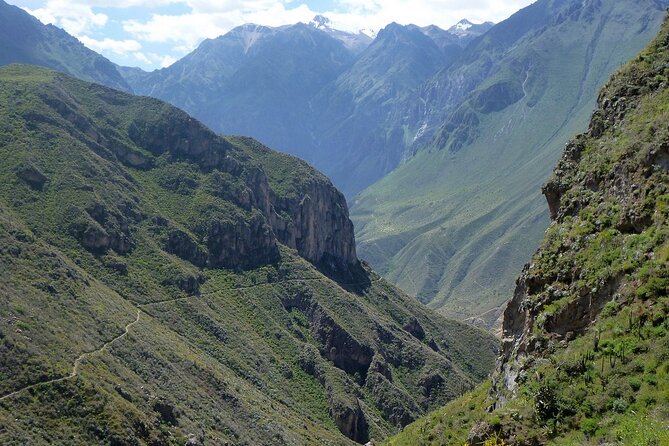
The highest viewpoint of the whole expedition is Abra Patapampa at about 4,910m. You’ll reach it after leaving the canyon area, and the payoff is pure scale: a wide view of the central Andes volcano chain, including Misti, Chachani, Sabancaya, Walka Walka, and Ampato.
This stop also connects the scenery to deep cultural memory. Ampato is the site where the Inca princess Juanita was sacrificed, and the guide frames the view through that context so it doesn’t feel like random sightseeing at altitude.
After you take in those views, you continue to Salinas y Aguada Blanca National Reserve. This reserve is described as a key receiver of rain and a provider of rivers and lagoons, with high biodiversity and the presence of South American camelids. The main practical moment here is your time on foot for photos and learning about vicuñas—plus the clear reminder to keep distance and act respectfully around wildlife.
Then you head back to Arequipa, arriving around 5:00pm, with the trek’s story fully wrapped up.
Price at $400: what you’re really paying for in value
At $400 per person for three days, the first thing to check is what’s included, because this isn’t a “pack a sandwich and good luck” style trek. You get:
- Two nights in family-home style lodging with private bath and hot water
- A specialized English-Spanish hiking guide
- All tickets included
- Meals throughout: 3 breakfasts, 3 lunches, 2 dinners
- Medical oxygen and a first aid kit
- A snack for the hike
- Transportation (the driving side is shared, but the trek is private to your group)
When you add that up, the price starts to look less like a generic tour fee and more like paying for logistics you’d otherwise spend time and energy assembling yourself. The sleeping setup plus full meal plan alone can reduce headaches, especially when you’re dealing with early starts and altitude.
You also get a thoughtful “help” option on the hardest part of the trek. The tour includes an optional mule for the group backpacks on the last day. If you want that extra cushion, it’s worth considering because carrying your own pack at the end of a canyon circuit is where small discomfort becomes big discomfort.
And one more value point: flexibility. The tour notes that vegetarian and vegan options are possible.
What to bring, safety notes, and pacing reality
This trek has a packing list for a reason. You’ll need a 40-liter backpack, hiking boots, and trekking sticks. Sun is intense here, so bring sunscreen, sunglasses, and a hat. If you’re traveling in rainy season, you’ll want a jacket and poncho.
Water and rehydration are also your job. Bring water and rehydrating items suited to altitude hiking. A flashlight with extra batteries helps for early starts and dark mornings. For the oasis and pool time, pack swimwear.
A small but smart tip: even when tickets are included and most costs are handled, I’d still carry some cash for small extras like water refills or emergencies. Some people specifically mention bringing cash for practical needs like that.
If you want the “smooth trip” vibe, pace matters more than willpower. This route gives you frequent breaks, but it’s still real elevation work—especially with the Day 1 descent and Day 3 summit climb. Guides like José (Pepe), Marcello, Miguel, and Jarley have been praised for keeping the day organized and for sharing plenty of practical info about plants, animals, and canyon life, which helps you stay calm and move well.
Who should skip it: the tour says it’s not recommended for babies, and it requires moderate physical fitness. If you’re dealing with major mobility limits or medical concerns, you’ll want to talk to the operator before booking.
Should you book this 3-day Colca tour?
Book it if you want Colca Canyon in a way that feels lived-in, not staged. The best reasons to choose this are the small private group size, the full meal plan, and the fact that you get both canyon time and high viewpoint time without scrambling.
Skip it (or ask lots of questions first) if you hate early mornings or if you prefer flat walking only. This trek is scheduled for dawn viewing, real descent, and a rim climb. If that sounds like your kind of travel, you’re going to have a great time.
If you’re ready for cold mornings, hot food, condors, and the satisfaction of earning your canyon views, this is a strong choice.
FAQ
What city does this trek start from?
It starts in Arequipa, with hotel pickup provided.
What time do you get picked up on Day 1?
Pickup is scheduled between 3:15am and 3:30am.
How long is the trek?
The tour is about 3 days.
Is this tour private?
It’s private for your group (only the tourist mobility/transport is shared). The group size is 2 to 8 participants.
What languages are the guides?
The specialized hiking guide is available in English and Spanish.
What kind of lodging is included for the two nights?
You get 2 nights of accommodation in family homes with a private bath and hot water.
Are meals included?
Yes. The tour includes 3 breakfasts, 3 lunches, and 2 dinners, plus a snack for the hike.
Is medical support included for altitude or emergencies?
Yes. There is medical oxygen and a first aid kit for all participants.
Do I need to carry my own backpack the whole way?
You’ll bring a 40-liter backpack, but there is an optional mule for carrying group backpacks on the last day.
Can I cancel for a refund?
Free cancellation is available if you cancel at least 24 hours in advance for a full refund. If you cancel within 24 hours, there is no refund.
If you want, tell me your hiking comfort level (especially knee/foot issues and altitude sensitivity), and I’ll help you judge whether the descent and sunrise climb fit your body.