REVIEW · KATHMANDU
Everest Base Camp Trek
Book on Viator →Operated by Adventure Glacier Treks & Expedition · Bookable on Viator
Everest feels close, but the trek is real. This 12-day journey blends high-mountain views with practical high-altitude hiking steps like acclimatization at Namche Bazaar. You’re chasing Everest’s biggest icon, but you’re also moving through the Khumbu Valley’s standout peaks and towns.
I like that the trip aims to remove the stress most people worry about first: domestic flight, airport transfers, permits/entrance fees, and a guide who’s there for the whole trek (including guide food, equipment, and insurance). In past departures, groups have been led by guides such as Sau Bir Rai and Roshan, and the overall theme is feeling guided and supported instead of left to figure things out.
One drawback to plan for: the price does not cover your own accommodation and meals, beverages, tips, or your travel insurance. If you budget loosely, the total can creep up fast at altitude.
In This Review
- Key highlights you’ll notice right away
- Kathmandu to the Khumbu: what you’re really paying for
- Ama Dablam: why Mother’s Necklace has a special pull
- Namche Bazaar: the acclimatization pause that keeps you smart
- Everest Base Camp: what the final aim feels like
- Domestic flight and transfers: the quiet win
- Guides who shape the experience: Sau Bir Rai, Roshan, Dipak, Dil, Arjun
- Price and logistics: where the extra costs hide
- Pacing, fitness, and the altitude reality check
- Who this Everest Base Camp trek fits best
- Should you book this trek?
- FAQ
- How long is the Everest Base Camp trek?
- Where do I meet for the trek in Kathmandu?
- Is the trek private or shared?
- What’s included in the $990 per person price?
- What isn’t included?
- What fitness level do I need?
- Will I get confirmation after booking?
- How does cancellation work?
Key highlights you’ll notice right away
- Ama Dablam stop: Mother’s Necklace is a big deal visually and a classic goal for steeper, more technical climbers
- Namche Bazaar acclimatization: a built-in pause where your body can adjust before going higher
- Domestic flight + transfers: easier route into the Everest region than starting purely by road
- Guide support you can feel: trips have been led by experienced guides like Roshan, Dipak, Dil, and Arjun
- Private group setup: only your group participates, which often makes pacing smoother
- Clear inclusions: permits, entrance fees, and guide logistics are handled, leaving you to focus on hiking
Kathmandu to the Khumbu: what you’re really paying for
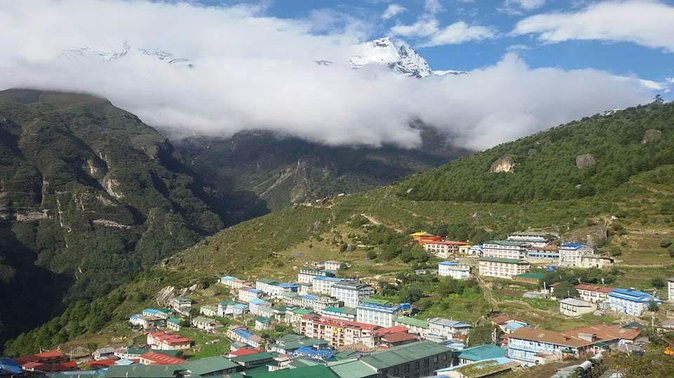
This Everest Base Camp trek is priced at $990 per person, and the value comes from what’s wrapped into that number. You get a domestic flight, airport transfer services for arrival and departure, and the required permits/entrance fees. You also get a guide with salary support, guide food, and equipment help—plus insurance for the guide as part of the trip cost.
That matters because the Everest region runs on a mix of timed transport, paperwork, and daily decisions about pace. If those pieces wobble, trekking can feel harder than it needs to. With these essentials included, you can spend your mental energy on your own breathing, footing, and stamina.
One more practical note: the experience runs as a private tour/activity, so it’s designed for only your group. In real life, that often means less waiting around and more control over your trekking rhythm—though you’ll still need to follow acclimatization guidance when altitude demands it.
You can also read our reviews of more tours and experiences in Kathmandu.
Ama Dablam: why Mother’s Necklace has a special pull
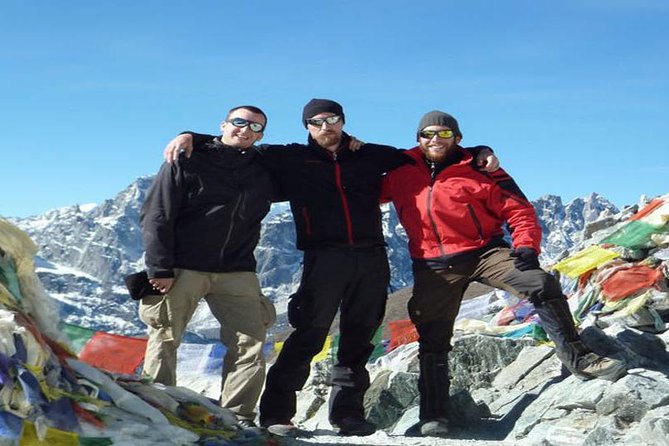
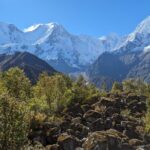
The trek includes a stop tied to Mt. Ama Dablam, often called Mother’s Necklace. It’s located in the Khumbu Valley and is famous for its iconic shape—sharp, dramatic, and instantly recognizable once you’ve seen it.
Why this stop is more than a photo moment: Ama Dablam isn’t just pretty. It’s also a major objective for climbers who like steeper and more technical routes. That climbing reputation changes how many trekkers look at it. Instead of treating the mountain like background scenery, you’re meeting a peak with a “real” mountaineering identity. It adds context to why the Everest region attracts both hikers and climbers.
The drawback here is subtle: if you’re expecting a long technical climbing experience, this isn’t described as a climbing program. You’re seeing Ama Dablam in the spirit of trekking—spectacle and perspective—while your actual effort is still focused on walking, elevation, and adapting to altitude.
Namche Bazaar: the acclimatization pause that keeps you smart
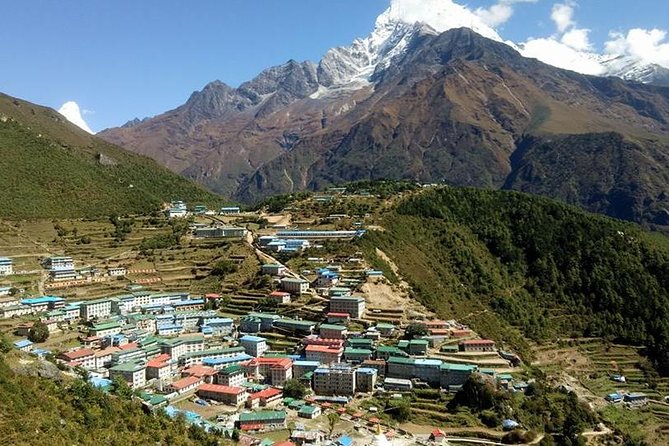
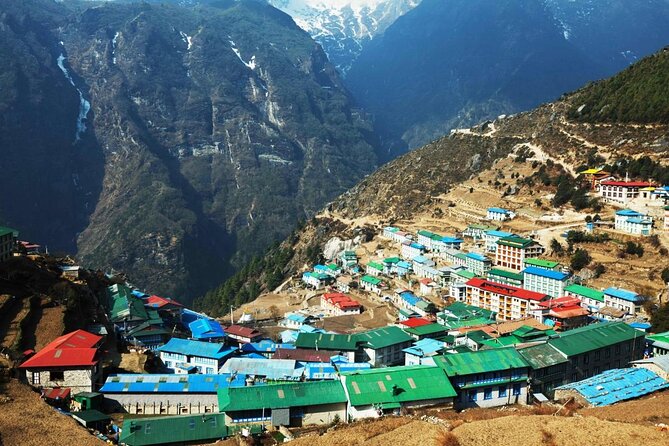
Namche Bazaar is described as the gateway to the Everest Base Camp trek, and it’s included as a key stop for the most important step in high-altitude trekking: acclimatization.
This is where you should slow down mentally. Acclimatization isn’t only about walking more gently—it’s about giving your body time to adjust so the next elevation step doesn’t hit like a surprise. Namche Bazaar’s role in the program is practical: it gives you a buffer before you push higher toward the Base Camp area.
I also like this because it breaks the trip into parts. Instead of feeling like you’re “just going up, straight up,” you’re building a rhythm: climb lightly, rest intentionally, then climb again. That approach tends to reduce the all-or-nothing feeling that can wear people out.
There’s one consideration though: acclimatization still demands discipline. Even with a guide and a plan, you’ll need to listen to how your body responds—slower breathing, lighter steps, and patience when you want to rush ahead.
Everest Base Camp: what the final aim feels like
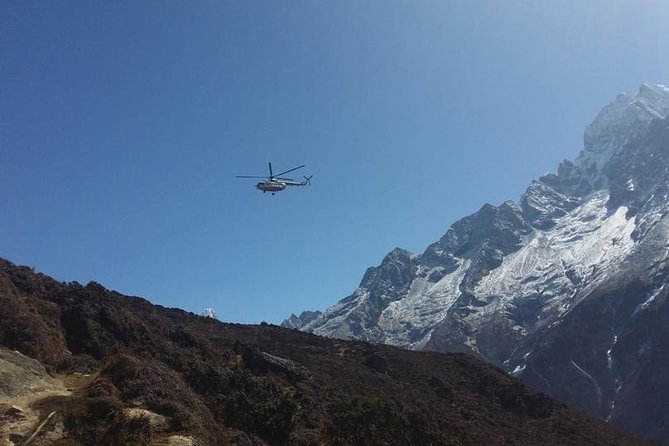
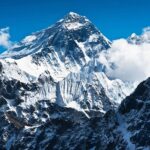
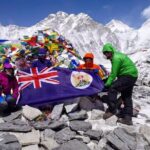
The headline is the iconic trek to Everest Base Camp, where trekkers and mountaineers gather. The emotional hook is obvious: you’re moving toward the world’s highest mountain, not just “near it.”
But the practical value is less obvious. Base Camp is the payoff for months—or at least weeks—of training and planning habits: smart pacing, careful daily movement, and altitude awareness. When you arrive (or near it, depending on conditions and day), it isn’t just a viewpoint. It’s the point where all the earlier effort clicks into place.
Also, Everest region trekking tends to reward consistency. The program’s inclusion of guides, permits, and core logistics helps you keep that consistency. You’re less likely to lose a day to avoidable issues like missing paperwork or scramble-level planning.
If you’re the type who gets discouraged by slow progress, here’s the trade-off: Everest trekking often feels gradual day by day, even when you’re excited. The best way to enjoy Base Camp is to treat the climb toward it as part of the experience, not just the waiting room before the big moment.
Domestic flight and transfers: the quiet win
Many people underestimate how much stress transportation creates on treks. This trek includes a domestic flight and arrival/departure airport transfer services, which helps you avoid the common chaos of figuring out connections after landing.
Starting in Kathmandu also matters. You meet at Adventure Treks Nepal P. Ltd. on Thamel Marg in Kathmandu (44600). Thamel is the kind of neighborhood where you can usually find gear help, coffee, and last-minute details—useful when you’re trying to leave the city feeling ready rather than rushed.
The “quiet win” is that once you’re moving into the trek region, you’re spending time hiking, not debugging travel plans. That support becomes even more important if you’re traveling in busy seasons, when lodging and daily coordination can be harder.
Guides who shape the experience: Sau Bir Rai, Roshan, Dipak, Dil, Arjun
On Everest treks, the guide can be the difference between a tough slog and a manageable journey. In the experiences associated with this operator, the guides have been repeatedly described as experienced, friendly, and attentive—people who help make the trek feel doable.
Here are some guide names tied to strong outcomes:
- Sau Bir Rai: praised as very experienced, with trip experiences framed as making things feel easy
- Roshan: recognized for organizing accommodation, food, and transport even during a busy period
- Dipak: described as friendly and attentive, including the ability to adapt the plan on the way (for an EBC plus Gokyo style tour)
- Dil: noted for supporting planning questions so the trip felt prepared
- Arjun: recognized for taking perfect care of group needs during the trek, including attention during medical situations mentioned in one story
You should still take your own altitude seriously. A great guide helps you manage decisions—pace, rest, and what to watch for—but your body is the boss. The strongest fit here is a traveler who wants guidance and follows it.
If you’re a solo traveler, you may find this private setup especially comforting because your guide becomes a key part of your daily structure rather than you trying to navigate everything alone.
Price and logistics: where the extra costs hide
Let’s talk money with clear eyes. The trek is $990 per person, and key items included are:
- Domestic flight
- Necessary permits and entrance fees
- Guide salary, guide food, equipment, and guide insurance
- Airport transfer services (arrival and departure), including domestic flight support
Not included:
- Beverages
- Tips (expected for the guide)
- Your insurance
- Personal/nature expenses
- Accommodation and food of guest
- International flight tickets
- Nepal visa fee
This is the main reason your budgeting needs to be more “whole trip” than “just tour price.” Accommodation and guest meals can be a big share of your daily spend at altitude, and beverages add up too.
My value take: paying for included permits, guide support, and domestic logistics is smart. But you’ll want to plan your own day-to-day costs so you’re not surprised after you arrive in Nepal.
Pacing, fitness, and the altitude reality check
The program states that travelers should have a strong physical fitness level. That’s not a marketing line—it’s a requirement for a trek in this altitude zone.
Here’s what “fit” means in real life:
- You can walk steadily for long stretches
- You can handle stairs, uneven footing, and uphill days without panic
- You recover reasonably well from one walking day to the next
Altitude also changes how fast you feel. Even with acclimatization and a guide, you might have slower movement than expected. That’s normal. What matters is consistency, listening to your guide, and not treating exhaustion as a failure.
One practical seasonal tip from the experiences tied to this region: in December, weather can be cooler and trails may feel emptier. That can make your trek calmer, but cooler conditions can also mean you need better layering and attention on footing. Quiet trails don’t remove the altitude challenge.
Who this Everest Base Camp trek fits best
This trek fits best if you:
- Want a supported experience with domestic transport and permits handled
- Appreciate acclimatization stops like Namche Bazaar rather than racing upward
- Prefer private pacing with only your group involved
- Feel more comfortable when an experienced guide coordinates daily needs
It may not be the best fit if you:
- Don’t want to plan for extra costs like your own accommodation, meals, beverages, tips, and travel insurance
- Are looking for a fully inclusive package with everything covered (this one isn’t described that way)
- Want a climbing-first experience rather than trekking-focused days
Should you book this trek?
If you want the practical parts of Everest trekking handled—flight logistics, permits, and a guide who keeps you moving with a calm structure—this program looks like solid value at $990. The presence of Namche Bazaar for acclimatization and a stop tied to Ama Dablam also makes it feel more than just a straight shot to Base Camp.
Book it if you’re ready to train, budget for your own guest costs, and follow guidance at altitude. Skip it if you’re hoping the tour price covers everything end to end, or if you want a highly flexible itinerary with lots of unspecified options—this program is built around known Everest region trekking steps.
FAQ
How long is the Everest Base Camp trek?
The duration is listed as about 12 days.
Where do I meet for the trek in Kathmandu?
The start point is Adventure Treks Nepal P. Ltd. on Thamel Marg, Kathmandu 44600, Nepal, and the activity ends back at the meeting point.
Is the trek private or shared?
It’s described as a private tour/activity, so only your group participates.
What’s included in the $990 per person price?
Included items are a domestic flight, necessary permits and entrance fees, and guide support (guide salary, food of guide, equipment, and insurances). Airport transfer services for arrival and departure, including domestic flight support, are also included.
What isn’t included?
Not included are beverages, tips, your insurance, personal or nature expenses, accommodation and food of the guest, international flights, and the Nepal visa fee.
What fitness level do I need?
The experience notes that travelers should have a strong physical fitness level.
Will I get confirmation after booking?
Confirmation is listed as being received at the time of booking.
How does cancellation work?
There’s free cancellation available if you cancel up to 24 hours in advance of the experience start time for a full refund. If you cancel less than 24 hours before the start time, the amount paid is not refunded.