REVIEW · KATHMANDU
Everest Base Camp Trek
Book on Viator →Operated by Mosaic Adventure · Bookable on Viator
You feel the Himalaya fast. This Everest Base Camp trek turns that dream into a planned hike: round-trip flights to Lukla and trekking permits arranged means you can spend your energy on altitude and the trail.
I also like that the route is designed around gradual acclimatization, not just nonstop effort. You’ll still earn every view with long walking days (often around 8 hours), and you should have strong physical fitness before you go.
In This Review
- The value check: what $1,445 buys on this Everest Base Camp trek
- Key details that matter before you go
- From Kathmandu to Lukla: getting into Everest country without chaos
- Phakding to Namche Bazaar: the rocky uphill lesson
- Namche acclimatization day: Everest View Hotel and breathing control
- Monastery stop: culture that breaks up the altitude grind
- Dingboche: another 8-hour push, then more adjustment
- From Dingboche to Lobuche: the long steady climb toward the big names
- To Everest Base Camp and back to Gorakshep: the payoff day
- Retracing to Namche and back to Lukla: finishing strong matters
- Guides, Sherpa hospitality, and why this feels well run
- Logistics that can save you headaches in Kathmandu
- Who should book this trek, and who should pause
- The bottom line: should you book Everest Base Camp with Mosaic Adventure?
- FAQ
- How long is the Everest Base Camp trek?
- Where does the trek start and what time does it begin?
- How much does the tour cost?
- Are round-trip flights included?
- Are trekking permits included?
- What is included for meals and accommodation?
- What is not included in the price?
- What are the group size limits?
- What information do I need to provide during booking?
- What is the cancellation policy?
The value check: what $1,445 buys on this Everest Base Camp trek
At $1,445 per person (12 days approx.), the big value is what’s already handled for you, especially once you’re in Nepal. You get accommodation and meals on the trek included, plus round-trip flights from Kathmandu to Lukla—and those two items alone can make or break budgeting for a trek like this.
This itinerary also takes care of the paperwork. Trekking permits are arranged for you, so you’re not hunting down admin while your legs are busy going uphill. On top of that, there’s a local guide for safety and pacing, and the group is kept to a maximum of 12 travelers, which tends to make the days feel more manageable.
The tradeoff is what’s not included: travel insurance, personal expenses, and costs like porter and tipping. So if you’re the type who likes full certainty, you’ll want to budget for those pieces before you book.
Key details that matter before you go
- Round-trip Kathmandu–Lukla flights are included so you’re not piecing together transport mid-trip.
- Meals and lodging on the trek are included, which helps you keep routine while acclimatizing.
- Permits are arranged for you, saving time and hassle in Kathmandu.
- Small group size (up to 12) keeps the pace and logistics from turning chaotic.
- Acclimatization days around Namche and Dingboche help your body adjust before higher steps.
- Strong fitness is required, because several days clock around 8 hours of hiking.
You can also read our reviews of more tours and experiences in Kathmandu.
From Kathmandu to Lukla: getting into Everest country without chaos
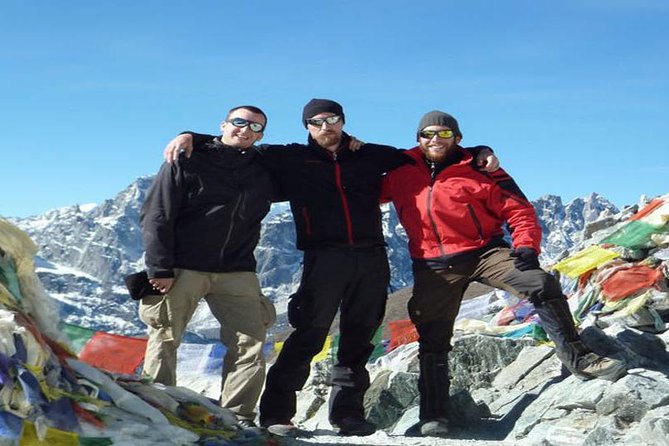
Your day starts early: the meeting time is 5:15 am, with pickup offered. After the Kathmandu logistics, you fly to Lukla, then begin the trek right away.
Day 1 is shorter on paper but not exactly a warm-up. You land at famous Lukla airport and then walk about 3.5 hours to Phakding. It’s a good first day because it gets you moving while you’re still near lower elevation, and it sets the tone: this is a trek where your body learns the rhythm quickly.
One practical thing I like here is that the trip is guided from the start. Guides help you keep expectations realistic—especially important once you’re breathing heavier.
Phakding to Namche Bazaar: the rocky uphill lesson
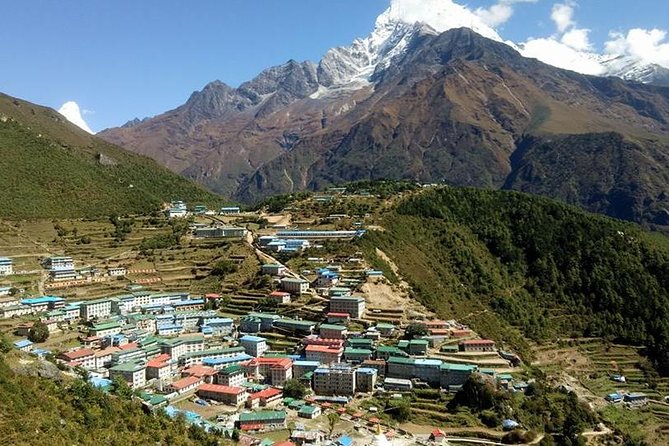
Day 2 pushes you toward Namche Bazaar, with about 8 hours on the trail. The terrain is described as dirty and rocky, mostly uphill, and that matters because it’s where you learn what “steady” means on this trek. If you go too fast early, you’ll pay later.
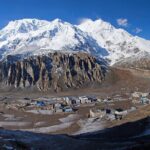
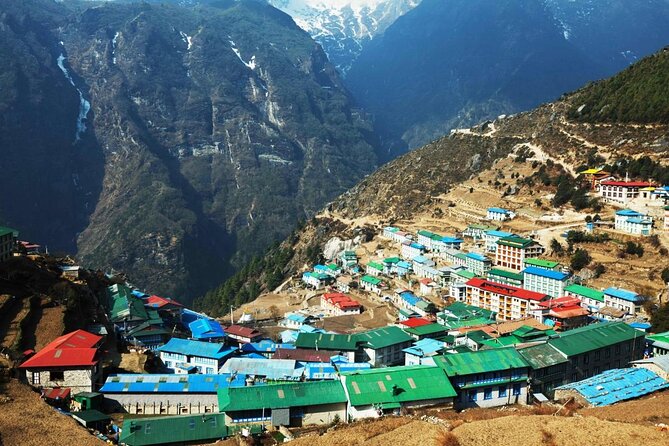
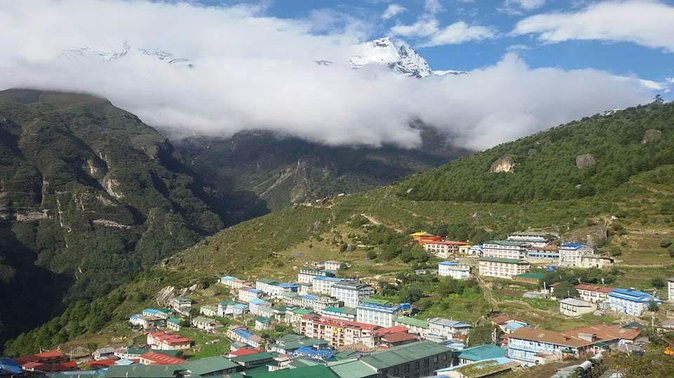
Namche Bazaar itself is a colorful mountain town, and it’s more than a waypoint. Think of it as a base for acclimatization: restaurants, lodges, and that classic Himalayan vibe where you’ll see other trekkers settling in.
Tip for you here: plan your effort. On a day like this, it’s better to finish with energy than to reach Namche feeling wrecked. Your guide can help manage that pacing so your acclimatization days actually work.
Namche acclimatization day: Everest View Hotel and breathing control
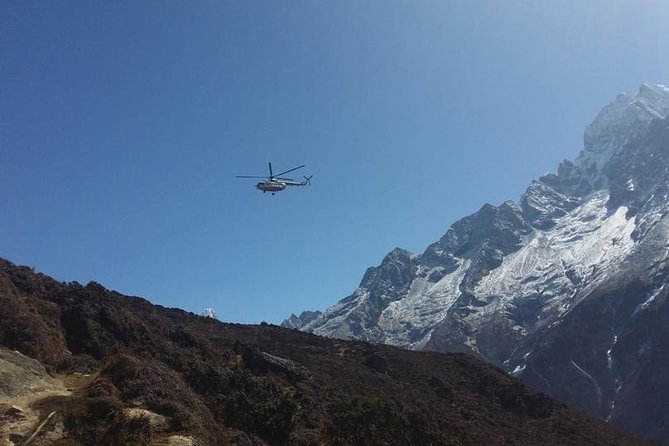
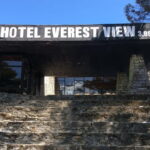
Day 3 is your acclimatization day around Namche, including the Everest View Hotel. This is one of those “slow is smart” days, and I’m glad it’s built in. The point isn’t to race; it’s to help your body adjust to altitude while still getting a payoff in views.
A practical way to enjoy this day is to keep your movements calm. You’re likely to feel winded faster than usual. You’ll get better results from slow hiking, short breaks, and consistent hydration than from pushing harder to reach every viewpoint quickly.
This is also a day that sets you up mentally. If you’re worried about altitude, an acclimatization day helps you feel progress while keeping safety in the foreground.
Monastery stop: culture that breaks up the altitude grind
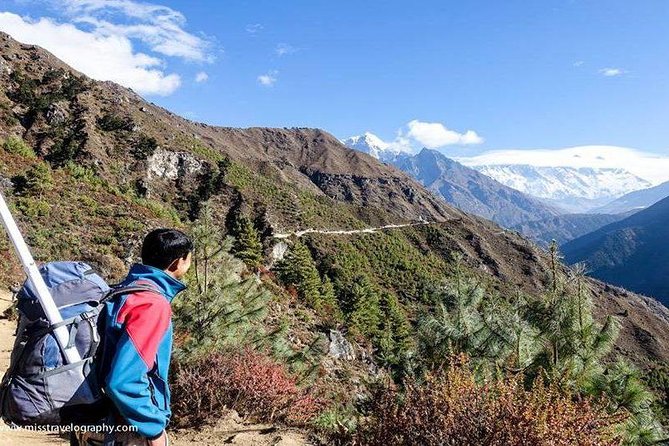
On Day 4 you head to a monastery. This is the type of stop that makes a big trekking route feel human, not mechanical.
Altitude can make everything feel intense. A culture-focused stop gives your brain a different job for a few hours, and that’s underrated when you’re spending days walking. It also helps you understand the region beyond the mountain headline—Nepal isn’t only Everest; it’s Sherpa communities, spiritual life, and day-to-day mountain culture.
Dingboche: another 8-hour push, then more adjustment
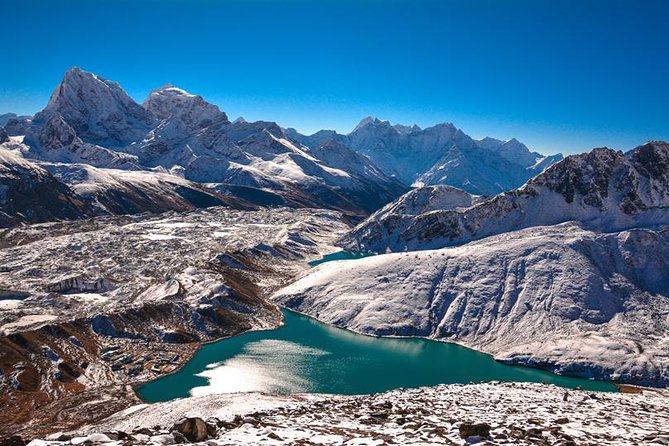
Day 5 takes you to Dingboche, again with about 8 hours. Expect another sustained hike day, and remember that each ascent makes every step harder. This is where you earn your place in the higher Khumbu zone.
Day 6 is another acclimatization day trip around Dingboche. That pattern—climb to a key altitude, then give your body time—shows up again and again on this plan. If you’re wondering why that’s important, it’s simple: acclimatization days are what keep the trek from feeling like a wall of fatigue.
In real trips, guides like Madan and Manoj have been praised for adjusting pace and even itinerary if altitude complications show up. You want a guide who watches you, not just the trail.
From Dingboche to Lobuche: the long steady climb toward the big names
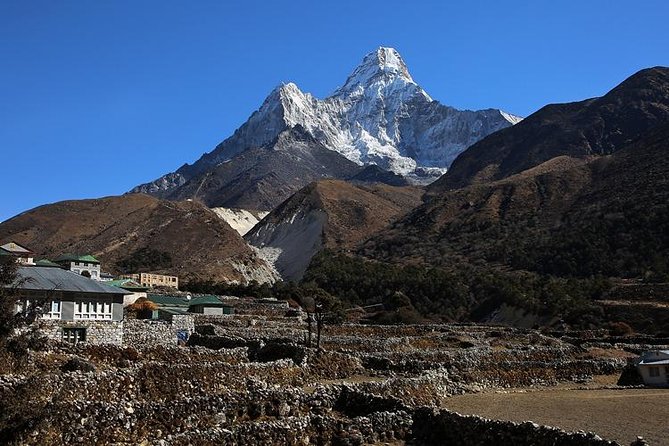
Day 7 is the trek to Lobuche. This is a transition day that moves you deeper into Everest country, closing the distance to the base camp area.
I like this stage because it’s not just about altitude—it’s about rhythm. By now, you’ve built a routine: walk, rest, eat, repeat. The goal is to keep that routine steady so your energy doesn’t crater.
If you’re the type who tends to get anxious about “making it,” this is where your guide’s reassurance matters. Past journeys with guides including Nima and Ngima have highlighted how supportive guidance can be the difference between stressing and simply managing your effort.
To Everest Base Camp and back to Gorakshep: the payoff day
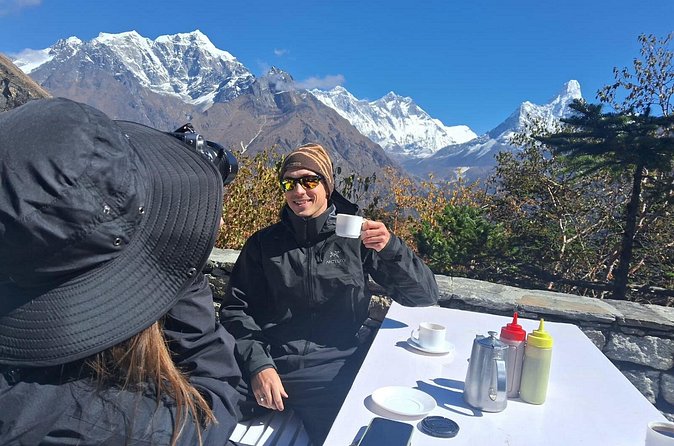
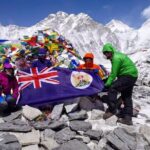
Day 8 is the big one: trek to EBC and then return to Gorakshep. This is a day with a lot of emotional weight, because Everest Base Camp is the moment most people imagined before they ever booked a ticket.
Gorakshep is where you’ll base out for the next day’s viewpoint hike. For you, the practical lesson is this: don’t treat the entire day like a sprint to the finish. You’re still at altitude, and you’ll need enough legs to keep moving afterward.
Day 9 then includes a hike to Kalapatthar and a trek to Pheriche. Kalapatthar is a major viewpoint area, and it’s one of the classic ways trekkers chase close-up Everest perspectives. After that, the move to Pheriche helps you keep descending in a controlled way.
Retracing to Namche and back to Lukla: finishing strong matters
Day 10 brings you back to Namche Bazaar by retracing the same trail. Day 11 returns you to Lukla. This matters more than it sounds. Retracing trails often means you know what to expect—steps, stretches, and where the tough sections tend to hit—so you can walk smarter on the way down.
This is also where your pacing skills pay off. If your first half of the trek taught you to slow down and listen to your body, you’ll find the return days feel more manageable instead of punishing.
Day 12 is your flight back and then transfer to your hotel in Kathmandu. After nearly two weeks of hiking effort, that last day is a real reset: food tastes better, showers feel like luxury, and you’ll probably sleep like a rock.
Guides, Sherpa hospitality, and why this feels well run
The guiding team is a standout theme in the feedback. People talk about how responsive and friendly the organization feels from the first Kathmandu meeting through the final day.
Names that show up in the guide stories include Nima, Madan, Manoj, Madhav, and Pralhad. There are also mentions of porters like Unik and Sherpa support like Raj. The consistent message: you’re not thrown on the trail and left to figure it out.
One review theme that’s worth taking seriously is support during altitude trouble. In at least one case, a guide helped change the itinerary when someone had complications. That doesn’t mean every day will be perfect, but it does suggest a guide who takes your condition seriously instead of forcing a rigid schedule.
Logistics that can save you headaches in Kathmandu
This trek is centered in Kathmandu, with pickup offered. You’ll also receive a mobile ticket, and you’re asked to share your passport details at booking (name, number, expiry, and country) for all participants.
Those details matter because trekking routes run on permits and flight manifests. I like that this operator spells it out early, since Everest trips can become stressful when paperwork turns into a last-minute scramble.
Also, the trek is stated to operate in all weather conditions, which means you should dress for changing conditions. Layers are your friend. Dry socks are your religion.
Who should book this trek, and who should pause
This Everest Base Camp trek is ideal for fit travelers who have prepared for high-altitude trekking. If you can walk 8-hour days on rocky paths and you’re comfortable with the idea that your breathing will feel unusual, you’ll likely find this plan workable.
It’s also a good fit if you want a guided experience with permits handled and consistent food and lodging on the trek. The max group size of 12 can be a sweet spot if you don’t want a huge crowd, but you still want structure.
You might think twice if you’re not comfortable with sustained uphill walking or if you don’t have a plan for altitude prep. Altitude is the real challenge here, not the number on the brochure.
The bottom line: should you book Everest Base Camp with Mosaic Adventure?
If you want a straightforward Everest Base Camp route with flights to Lukla, permits arranged, and meals and accommodation included, this option offers solid value for the money. The best sign is the combination of practical organization and guide support—especially when people need a pace adjustment at altitude.
Just go in knowing what you’re paying for and what you’re covering yourself. Budget for travel insurance, tipping, and the porter option if you want extra help carrying gear. If you’re prepared for long trekking days and altitude, this is the kind of trek that can turn a bucket list dream into a real, step-by-step achievement.
FAQ
How long is the Everest Base Camp trek?
The trek is listed as 12 days approximately.
Where does the trek start and what time does it begin?
It starts from Kathmandu with pickup offered, and the meeting point start time is 5:15 am.
How much does the tour cost?
The price is $1,445.00 per person.
Are round-trip flights included?
Yes. Round-trip flights from Kathmandu to Lukla are included.
Are trekking permits included?
Yes. Trekking permits are arranged for you.
What is included for meals and accommodation?
Accommodation and meals on the trek are included, and breakfast, lunch, and dinner are listed as included on the trek.
What is not included in the price?
Travel insurance, personal expenses, porter, and tipping are not included.
What are the group size limits?
The maximum group size is 12 travelers, and there is a minimum of 2 people per booking.
What information do I need to provide during booking?
You need the passport name, number, expiry, and country for all participants.
What is the cancellation policy?
You can cancel up to 6 days in advance for a partial refund. Changes made less than 6 full days before the start time will not be accepted, and if you cancel less than 2 full days before the start time, the amount paid will not be refunded.