REVIEW · KATHMANDU
Everest Base Camp Trek
Book on Viator →Operated by Recreation Holidays Pvt. Ltd. · Bookable on Viator
Lukla feels unreal before you trek. This 12-day Everest Base Camp walk is a clean, well-paced route that takes you from Kathmandu into Sherpa country, with monasteries, prayer flags, and glacier views coming in layers. I like that the Lukla flights and airport pickup/drop are handled for you. I also like the guided acclimatization stops built into the schedule so your body has time to adjust.
Just keep one eye open for the budget extras. The trip price covers permits, guide support, and lodge meals, but beverages, travel insurance for trekking, and tips are not included.
In This Review
- Key highlights to know before you go
- Lukla to Everest Base Camp: the moment the trek starts doing its job
- Kathmandu logistics: simple pickup, clear start, and getting your paperwork right
- Day by day: what each section feels like (and what to watch for)
- Day 1: Kathmandu to Lukla, then Lukla to Phakding
- Day 2: Phakding to Namche Bazaar
- Day 3: First acclimatization day in Namche Bazaar
- Day 4: Namche Bazaar to Tengboche
- Day 5: Tengboche to Dingboche
- Day 6: Second acclimatization day in Dingboche
- Day 7: Dingboche to Lobuche
- Day 8: Lobuche to Everest Base Camp via Gorakshep, then back to Gorakshep
- Day 9: Gorakshep to Kala Patthar, then trek to Pheriche
- Day 10: Pheriche to Namche Bazaar
- Day 11: Namche Bazaar to Phakding and Lukla
- Day 12: Lukla flight back to Kathmandu
- What the $1,390 price really covers (and what you’ll still pay yourself)
- The guide team factor: early answers and real support
- Who should book this trek—and who should pause
- Should you book this Everest Base Camp Trek?
- FAQ
- FAQ
- What time does the trek start at Tribhuvan Airport?
- How many days is the Everest Base Camp trek?
- What’s included in the price?
- What is not included?
- Is there a vegetarian meal option?
- How does cancellation work?
Key highlights to know before you go
- Lukla flights in both directions remove a big logistical headache and keep the trek tightly timed
- Acclimatization days in Namche Bazaar and Dingboche help you pace altitude changes instead of pushing hard every day
- Lodges with three meals during the trek mean you’re not scrambling for food planning on the trail
- A real team vibe: guides like Hari, Ongchhu, and Nima are described as answering questions early and doing a proper checklist briefing
- Cultural stops beyond views with monasteries, chortens, mani walls, and colorful prayer flags along the way
- Kala Patthar day gives you a major viewpoint experience on the way back down from the Everest Base Camp area
Lukla to Everest Base Camp: the moment the trek starts doing its job
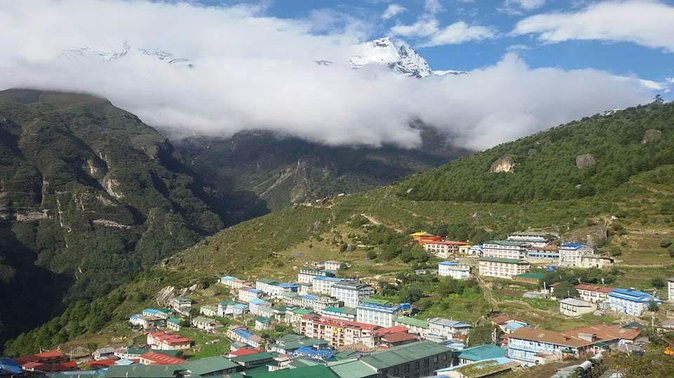
Most treks build slowly. This one flips the script fast. You fly from Kathmandu to Lukla and then start walking the same day, which means you feel like you’re in motion from minute one. The payoff is simple: you don’t spend the whole week mentally preparing. You’re already in the mountains, breathing different air, hearing different sounds.
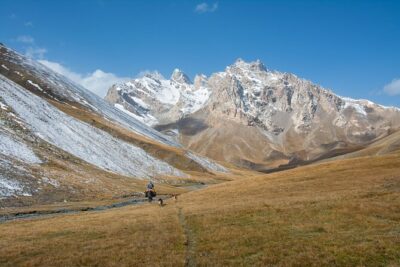
Lukla also sets the emotional tone. After the city, the trail feels oddly quiet even though you’re not alone. You’ll move past river crossings and small settlements, then gradually step into a world where the mountains dominate everything—weather, light, and even how people talk about the day.
The other big reason the trek works: it’s structured around acclimatization, not heroics. You’re not just being marched higher. You get a day in Namche Bazaar and another in Dingboche to let your body catch up. That’s the kind of planning that makes the difference between a tough trek and a miserable one.
You can also read our reviews of more tours and experiences in Kathmandu.
Kathmandu logistics: simple pickup, clear start, and getting your paperwork right
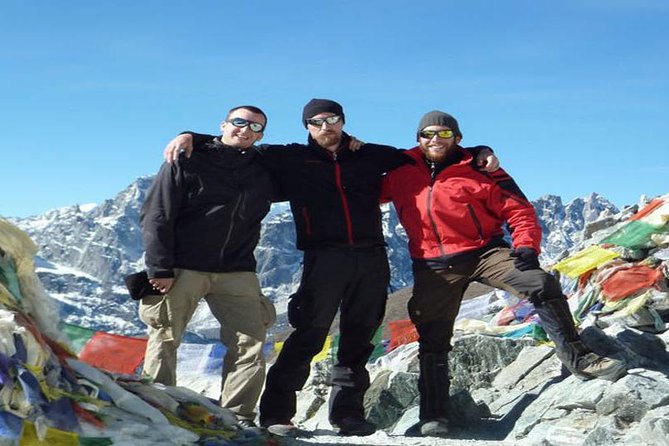
Your trek begins at Tribhuvan Airport with a listed start time of 6:00 am. The good news is that airport pickup and drop are included by private vehicle, so you’re not trying to figure out local transport while your head is already spinning with early-morning flight nerves.
You’ll also want to be ready for the paperwork side. The booking needs your passport name, number, expiry, and country. That matters because the flights and permits have to line up correctly. It’s not a thrilling detail, but it’s the difference between a smooth start and avoidable stress.
One more small plus: the tour uses a mobile ticket, which can make day-of coordination easier once you’re in motion.
Day by day: what each section feels like (and what to watch for)
Day 1: Kathmandu to Lukla, then Lukla to Phakding
After the flight, you’ll trek to Phakding. This first day is mostly about settling into walking rhythm after the short hop to higher terrain. You’ll be trading urban convenience for steady effort: short breaks, careful footing, and a slower mind.
What I like about this opener is the psychological value. It’s not a “jump straight to hard” style day. You start, you warm up, and you learn how your body handles the altitude before the schedule ramps up.
Practical tip: keep your expectations modest today. If you treat it like a warm-up walk, you’ll be in better shape for Namche.
Day 2: Phakding to Namche Bazaar
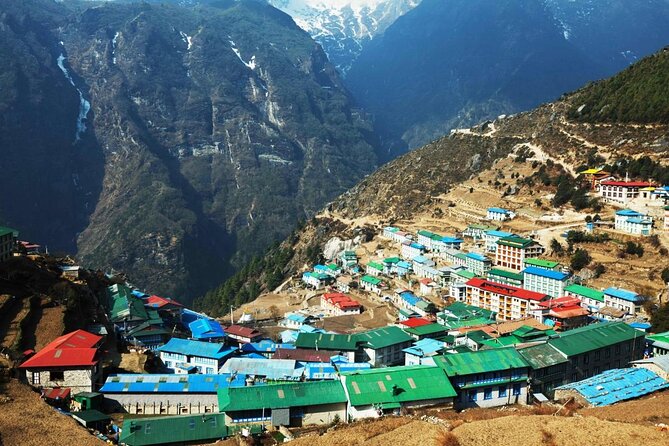
Today you head toward Namche Bazaar, the busy mountain hub where tea houses, trade, and trekking culture meet. As you move closer, it feels less like a path and more like a corridor of people heading the same direction.
Namche is often where trekkers realize two things:
1) the mountains are real and getting closer
2) you need to slow down compared to your normal pace
This is one of those days where trekking etiquette matters. Expect shared tea house spaces and common trail bottlenecks. If you keep a steady pace and don’t force quick passes, the day feels smoother for everyone.
Day 3: First acclimatization day in Namche Bazaar
You don’t move higher every day. You stay in Namche Bazaar for acclimatization. That single design choice is huge for comfort and safety. Instead of pushing again, you let your body adjust before the next big stair-step in elevation.
What you’ll do with the time depends on conditions and how you’re feeling, but the goal stays the same: recover, hydrate, and keep your breathing under control. Even if you feel fine, acclimatization days are part of the plan for a reason.
If you’re thinking about packing, this is the day to be smart. Keep what you’ll need within easy reach and avoid turning every rest stop into a rummaging operation.
Day 4: Namche Bazaar to Tengboche
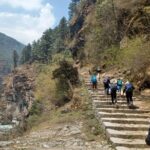
Next up: Namche Bazaar to Tengboche. This stretch leans into the feeling you came for—mountain monasteries, prayer flags, and the cultural spine of Sherpa life.
Tengboche is closely tied to Buddhist spirituality along the route. If you notice chortens, mani walls, and prayer flags, you’ll start understanding that the trek isn’t only about climbing. It’s also about walking through a living belief system that’s been here far longer than any trekking trend.
Drawback to consider: the day can feel long if you overshoot your pace early. Move steadily, take breaks before you’re tired, and you’ll get more out of the scenery.
Day 5: Tengboche to Dingboche
You continue to Dingboche. The path keeps shifting in character—more rugged trail moments, colder air cues, and a growing sense that the region above tree line is coming closer.
Dingboche is another stepping stone to higher ground. It’s not the finish, but it’s where your body starts working harder for every climb segment.
This is a good day to watch your energy. If you’re feeling off, don’t try to compensate by rushing. The schedule is designed for a gradual rhythm, and your body will thank you for respecting it.
Day 6: Second acclimatization day in Dingboche
Another acclimatization day, this time in Dingboche. If you’ve ever wondered why experienced trekking plans repeat “rest days,” here’s the answer: your body needs time to adapt to thinner air.
This stop is where you reset. Hydration becomes even more important, and how you dress matters. The mountains can turn chilly fast, and you’ll feel it more when you’re standing still.
I like that this trek doesn’t treat acclimatization like an optional extra. It treats it like a central part of the experience.
Day 7: Dingboche to Lobuche
Now you head toward Lobuche. This is the stage where the trail can feel rockier and more demanding, and you’ll likely notice more trekkers looking weather-aware. The days start to feel mission-like: keep moving, keep your footing, and keep your mind calm.
A consideration here: weather can affect comfort more at this stage. You’ll want layers that are easy to manage and rain protection that doesn’t turn into a wrestling match.
Day 8: Lobuche to Everest Base Camp via Gorakshep, then back to Gorakshep
This is the big one on paper—and the big one emotionally in real life. You trek from Lobuche to Everest Base Camp via Gorakshep, then return to Gorakshep.
That “go and come back” structure matters. You’re not just walking onward; you’re making a round-trip push to reach the Base Camp area and then returning to your overnight spot. Expect a long, focused day where pacing is everything.
When you finally reach Everest Base Camp, it’s the kind of place that feels both crowded and unreal—cameras out, voices echoing slightly, and everyone processing the same milestone.
Practical advice: keep your stops short. Enjoy it, take photos, soak in the moment—but don’t get so relaxed that you start the return too slowly.
Day 9: Gorakshep to Kala Patthar, then trek to Pheriche
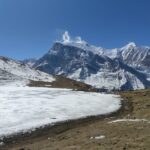
Today adds a major viewpoint: Kala Patthar, followed by a trek to Pheriche. Kala Patthar is the kind of name you hear in trekking circles for a reason—it’s a payoff day that’s about getting a powerful perspective on the region.
But the bigger value is how it balances the trek. You reach a high-point viewpoint, then you start working your way back down toward more comfortable air.
If you’re sensitive to cold, this is a day to dress smartly before you need to. Don’t wait until you’re already uncomfortable.
Day 10: Pheriche to Namche Bazaar
You head back to Namche Bazaar. This is a familiar rhythm: long walking blocks, frequent pauses, and the quiet joy of realizing you’re going the right direction now.
On return days, you often appreciate things you missed earlier—how people move on the trail, how the tea houses are arranged, how the mountains look different when you’re less stressed.
It’s also a good time to check yourself. You should be feeling fatigue, but you shouldn’t feel broken. If you do, slow down and let your guide help you adjust your pacing.
Day 11: Namche Bazaar to Phakding and Lukla
Today you move to Phakding and then back toward Lukla. This is the penultimate “on the trail” day where you feel the finish line energy without yet fully relaxing.
A consideration: walking after so many days means small mistakes matter more—blisters, tight calves, and worn-out shoes. Take care with your footwear, and don’t treat it like a sightseeing walk.
Day 12: Lukla flight back to Kathmandu
Finally, you fly Lukla to Kathmandu and end back at the meeting point. This last day is mostly about transitions: from trekking pace to city pace.
You’ll likely feel a mix of relief and strange emptiness afterward. That’s normal. The trek has taken over your daily rhythm, and then it stops.
What the $1,390 price really covers (and what you’ll still pay yourself)
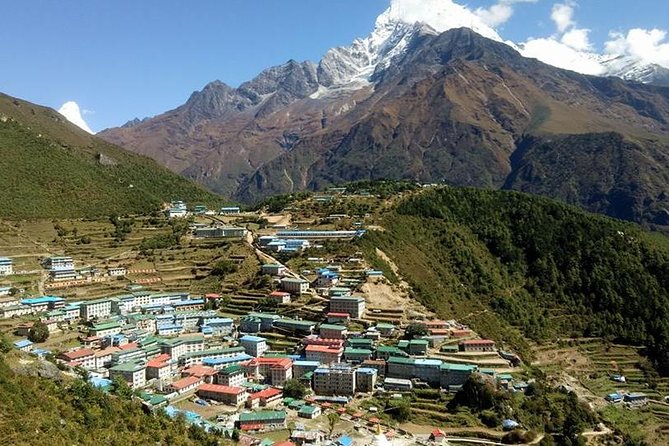
At $1,390 per person for an approx. 12-day trek, the value comes from what’s bundled and what isn’t.
What’s included:
- Airport pickups and drops in private vehicle
- Both-way flights Kathmandu–Lukla–Kathmandu
- Guest house/lodge during the trek with three meals a day (11 breakfast, 11 lunch, 11 dinner are listed)
- A trekking guide, including expenses like salary and insurance
- Permits and taxes
That’s a meaningful amount of real cost. Flight logistics alone can be one of the biggest budget uncertainties. Permits and organized guiding remove friction too.
What’s not included:
- Travel insurance for trekking
- Hotel and meals in Kathmandu
- Tips for guide(s), porter(s), and driver(s)
- Alcoholic and non-alcoholic beverages
So the practical takeaway: if you budget only the trek price, you might feel a little surprised at the end. If you budget with insurance, beverages, and tips in mind, the trip becomes a cleaner deal.
There’s also a stated option for vegetarian meals, which you should request at booking if that matters to you.
The guide team factor: early answers and real support
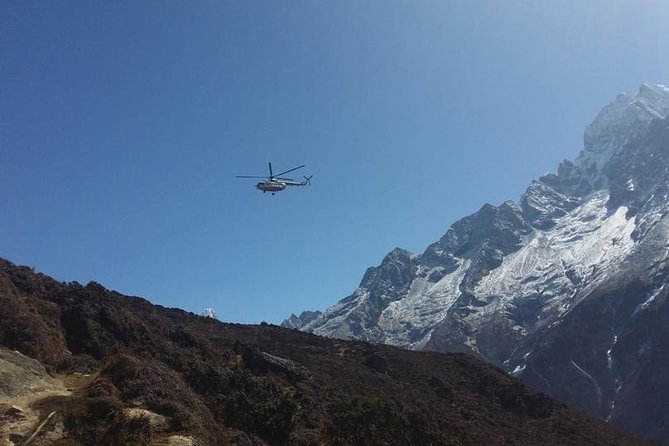
One of the most praised parts of this experience is the guide team’s readiness. In a recent trek story, guides named Hari, Ongchhu, and Nima answered questions before departure and even met for close to two hours to go through a checklist. That kind of preparation does more than inform you—it reduces decision fatigue on the trail.
On an Everest Base Camp trek, small things matter: how you dress, when you take breaks, and how you manage your pace. Having a guide who’s proactive with planning tends to make the whole trip feel more controlled.
Who should book this trek—and who should pause
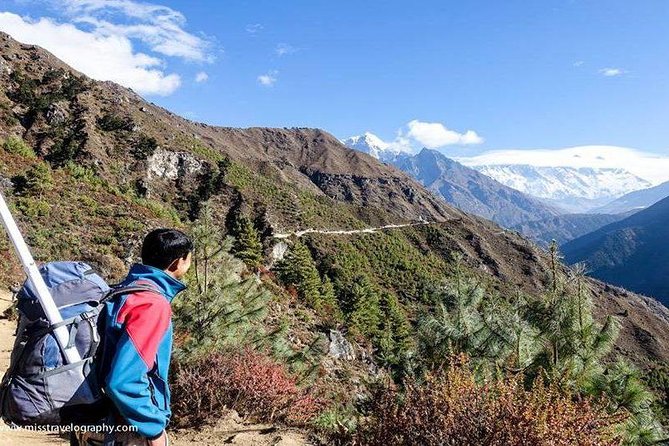
This trek fits best if you have moderate physical fitness and you want a structured route that treats acclimatization seriously. If you like trekking with steady guidance, cultural context, and daily lodge meals, you’ll probably love the way this experience is put together.
You might pause if:
- you’re not comfortable with cold and changing mountain weather (the trek operates in all weather conditions, so you’ll need to dress appropriately)
- you don’t want any add-on costs like beverages, insurance, and tips
- you’re looking for a casual stroll. This is a trek with real elevation effort and a long day on the Base Camp push
Should you book this Everest Base Camp Trek?
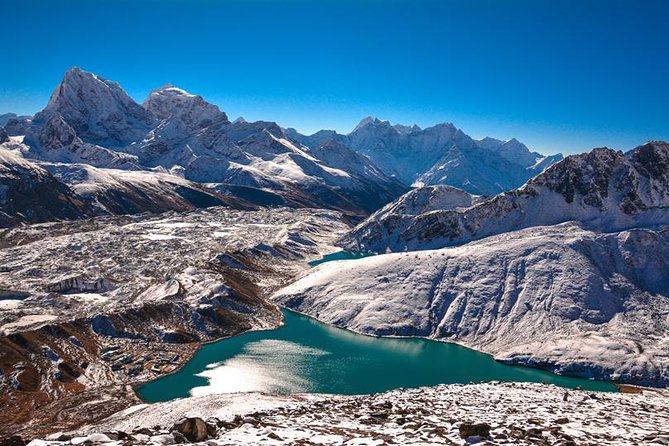
If your goal is Everest Base Camp with meals handled, permits handled, flights handled, and a schedule that includes two acclimatization days, I think it’s a strong choice.
I’d especially recommend it if you value a calm, guided approach over improvising logistics. And if you want a trekking team that takes preparation seriously, the guide support described with Hari, Ongchhu, and Nima is exactly the sort of confidence booster you’ll appreciate once you’re on the trail.
FAQ
FAQ
What time does the trek start at Tribhuvan Airport?
The start time is listed as 6:00 am at Tribhuvan Airport, Kathmandu, Nepal.
How many days is the Everest Base Camp trek?
The duration is listed as 12 days (approx.).
What’s included in the price?
The included items are airport pickups and drops in a private vehicle, both-way flights Kathmandu–Lukla–Kathmandu, lodge/guest house during the trek with three meals per day, a trekking guide with expenses, and all necessary permits and taxes.
What is not included?
Not included are travel insurance for trekking, hotel and meals in Kathmandu, tips for guide(s), porter(s), and driver(s), and alcoholic and non-alcoholic beverages.
Is there a vegetarian meal option?
Yes, a vegetarian option is available. You need to advise the operator at the time of booking.
How does cancellation work?
Free cancellation is offered. You can cancel up to 24 hours in advance for a full refund, and the cut-off is based on local time.