REVIEW · KATHMANDU
Mardi Himal Trek Nepal
Book on Viator →Operated by Magic Himalaya Treks · Bookable on Viator
That early-morning trek buzz is real. This 9-day Mardi Himal route in Nepal’s Annapurna region is built for a quieter experience with tea-house stays and sweeping views of Mount Machapuchare (Fishtail), Annapurna South, and Hiunchuli. I also like that Magic Himalaya handles the moving pieces—airport and ground transfers plus guides/porters—so you can focus on walking and soaking in the scenery.
One thing to think about first: the schedule starts very early (the listed start time is 1:15am), and the trek includes a full 10-hour hiking day plus higher-elevation walking up to about 4,500m. If you’re not used to long days on the trail, this won’t be a casual stroll.
In This Review
- Key takeaways before you go
- A Tea-House Mardi Himal Trek That Feels Quieter Than the Classics
- Logistics You’ll Actually Notice: Kathmandu, Pokhara, and That Early Start
- Day-by-Day: From Thamel Briefing to High Camp Views
- Day 1: Arrive in Kathmandu and get briefed in Thamel
- Day 2: Kathmandu to Pokhara by tourist bus (about 7 hours)
- Day 3: Kande to Deurali via the Australian Camp viewpoint stop
- Day 4: Forest walking to Low Camp (about 6 hours)
- Day 5: Low Camp to High Camp, with a chance at Danphe
- Day 6: Upper viewpoint day—steep, narrow, and long (about 10 hours)
- Day 7: A different route to Shiding Village, then drive back to Pokhara
- Day 8: Pokhara back to Kathmandu by bus (about 6–7 hours)
- Day 9: Final pickup to the airport
- Price and Value: What $750 Covers (and What It Doesn’t)
- Trek Comfort Reality Check: Tea Houses, Food, and the Pace
- What the Reviews Emphasize: Attention, Smooth Planning, and Nabin’s Follow-Through
- Who This Trek Is Best For (and Who Might Struggle)
- Should You Book the Mardi Himal Trek with Magic Himalaya Treks?
- FAQ
- What is the duration of the Mardi Himal trek?
- Where does the trip start and end?
- Is transportation included between Kathmandu and Pokhara?
- Are airport transfers included?
- Does the package include trekking permits?
- What meals are included during the trek?
- How high do you go on this trek?
- Do I need travel insurance?
- How many people are in a group?
- FAQ
- What is the cancellation window for a full refund?
- Can I change my booking within 24 hours of the experience start time?
- Is there a medical kit provided?
- Is there a farewell dinner?
Key takeaways before you go
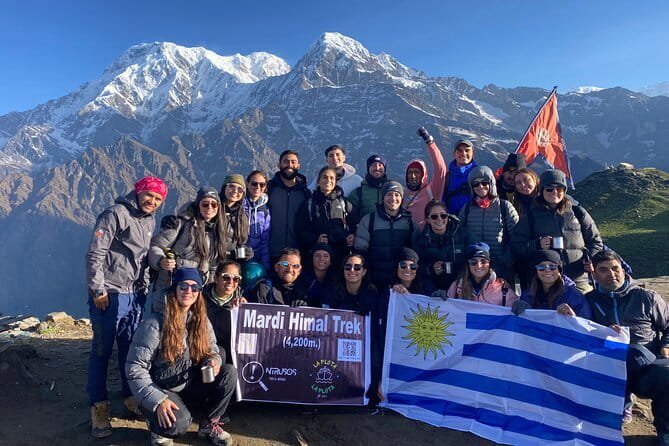
- Tea houses now make Mardi Himal easier than the older camping-style version, with lodges along the way.
- Big mountain views without the biggest crowds thanks to the quieter Mardi Himal corridor.
- Transport is tightly handled: Kathmandu to Pokhara by tourist bus, plus jeeps where needed.
- Long-day hiking is part of the deal, including a steep/narrow section and an upper viewpoint push.
- Nabin and the team focus on attention and smooth pacing, with guides available during the trek.
A Tea-House Mardi Himal Trek That Feels Quieter Than the Classics
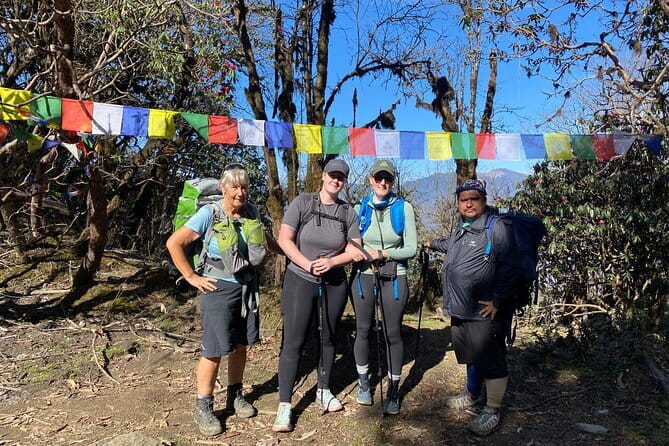
Mardi Himal is a strong pick when you want the Annapurna feeling—forests, alpine meadows, ridgelines, and sky-high views—without chasing the busiest trail routes. The big idea here is that Mardi Himal has shifted from a camping trek into a more comfortable tea-house trek, with lodges and places to eat and sleep along the route. That matters because it changes how you experience the mountains: less gear hauling, more time moving with less friction.
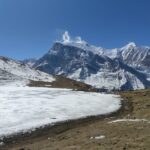
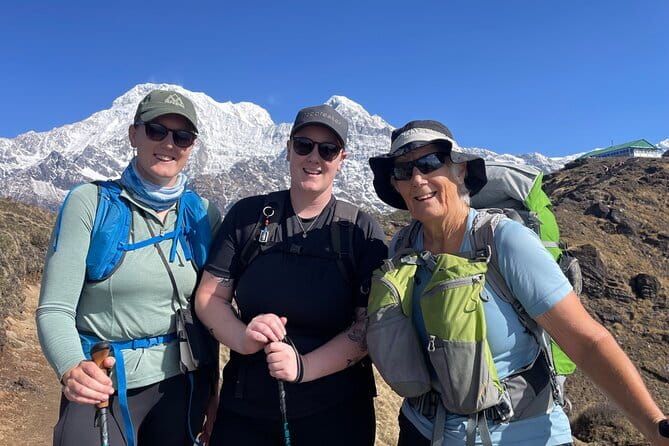
The payoff is the panoramic payoff you came for. On clear days, you’re positioned for views toward Machapuchare (Fishtail), plus Annapurna South and Hiunchuli. And even when the weather softens, you’re still walking through varied terrain that keeps the day interesting.
The “tea-house” part isn’t luxury, but it’s practical. You can plan around meals and warm spaces without needing to manage camp logistics. If you’re the type who prefers comfort that still feels outdoorsy, Mardi Himal fits the bill.
You can also read our reviews of more tours and experiences in Kathmandu.

Logistics You’ll Actually Notice: Kathmandu, Pokhara, and That Early Start
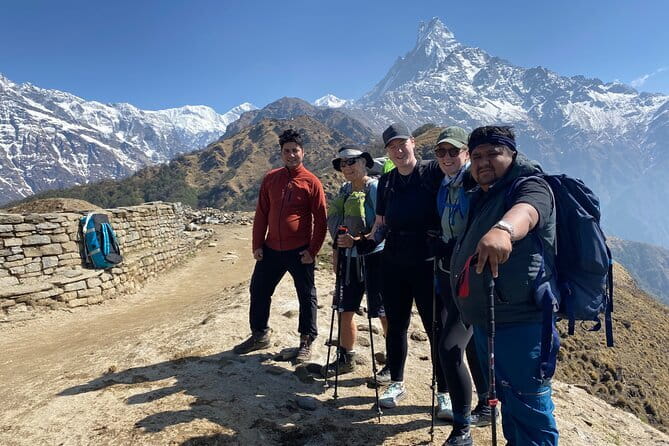
Magic Himalaya structures the trip so you don’t spend your holiday wrestling with schedules. Day 1 begins in Kathmandu’s Thamel, with airport pickup and a transfer to your hotel. In the evening, you go to the Magic Himalaya Treks office for a briefing—useful if you want your questions answered before your boots hit the trail.
Then you switch to Pokhara for the trek jump-off. The transfer is by tourist bus (listed as about 7 hours), and you sleep in Pokhara before trekking starts. This is a common pattern in Nepal trekking, but here it’s handled for you, which is a big deal when you’re tired from travel.
One scheduling note you should take seriously: the start time is listed as 1:15am. Your itinerary also includes long hiking hours later, so plan around early mornings and be ready for a day that begins before you’re fully awake. This isn’t a “sleep in and go” trek.
Day-by-Day: From Thamel Briefing to High Camp Views
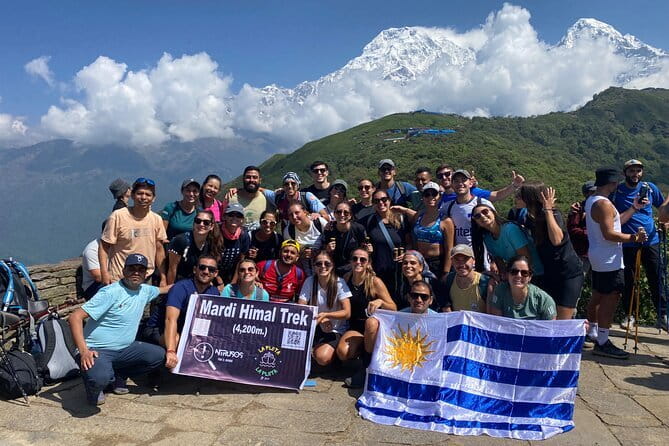
Day 1: Arrive in Kathmandu and get briefed in Thamel
After landing, you’re picked up and taken to a hotel in Thamel, then brought to the company office in the evening for a trek briefing. That briefing time can be more than paperwork—it’s where you’ll get your basics straight so you don’t show up confused on day one of hiking.
If you like knowing your plan before you sleep, this setup is comforting. You’ll also have time to settle after the flight.
Day 2: Kathmandu to Pokhara by tourist bus (about 7 hours)
You leave after breakfast and ride to Pokhara by tourist bus. The itinerary lists the drive time as about 7 hours, and you’ll sleep in Pokhara that night.
Why this matters: getting the transport done up front means you’re not spending your limited Nepal time juggling buses, taxis, and timing.
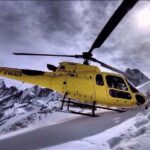
Day 3: Kande to Deurali via the Australian Camp viewpoint stop
Today starts with a drive to Kanda, then your trek begins toward Deurali. You may stop for lunch at Australian Camp, which is described as a good viewpoint, and then you stay at Deurali villa.
This is a day to ease into trekking rhythm—walk, breathe, and start banking mountain views. It’s not the day to sprint; your body is still adjusting to the idea of higher elevations and stair-step terrain.
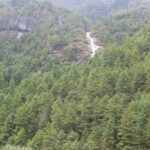
Day 4: Forest walking to Low Camp (about 6 hours)
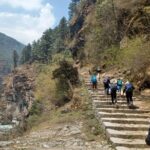
You continue through forest terrain until you reach Low Camp for the night. The itinerary calls out outstanding Himalayan ranges from Low Camp, and meals and accommodation are included.
This is a nice balance day: forest walking tends to feel steady, and you get a proper camp base without needing to push your body to exhaustion. If you’re trying to keep anxiety low and momentum high, this kind of day is a win.
Day 5: Low Camp to High Camp, with a chance at Danphe
You head uphill to High Camp, and the trail becomes thinner at the tree line. The itinerary also mentions the possibility of spotting Danphe (the national bird of Nepal), which can add a special wildlife moment to what is otherwise pure mountain effort.
This is also the “final destination of the day,” so you’ll plan your energy accordingly. Your goal becomes arriving with enough left to enjoy the camp and views rather than arriving wiped out.
Day 6: Upper viewpoint day—steep, narrow, and long (about 10 hours)
This is the day with the most obvious “serious trek” energy. The route includes ascending and descending, plus time on steep and narrow trail. You also pass through pastures and hike on a narrow section of the trail before reaching the upper viewpoint.
A 10-hour hiking day is not subtle, even if you stop to breathe often. If you’re curious whether Mardi Himal is for you, this is the day you should picture. Bring a steady pace mentality. You’ll enjoy the day more if you treat it like a workday you can finish, not like a race.
Day 7: A different route to Shiding Village, then drive back to Pokhara
Instead of going back the way you came, today you trek a different route to reach Shiding Village, then drive back to Pokhara for an overnight stay. This change can break up monotony, and it also gives your legs a fresh set of trail impressions.
It’s a good day for anyone who doesn’t like doing the same terrain twice in a row. When your body is tired, variety can feel like a gift.
Day 8: Pokhara back to Kathmandu by bus (about 6–7 hours)
After breakfast, you go to the tourist bus park and ride back to Kathmandu. The listed drive time is 6–7 hours.
This is one of those travel days where your comfort matters. You’ll want to have your essentials ready, because after a trek it’s easy for the bus time to feel longer than it should.
Day 9: Final pickup to the airport
On departure day, you’re picked up from your hotel and transferred to the airport. It’s a straightforward end, which I like—no scrambling, no last-minute detours.
Price and Value: What $750 Covers (and What It Doesn’t)
At $750 per person, the value really depends on how much you want to outsource. This package includes transport between Kathmandu and Pokhara (air-conditioned vehicle by tourist bus), plus private transportation to Kande and jeep drive from Shiding to Pokhara. It also includes private airport pickup and drop-off.
More importantly, it includes the trek backbone: a guide and porter, plus equipment and food costs for them, insurance, and accommodation for the trekking days. You also get permits—specifically the Annapurna conservation permits and required documents—along with a trekking map and a company duffel bag for your porter to carry.
Meals are also built in. The package lists breakfast for 8 mornings, lunch for 5, and dinner for 5. That’s a meaningful chunk of the daily costs you’d otherwise pay out of pocket at tea houses.
What’s not included is the usual stuff that you still need to handle: your clothes and required gear, lunches and dinners in Kathmandu and Pokhara, personal expenses, alcohol and bar bills, and—very important—rescue operation if it’s ever needed. The trek also isn’t built for last-minute comfort shopping; it assumes you arrive ready.
Trek Comfort Reality Check: Tea Houses, Food, and the Pace

Tea houses change the whole feel of a trek. Instead of planning every night around camp setup, you show up and focus on drying out, eating, and resting. The tradeoff is that the experience will still be basic in mountain terms—hot water, warm rooms, and food quality can vary by altitude and season, and you should go in expecting practical comfort rather than spa-level service.
Food is included during trekking days as described above, and having lunch options (including the Australian Camp lunch) helps keep your trek-day rhythm smooth. I also like that a medical kit box and required medicine are included for the trek, because tiny health issues are exactly what can slow you down if they’re not handled quickly.
Your hiking pacing will matter more than you think. Mardi Himal involves forest-to-meadow transitions and narrow trail segments. If you’re the type who likes to keep moving steadily and stop often for short breaks, you’ll get along well.
What the Reviews Emphasize: Attention, Smooth Planning, and Nabin’s Follow-Through
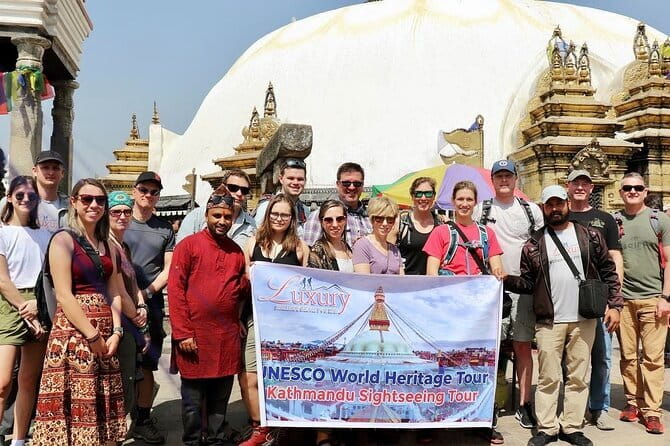
Across the feedback, one theme comes through clearly: people appreciated how attentive and helpful the team was. Guides were described as available and responsive, and the overall logistics—transport and stays—were described as smooth. That combination matters because on a trek, you don’t just want the mountains; you want the trip to run without constant friction.
A specific name comes up too: Nabin, described as the owner who checks on people during the experience. When an owner pays attention, it often shows up in the details: pacing, problem-solving, and whether you feel looked after when something small goes off plan.
There’s also a note about the itinerary being adapted to group needs. That’s a good sign if you have different hiking paces in your group. It suggests the trek isn’t just a rigid script.
Who This Trek Is Best For (and Who Might Struggle)
This is a strong match for you if:
- You want a quieter Annapurna experience with big views toward Machapuchare and Annapurna South.
- You’re okay with long hiking hours and a structured schedule.
- You prefer a tea-house setup over camping, but still want real trekking days.
- You value a guided trip where logistics and permits are handled.
This might be tougher if:
- You’re sensitive to very early starts (the listed 1:15am start time).
- You don’t handle long days well—especially the 10-hour hiking segment.
- You’re not comfortable with higher elevation walking up to around 4,500m.
The tour data also says you should have moderate physical fitness. I’d take that seriously: “moderate” here still means you’ll be moving for hours on mountain terrain.
Should You Book the Mardi Himal Trek with Magic Himalaya Treks?
Yes, if you want a practical tea-house trek with handled logistics, included permits, and a team that stays responsive—especially if you’re excited about the less-crowded feel and the Machapuchare-view focus. The price is easier to justify when you consider what’s included: transport, guides/porters, trekking meals on the trail, map support, and a medical kit.
Consider another option if you’re expecting short days, late starts, or full comfort throughout. Mardi Himal rewards effort, and the schedule reflects that with a long upper viewpoint day and significant hiking hours.
If you book, do yourself a favor: get your gear and hiking stamina ready ahead of time. Then show up with a steady pace mindset, and you’ll get the kind of mountain days that stick.
FAQ
What is the duration of the Mardi Himal trek?
The trip is listed as 9 days (approx.).
Where does the trip start and end?
It starts in Kathmandu and ends with an airport transfer from your Kathmandu hotel on the final day.
Is transportation included between Kathmandu and Pokhara?
Yes. Kathmandu to Pokhara is by tourist bus (about 7 hours), and there’s also a return bus from Pokhara to Kathmandu (about 6–7 hours). Additional drives include private transportation to Kande and a jeep drive from Shiding to Pokhara.
Are airport transfers included?
Yes. Private airport pickup and drop-off are included.
Does the package include trekking permits?
Yes. Annapurna conservation permits and required documents are included.
What meals are included during the trek?
Breakfast is included for 8 mornings. Lunch is included for 5 days, and dinner is included for 5 nights. Meals in Kathmandu and Pokhara are not included.
How high do you go on this trek?
The experience is described as reaching up to about 4,500 meters.
Do I need travel insurance?
Travel insurance for the Nepal trek is listed as required/recommended, and rescue operation in case needed is not included.
How many people are in a group?
The tour/activity has a maximum of 16 travelers.
FAQ
What is the cancellation window for a full refund?
Free cancellation is available up to 24 hours in advance for a full refund.
Can I change my booking within 24 hours of the experience start time?
Changes made less than 24 hours before the experience’s start time are not accepted.
Is there a medical kit provided?
Yes. A medical kit box and required medicine for the trek are included.
Is there a farewell dinner?
Yes. A farewell dinner and celebrations are included.