REVIEW · KIGALI
8 Day Gorilla Trek, Wildlife Safari and Chimp Habituation Experience
Book on Viator →Operated by Bamboo Ecotours · Bookable on Viator
You’re chasing two of Africa’s biggest primate moments in just eight days. Gorilla trekking in Bwindi and chimp habituation in Kibale are the core hits, with classic Rwanda-to-Uganda safari stops stitched in between. The payoff is a tight mix of real forest time and big-wildlife game viewing.
I especially like how the trip keeps you moving with a clear rhythm: briefing, trek, reset, then another wildlife day. It also helps that the trip is set up as a private tour (only your group), so your schedule won’t get tangled up with random strangers’ pace.
One thing to think about: you’ll be doing long drives between ecosystems, and you’ll need moderate physical fitness for the forest walking that comes with primate treks. If that sounds stressful, plan for early nights and take your snack game seriously.
In This Review
- Key takeaways before you go
- Gorilla and chimp in one trip: what you’re really signing up for
- Value check: what $3,674.47 buys (and what it doesn’t)
- Day 1: Kigali to Bwindi—starting with a border crossing and a slow burn
- Day 2: Bwindi gorilla trekking—briefing first, then the forest hunt
- Day 3: Golden monkeys in Mgahinga—small primates, big personality
- Day 4: Bwindi to Queen Elizabeth via Ishasha—tree-climbing lions as a target
- Day 5: Queen Elizabeth game drives and the Kazinga Channel cruise
- Day 6: Kyambura Gorge walk and the drive into Kibale
- Day 7: Chimpanzee habituation in Kibale—structured learning in the forest
- Day 8: Finishing the circuit—drive to Kampala or Entebbe
- Guides, comfort, and the small stuff that changes the trip
- Who this tour fits best
- Should you book this gorilla and chimp package?
- FAQ
- Where does the tour start and where does it end?
- What are the main wildlife experiences included?
- How long is the trip?
- What is the driving time from Kigali to Bwindi?
- How long is the gorilla trekking day?
- How long is golden monkey trekking in Mgahinga?
- What wildlife activities happen in Queen Elizabeth National Park?
- Who guides the chimp habituation experience?
- What meals are included?
- Is the tour private, and is pickup offered?
- Are visas, travel insurance, and flights included?
Key takeaways before you go
- Gorilla trekking and chimp habituation together: two different primate experiences, both run with trained local staff
- Golden monkeys after Bwindi: a morning forest trek in Mgahinga Gorilla National Park adds variety and pacing
- Ishasha tree-climbing lions stop: a specific wildlife target instead of only generic game drives
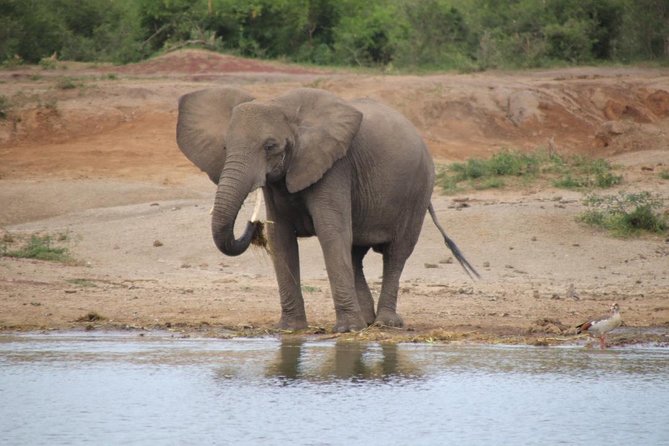
- Queen Elizabeth safari + Kazinga Channel cruise: land sightings plus water-based animal viewing
- Bigodi swamp and community options: if time permits after chimp work, you can add local flavor
- Communication and organization matter here: the tour team is repeatedly praised for responsiveness and keeping things smooth
Gorilla and chimp in one trip: what you’re really signing up for
This is not just a “see wildlife” itinerary. It’s a primate-focused route built around two very different ways of spending time in the forest.
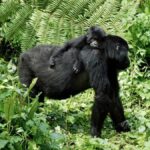
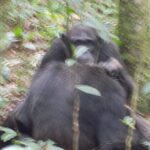
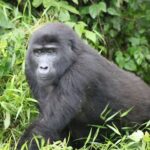
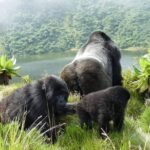
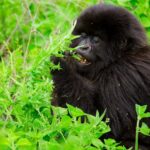
On one side, gorilla trekking is all about the moment you’re assigned a gorilla family and follow the guides into Bwindi’s thick forest until the tracking team finds them. On the other side, chimp habituation is a more educational, structured experience in Kibale, where Uganda Wildlife Authority staff guide you through what chimp behavior looks like when they’re getting used to humans.
If you like wildlife, you’ll be in good shape. If you love primates, this format is even better—because you get both the intense “find them now” energy and the calmer “watch and learn” side of primate research and conservation.
The route also makes sense geographically: you start in Kigali, Rwanda, work your way through Uganda’s western parks, then finish in Kampala or Entebbe. If you prefer the reverse direction, the same circuit can be done the other way around.
You can also read our reviews of more tours and experiences in Kigali.
Value check: what $3,674.47 buys (and what it doesn’t)
At $3,674.47 per person, this is firmly in the “premium” wildlife tier. You’re paying for three big cost drivers that add up fast in East Africa:
- Permits for both gorillas and chimp habituation (these are not casual add-ons)
- Park entry fees across multiple protected areas
- Guiding and transfers that connect Rwanda and Uganda, with the long drive days included
On top of that, the package includes meals: breakfast (7), lunch (8), and dinner (7). That matters more than it sounds. When you’re moving between parks, you don’t want to lose time bargaining for food or paying extra at the wrong moment.
Here’s what’s not included: visas, travel insurance, and flights. So budget for those separately and choose insurance that covers trekking and wildlife time. Gorilla and chimp activities aren’t “sit on a bus” tours, so you want coverage that fits the real activity level.
One more value note: pickup is offered, and the tone of the trip is practical—meaning you’re not left guessing who meets you where and when. Past travelers specifically called out strong communication from Bamboo Ecotours staff, including points of contact like Edison, and they also praised smooth handling once they were in the field. That’s the kind of value you feel most on the drive days.
Day 1: Kigali to Bwindi—starting with a border crossing and a slow burn
Day 1 is about getting you into Uganda and positioned for tomorrow’s gorilla briefing. You’ll drive from Kigali to Bwindi National Park with the route going through the land border of Cyanika. Expect about a 5-hour drive, and the plan is straightforward: get to the Bwindi area and settle in.
What I like here is that the first day is not complicated. You’re not asked to squeeze in a half-day game drive you won’t enjoy. You arrive, you rest, and your body has time to adjust before the forest work.
The main drawback is obvious: this is a travel-heavy opening. If you dislike long car days, you’ll feel it. But it’s also the only way to make gorillas realistic on a trip of this length.
Day 2: Bwindi gorilla trekking—briefing first, then the forest hunt
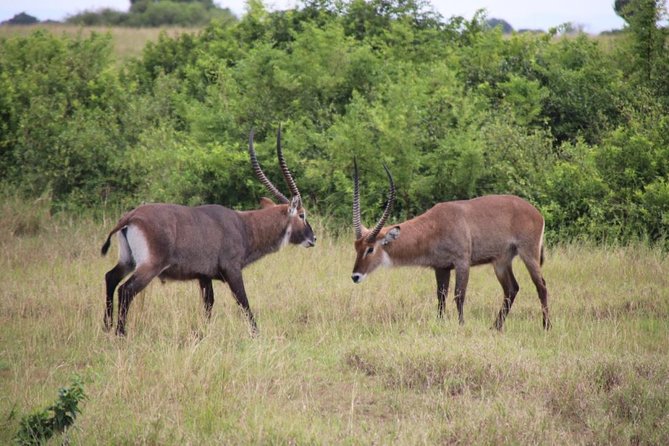
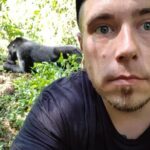
After breakfast, you head straight to the Bwindi gate for the briefing. This is where the gorilla trek becomes real: a national park guide explains what to expect, and you’re told which gorilla family you’ll track.
Then it’s into the forest.
One practical point: the trek time can range from a few to many hours, depending on how far the gorillas are inside the forest that day. That variability is normal for gorilla trekking, and it’s also why you’ll want a smart pack—comfortable layers, waterproof protection if rain happens, and snacks you can manage without fuss.
After trekking, you return to your lodge for an evening reset. This rhythm is good. Gorilla treks are intense, even when you’re prepared, so you’ll want the downtime.
In terms of what people tend to love most, gorilla trekking is the “bucket list” moment for a reason. In prior experiences with Bamboo Ecotours, guides like John and Fred were highlighted for professionalism and making the experience feel safe and organized. That’s the real difference between just seeing gorillas and having a trek that feels manageable.
Day 3: Golden monkeys in Mgahinga—small primates, big personality
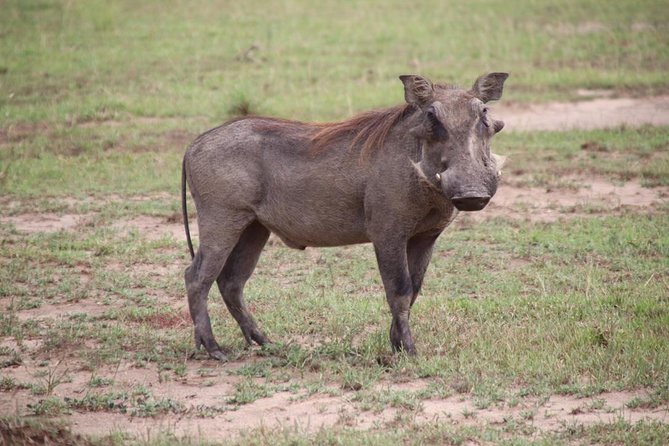
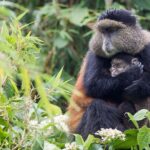
The third day shifts the mood. First up is golden monkey trekking in Mgahinga Gorilla National Park, with a trek that should take about 5 hours.
You’ll enter forest with bamboo vegetation and a variety of indigenous plants—think giant lobelia and other vegetation your guide points out as you walk. The guide also covers some of the park’s history and the fauna and flora in the area, so you get more than just the animal spotting.
Then you transfer to Lake Bunyonyi for the evening. This is where the trip gains breathing room. Instead of stacking another intense activity, you get relaxation time.
A small consideration: if you’re coming off a long gorilla trek, golden monkeys might feel like a “lighter” option—but it’s still a forest walk. Plan for steady, comfortable walking rather than sprinting your way through the day.
Day 4: Bwindi to Queen Elizabeth via Ishasha—tree-climbing lions as a target
Day 4 is a classic safari switch: from gorilla forest to big-safari country. You drive from Bwindi National Park to Queen Elizabeth National Park, and you make a stop in the Ishasha sector to spot the famous tree-climbing lions.
That stop is short, but it’s memorable because it’s specific. Tree-climbing lions are not guaranteed, but Ishasha is one of the places where the behavior is known to occur, so it’s a smart use of time.
After that, you continue onward to Katungulu, in northern Queen Elizabeth National Park.
If you like wildlife that feels “real-time,” this is a good day. If you’re sensitive to being in a car, it may feel like a day of transition. The upside is that each park segment lines up with a different style of viewing.
Day 5: Queen Elizabeth game drives and the Kazinga Channel cruise
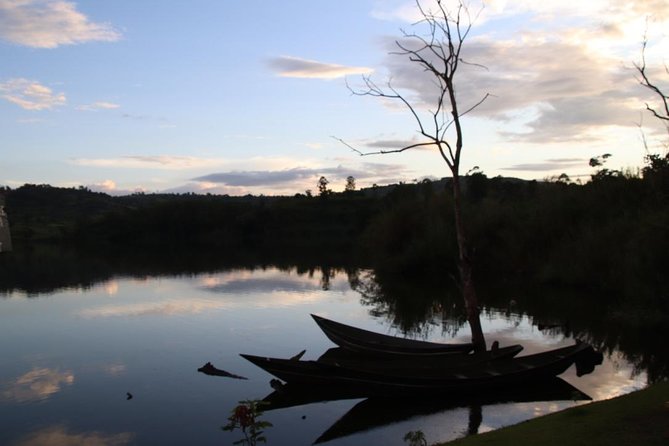
This is one of the strongest “wildlife day” setups in the trip: land safari time plus water safari time.
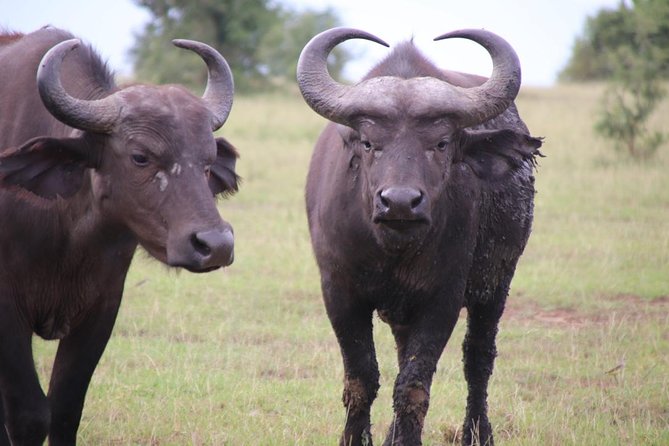
In the morning, you visit the Kasenyi plains for game drives aimed at species like lions, buffalo, elephants, and more. Then in the afternoon, you do a boat cruise on the Kazinga Channel, typically for about 2 hours, where you can encounter animals such as elephants and buffalos, plus birds.
I like this structure because it reduces the “same day, same view” problem. One day you’re scanning for tracks and movement from a safari vehicle; the next you’re watching animals gather along the water and learning how bird life moves through the habitat.
The only drawback is attention. Boat days can be relaxing, but you still need to stay alert. Keep cameras ready, and accept that animal sightings don’t run on your clock.
Day 6: Kyambura Gorge walk and the drive into Kibale
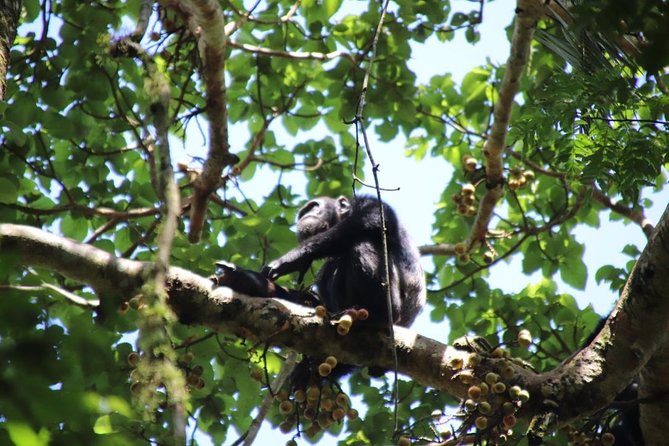
Now you shift again, this time into primate territory.
You start with a nature walk at Kyambura Gorge, which is noted for chimp presence. Then you drive to Kibale National Park via the Fort Portal crater lakes route.
This day is important because it transitions you from classic safari rhythms into a chimp-focused schedule. It’s also a good “orientation” day: once you’re in Kibale, you’ll be mentally ready for the next day’s main event.
One potential issue: you’ll spend much of the day in transit. That’s not a complaint, just a reality of connecting multiple national parks in a limited timeframe.
Day 7: Chimpanzee habituation in Kibale—structured learning in the forest
Day 7 is the centerpiece after gorillas: chimp habituation in Kibale Forest National Park.
You go into the jungle for a half-day experience focused on how chimps are trained to become familiar with humans. The trek is guided by Uganda Wildlife Authority staff, not just general guides. That matters because habituation work has rules and a purpose, and you want those rules explained clearly.
You’ll also likely have time for complementary activities if the schedule allows, such as community walks and visiting the Bigodi swamp sanctuary.
What makes this valuable is that habituation gives you a different kind of connection than a typical “track and hope” trek. Instead of only trying to find chimps quickly, you’re learning how their behavior changes when humans are no longer a sudden threat. It’s a more patient, observational style of wildlife time.
If you’re the kind of traveler who loves being taught—rather than just transported—this day is built for you.
Day 8: Finishing the circuit—drive to Kampala or Entebbe
All good things have a travel day attached.
On the final day, you drive from Kibale toward Kampala or Entebbe airport, which is about 6 hours. You’re not expected to squeeze in a final stop; the priority is getting you to the next leg of your journey.
Practical tip: don’t plan a tight flight window right after this day. Even when everything runs smoothly, roads and border procedures can add friction.
Guides, comfort, and the small stuff that changes the trip
In past experiences with this operator, people repeatedly highlighted communication and smooth execution. Edison comes up as a clear point of contact, with travelers praising how quickly questions were answered and how easy planning felt. Guides such as John, Fred, Herbert, and Godfrey were also named, and professionalism came up in those stories too.
You also get a reassurance that can be hard to quantify until you’re there: the trip is set up with transfers and a guide/driver, plus the park fees and permits handled. That means fewer headaches for you, especially on busy days.
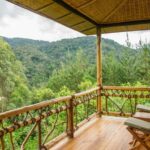
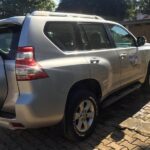
On comfort, at least some travelers described the vehicle as super comfortable and the lodges as excellent. Even when lodge names aren’t part of the details you’ll see, that kind of feedback is a real signal that you’re not stuck in a barebones setup.
Who this tour fits best
This is a great choice if you want a single trip that covers:
- Gorilla trekking (Bwindi)
- Chimp habituation (Kibale)
- Big wildlife viewing (Queen Elizabeth) and a Kazinga Channel cruise
- Primates beyond the headline act (golden monkeys in Mgahinga)
It also suits solo travelers well. One prior solo traveler specifically said they felt safe while doing the tour, which is a big deal when you’re not traveling with friends.
This tour might not be ideal if:
- Long drive days wear you down fast
- You want a fully flexible schedule once you start trekking (this is a planned experience)
- You’re expecting casual, low-impact walking (the primate activities require a real effort)
Should you book this gorilla and chimp package?
If gorillas and chimps are your two non-negotiables, I think this trip is worth serious consideration. You’re paying for permits, park access, and the logistics that connect Rwanda and Uganda. The best part is the balance: you get forest primate time plus proper safari variety in Queen Elizabeth.
Book it if you:
- Like having a plan that runs on professional local systems
- Want a private group feel
- Can handle moderate physical activity on trekking days
Reconsider if you:
- Get motion sickness or hate long car days
- Need a lighter walking schedule
- Are hoping for a budget-friendly option (this one isn’t trying to be cheap)
If you do book, start training your body for uneven forest trails and pack for changing weather. Then show up early and let the guides do what they’re trained to do—because that’s when the magic works.
FAQ
Where does the tour start and where does it end?
The tour starts in Kigali, Rwanda, and ends in Kampala or Entebbe, Uganda. It can also be done in reverse, starting in Kampala and ending in Kigali.
What are the main wildlife experiences included?
You get gorilla trekking and a chimp habituation experience in Kibale National Park. The route also includes golden monkey trekking, safari game drives, and a Kazinga Channel boat cruise, plus an Ishasha stop for tree-climbing lions.
How long is the trip?
It runs for about 8 days.
What is the driving time from Kigali to Bwindi?
The drive from Kigali to Bwindi National Park is about 5 hours, going through the land border at Cyanika.
How long is the gorilla trekking day?
The gorilla trek can take from a few to many hours, depending on where the gorillas are inside the forest.
How long is golden monkey trekking in Mgahinga?
The golden monkey trek should take about 5 hours.
What wildlife activities happen in Queen Elizabeth National Park?
You’ll do morning game drives in the Kasenyi plains and an afternoon boat cruise on the Kazinga Channel (around 2 hours).
Who guides the chimp habituation experience?
The chimp habituation trek is guided by Uganda Wildlife Authority staff.
What meals are included?
The package includes breakfast for 7 days, lunch for 8 days, and dinner for 7 days.
Is the tour private, and is pickup offered?
Yes, it’s a private tour/activity (only your group participates). Pickup is offered.
Are visas, travel insurance, and flights included?
No. Visas, travel insurance, and flights are not included.