REVIEW · KATHMANDU
Everest Base Camp Trek – 15 Days
Book on Viator →Operated by Welcome Nepal Treks P.ltd · Bookable on Viator
The climb starts long before the clouds. This 15-day Everest Base Camp trek strings together lodge-to-lodge days, a flight into Lukla, and major viewpoints like Kalapatthar—with enough rest stops to make the altitude feel manageable. I especially like how the trip is set up so you’re not guessing logistics: permits, an English-speaking guide, and a porter plan are handled. One possible drawback: you still need strong stamina, because even a “not too technical” trek tops out high and asks for steady uphill days.
What also stands out is the rhythm: two clear acclimatization days (Namche Bazaar and Dingboche) and then the big payoff section to Everest Base Camp via Gorakshep. I like that you’re not rushed straight to the highest numbers, and you get a real sunrise window from Kala Patthar. Your main consideration is timing and effort—some days run 5 to 8 hours, and at altitude, “even” walks can feel like workouts.
I’ve noticed a theme in the feedback: the guide matters a lot. Names like Padam/Phadam and Pralad Simkhada show up with praise for being attentive, organized, and good company, and Hari Khadka gets mentioned for communication before and during the trip. Just remember the price does not include travel insurance for emergency high-altitude rescue and evacuation, and tipping guide/porter is expected.
In This Review
- Key highlights (the stuff you’ll remember)
- Kathmandu warm-up: Thamel hotels, temples, and a proper finish
- Lukla flight and Phakding start: easing into the Khumbu rhythm
- Namche Bazaar days: river walks, park entry, and Sherpa culture at altitude
- Tengboche to Dingboche: monasteries, rhododendron forests, and a second acclimatization
- Lobuche and Gorakshep: the long road to Everest Base Camp
- Kala Patthar sunrise and the Pheriche aid post: safety meets awe
- Reverse trek to Namche and then Lukla: saving energy for the final flight day
- Back in Kathmandu: a real recovery plan plus optional temple time
- Price and logistics: what $1,600 really buys you
- Pace, fitness, and altitude: the reality behind the word trek
- Who should book this Everest Base Camp trek
- Should you book this 15-day Everest Base Camp trek?
- FAQ
- What’s the meeting time for this trek?
- Are domestic flights included?
- Are trekking permits included?
- What kind of lodging should I expect during the trek?
- Is there a porter?
- How many meals are included?
- What’s the highest point on the itinerary?
- What about cancellation and refunds?
Key highlights (the stuff you’ll remember)
- Lukla flights plus transfers: Kathmandu to Lukla and back are included, so you’re not building your own travel web.
- Acclimatization built in: Namche Bazaar and Dingboche stop the “just climb” pressure.
- Tea house trekking with a porter system: 1 porter for every two clients helps you hike more comfortably.
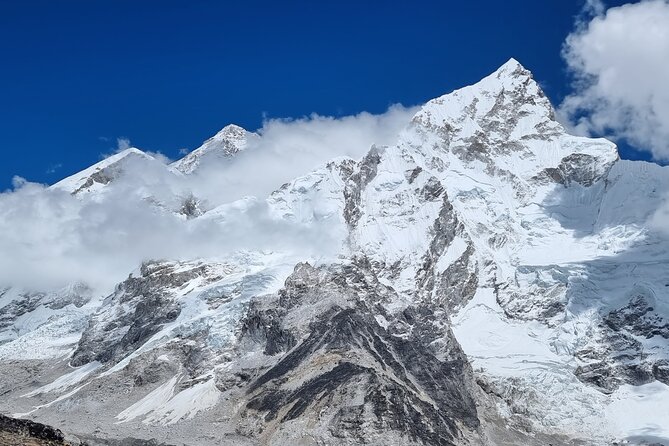
- Real Everest moments: Everest Base Camp via Gorakshep, then Kala Patthar for sunrise views.
- Sagamartha National Park support: trekking permits and park fees are included.
- Small group size: capped at 15 travelers, which keeps the trek feeling personal.
Kathmandu warm-up: Thamel hotels, temples, and a proper finish
Your trip begins in Kathmandu with a simple, practical flow: you land at Tribhuvan International Airport, meet a representative, and transfer to a 3-star hotel in Thamel (options include Thamel Eco Resort or The Address Kathmandu Hotel). Thamel is convenient because it’s full of shops and gear help if you discover you forgot something important (like warm layers).
You’ll also have time at the front end to get your bearings, and time at the back end to enjoy Nepal beyond mountains. After your trekking loop, you return to Kathmandu for an early fly day, then get an afternoon for shopping. The plan includes a farewell dinner at a typical Nepali restaurant (Bhojan Ghar). On the next day, you can choose your own mix of sightseeing: Monkey Temple, Patan Durbar Square, Boudhnath Stupa, and Pashupatinath Hindu Temple are all listed options.
Why this matters: after days of high-altitude hiking, you want easy Kathmandu. No giant museum marathon. This itinerary gives you exactly that—rest first, then culture at a comfortable pace.
A small thing to watch: Kathmandu lunches and dinners are not included. Breakfast is included at the hotel, but you’ll want to budget for at least some meals and drinks while you’re there.
You can also read our reviews of more tours and experiences in Kathmandu.
Lukla flight and Phakding start: easing into the Khumbu rhythm
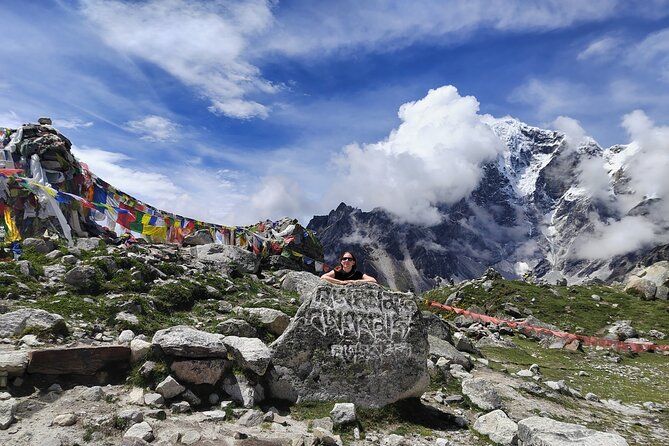
On day 2, you fly from Kathmandu to Lukla, landing at 2886m. Lukla is the jump-off point for Everest Region trekking, and the flight inclusion is a big value piece of this package. Once you arrive, you refresh in a hotel and start walking right away.
Your first hike is to Phakding (2640m). The trail follows a gentle climb along the left bank of the Dudh Koshi River. You’ll likely catch big views across the valley early—Nupla can be seen on the opposite bank (it’s referenced as being within stone-throwing distance in this route description). Overnight is in a tea house lodge.
This day is designed to help you do two things:
1) get used to walking with a pack, and
2) start adjusting your breathing and pace without going too hard too soon.
Why lodge-to-lodge works here: you’re not planning where to sleep each night, so you focus on settling into altitude and trail rhythm.
Practical drawback: day 2 still involves a flight plus a trek. If you’re the type who needs a full rest day before moving, you might feel the combo. But the itinerary’s structure is otherwise solid for building up steadily.
Namche Bazaar days: river walks, park entry, and Sherpa culture at altitude
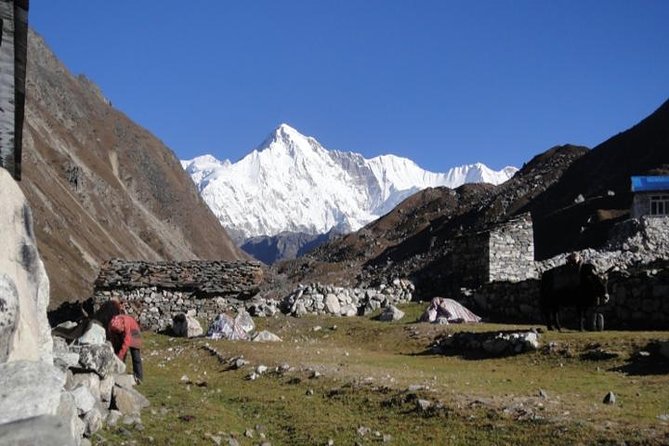
The trek builds toward Namche Bazaar (3440m) on day 3. You move along the right bank of the Dudh Koshi River, with big mountain personalities showing up across the water. The day passes through Bengar, then climbs into forest terrain toward Chumoa, with ups and downs along the way. You cross a stream, pass through Monjo, and enter Sagarmatha National Park territory where the park entrance fee is deposited.
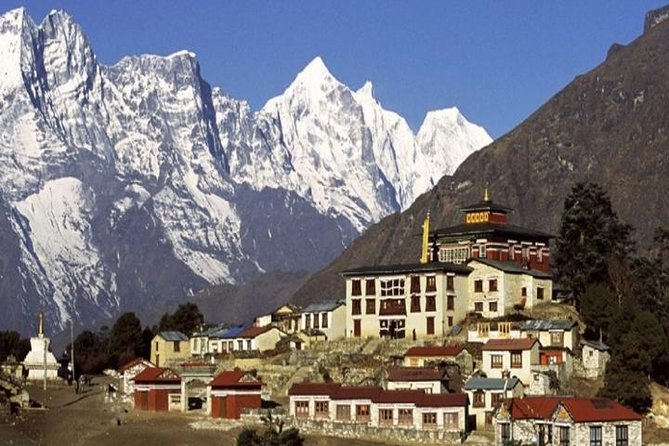
Then comes the smart part: day 4 is an acclimatization day in Namche Bazaar. You stay put at 3440m and use the time to help your body adjust before heading higher. You’ll also do a short outing to Khumjung monastery, a Sherpa community area with excellent views of Everest, Ama Dablam, Thamserku, Nuptse, Lhotse, Tawche, and other peaks. On the way back, there’s a museum just above Namche that showcases Sherpa culture.
This is one of the biggest reasons this itinerary feels “doable” on paper. Instead of pushing upward every single day, you slow down when your body most needs it.
One thing to know: even rest days can feel like days full of movement at altitude. You’re not sprinting; you’re walking. The goal is steady effort, not exhaustion.
Tengboche to Dingboche: monasteries, rhododendron forests, and a second acclimatization
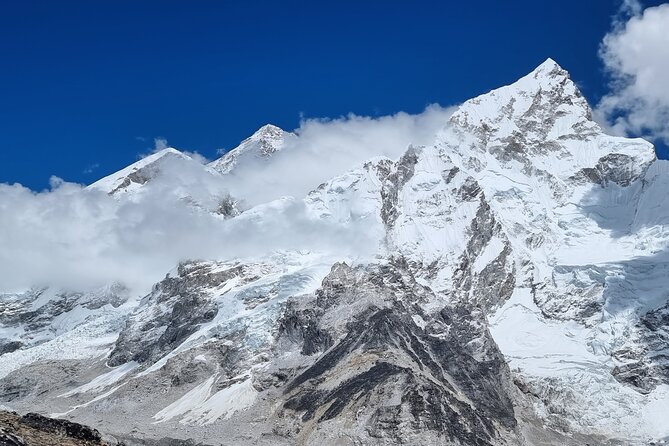
Day 5 takes you toward Tyangboche (3867m). The trek starts from Namche with a trail that drops toward the Dudh Kosi, and the route is known for sweeping panoramic views. On this stretch, the itinerary calls out Ama Dablam (6812m), Everest, Lhotse, Nuptse, and Tawoche. Tyangboche is also highlighted for sun rise and sun set views of Everest and Ama Dablam. You’ll visit Trashinga and Phunki Tenga along the way, then overnight at a tea house lodge.
From there, day 6 moves to Dingboche (4260m). The route describes leaving Tyangboche and descending through rhododendron forest into Deboche, crossing a suspension bridge over Imja Khola, then continuing via Minlinggo into the Imjatse Valley with views of Ama Dablam, Nuptse, and Lhotse. Dingboche is another tea house stop.
Then day 7 is your second acclimatization day, again listed as Dingboche. You’ll hike up to Chhukum in the afternoon for strong views that include Island Peak, Ama Dablam, Makalu, Tawoche, and more. You come back to Dingboche late and rest.
Why these two acclimatization moments matter: they reduce the chance you’ll feel crushed by altitude too early. You still earn every meter you climb, but you’re doing it in a way that gives your body a chance to adapt.
Potential drawback: you’ll be walking in cool air most of the time. Even if the trek feels “not too difficult,” the cold and thin air can make everything feel harder than it looks.
Lobuche and Gorakshep: the long road to Everest Base Camp
Day 8 takes you from Dingboche to Lobuche. The plan is about five and a half hours of normal walking, with a gentle climb up to Pheriche. Along the trail you get repeated panoramic views of Tawache, Ama Dablam, Pokalde (5741m), Kongma-tse (5820m), and the great wall of Nuptse. Lunch is described at Dugla (4595m), then you continue to Lobuche for the overnight tea house lodge.
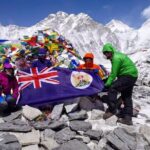
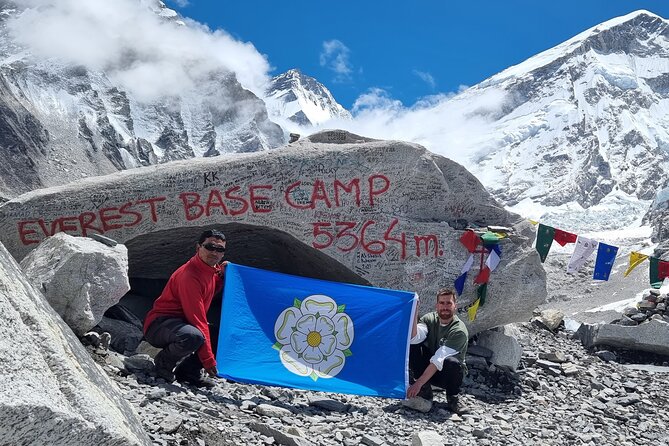
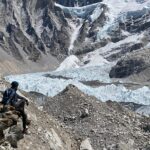
Day 9 is the key “payoff” day: Lobuche to Gorakshep (5140m), then out to Everest Base Camp and back. This is described as the most rewarding part of the trek. You’ll walk a rocky path and deal with the feel of the Khumbu glacier terrain in the route description. Views open up to Nuptse, Lho-La, and Khumbutse close to the trail. Then you visit Everest Base Camp and return to Gorakshep.
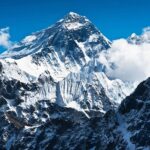
This section is where the itinerary earns its name. The Base Camp altitude is listed as 17,598 feet (5,364m), which gives you a real sense of scale: you’re not just seeing the mountain—you’re reaching the part of the Everest story where expeditions gather.
What to keep in mind: day 9 is longer than the earlier segments. The description lists it as around 8 hours. If you arrive at Gorakshep feeling flat, you won’t be the first person to feel it. Slow pace and hydration matter more than bravado.
Kala Patthar sunrise and the Pheriche aid post: safety meets awe
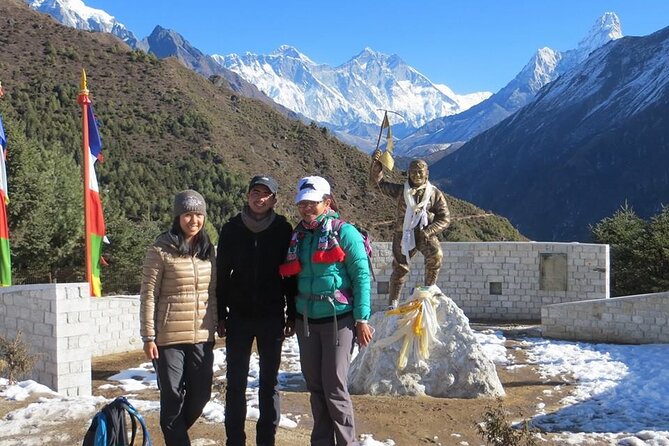
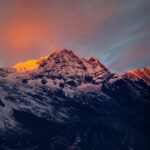
Day 10 is a two-part day: Gorakshep to Kala Patthar (5545m) and then trek down to Pheriche (4243m). You climb Kala Patthar early for sunrise and then enjoy wide views of Everest plus Pumori, Lingtren, Khumbetse, Nuptse, Lhotse, Ama Dablam, and Thamserku. It’s a strong list, and it’s the kind of morning view that makes the whole trek feel worth the effort.
You also get a practical safety detail here: the Himalayan Rescue Association Aid Post is available at Pheriche, and foreign volunteer doctors are mentioned as providing medical treatment. That doesn’t mean you’re “covered” if something serious happens, but it does mean the itinerary includes a spot where medical support exists in the region.
Day 10 is described as about 7 hours total. The sunrise climb generally means waking up early, and early means cold. Dress in layers so you can regulate without losing heat.
Reverse trek to Namche and then Lukla: saving energy for the final flight day
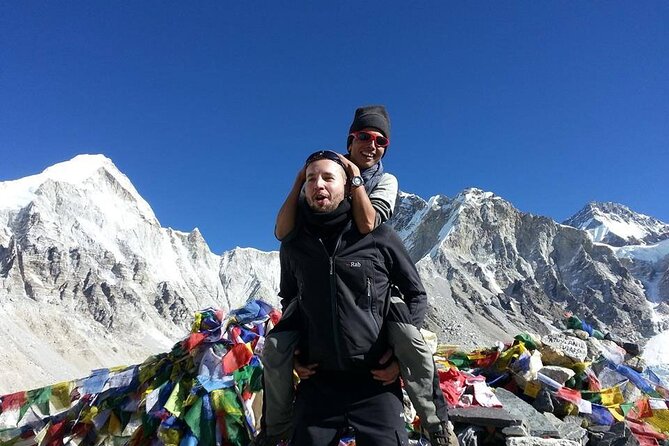
After Base Camp and Kala Patthar, day 11 brings you back downward toward Namche Bazaar (3440m). The trek from Tyangboche to Namche is described as about 4.5 hours, with en route visits to traditional villages like Khumjung and Khunde. There’s also a monastery visit with Yeti Scalp. You arrive late afternoon and overnight at a tea house lodge.
Then day 12 finishes the trekking arc: Namche Bazaar to Lukla. This is listed around 7 hours. Lunch is served on the way. Once you arrive in Lukla, you get refreshed and rest, then overnight in a tea house lodge.
The reverse trek is often emotionally weird—in a good way. You feel relief because you’re descending, but your legs may still be tired from the higher days. This is a moment to take it calmly. Don’t spend your final energy rushing; that’s how people end up grumpy or sore.
Back in Kathmandu: a real recovery plan plus optional temple time
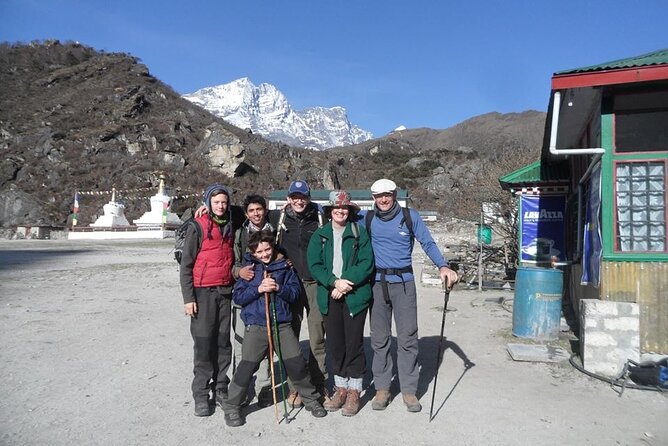
Day 13 is your early fly from Lukla back to Kathmandu, arriving at Tribhuvan International Airport for transfer to your hotel. The afternoon is open for shopping, and you’ll have a farewell dinner at Bhojan Ghar. The itinerary keeps you in Thamel hotels for the final stretch.
Day 14 is optional time. You can rest, keep shopping, or choose sightseeing at places like Monkey Temple, Patan Durbar Square, Boudhnath Stupa, and Pashupatinath Hindu Temple. Day 15 ends with a private car drop to the airport by departure time.
This matters because after a high-altitude trek, you want recovery time that still feels like a trip. You don’t need to cram more hikes into Nepal.
Price and logistics: what $1,600 really buys you
At $1,600 per person, this is not cheap, but it’s also not trying to be a budget bare-bones hike. For your money, the package includes a lot of the “expensive headache” items:
- 3-star twin-share Kathmandu accommodation for 3 nights
- Air-conditioned vehicle transfers in Kathmandu
- Kathmandu–Lukla–Kathmandu airfare, including airport departure tax
- Trekking permits and required fees
- A government-licensed English-speaking guide (first-aid trained)
- A porter plan of 1 porter for every two clients
- Tea house lodging during the trek (mostly twin-share, sometimes dormitory style)
- Meals are heavily covered: 14 breakfasts, 11 lunches, 12 dinners
Where you should do your own planning:
- International airfare
- Nepal visa (you can get it on arrival)
- Travel insurance covering emergency high-altitude rescue and evacuation
- Kathmandu lunch and dinner, plus alcoholic and non-alcoholic drinks
- Personal trekking gear
- Tips for your guide and porter (tipping is expected)
To me, the best value pieces are the included Lukla flights and the staffing structure. Domestic flights plus permits can be a pain to line up yourself, and the guide/porter ratio matters when you’re hiking above 3,000m for many days.
Also helpful: the group size is capped at 15 travelers, and pickup is offered. That usually means fewer moving parts on the ground.
Pace, fitness, and altitude: the reality behind the word trek
This route is described as lodge-to-lodge and not “very difficult,” but altitude turns the difficulty up. Everest Base Camp sits at 17,598 feet (5,364m), and you’ll spend time trekking between roughly the mid-3,000m range up toward 5,500m at Kala Patthar.
The itinerary smartly uses acclimatization:
- Namche Bazaar rest day at 3440m
- Dingboche rest day at 4260m
- Extra hike option to Chhukum for gradual pressure
So you’re not just climbing and suffering. You’re building capacity.
What you should bring to make it easier (without inventing anything the trek doesn’t cover): you’ll want to arrive with strong fitness, because even “gentle” trails can feel relentless at altitude. The operator also explicitly asks for strong physical fitness. That’s your checklist item.
And timing: the meeting point is listed with a start time of 6:15 am, which tells me you should expect early mornings throughout the trip. Early doesn’t just mean your day starts fast. It also means you’ll want warm layers and a plan to keep your body from getting chilled.
Who should book this Everest Base Camp trek
This trek fits best if you:
- want structured logistics (permits, guide, flights, tea house lodging, meals handled)
- enjoy classic Everest Region highlights: Namche Bazaar, Tengboche area monastery visits, Dingboche acclimatization, Base Camp, and Kala Patthar sunrise
- prefer a group size that stays small (max 15)
- are comfortable hiking 4 to 8 hours on multiple days
It may not fit if you:
- want luxury comfort or lots of downtime
- struggle with altitude and long walking days
- don’t plan for cold mornings and the need for proper trekking gear (which isn’t included)
Should you book this 15-day Everest Base Camp trek?
I’d book it if you want the full Everest Base Camp story done in a way that’s organized and realistic. The included flights to Lukla, heavy meal coverage, permits, and a guide/porter setup make it easier to focus on the trek instead of project-managing the trip.
I’d think twice if you haven’t budgeted for travel insurance covering high-altitude evacuation, or if you’re not ready to hike consistently from Phakding onward. This is a serious altitude journey, even when it’s managed thoughtfully.
If you’re the right fit, you’ll come back with the one thing this region does better than almost anywhere: a sense of scale. The mountain is huge, the trail is human, and the timing from Namche to Kala Patthar is built to get you there with your legs and your head still working.
FAQ
What’s the meeting time for this trek?
The meeting point start time is listed as 6:15 am.
Are domestic flights included?
Yes. Airfare for the Kathmandu–Lukla–Kathmandu sector, including airport departure tax, is included.
Are trekking permits included?
Yes. Necessary trekking permits are included, and the route includes a park entrance fee deposit in Namche/park area.
What kind of lodging should I expect during the trek?
You’ll stay in guesthouses/tea house lodges during the trek. The plan is mostly twin-share rooms and occasionally dormitory-style rooms.
Is there a porter?
Yes. The group includes 1 porter for every two clients.
How many meals are included?
Breakfast is included for 14 days, lunch for 11 days, and dinner for 12 days. Kathmandu lunch and dinner are not included.
What’s the highest point on the itinerary?
Kala Patthar is listed at 5545m, and Everest Base Camp is listed at 17,598 feet (5,364m).
What about cancellation and refunds?
There is free cancellation. You can cancel up to 24 hours in advance for a full refund; within 24 hours, there’s no refund.