REVIEW · MOMBASA
4 Days Mount Kenya Trekking
Book on Viator →Operated by Rupia Adventure · Bookable on Viator
Mt Kenya rewards effort with big alpine views. This 4-day trek takes you up the Sirimon Route to Point Lenana (4,895m), climbing through forest, heaths, and moorland, then descending back down through rainforest. It’s built for fit walkers who want a clear plan, a guide for safety, and mountain-camp nights that make the whole trip feel real.
Two things I like a lot: first, you get a small group (up to 3 travelers), which usually means less waiting and more personal attention. Second, the trip is handled end-to-end with accommodation, meals, and transfers included, so you can focus on walking and timing your climb.
One possible drawback: the higher you go, the colder nights get and the hike gets steeper. Even though it’s “accessible for fit walkers,” you’ll still want good trekking shoes, warm layers, and a calm attitude about early starts.
In This Review
- Key things that make this trek work
- Price and what you really get for $800
- Where the trek starts: Nairobi, Nanyuki, and Sirimon Gate
- Day 1: Sirimon Gate to Old Moses Camp (3,300m)
- Day 2: Old Moses to Shipton Camp (4,200m) and the valley views
- Day 3: Early climb to Point Lenana (4,895m) then back down
- Day 4: Rainforest descent and the return to Nairobi
- What you’ll see up close: glaciers, forests, and moorland life
- The guiding and support side: safety without fuss
- Gear and cold-weather reality (especially at night)
- Who this trek suits best
- Small details that can make or break your experience
- Should you book this Mount Kenya Point Lenana trek?
- FAQ
- How long is the Mt. Kenya Point Lenana trek?
- What summit does this trek reach?
- Which route is used?
- What time do we start on the first day?
- Is pickup or transport included?
- What kind of accommodation and meals are included?
- How many people are in the group?
- What’s the cancellation policy like?
- What fitness level is needed?
Key things that make this trek work
- Sirimon Route gives you a classic Mt Kenya climb through changing ecosystems
- Point Lenana sunrise is timed for an early summit push from the upper camps
- Old Moses Camp (3,300m) to Shipton Camp (4,200m) sets a workable rhythm for a 4-day itinerary
- Small-group guiding (max 3) helps with pace and safety on rocky sections
- Camp nights with meals included means fewer logistics headaches in the mountains
- Total transfer plan helps you move from Nairobi to Nanyuki and back without extra planning
Price and what you really get for $800
$800 per person for 4 days isn’t cheap, but it can be good value if you compare it to what’s actually included. Here, you’re paying for guided hiking (including summit-day support), mountain camp accommodation for three nights, meals during the trek, and hotel transfers plus pickup.
What makes that matter is time and risk. Mt Kenya isn’t just a walk in a park. Having a guide and a staffed support system helps you manage route decisions, timing, and the physical strain of altitude. If you’ve ever tried to self-organize a multi-day mountain trek, you know the quiet cost is stress and missed details.
Also, the trip starts from Nairobi with a fixed morning departure, so you aren’t arranging transport day-by-day. The tour’s structure is one of the reasons it tends to feel smooth when you’re actually in motion.
Where the trek starts: Nairobi, Nanyuki, and Sirimon Gate
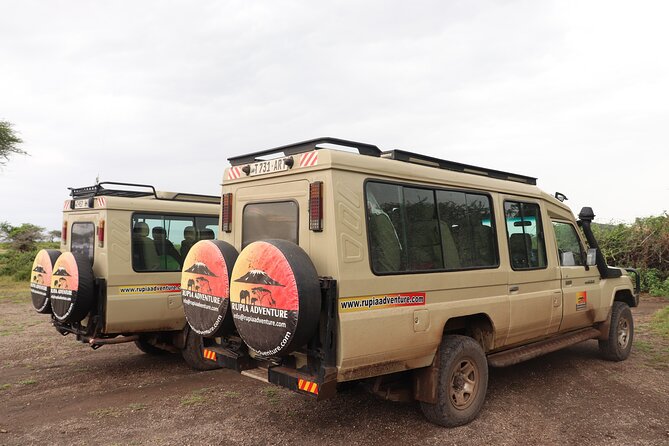
You meet at a set start time (7:00 am), then the day begins with a drive out of Nairobi. The schedule has you leaving at 7:30 am for Nanyuki, with lunch in town roughly four hours into the trip. From there, you continue to Sirimon Gate (about one hour, at 2,440m).
This matters because Mt Kenya treks often live or die by timing. Starting early keeps your mountain day from getting chopped up, and it helps you reach the gate area and begin climbing while daylight is still dependable.
A practical note: this is not a walk you start directly from Nairobi’s neighborhoods. You’ll do real road time first, then transition into a steady climb. Plan on being patient in the car and ready to move when you arrive.
Day 1: Sirimon Gate to Old Moses Camp (3,300m)
Day 1 is your entry. You go from Sirimon Gate up through a forest that gradually shifts into heath land after a few hours. The hike is steady, and it’s a good day to find your rhythm: shorter rests, water breaks, and moving consistently rather than sprinting early.
About three and a half hours after the gate, the route veers right to Old Moses Camp at 3,300m. This is your dinner and overnight stop. The camp night is part of the experience, because you’re already high enough that temperature and wind can change how comfortable you feel.
What to watch for on Day 1: your pack load and your pacing. If you carry too much too early, you’ll feel it later on steeper days. If you go slowly enough now, you’ll usually have more energy when you’re closer to the upper moorland.
Day 2: Old Moses to Shipton Camp (4,200m) and the valley views
After breakfast, you climb again, this time with a key fork early on. The trail heads uphill, then you fork left at a junction. Roughly one hour after leaving Old Moses, you cross the Ontulili River, then continue right, contouring through moorland and crossing Liki North.
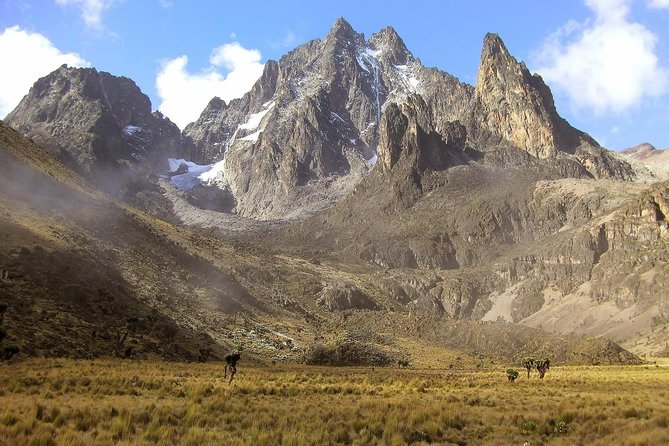
As the day opens up, you reach Mackinders Valley, where you get panoramic views looking up toward the main peaks. That’s one of the best uses of Day 2 energy: you work for the views without having the day turn into an all-out summit push.
Eventually, dinner and overnight happen at Shipton Camp at 4,200m. You’re higher now, and the mountain starts to feel more serious. If you’re the type who runs cold, this is also when you’ll appreciate warm layers sooner rather than later.
Practical tip: treat Day 2 like preparation, not just more walking. Eat enough to keep your energy steady, drink consistently, and keep your breathing controlled on the climbs.
Day 3: Early climb to Point Lenana (4,895m) then back down
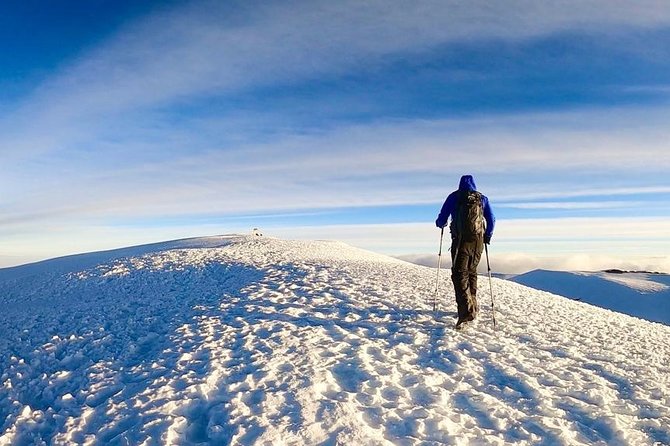
Day 3 is the big day. You leave at 3:00 am for a steep, stony section that runs through a cliff clearing. It’s a focused, tough ascent segment aimed at reaching Point Lenana around 6:00 am (about three hours).
Then comes the reward: after sunrise, you descend. First stop is a shorter walk back down to Shipton Camp in about two hours for breakfast. After that, you continue downward roughly four more hours to Old Moses Camp, where dinner and overnight happen again.
This day is powerful because it mixes intensity with timing. The early departure means you’re summiting under your best chance for visibility and weather stability. Then you get the win of sunrise, plus the relief of descending soon after.
Consideration for this day: the combination of early hours and altitude. Even for fit walkers, the 3:00 am start can be mentally demanding. Have a simple plan the night before: set up layers, keep essentials easy to reach, and don’t overpack your energy with unnecessary late-night fussing.
Day 4: Rainforest descent and the return to Nairobi
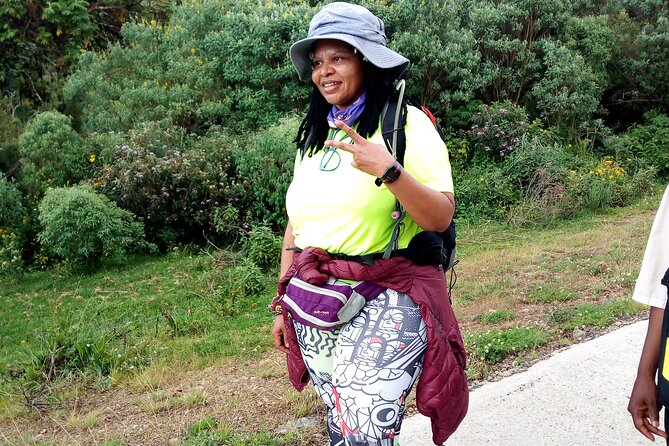
By Day 4, you’re mostly in unwind mode. After breakfast, you walk down through rainforest for about two hours to connect with your transport back to Nairobi.
Even though it’s shorter, don’t treat Day 4 as a lazy day. Your legs will still be tired after two big descent segments over the last two days, and rainforest walking can feel slippery if the ground is wet.
Once you hit the vehicle connection, you can finally shift from mountain-time to road-time. The trek ends with that clear transition, which makes the whole trip feel complete rather than abrupt.
What you’ll see up close: glaciers, forests, and moorland life
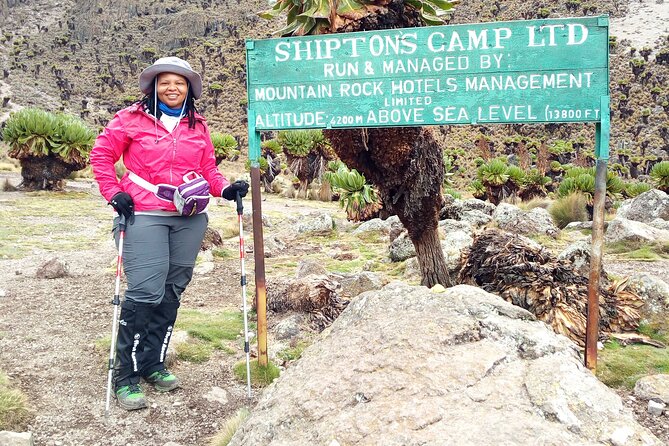
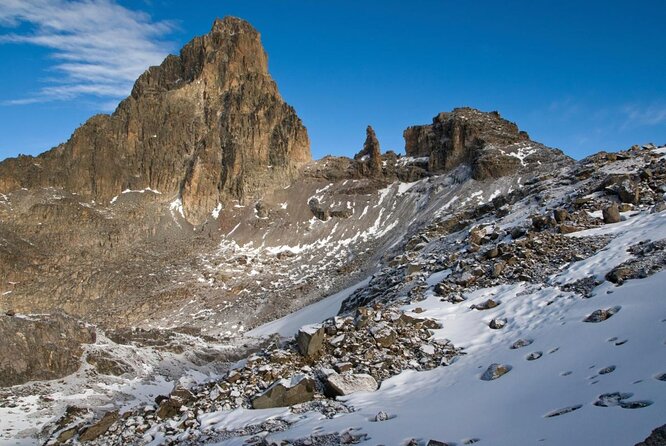
The hike moves through multiple habitat zones, and that’s one of the reasons Mt Kenya feels different from many other treks. You’ll go from forest to heath and moorland, and on the higher parts you’ll get the sort of alpine atmosphere where glacier remnants and rocky terrain become part of the scenery.
You’ll also be surrounded by unique flora and fauna along the route. The exact sightings vary by season and conditions, but the structure of the Sirimon path gives you a strong chance of seeing how Mt Kenya changes as elevation rises and falls.
This is also where your guide adds value. Even without fancy extras, guides often help you notice what you’d miss. One guide named Michael was specifically mentioned as giving plenty of information about Mt Kenya and local names, which is the kind of detail that makes photos feel more meaningful later.
The guiding and support side: safety without fuss
This trek is designed to feel hassle-free once you’re in the mountains. The support team handles accommodation and meals, and you hike with a guide to keep you safe on route and timing.
A small group of up to 3 travelers can change the feel fast. You spend less time waiting around, and the guide can manage pace more closely. It’s also easier to keep track of everyone on early-morning sections, especially on Day 3.
And in case you’re wondering: yes, porters and cooks are part of the practical reality of camp treks here. Reviews mention friendly, knowledgeable staff who made people feel well taken care of, which usually shows up as less stress and better meal timing at the camps.
Gear and cold-weather reality (especially at night)
The trek includes camp nights, and camps are cold. One review specifically flagged that nights stay very cold, so pack for it. You won’t just need warm clothes for sunrise and early walking. You’ll need warmth for evenings when you’re not moving much.
What’s safe to assume from the itinerary is that temperatures drop as you gain elevation fast. You’re at 3,300m on Day 1 night, 4,200m on Day 2 night, and then up near 4,895m at the summit. Even if the daytime walking is manageable, your comfort at camp will depend on your layers and sleep setup.
If you tend to feel cold, don’t plan to solve it with one extra layer on the spot. Build a real system: base layers that wick, insulating mid layer, and a windproof outer layer.
Who this trek suits best
This climb is challenging, but it’s described as accessible for anyone who is physically fit. That’s a good fit if you can handle steep, rocky sections and early starts without panicking.
It’s also a great choice if you want structure. You get clear camp-to-camp stops, specific timings for summit day, and a guide taking the lead. If you like your adventure with a schedule, this works.
If you hate cold nights, fear heights, or aren’t comfortable hiking for several hours at altitude, you may find it harder than it sounds. That doesn’t mean you can’t do it, but it does mean you should be honest about your fitness and your comfort with early wake-ups.
Small details that can make or break your experience
These are the practical things you’ll feel most on a trek like this:
- Pace early, push later: Day 1 sets the pace. If you burn energy, the later days feel harder.
- Hydration stays important: Even when it’s cold, you’re still exerting yourself.
- Keep your summit morning simple: On Day 3 you’ll start at 3:00 am, hike hard, and then descend quickly. Less fuss means better energy.
- Dress for camp comfort: The mountain doesn’t care about your optimism. Cold nights need real gear.
- Use the guide’s knowledge: Asking questions about local names and features can turn a tough day into a memorable one.
Should you book this Mount Kenya Point Lenana trek?
I’d recommend booking if you want a serious-but-manageable mountain experience with a clear plan. The combo of a guided Sirimon Route, small group size, and included camp meals and transfers makes it a solid choice for travelers who want the mountain without extra logistics.
I’d think twice if you’re not comfortable with altitude and cold nights, or if early-morning starts make you miserable. This trek is built for people who can move steadily, pack smart, and treat the climb like a process.
If you’re fit, curious, and ready for real mountain nights, this is a strong way to reach Point Lenana at 4,895m and come back with more than just photos.
FAQ
How long is the Mt. Kenya Point Lenana trek?
It’s a 4-day trek, with the hiking portion spread across Day 1 through Day 4 and about three nights in mountain camps.
What summit does this trek reach?
The trek reaches Point Lenana, one of Mount Kenya’s three summits, at 16,059 feet (4,895 meters).
Which route is used?
The trek follows the Sirimon route, starting from Sirimon Gate and moving through montane forest, heath land, moorland, and valleys.
What time do we start on the first day?
You meet at 7:00 am, and the schedule leaves Nairobi at 7:30 am on Day 1.
Is pickup or transport included?
Pickup is offered, and hotel transfers are included as part of the package. The trek also includes transport from Nairobi to the trek start area and back to Nairobi at the end.
What kind of accommodation and meals are included?
You get three nights of mountain camp accommodation, plus meals during the trek (including dinner and breakfast on the relevant days).
How many people are in the group?
The maximum group size is 3 travelers.
What’s the cancellation policy like?
Free cancellation is available. You can cancel up to 24 hours in advance for a full refund. If you cancel less than 24 hours before the start time, you won’t get a refund.
What fitness level is needed?
Most travelers can participate, but the climb is described as challenging while still accessible for anyone who is physically fit.