REVIEW · HANOI
3-Day Sapa Trek, visit Fansipan (cable car) from Hanoi with local
Book on Viator →Operated by Vietmountain Travel · Bookable on Viator
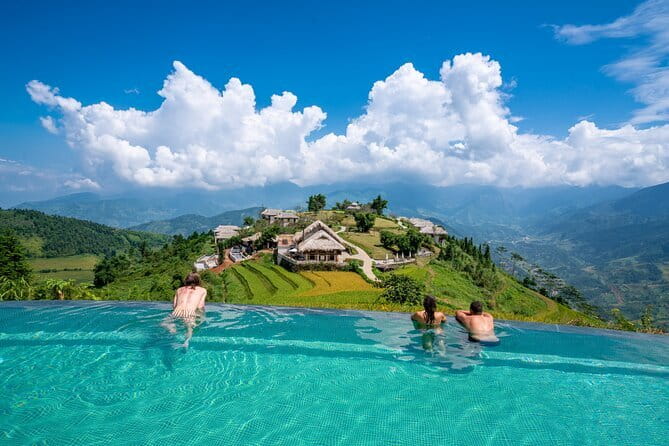
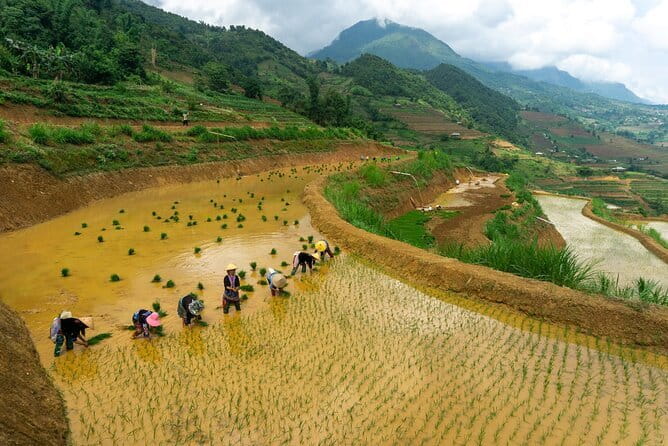
Rice terraces meet real village life. In this 3-day Sapa trek, I love how the route mixes ethnic village visits (Hmong and others like Dao and Giay) with real hiking legs and Fansipan by cable car instead of a hard summit grind. You’ll get misty valley views, terrace walks, and a good sense of how people actually live up in the hills.
What really works for me is the balance of effort and payoff: steep-ish moments are part of the experience, but the schedule keeps moving so you still get time to relax in Sapa at night. I also like the safety net built into the day-to-day plan: transport from Hanoi, a small group (max 15), and a local English-speaking guide who helps you connect the dots.
One possible drawback: the included hotel is often described as simple. In one case, a guest flagged an unpleasant bed odor, so if you’re picky about room comfort, I’d mentally budget for basic rather than luxury.
In This Review
- Key points before you go
- Hanoi to Sapa: sleeping bus timing and how it sets the tone
- Cat Cat Village downhill trek: Hmong crafts, waterfall sounds, and the return hike
- Lao Chai and Ta Van: natural indigo dyes, bamboo groves, and an easier pacing choice
- Fansipan by cable car: temples, the big Buddha, and top views without the grind
- Food, hotels, and what the all-in package really means
- Price and logistics: does $195 feel fair?
- Who this Sapa trek is best for (and who should think twice)
- Should you book this 3-Day Sapa trek with Vietmountain Travel?
- FAQ
- How long is the Sapa trek and what’s the schedule like?
- Is the Fansipan cable car ticket included?
- What meals are included?
- What’s included besides meals and entrance fees?
- Do I need a lot of hiking fitness?
- What happens if the weather is bad?
Key points before you go

- Hanoi pick-up to Sapa by sleeping bus at around 7:00am, about 4.5–5 hours of travel
- Cat Cat Village trek (downhill then back uphill) with the Cat Cat waterfall area and a French-built hydropower station
- Lao Chai for natural indigo textiles and big valley views while you hike
- Ta Van Village for Hmong and Giay culture plus bamboo groves and riverside scenery
- Fansipan cable car + temples + the mountain’s huge Buddha statue for top views without a tough climb
- Max 15 travelers + 24/7 hotline support from Vietmountain Travel, with a mobile ticket
Hanoi to Sapa: sleeping bus timing and how it sets the tone
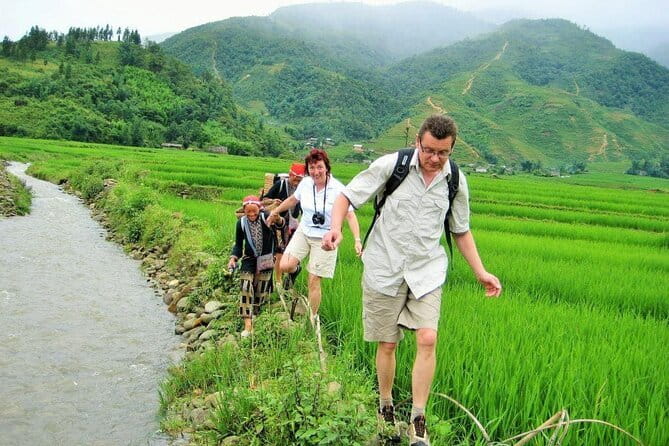
You start in Hanoi around 7:00am with a morning departure on a comfortable sleeping bus. The ride is typically about 4.5 to 5 hours, so you’re not spending your whole day on the road, and you still reach Sapa with enough time to do more than just check in.
Once you arrive, a friendly local guide meets you at the bus office area in Sapa. Then you get lunch (included) and check in to your hotel, so day one doesn’t feel like a rushed scramble where you’re starving and waiting around.
A small but important detail: the tour includes an air-conditioned sleeping bus with a safe driver. That matters on a route where getting stuck in traffic or arriving late can ruin your hiking schedule. With this kind of setup, the trip usually feels organized from the first hour.
You can also read our reviews of more tours and experiences in Hanoi.
Cat Cat Village downhill trek: Hmong crafts, waterfall sounds, and the return hike
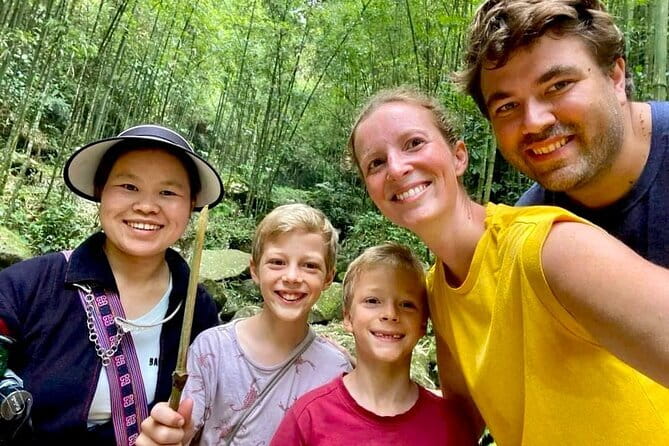
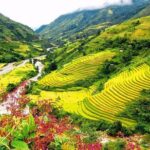
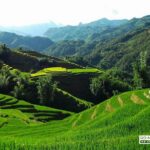
Day one’s hiking begins at about 2:30pm. You walk from Sapa town down toward Cat Cat Village on a roughly 3-kilometer downhill route. This is the part where the views often do the heavy lifting: terraced rice fields, misty mountain scenery, and photo stops along the way.
Cat Cat is also where you start getting the cultural context. In the village, you spend about three hours with Hmong community life. You’ll see and hear about daily routines tied to the valley. Expect a mix of practical craft viewing—like hand-woven textiles, silver jewelry, and hand-forged tools—and a look at how local people keep traditions alive.
Two specific highlights worth planning around:
- The Cat Cat waterfall area and the hydropower station nearby, described as a French-built marvel. It’s one of those spots where the sound of water makes the whole area feel alive.
- Cultural performances linked to village life. Even if you only catch a piece, it’s a quick way to go beyond a photo and understand what’s happening.
Then comes the part many people remember most: the return. At around 5:30pm, you trek back toward Sapa on a roughly 4-kilometer path that goes uphill. It’s not just “walk back,” either—you’ll notice the change in effort as daylight fades and the valley shifts under the clouds.
By early evening (around 7:00pm), dinner is included, and you get free time to hang out in Sapa town. This is the nice payoff of day one: you’re tired in a good way, but you’re still not missing the town atmosphere entirely.
Lao Chai and Ta Van: natural indigo dyes, bamboo groves, and an easier pacing choice
Day two starts early. You wake up at about 7:00am and have breakfast, then you’re ready to trek by around 8:30am. This is a smart timing choice: cooler air and softer light make the hills feel more manageable, and you’ll walk before the day heats up.
Your morning focuses on Lao Chai Village, described as the heart of the Hmong community. Here, the hike is about more than scenery. You’ll learn about daily life and traditional farming techniques, and you’ll see how textiles are dyed with natural indigo—the same plant-based color story that makes indigo work feel different from machine dye.
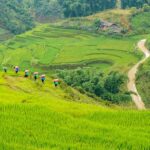
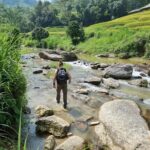
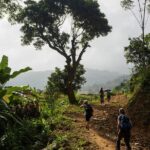
The trail itself is often the best classroom. You’re looking at lush valleys, streams, and routes that locals use. That means you’re not walking through “designed tourist space.” You’re on paths that feel connected to real livelihoods.
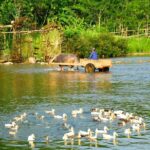
Lunch comes at about 12:00pm with sweeping valley views, and it’s included. Then you continue on to Ta Van Village, a community shared by Hmong and Giay people. The walk here is different in texture: bamboo groves, meandering rivers, and rural pathways that feel more open.
Ta Van is where cultural exchange becomes more personal. You’ll get time to interact with local hospitality and watch how daily life fits into the surrounding hills. And if you’re tired from the day’s walking, the itinerary gives you a practical choice: as you return toward the main road, you can catch a car/mini van back to town rather than pushing every last step.
That flexibility is one reason I’d recommend this trek to a wider range of fitness levels. You still get the hiking, but you’re not locked into a rigid “no matter what, walk all day” schedule.
Evening is easy again: around 5:30pm you finish and around 7:00pm you have dinner, with free time afterward to rest or wander Sapa town.
Fansipan by cable car: temples, the big Buddha, and top views without the grind
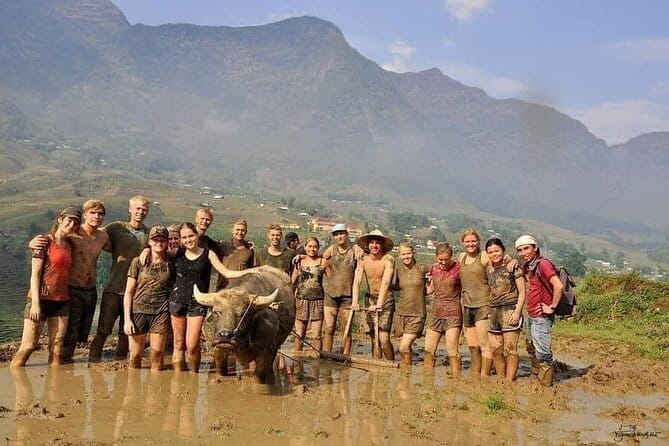
On day three, you shift from village trails to mountain scale. After breakfast, you head to Fansipan. The ride is short—about a 3-kilometer drive to the cable car station—so you don’t lose half the day just getting set.
The cable car takes you up to the top of Fansipan, described as the highest peak in Vietnam and Indochina. Once you reach the summit area, you explore, including temples and a massive Buddha statue noted as the highest on the mountain. If you’ve ever avoided big hikes because you worry about endurance, this is where the value shows: you still get the mountain experience without having to earn it the hard way.
From there, you typically spend around the morning exploring before lunch. At around 12:00pm, you take the cable car back down to the base.
You’ll have lunch included and then return to Sapa town by about 2:00pm. One helpful detail: you get time to shower at the hotel before the final transfer back to Hanoi, which makes the evening bus ride more comfortable.
Departures are timed for a reasonable arrival back in Hanoi. Around 3:00pm, you’re shuttled to the bus office, assisted with check-in, and sent off with a packed sandwich for the road. You’re set to arrive Hanoi around 7:30pm. That’s not an “arrive at midnight and hope for the best” kind of schedule.
Food, hotels, and what the all-in package really means

This trek is set up as genuinely all-inclusive on the basics that usually eat your budget when you DIY.
Included meal plan:
- Breakfast: 2
- Lunch: 3
- Dinner: 2
Meals are listed as local meals, and vegetarian food is available on request. Bottled water is also included.
Also included:
- Entrance fees and village visits
- Trekking activities
- Cable car ticket
- Transport from Hanoi (and back), plus local pickups
- An English-speaking local guide (other languages on request)
Comfort-wise, here’s the honest framing. The bus is described as clean, modern, air-conditioned, and safer than DIY-style travel where you’re guessing. For lodging, the descriptions lean “simple but clean.” Still, you should treat the hotel as functional. One comment flagged an unpleasant smell in a bed area, which is a reminder that rooms up here aren’t always the same standard as a big-city chain hotel.
My advice: if you’re sensitive to odors or sleep conditions, pack small “comfort backups” (things like a light layer for evenings, a head covering, and whatever helps you rest). You can’t control the hotel, but you can control your readiness.


Price and logistics: does $195 feel fair?
At $195 per person for 3 days, this price usually makes sense if you’re comparing against piecing it together yourself.
Here’s what you’re paying for, based on what’s included:
- Round-trip Hanoi–Sapa transport by sleeping bus
- Local pickups and shuttles at both ends
- An English-speaking local guide for the walking days
- Entrance fees for the stops you visit
- The Fansipan cable car ticket
- Most meals plus bottled water
What’s not included:
- Tips for the guide
- Beverages and other personal expenses
So the value story is pretty clear: the tour handles the big-ticket “moving parts” (getting there, getting around, entry fees, and feeding you). If you’ve tried to DIY Sapa before, you know how fast costs and time can spiral—especially when the weather shifts and you need a backup.
One more practical signal: this trip is often booked about 120 days in advance on average. That doesn’t prove anything on its own, but it usually means popular dates fill up, and you’ll want to lock your plan early if you have a specific window in mind.
Who this Sapa trek is best for (and who should think twice)

This is built for people who want a real Sapa experience without committing to a long, technical multi-day climb.
Good fit if you:
- Enjoy walking with a mix of downhill and uphill sections (Cat Cat has a downhill trek plus an uphill return; day two keeps you moving for hours)
- Want culture plus scenery, including village craft and community interaction
- Prefer a guided plan with clear meal stops
- Like the idea of topping out at Fansipan but don’t want to do a steep summit hike
It also lists that most travelers can participate, but the itinerary does require decent comfort with outdoor walking. One review called it recommended for those in good health, which lines up with the time on your feet across two trekking days.
Think twice if you:
- Are extremely picky about hotel room comfort (expect simple rather than fancy)
- Hate being affected by changing weather. This tour requires good weather and may shift dates or experiences, or offer a refund if it has to cancel for poor conditions.
If you travel with kids, note that children must be accompanied by at least one adult. And if you’re traveling with a service animal, it’s allowed.
Should you book this 3-Day Sapa trek with Vietmountain Travel?
I’d book it if you want the classic Sapa highlights—Cat Cat, Lao Chai, Ta Van, and Fansipan—but you want them stitched together in a way that feels organized, not stressful. The small group size (max 15) plus a real local guide is a strong combo for learning more than just directions.
I’d hold off if your top priority is hotel comfort. The hiking and the mountain payoff sound great, but lodging is not positioned as luxury, and at least one comment points to a bad bed odor situation. If you’re the type who needs a spotless, quiet room to sleep well, go in with that expectation.
One last thing I appreciate: the operator provides a guaranteed 24/7 hotline support and you get a mobile ticket. In remote places, that kind of safety net can matter more than a fancy brochure.
FAQ
How long is the Sapa trek and what’s the schedule like?
It’s a 3-day experience. You leave Hanoi around 7:00am on the first day, spend two full days in Sapa hiking and visiting villages, then return to Hanoi on the third day and arrive around 7:30pm.
Is the Fansipan cable car ticket included?
Yes. The cable car ticket is included as part of the experience.
What meals are included?
The tour includes 2 breakfasts, 3 lunches, and 2 dinners. Bottled water is also included. Vegetarian meals are available on request.
What’s included besides meals and entrance fees?
Entrance fees, cable car ticket, trekking activities, and village visits are all included. You also get an experienced English-speaking local guide and transport from Hanoi plus local transfers.
Do I need a lot of hiking fitness?
You should be prepared for several hours of walking over two trekking days, including a downhill trek to Cat Cat Village and an uphill return. The tour indicates most travelers can participate, but good health is recommended for the hike.
What happens if the weather is bad?
The tour runs on days that require good weather. If it must be canceled due to poor weather, you’ll be offered a different date/experience or a full refund.
If you want, tell me your travel month and fitness level (for example: easy walks vs. regular hikes), and I’ll help you judge whether this 3-day pace will feel fun or too much.