REVIEW · MARRAKECH
Toubkal trek – 2 days
Book on Viator →Operated by Toubkal Guide · Bookable on Viator
Toubkal in two days sounds intense. It is, but that is exactly what makes this trek so good: you get pulled from Marrakech into the Atlas Mountains fast, hike past the Mizane Valley and Sidi Chamarouch, then make a summit push early enough to catch the mountain in full morning light.
What I love most is how much the trip removes the usual headache. You get round-trip hotel pickup and drop-off, plus a guide, cook, mule support, and all the camping setup handled for you. Second, the human side matters here: chefs and guides (names like Mohamed Tsiou and chef Mohamed Abayen show up in feedback) keep the day moving with food on schedule and guidance when the footing gets tricky.
One possible drawback: you still need to be ready for altitude and scree. Even when the route is described as straightforward, the climb can feel steep and slow at 3,000+ meters, and winter hikers may need extra rentals like crampons and an ice axe that are not included.
In This Review
- Key things I’d zero in on
- Marrakech to Imlil: The Start That Sets Your Pace
- Day 1 on the Mizane Valley Route to the Refuge Camp
- Day 2 Summit Push to Jebel Toubkal and the Descent
- What the Guide, Chef, Mule, and Camp Setup Really Do For You
- Price and Value: Is $255.89 a Good Deal for Two Days?
- Gear and Fitness: How to Know If You’re Set Up to Enjoy It
- Who This Toubkal Trek Fits Best
- Should You Book This 2-Day Toubkal Trek?
- FAQ
- What time does the trek start in Marrakech?
- How long is the Toubkal trek?
- Is hotel pickup and drop-off included?
- What’s included with the trekking team?
- What food is included?
- Are admission tickets included?
- What equipment is not included?
- Is the trek suitable for kids?
- Can I cancel for a full refund?
Key things I’d zero in on
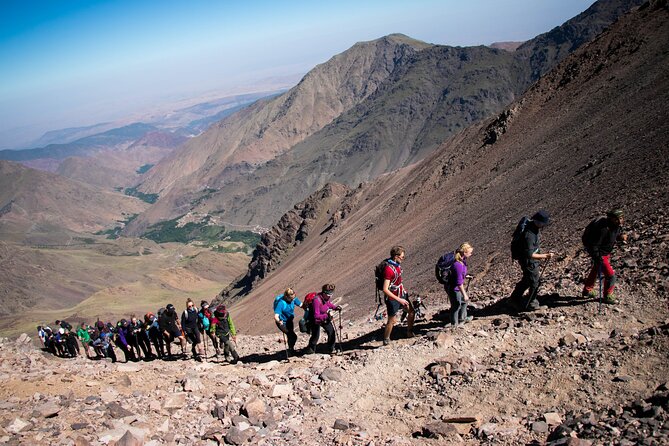
- Small-group feel (max 15): you’re not lost in a crowd on narrow trails.
- Sidi Chamarouch break points: the trek passes a shrine area on the way to the refuge.
- Refuge night near 3,206m: you’re camping close to where summit day starts.
- Summit attempt timing: early start is set up so you reach the top for early views.
- Meals + cook + mule: you focus on walking while the team handles camp food and logistics.
- Gear gaps in winter: crampons/ice axe/sleeping bags/poles may be on you.
Marrakech to Imlil: The Start That Sets Your Pace
The best mountain mornings begin the night before in your head, and this one starts with the easiest part of the whole trip: getting from Marrakech to Imlil without stress.
Pickup is at 8:00 am, and you drive about 1.5 hours to the trailhead area in Imlil. That matters more than it sounds. If you’ve ever tried to line up buses, taxis, and guide meetings on your own, you know the waste time. Here, your only job is to show up and be ready to hike.
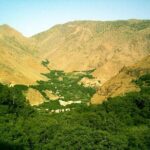
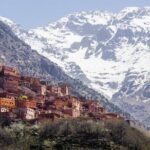
Once you’re at Imlil, you move into a Berber mountain rhythm: villages appear along the Mizane Valley route, and the trail begins to feel like it has its own pace. Even the way the day is described—passing Aremd, then moving toward the shrine of Sidi Chamarouch—signals you’re not just walking to a summit. You’re walking through lived-in valleys where people still travel by foot and mule tracks.
You can also read our reviews of more tours and experiences in Marrakech.

Day 1 on the Mizane Valley Route to the Refuge Camp
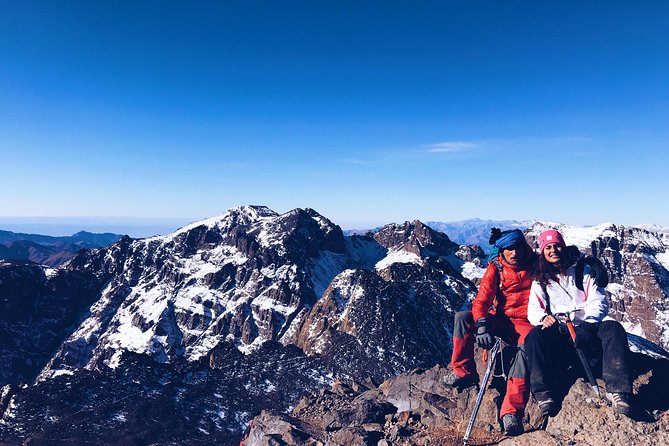
Day 1 is built to get you to the refuge zone without burning you out before summit day.
After leaving Imlil, the route heads along the Mizane Valley. You’ll pass Aremd, then continue toward the shrine of Sidi Chamarouch. This is one of those moments that makes the trek feel real. Shrines in the Atlas aren’t just random stops; they’re spiritual and practical landmarks for locals and pilgrims. You also get a sense of what the valley serves—pastoral life, seasonal movement, and paths that connect communities.
From there, the trail climbs steadily. You cross floodplain sections and switch onto mule tracks that wind up through high, rocky areas above the valley. The river crossing comes later in the day, bringing you to the pastoral side of the shrine area before you continue up.
Then the big change: the climb pushes toward the snowline, with the route continuing to the refuge at about 3,206 meters. You spend the night in a tent camping near the refuge.
The walking time listed for Day 1 is about 5 to 6 hours. That is a key number for your expectations. Two-day Toubkal treks can vary wildly in how aggressive they feel. This one is structured so you reach high altitude and set camp, but you’re not doing a full send to the summit on day one.
What to watch for: Day 1 is all about spacing your effort. If you rush early, your legs will feel it when the air thins and the final climb to the refuge hits. You’ll likely have opportunities to pause for breath, water, and food, but the team’s job isn’t to slow you down—they’re there to keep you safe and fed while you gain altitude steadily.
Day 2 Summit Push to Jebel Toubkal and the Descent
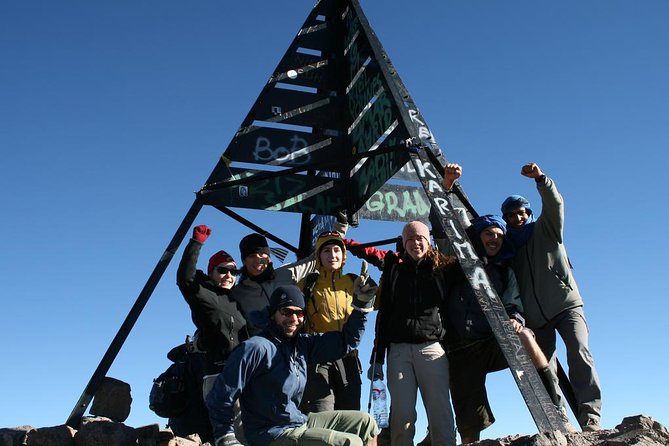
Summit day starts early. This is not a relaxed wake-up and wander. You make an early attempt at the top of Jebel Toubkal, the highest peak in North Africa.
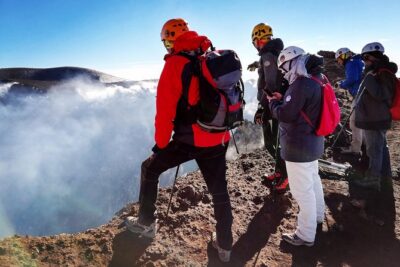
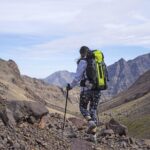
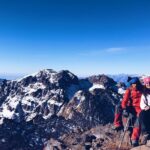
Your route takes you up the south cirque and crosses a stream above the refuge. The walking is described as relatively straightforward, but the details matter: the trek can become difficult in parts because of scree and the altitude.
Here’s the practical part you’ll care about: on scree, every step is a negotiation. Your footing can slide even when the path looks simple. Your guide’s pacing becomes a lot more important than raw speed. Many people underestimate how tiring it is to keep balance while climbing at altitude. Your best move is to keep your effort steady and let your breath guide your pace.
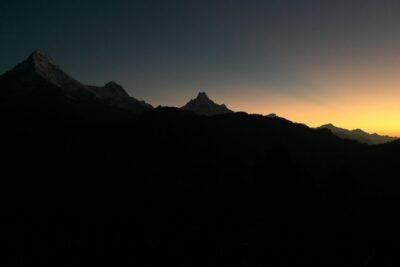
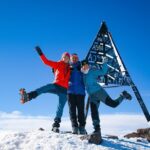
When you reach the summit, the reward is huge and it’s described as nearly all-direction views: you can see across the Marrakesh Plain and toward the High Atlas to the north, and as far south as the Anti-Atlas and even toward the Sahara.
Day 2 is listed at roughly 10 hours total. That likely includes summit time plus the descent back toward the refuge and down to civilization when you’re ready. The day is long, and you’ll feel it most on the way down—not because the mountain gets harder, but because descending asks a different kind of strength from your knees and quads.
What the Guide, Chef, Mule, and Camp Setup Really Do For You
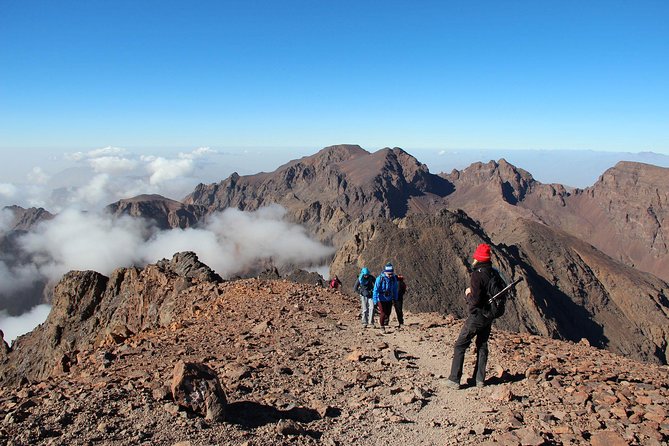
This trek is a team operation: guide, cook, and mule support, plus camping gear and meals. In real life, that means you’re not playing logistics chess while your body climbs.
You’ll have an English-speaking guide guiding you on the trail. Guides named in feedback include people like Hamid, Ismail, Ibrahim, Hamza, and more. You’ll also see repeated praise for how guides look after timing and safety—especially for getting people to the summit area before sunrise and keeping everyone fed.
The cook is a big deal too. Meals are included (breakfast and dinner are listed, plus lunch twice), and the kitchen isn’t an afterthought. Multiple reviews mention excellent food and getting fed at the right times. That’s not just comfort—it’s energy management at altitude. If you’re underfed, the climb punishes you. If you eat on schedule, your legs tend to stay calmer.
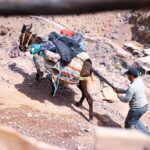
Then there are the mules. You’re still hiking, but mule support helps keep the load realistic for most people. It’s an important difference between a trek where you carry everything yourself and one where the team handles the camp side so you can focus on your own climb-and-breathe.
One more camp detail: you sleep in tents near the refuge. That sounds straightforward, but it changes how you pack and how you think about warmth. Even if you’re fit, camp comfort can affect your summit mood.
Price and Value: Is $255.89 a Good Deal for Two Days?
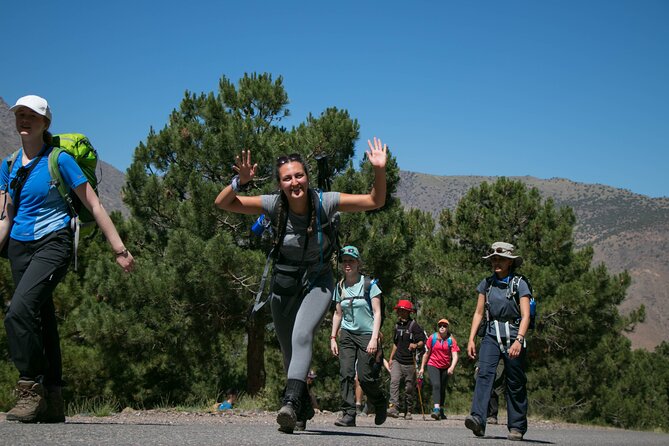
At $255.89 per person for about two days, this trek isn’t the cheapest thing you can do from Marrakech. But you’re also not buying just a hike.
You’re paying for the full machine: hotel pickup and drop-off, transport to Imlil, an overnight tent camping setup near the refuge, meals, a cook, an English-speaking guide, and mule support. On top of that, admission tickets are listed as included.
So where does the value come from?
- You’re buying time and stress reduction. A summit trek has enough moving parts. If you handle transfers, camp gear, food, and permits yourself, it turns into a second job.
- You’re buying local expertise. The route includes shrine areas and steep sections where timing and pacing matter.
- You’re buying structure. Day 1 puts you at high altitude so Day 2 can start early and work toward sunrise timing.
What makes it less of a bargain is the gear gap. Winter hikers may need extra rentals like crampons, an ice axe, sleeping bags, and poles—those are explicitly not included. If you arrive unprepared, the cost can creep upward quickly. Still, for many people, the included food, guide service, and transport outweigh the extras.
Gear and Fitness: How to Know If You’re Set Up to Enjoy It
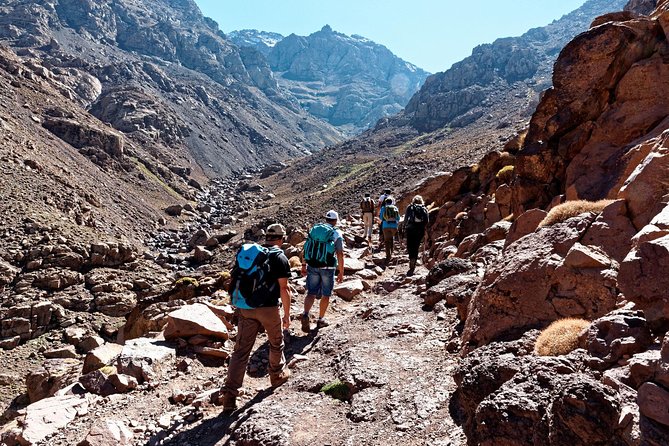
The tour is aimed at people with moderate physical fitness level, and that sounds like a promise. The reality is: moderate still means you’ll be working hard.
Day 1 is about 5 to 6 hours. Day 2 is about 10 hours, with altitude and scree on summit terrain. If you’ve only done easy walks recently, you might feel surprised by how quickly your body asks for breath control. The climb timing is early, and you’ll likely start in cooler air, then warm up as you go.
Gear is where you should be honest with yourself. The tour includes camping gear, but it does not include winter rentals. The listing also notes sleeping bags and walking poles are not included. That matters most in colder months and higher altitude conditions near the snowline.
My practical packing advice (based only on what’s supported here and what typically matters for this terrain): if you’re traveling in winter, plan for the possibility you’ll need to rent crampons and an ice axe, and you should also confirm what you have for warmth and traction. If you don’t, you’ll end up trading rest time for rental time or adapting to gear that isn’t quite right.
Who This Toubkal Trek Fits Best
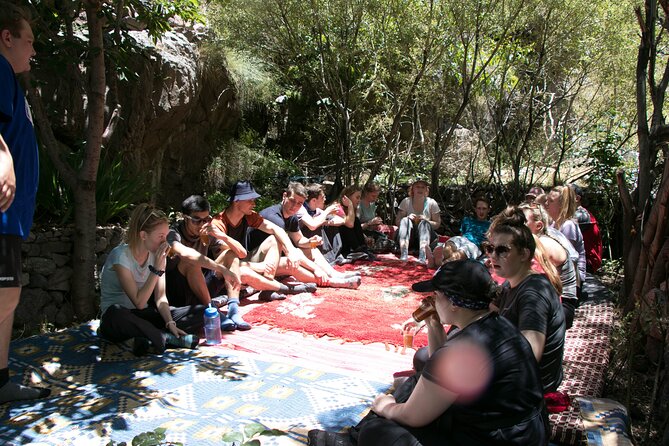
This is a strong match if you want a real mountain summit without spending extra time arranging everything yourself. It also works well if you like the small-group format; the trek caps at 15 travelers, which tends to keep the experience social but not chaotic.
It’s especially good if you care about having a team around you. Reviews praise guides who guide well, keep people fed, and make the route feel organized even when the hike gets tough. Names like Mohamed, Hamid, Ismail, and Ibrahim pop up in feedback, and the common thread is support—guidance on the move and competence with timing.
It might be less ideal if you want a leisurely walk, or if you hate long days at altitude. Also, if winter is your season, make sure you’re ready for possible extra equipment costs.
Should You Book This 2-Day Toubkal Trek?
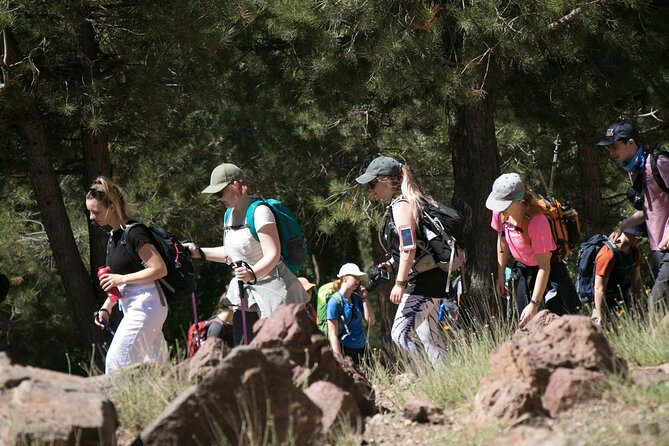
Yes, if you want a structured summit experience with pickup from your hotel, real mountain hiking in a small group, and a team that handles food and camp so you can focus on the trail. The included meals, cook, mule support, and the high-altitude night near the refuge make it feel like a complete trek, not a barebones hike.
I’d say book with extra care if you’re not sure about winter gear needs. Confirm what you’re bringing versus what you may have to rent, especially for crampons, ice axe, sleeping bag, and poles. Also be honest about stamina: Day 2 is long and the scree plus altitude are not a walk in the park.
If you’re physically ready, and you want your Atlas story to include a real summit and early morning views, this two-day Toubkal plan is one of the more practical ways to do it from Marrakech.
FAQ
What time does the trek start in Marrakech?
Pickup starts at 8:00 am from your accommodation in Marrakech.
How long is the Toubkal trek?
It’s a 2-day trek, with Day 1 and Day 2 hiking leading to the summit attempt.
Is hotel pickup and drop-off included?
Yes. The tour includes hotel pick-up and drop-off service along with transport from Marrakech and back to Marrakech.
What’s included with the trekking team?
You get an English-speaking guide, a cook, and mule support. The tour also includes meals and camping for one night.
What food is included?
The tour includes breakfast, dinner, and lunch (two lunches).
Are admission tickets included?
Yes. Admission tickets are listed as included for both days.
What equipment is not included?
Not included are rental equipment such as crampons (winter), ice axe (winter), sleeping bags, walking poles, and soft drinks. Tips and travel insurance are also not included.
Is the trek suitable for kids?
Children must be accompanied by an adult, and the tour notes that travelers should have a moderate physical fitness level.
Can I cancel for a full refund?
Yes. You can cancel up to 24 hours in advance of the experience start time for a full refund.
If you want, tell me what month you’re going and your hiking background (recent altitude/walk length). I’ll help you sanity-check whether two days feels right and what gear you should plan for.