REVIEW · MARRAKECH
Toubkal Trekking 2 Days
Book on Viator →Operated by Morocco Tours With Locals · Bookable on Viator
Two days to reach North Africa’s highest peak. This Toubkal trek takes you from Marrakech to Imlil, up to a local refuge at 3,207m, and then on to the summit at 4,167m with a guide watching your pace the whole way.
What I love most is the combo of real mountain time and comfort-minded logistics. The drive from Marrakech is by air-conditioned vehicle, and the overnight is in a refuge, so you’re not stuck planning camping gear.
One thing to consider: this is still a serious hike. You’ll walk around 4–5 hours on day one and about 10–12 hours on day two, with an early start for the summit—moderate fitness helps a lot, and altitude can be a factor.
Key points to know before you go
- AC transfer from Marrakech keeps you fresh for the steep footwork.
- Sleep at 3,207m in a local refuge means no camping gear stress.
- Early summit timing is built in so you’re not racing the clock.
- Guide-led pacing and safety helps manage effort on rocky sections.
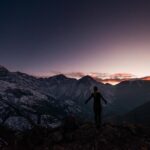
- Big-view day: clear days can show Marrakesh’s plain, the High Atlas, Anti-Atlas, and the Sahara.
In This Review
- Toubkal in Two Days: What You’re Really Signing Up For
- Marrakech to Imlil by Air-Conditioned Vehicle: Why It’s Worth It
- Day 1: Imlil (1,740m) to Toubkal Refuge (3,207m) Without Overthinking It
- Leaving Imlil and joining the valley routes
- The walking time that actually matters
- Night at 3,207m: refuge living instead of camping
- The Refuge at 3,207m: Comfort, Altitude, and the Reality of “High Sleep”
- Day 2 Summit Push: Reaching 4,167m and Coming Back Down Sanely
- The trail feel up high
- The views: what you’re aiming for
- The descent is real hiking, not a victory lap
- Your Guide Team: Safety, Pacing, and Names You’ll Hear
- Food and Recovery: Why the Meals Matter on Summit Day
- What This Trek Feels Like (Physically) and Who Should Choose It
- Price and Value: Is $210.53 a Good Deal for Two Days?
- Practical Tips That Improve Your Chances on Summit Day
- Pack like you’re hiking, not sightseeing
- Keep your pace boring
- Hydrate, and take the water warning seriously
- Expect the long day
- Weather and the Plan B Reality
- Should You Book This Two-Day Toubkal Trek?
- FAQ
- How long is the Toubkal Trekking 2 Days tour?
- Where does the trek start and end?
- How long do you walk on each day?
- Is pickup from Marrakech included?
- Do you need camping gear?
- What kind of physical fitness do you need?
- Is this a private tour?
- What transportation is included?
- Are tips included?
- Is good weather required?
- What if I cancel last minute?
Toubkal in Two Days: What You’re Really Signing Up For
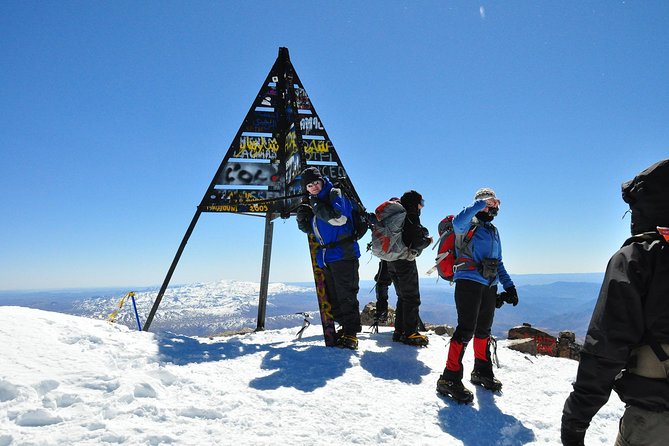
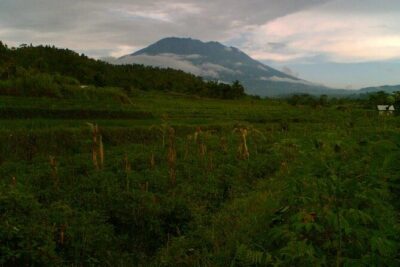
Mount Toubkal is famous for a reason. In just 48 hours you go from valley trails to high-altitude trekking and then to a summit that sits above most of North Africa’s highest-looking scenery. The tour is designed for people who want the mountain experience without technical mountaineering gear or skills.
The structure matters: day one is long enough to get your legs working (and help you acclimatize), but it ends at the refuge so you can recover. Then day two is the summit push: longer, steeper, and mostly about steady effort and good decision-making when the trail gets rocky and exposed.
Also, it’s not a hike where you’re left guessing. You trek with your guide and group, and the guide stays with you the whole time for safety and pacing. That’s a big deal when you’re dealing with altitude, uneven ground, and weather that can shift fast in the Atlas.
Marrakech to Imlil by Air-Conditioned Vehicle: Why It’s Worth It
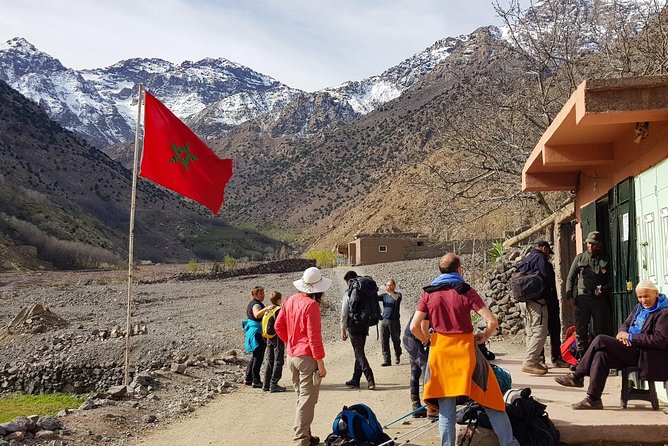
You start in the Marrakech area and then ride into the mountains toward Imlil (around 1,740m). The tour includes an air-conditioned vehicle for the drive to and from the trail area.
That sounds like a small detail until you do it: the hike starts fast, and heat can turn “manageable effort” into “why did I pack these boots.” The AC ride helps you arrive closer to ready mode instead of arriving tired and sweaty before you even start climbing.
You’ll also get dropped back in Marrakech after the trek, which simplifies your logistics. No second guessing, no navigating public transport with trekking shoes on.
You can also read our reviews of more tours and experiences in Marrakech.
Day 1: Imlil (1,740m) to Toubkal Refuge (3,207m) Without Overthinking It
Day one is all about getting upward and letting the mountain set the pace.
Leaving Imlil and joining the valley routes
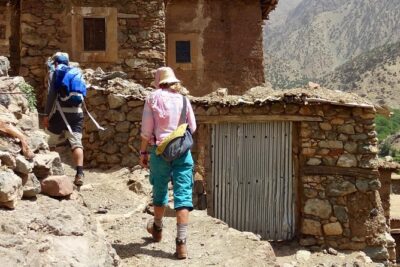
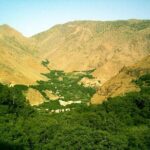
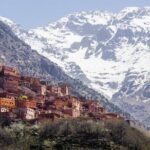
From Imlil, you start trekking with a local team in the Aït Mizane valley region. The route heads toward Aremd, then toward the sanctuary of Sidi Chamarouch. After that, you pass by the nearby waterfall before continuing along steep paths up to the refuge.
What’s great here is the mix. You’re not only climbing dirt and rock in a straight line. You’ll move through valley paths, village-area terrain, and a couple of nature/cultural stops that make the day feel less like a treadmill.
The walking time that actually matters
You should expect about 4–5 hours of walking on day one. That’s long enough to work up a sweat, but not so long that you’re completely drained before sleeping high.
The practical win: day one sets your rhythm. If you go too hard early, day two will feel brutal. If you use day one to lock in a steady pace, day two gets more doable.
Night at 3,207m: refuge living instead of camping
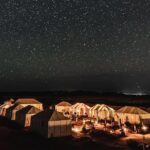
At the end of day one, you arrive at the Toubkal refuge at 3,207m for the night. The tour approach avoids camping gear, which is a relief if you’re trying to travel light.
The Refuge at 3,207m: Comfort, Altitude, and the Reality of “High Sleep”
This trek is built around sleeping in a local refuge, not under a tent. That’s valuable for two reasons: you avoid hauling gear, and you keep your focus on hiking.
At altitude, “sleep” can feel different. Even when conditions are good, nights up at 3,000m+ can be cool, and you’ll likely want to rest as much as possible to handle the summit day.
A couple things that came through strongly in guidance you’ll likely be given:
- Follow the lead of your team on hydration and pacing.
- Don’t treat every stream or puddle like it’s safe to drink. People on this trek have been specifically warned to avoid drinking clear water at higher points.
You’ll feel the difference most on day two. If you arrive at the refuge wiped out, you’ll be paying for it during the summit push.
Day 2 Summit Push: Reaching 4,167m and Coming Back Down Sanely
Day two starts early, because you want time and light to reach the summit of Jbel Toubkal (4,167m) and still get back down.
The trail feel up high
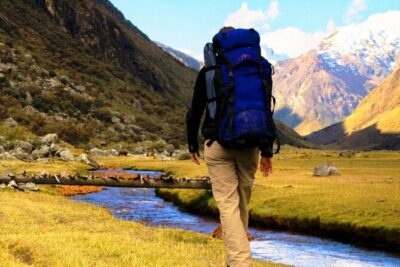
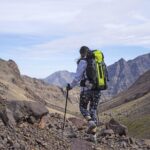
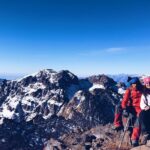
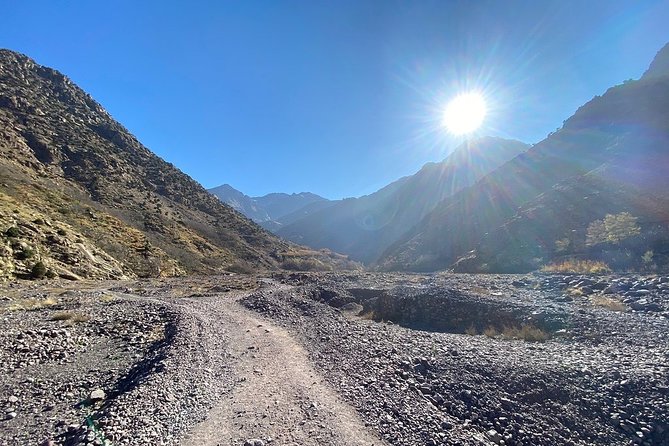
The route goes from the refuge area up to the summit with rocky sections, stream crossings, and stretches over exposed ground. You’ll move through rocks and cross streams, then work your way toward a plateau where you can take a break.
This is the day where effort needs to be controlled. Even if your legs are strong, altitude can slow your breathing and mess with your pace. A common theme from guide behavior here is simple: go slower than you think you need to, and let the summit come to you.
The views: what you’re aiming for
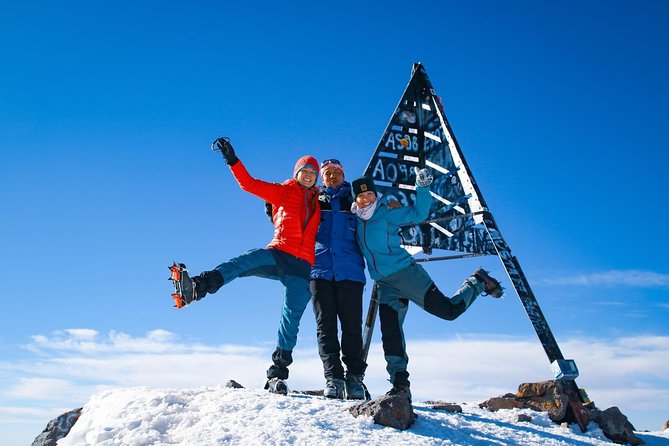
When you reach the top, you’re rewarded with panoramic views. On clear days, people can see:
- the plain of Marrakesh and the High Atlas to the north
- the Anti-Atlas and the Sahara toward the south
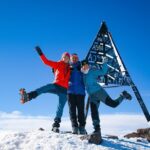
That view payoff is the emotional reason people do this two-day format. It’s not a “walk to a photo spot” situation. You earn it.
The descent is real hiking, not a victory lap
After enjoying the summit area, you’ll start back down toward Imlil. The walking time on day two is typically around 10–12 hours total (plus the drive). That means the descent can be tiring on your knees and feet.
A guide staying with you helps with two things:
- choosing a safe line on rocky terrain
- keeping the pace steady so you don’t burn out early
Your Guide Team: Safety, Pacing, and Names You’ll Hear
One of the most praised parts of this trek is how seriously the guides take pace and safety. Different guide names come up frequently—Ibrahim, Mohamed, and Rashid—and the pattern is consistent: they’re there with you the entire time, not just at the start.
Here’s what that usually looks like on the trail:
- helping you move at a rhythm that reduces altitude stress
- encouraging you to slow down when needed
- staying calm and practical during demanding weather
I like that this isn’t sold as a “tough it out” adventure. It’s more like: you do the hard work, but you’re not doing it blindly.
If you’re nervous about high-altitude hiking, this structure is a big plus. You’ll still feel the mountain, but you won’t feel alone in it.
Food and Recovery: Why the Meals Matter on Summit Day
Even though the official included list we have here is short, the lived experience of this trek clearly centers on recovery. People mention a cook and praise the meals as tasty and substantial. That matters because day two is long.
At these elevations, eating isn’t just about comfort. It helps you keep energy for the hours after breakfast and during the climb where your appetite might be weird.
If you have dietary needs, you should ask before booking, since the trek runs on what the team provides. But as a general travel truth: well-timed food makes a huge difference when the schedule includes a summit and a long descent.
What This Trek Feels Like (Physically) and Who Should Choose It
Even with guidance, Toubkal is challenging. You should have a moderate physical fitness level. This isn’t mountaineering, but you will spend long hours on steep paths and uneven ground.
If you’re the kind of traveler who:
- can handle a long day of walking
- likes real effort instead of sightseeing only
- wants one iconic summit without a week of training
…then you’ll probably enjoy this.
You might want to think twice if you:
- hate early mornings
- struggle with steep trails
- don’t do well with altitude changes, even on shorter trips
Altitude can cause issues for some people, and the best strategy is simple: follow your guide’s advice, move slowly, and don’t chase the fastest hiker in the group.
Price and Value: Is $210.53 a Good Deal for Two Days?
At $210.53 per person, the value depends on what you compare it to.
Here’s what you’re getting for your money:
- AC transportation between Marrakech and the trail area
- a guided trek for both days
- sleeping in a refuge (so you don’t need camping gear)
- a full day-one climb and a long summit day with a guide staying with you
- group discounts are listed, and the tour uses mobile tickets
Could you do Toubkal cheaper on your own? Maybe, but you’d be trading away the guided pacing, the refuge logistics, and the smooth start-to-finish flow.
What makes this feel like good value is that you’re paying for reduced friction. In mountain travel, friction is what causes bad days. Here, most of that friction is removed.
Practical Tips That Improve Your Chances on Summit Day
I’ll give you the advice that saves people from avoidable pain.
Pack like you’re hiking, not sightseeing
Wear proper hiking shoes. Bring layers for the refuge night and for early-morning temperature shifts. Even if the day feels warm at the start, high points can cool quickly.
Keep your pace boring
If the guide tells you to slow down, take it seriously. People have noted that guides optimize pace to avoid altitude issues. That means you might feel like you’re walking slower than your ego wants, but you’ll likely feel better later.
Hydrate, and take the water warning seriously
Clear water can look safe, but you’ve got a specific warning on this trek: don’t drink water up top. Even if it looks inviting, follow your guide’s instructions.
Expect the long day
Day two runs about 10–12 hours of walking plus drive time. Build your expectations around that reality. Don’t schedule museum hopping afterward like you’re on vacation in a flat city.
Weather and the Plan B Reality
This experience requires good weather. If it’s canceled due to poor weather, you’ll be offered a different date or a full refund. That’s exactly what you want with a summit trek—no heroics in bad conditions.
So it’s smart to book with enough flexibility in your Marrakech timeline. If you’re trying to cram in other day trips tightly, you may feel the stress if the mountains decide to be moody.
Should You Book This Two-Day Toubkal Trek?
Book it if you want an iconic summit without technical climbing, and you’re ready for real hiking effort over two long days. The combination of AC transfers, a refuge night at 3,207m, and guide-led pacing is the sweet spot for most people with moderate fitness.
Don’t book it (or at least be cautious) if you’re not comfortable with a very long walking day, early starts, and rocky terrain at altitude. This trek can challenge your breathing even when you’re physically fit.
If you do book: listen early, pace smart, and take the guide’s advice about water and effort. You’ll still earn the summit—but you’ll do it with less suffering and more control.
FAQ
How long is the Toubkal Trekking 2 Days tour?
It runs for about 2 days.
Where does the trek start and end?
It starts in Imlil, Morocco, and ends back at the meeting point.
How long do you walk on each day?
Day 1 is about 4–5 hours of walking. Day 2 is about 10–12 hours of walking (plus about 1.5 hours of driving).
Is pickup from Marrakech included?
Yes, pickup is offered, and you’re collected from your accommodation in Marrakech and driven toward Imlil.
Do you need camping gear?
No. You sleep in a local refuge, so camping gear is not required.
What kind of physical fitness do you need?
You should have a moderate physical fitness level.
Is this a private tour?
Yes. It’s described as a private tour/activity, and only your group participates.
What transportation is included?
An air-conditioned vehicle is included for the drive to and from the trekking trails.
Are tips included?
No. Tips for staff are not included.
Is good weather required?
Yes. The experience requires good weather. If it’s canceled due to poor weather, you’ll be offered a different date or a full refund.
What if I cancel last minute?
You can cancel up to 24 hours in advance for a full refund. If you cancel less than 24 hours before the start time, the amount paid is not refunded.