REVIEW · MARRAKECH
Trek Jebel Saghro Morocco 8 Days
Book on Viator →Operated by EASYGO TOURS · Bookable on Viator
8 days can feel surprisingly wild. This Jebel Saghro trek ties together mountain passes, volcanic ridges, and nights under canvas, with mule-supported luggage and a real team in charge. I like that the pace is planned around short, focused walking days (often 4–6 hours), and that your guide-cook, Ahmed, works with the mule team (Idir, Hussein, and sometimes Yeddir) to keep the whole trip smooth and friendly.
If you’re after a high-payoff adventure, this one has it: you’ll cross Morocco’s dramatic highways on the way in, then switch to hiking through oases, fig slopes, and rock country around places like Ali’s Gate. One thing to consider: it’s built for people with moderate fitness, and you’ll be walking most days, including a climb up to about 2500m on Mount Kouaouche, so comfort matters (good shoes especially).
In This Review
- Key things to know before you go
- Starting in Marrakech, then driving straight into the Atlas mood
- Day 2 to Day 3: Dades Gorges roads, then meeting the trekking crew
- First camp nights: what “tents, cook, and mules” feels like day to day
- Mount Kouaouche day: views up around 2500m
- Afourar Valley and Ali’s Gate area: rock formations and Ait Atta flavor
- Trade-route walking in Ighazoun and Tawdachte Valley
- Returning via Draa Valley and Ouarzazate: Hollywood vibes, then back to Marrakech
- Marrakech hotel nights and village houses: comfort without losing the edge
- What’s included, what’s not, and the real cost check
- Who this trek suits best (and who might want a gentler option)
- Small-group feel: what having only up to 15 people changes
- Should you book the Trek Jebel Saghro 8 Days?
- FAQ
- Where does the tour start and end?
- How long is the Trek Jebel Saghro tour?
- What’s the maximum group size?
- Is pickup or airport transfer included?
- What kind of lodging do you get?
- Are meals included?
- Do you hike with help for luggage?
- How active is the trek?
- What about flights, insurance, and drinks?
- What if weather is bad or the minimum group size isn’t met?
Key things to know before you go

- Small group up to 15 people keeps the feel more personal and easier for questions.
- Mules handle luggage, so you hike with less weight on your back.
- Ahmed + the mule crew run the rhythm of the trek, from timing to camp setup and food.
- Tizi-n-Tichka (2260m) on the drive gets you into the south with real mountain drama.
- A mix of sleeps: Marrakech hotel nights, local village house nights, then tents during the trekking days.
Starting in Marrakech, then driving straight into the Atlas mood

Your trip begins in Marrakech with an airport transfer on Day 1 and then straight into “road-trip Morocco” on Day 2. You’ll head across the High Atlas via the Tizi-n-Tichka pass (listed at 2260m), which is one of those drives where the scenery keeps changing fast enough that you forget to check the time.
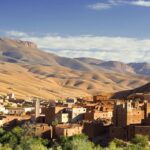
On the way to the south, the route runs through places like Ouarzazate and the Dadés valley, with fortified villages along the road. It’s not just a transfer day. It’s a reset: you see how the country shifts from mountain terrain to valleys that feel drier and more rugged. After all that driving, you overnight in a simple village house around Tagdilt, which is exactly what you want before the trekking starts—basic, practical, and part of the experience rather than a detour.
My take on value here: you’re not paying for a “sit on a bus” day. You’re paying for transport, route knowledge, and a smooth transition into the trek itself.
You can also read our reviews of more tours and experiences in Marrakech.

Day 2 to Day 3: Dades Gorges roads, then meeting the trekking crew
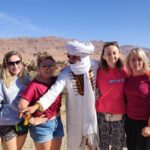
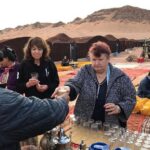
Day 3 is when the trip really changes gears. After breakfast, you meet your trekking crew, and you’ll notice the operational magic of the mule setup right away. Your luggage gets carried by the mules, which means you can focus on walking rather than managing every ounce.
The scenery on the first hiking day starts gentle: small oases tucked between fields of barley and fig-tree slopes. Then the trail winds into an incredible valley before you start heading uphill onto the volcanic sides of the Saghro. That shift matters. It’s the first big clue that this isn’t a “green hills” trek. It’s rock-and-heat country, shaped by old volcanic terrain.
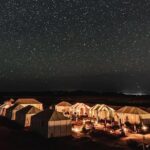
By the end of the day, you descend to camp and get your first night under canvas. Expect a night that feels closer to the mountains than any hotel ever will. The camp setup and cooking are part of the package, so you’re not improvising.
First camp nights: what “tents, cook, and mules” feels like day to day

This trek includes tente (tents) and a cook, and that combination is a big deal for comfort. When the hiking is steady, good food and a predictable camp routine help you recharge fast. The goal is to make each day feel like it has a start, a middle, and a clear ending.
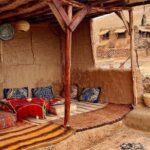
You also get accommodation variety. The package includes local house stays (two nights total) plus hotel time in Marrakech. The itinerary clearly shows at least one village-house overnight, and the rest is camping during the core trek days. Translation: you don’t live in a tent the entire time. You also don’t spend the whole trek “in comfort mode,” which would defeat the point of going this far.
Mount Kouaouche day: views up around 2500m

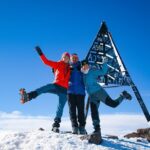
Day 4 is your summit-type effort: an ascent of Mount Kouaouche, listed at about 2500m. This is the day with the biggest vertical goal, and it’s why shoes, socks, and blister prevention are not optional.
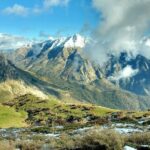
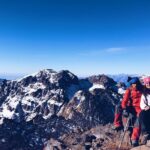
The reward is the kind of view you can’t really photograph correctly. The trip notes mention broad perspectives across south Morocco and the High Atlas to the north. In practice, it means you’ll be able to see how the mountain systems relate to each other—valleys, ridgelines, and distance stacking up.
After the climb, you descend to the camp site near the rocks of Igli. Day 4 isn’t just about the top; it’s about managing the down part too. If you tend to get sore knees, take your time on descents. The walking time is listed at 4 to 5 hours, which is reasonable, but altitude makes everything feel a bit heavier.
Afourar Valley and Ali’s Gate area: rock formations and Ait Atta flavor

Day 5 brings a satisfying contrast after yesterday’s peak attempt. Instead of repeating effort, you switch to valley time: Afourar Valley, with small villages near striking rock formations.
This is also the day where the itinerary points to the cultural backdrop—an area associated with the Ait Atta tribes. You’re not arriving for a formal museum stop. You’re walking through a living region, where the scenery includes villages, stone, and human-scale farming patterns.
Your camp tonight is very close to Ali’s Gate. Even if you don’t know the exact geography before you go, the phrase “gate” tends to signal a transition point in mountain terrain. Plan for another camp night under canvas, where the value is in the rhythm: walk, rest, eat, sleep, repeat.
Walking time is listed at 4 to 5 hours, which makes it a good day for anyone who wants a steady effort without a maximum push.
Trade-route walking in Ighazoun and Tawdachte Valley

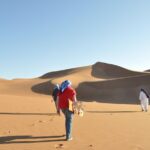
Day 6 keeps the trekking moving through regions still used as trade routes toward the Sahara desert. This detail changes the feel of the hike. You’re not just walking a random trail line—you’re traveling along paths that have mattered for a long time.
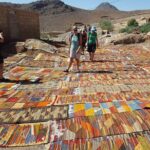
You pass small villages, hamlets, and farms in the Ighazoun and Tawdachte Valley. The itinerary even lists common crops and plants in the region: wheat, clover, carrots, hanna, tomatoes, and almond trees. That’s useful because it hints the area isn’t only rock and sand. You’ll see signs of agriculture and settlement patterns between the mountain walls.
Walking time is estimated at 5 to 6 hours. This is a good “longer day” but not an extreme one. Your best strategy is simple: keep a consistent pace, drink when you can, and don’t race the mountains just because you feel good early.
Returning via Draa Valley and Ouarzazate: Hollywood vibes, then back to Marrakech

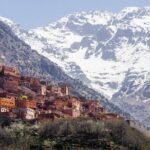
Day 7 is your longer day in travel time, around 8 hours, with a full drive back toward Ouarzazate and Marrakech. You head past snow-capped Atlas peaks (depending on the season) and cross the Draa valley. The Draa valley is known for its stretch and for the way it frames the journey with changing textures.
You stop briefly in Ouarzazate—described here as the Hollywood of North Africa—where films like Gladiator, Kingdom of Heaven, Lawrence of Arabia, and Prince of Persia were made. Even if you don’t go inside any studio set, it gives context for why this part of Morocco shows up on screens.
Then the drive crosses Tizi-n-Tichka pass again before you arrive in Marrakech in the afternoon. This is a gentle way to land back in the city after days in the mountains. You get your hotel time—two nights total in a 3-star Marrakech hotel with breakfast are included—so you can shower properly and do laundry-style regrouping.
Marrakech hotel nights and village houses: comfort without losing the edge

Here’s what’s included on the comfort side, based on the details provided:
- 2 nights in a local house (the trip clearly shows one night in a simple village house on Day 2)
- 2 nights in a 3-star Marrakech hotel, bed-and-breakfast
- Tents during the trekking days
- Air-conditioned vehicle for transfers and road travel
For value, this mix is the sweet spot. You’re not paying to stay in an expensive hotel the entire time, but you’re also not stuck in basic conditions every single night. If you’re the type who needs decent sleep to enjoy hiking, this balance helps.
What’s included, what’s not, and the real cost check
At $860 per person for an 8-day trek, the key question isn’t just the number. It’s what you’re getting per day.
Included:
- Air-conditioned transport and transfers
- Expert guide
- Cook
- Mules for luggage
- Tents
- Hotel in Marrakech (3-star) for 2 nights, with breakfast
- Local house stays (2 nights total)
- Meals: breakfast 7, lunch 5, dinner 6
Not included:
- Tips
- Travel insurance
- Flights
- Drinks
My practical advice: budget a bit for tips and any beverages you want while you’re off the trek. Also, plan on the fact that flights will likely be the biggest variable cost on your overall trip.
If you travel solo, check how group size affects your final per-person price. The tour notes mention group discounts, and with a maximum of 15 people, you’re not locked into a huge crowd situation.
Who this trek suits best (and who might want a gentler option)
This trek is labeled for people with moderate physical fitness. That matches the walking rhythm in the itinerary: many days are around 4 to 6 hours, with a summit day and one longer travel day back to Marrakech.
You’ll likely enjoy it if:
- you want real mountain hiking with a structured plan
- you appreciate mule support and a guide-cook team
- you’re happy with tents part of the time
- you want a route that mixes cultural stops (villages, regions) with nature
You might want to think twice if:
- you struggle on steep climbs or long descents
- you need lots of downtime between activity days
- you’re extremely sensitive to altitude and long walking days
Small-group feel: what having only up to 15 people changes
With a maximum of 15 travelers, the group dynamic stays manageable. You’re more likely to get timely help with pacing questions, and the guide can adjust without chaos. It also affects how the trek “feels” in camp—less like a machine, more like a shared project where the mule team and cooks are running a schedule, not herding people through.
The reviews highlight that Ahmed and the mule crew are attentive to your needs and adapt during the trek. That attention matters most when you’re tired, your feet hurt a bit, or you need a small timing change to stay comfortable.
Should you book the Trek Jebel Saghro 8 Days?
Book it if you want an authentic mountain trek that’s still thoughtfully organized—especially if you like the idea of mules carrying luggage and waking up to new terrain each day. The route hits the right notes: High Atlas passes, oases, volcanic Saghro terrain, a summit push, rock-country valleys near Ali’s Gate, and a scenic return via Draa and Ouarzazate.
Hold off if you’re looking for an easy walking holiday with very low effort. This is a hike-first trip. Bring the right footwear, take the fitness label seriously, and plan on weather affecting mountain days.
If you want a well-run small-group adventure through places most people only see from a car window, this is a strong choice.
FAQ
Where does the tour start and end?
It starts in Marrakech, with arrival transfers on Day 1, and it ends with a departure transfer from Marrakech on Day 8 (about 20 minutes to the airport).
How long is the Trek Jebel Saghro tour?
The duration is listed as 8 days (approx.).
What’s the maximum group size?
The tour has a maximum of 15 travelers.
Is pickup or airport transfer included?
Yes. Pickup is offered, and the itinerary includes an airport transfer to your hotel on Day 1.
What kind of lodging do you get?
You get 2 nights in a local house, 2 nights in a 3-star hotel in Marrakech (bed and breakfast), and tent nights during the trek.
Are meals included?
Yes. Breakfast is included for 7 days, lunch for 5 days, and dinner for 6 days, with a cook on the trek.
Do you hike with help for luggage?
Yes. The trek uses mules to carry your luggage.
How active is the trek?
It’s designed for travelers with moderate physical fitness. Walking days are typically about 4 to 6 hours, with a summit attempt at around 2500m.
What about flights, insurance, and drinks?
Flights, travel insurance, tips, and drinks are not included.
What if weather is bad or the minimum group size isn’t met?
The tour notes that it requires good weather. If it’s canceled due to poor weather, you’ll be offered another date or a full refund. If the minimum number of travelers isn’t met, you’ll also be offered a different option or a full refund.
If you’d like, tell me your walking comfort level (for example, how you handle uphill and how many hours you can do in a day), and I’ll suggest whether this fits well or if you should consider a gentler alternative.