REVIEW · KATHMANDU
Everest Base Camp trek 12 days from Kathmandu
Book on Viator →Operated by Breakfree Adventures Pvt. Ltd. · Bookable on Viator
Everest Base Camp is a plan you can actually execute. This 12-day trek aims at Everest Base Camp (5,320m) and the Khumbu Glacier, then pushes you up to Kala Pathar (5,550m) for big, close Everest views. I like that it’s built around steady acclimatization stops like Namche Bazaar and an Everest View Hotel day hike.
Two practical wins: you get a highly experienced government-licensed guide, and your trek meals plus guest-house lodging are handled for you.
The main thing to watch is logistics around flights. In peak seasons (Mar to May and Sep to Nov), flights to Lukla shift to Ramechhap Airport, which means a 5–6 hour drive from Kathmandu and either an overnight stay near Ramechhap or a departure from Kathmandu at 1 AM. That early schedule is real, and it can change how you feel by day one.
If you’re okay with early starts, altitude pacing, and simple teahouse life, this trek is a strong match for the way you want the Everest region to feel: guided, organized, and focused on getting you to the views.
In This Review
- Key things I’d plan for before you go
- Everest Base Camp: the trek that rewards good pacing
- Kathmandu to Lukla: your first altitude check and the Ramechhap twist
- Phakding to Namche Bazaar: the gateway village that changes the trip
- Namche acclimatization and the Everest View Hotel day hike
- Tengboche Gompa: culture, calories, and a calmer pace
- Dingboche and the second acclimatization: the smarter way to go high
- Lobuche to Gorak Shep: the days where Everest gets close
- Kala Pathar at 5,550m: the view and the price you pay
- Pheriche to Namche and the Lukla exit: don’t underestimate the descent
- Gear and lodge setup: what’s included (and why it matters)
- Price and logistics: $1,600 is the value question
- The guide and crew factor: clarity each evening
- Who should book this Everest Base Camp trek (and who should reconsider)
- Should you book this 12-day Everest Base Camp trek?
- FAQ
- FAQ
- How early is the meeting time?
- Where do flights to Lukla operate from during peak seasons?
- What is the highest point on this trek?
- What’s included in the trek price?
- What is not included?
- How are accommodations arranged?
- Is free cancellation available?
Key things I’d plan for before you go
- Ramechhap instead of Kathmandu flights in Mar–May and Sep–Nov, plus a long transfer option or a 1 AM departure
- Kala Pathar time at altitude (5,550m) for close views, then a full-day circuit back down
- Acclimatization days that make sense, including Namche and a hike to Nagarjun Hill
- Gear included: down jacket, sleeping bag, and a walking pole (helpful if you don’t want to buy or rent everything)
- Guest houses with twin sharing and included breakfast, lunch, and dinner on the trek
Everest Base Camp: the trek that rewards good pacing
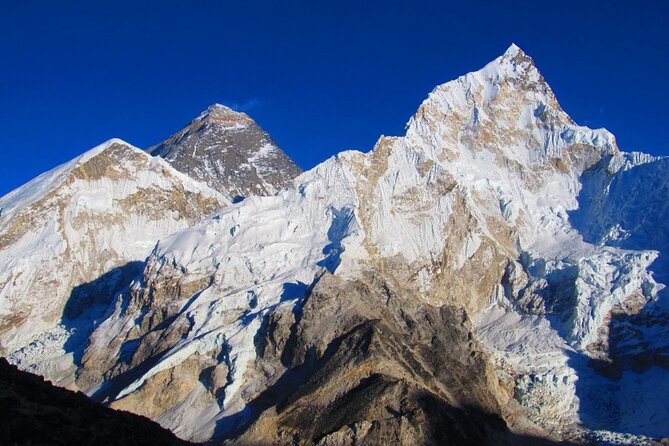
The Everest Base Camp trek works because it’s not just about walking upward. You’re moving through a chain of villages—Phakding, Namche Bazaar, Tengboche, Dingboche, Lobuche, Gorak Shep—where each day earns the next. You’ll feel the altitude most on the days that cross higher passes and viewpoints, but the itinerary repeatedly gives you reasons to slow down and breathe.
What I like is that you’re not thrown straight into suffering. There’s an acclimatization day in Namche Bazaar, plus another hike-based acclimatization in Dingboche. That matters because the Everest region punishes quick climbs and rewards patience.
The tradeoff: you’ll still be hiking hard, just in a smarter order. Expect fatigue to build day by day, not all at once. Your legs will do their job, then ask for a quiet corner at night.
You can also read our reviews of more tours and experiences in Kathmandu.
Kathmandu to Lukla: your first altitude check and the Ramechhap twist
Day one starts with a short flight to Lukla (about 40 minutes), then a trek into Phakding at 2,652m for 3–4 hours. Even if the flight is short, it’s still an altitude moment; once you’re walking, you’ll feel the air being thinner and your breathing changing.
Here’s the big seasonal detail: during peak seasons (Mar–May and Sep–Nov), flights to Lukla run from Ramechhap Airport because of air traffic in Kathmandu. That adds a 5–6 hour drive from Kathmandu, and you have two choices: go to Ramechhap the day before and stay overnight, or leave Kathmandu at 1 AM on flight day. Both are doable, but you’ll want to choose the option that protects your sleep and your first-day energy.
A practical tip: treat day one like warm-up work, not a fitness contest. Lukla-to-Phakding is long enough to settle your rhythm and get your pack feeling normal. If you start too fast, day two will feel harder than it needs to be.
Phakding to Namche Bazaar: the gateway village that changes the trip
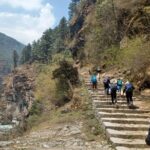
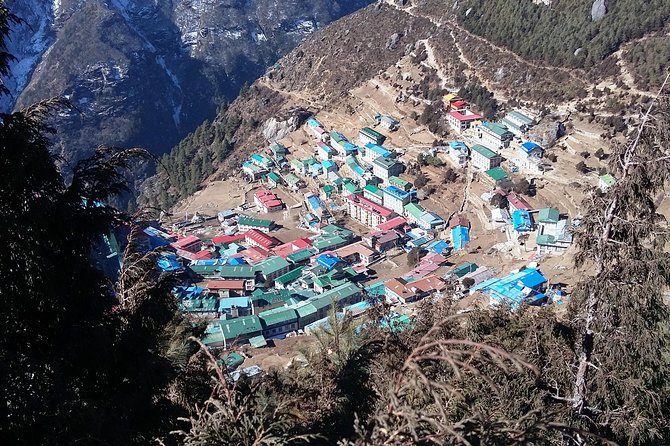
Day two moves from Phakding to Namche Bazaar at 3,440m for 6–7 hours. This is often where the Everest region starts to feel real—bigger views, busier trails, and the kind of scenery that makes you forget how tired you are for a minute.
Namche is also the place where the trek shifts from “I’m hiking” to “I’m adapting.” Namche Bazaar is your gateway to the higher country, and you’ll spend time there rather than racing past it. That’s valuable because you’ll need time to adjust to the thinner air before higher elevations start taxing you more noticeably.
If you’re the type who likes structure, Namche will feel like a reset point. If you’re the type who hates waiting, Namche will still make you wait—just with better reasons than most pauses on hikes.
Namche acclimatization and the Everest View Hotel day hike
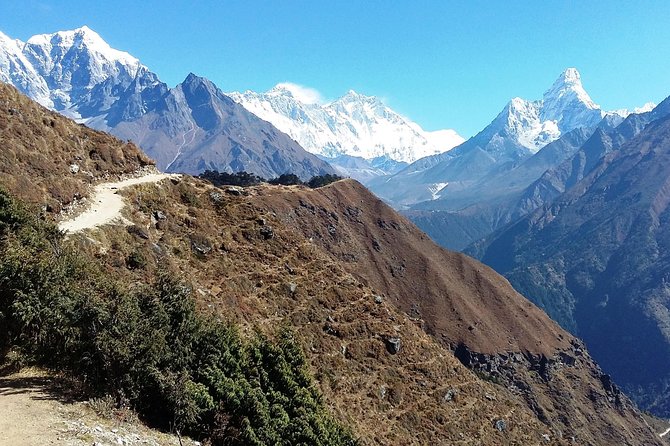
On day three, you stay in Namche for acclimatization, then hike up to the Everest View Hotel at about 3,900m for roughly 3–4 hours. This is a smart move: you get higher without pushing to the hardest elevations too early. You’re building comfort with altitude rather than gambling with it.
Day three is also where the trek tends to reward your effort with perspective. You’ll start seeing how the Everest region is layered—valleys, ridgelines, and the glacier-carved scale of it all. It’s the kind of day that makes tomorrow’s work feel like it has a point.
One consideration: acclimatization days can still feel tiring. Your goal isn’t to win the hike; it’s to keep yourself in a good condition. Move steadily and give yourself permission to take breaks before you feel you need them.
Tengboche Gompa: culture, calories, and a calmer pace
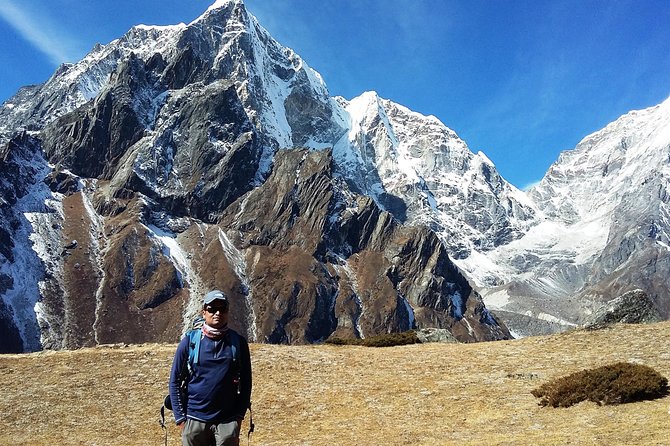
Day four is Namche Bazaar to Tengboche at around 3,860m (5–6 hours). Tengboche is known for Tengboche Monastery (Gompa), a major religious site in the region. After days of focusing on breath and step rhythm, the monastery gives you a mental reset.
This stop is special for two reasons. First, it breaks the “only altitude, only rocks” feeling by adding a cultural anchor. Second, it’s a good location for slowing your pace without losing progress.
You’ll likely notice that in the higher country, even a short rest can feel productive. Rest here helps because day five heads further upward to Dingboche.
Dingboche and the second acclimatization: the smarter way to go high
Day five takes you from Tengboche to Dingboche at about 4,410m (5–6 hours). Dingboche is a step up in altitude stress. You’ll feel it in breath, appetite, and how heavy your legs seem.
Day six is an acclimatization day with a hike to Nagarjun Hill (about 5,100m) for 4–5 hours. This is how you prepare for the push toward the 5,000m+ zone. You climb, you come down, and you give your body a chance to adjust. It also helps you learn your personal rhythm at higher altitude, which is more useful than any motivational speech.
If you’re prone to going too hard on “good feeling” days, keep an eye on that instinct here. The hill hike is part of your preparation, not a test.
Lobuche to Gorak Shep: the days where Everest gets close
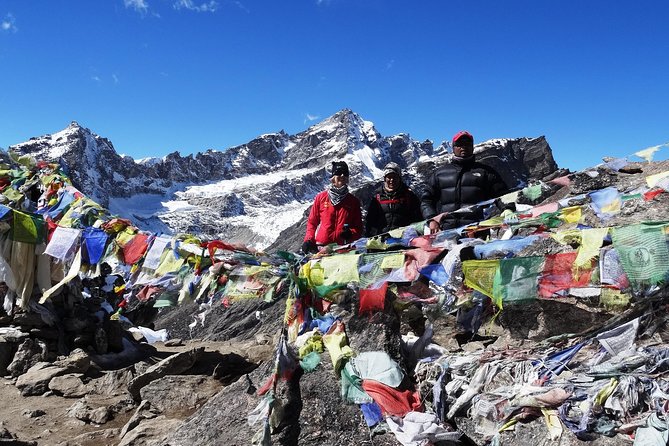
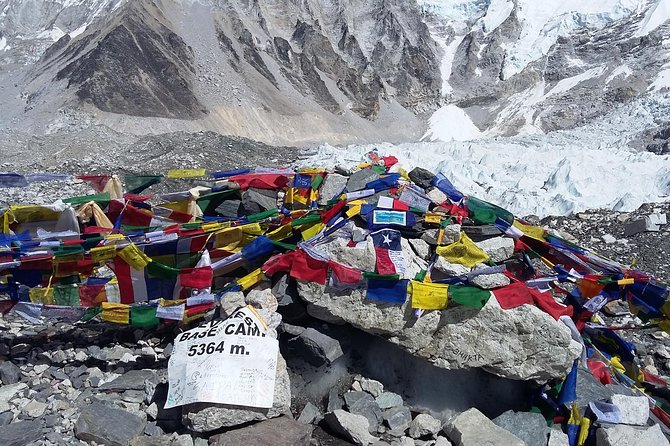
Day seven moves Dingboche to Lobuche at about 4,910m (4–5 hours). Day eight is the long day: Lobuche to Gorak Shep, then on to Everest Base Camp at 5,320m for a total of about 7–8 hours.
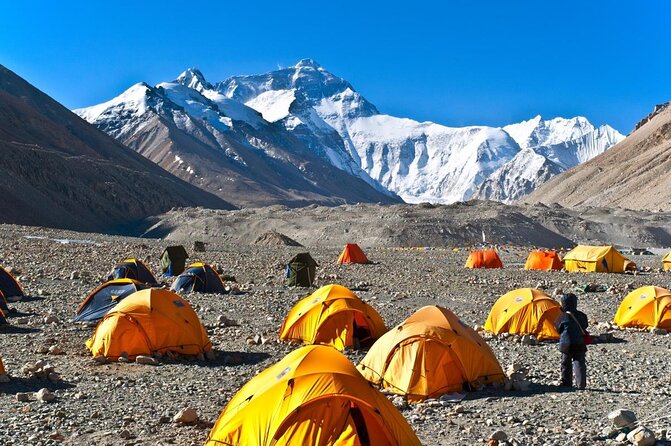
Gorak Shep is where the trek starts to feel more remote. You’re not far from the glacier world now. When you reach Everest Base Camp, you’re standing in the staging zone that anchors expedition logistics. The visuals are intense because you’re seeing the ice and the mountains in a tight frame, with less “village distraction” than earlier days.
The drawback on this day is fatigue management. It’s a big time commitment, and altitude makes pacing harder. If you’re carrying extra weight, you’ll feel it more here. Keep your pack light where possible, and plan to keep your effort smooth rather than fast.
Kala Pathar at 5,550m: the view and the price you pay
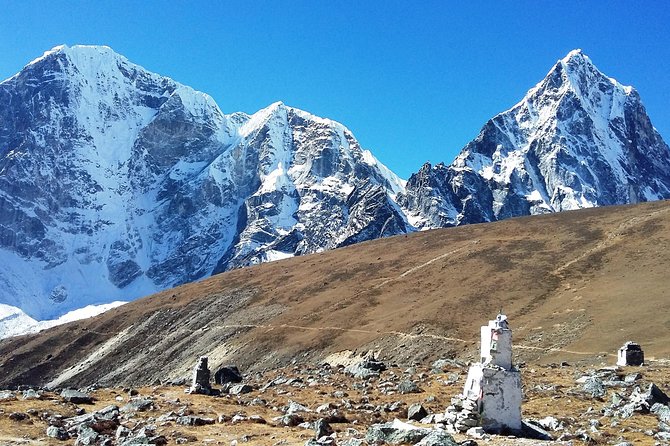
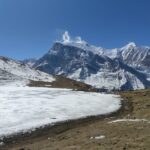
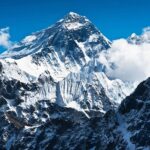
Day nine is Gorak Shep to Kala Pathar (about 5,550m), then down to Pheriche at around 4,371m for roughly 6–7 hours. This is the trek’s signature viewpoint, and it’s the kind of climb that comes with a clear trade: you work hard at high altitude for close Everest views and a wide panorama across the Khumbu mountains.
Kala Pathar is also where you’ll learn the feel of thin air. Your legs might be okay, but your breathing will be the limiter. Take it slow enough that you still feel in control at the top.
Then you descend to Pheriche. That’s good news for recovery, because the next day brings you back toward Namche. But the “good news” doesn’t erase the fact that you earned every step.
Pheriche to Namche and the Lukla exit: don’t underestimate the descent
Day ten goes Pheriche to Namche Bazaar for about 6–7 hours, dropping back down to around 3,440m. It’s a long hike, but it’s mentally easier than the high point days. Use it to reset: eat well, drink what you can, and keep your pace controlled.
Day eleven is the return to Lukla with a long walk of about 6–7 hours back to Lukla (the provided plan lists Lukla at a low elevation, so you’ll likely spend lots of time descending). After so many days of altitude adjustments, the descent can feel strange: it can be easier on breathing but harder on knees and ankles.
Day twelve is the final flight back to Kathmandu. You’ll arrive tired and satisfied—the classic Everest outcome. Your body will know it did something big, even if your mind is already sorting photos.
Gear and lodge setup: what’s included (and why it matters)
This trek includes a lot that can save you money and stress if you travel light. You get a duffle bag, down jacket, sleeping bag, and walking pole. That’s not a tiny detail. In Everest country, the cold is real, and having the right insulation reduces the temptation to keep walking through discomfort.
You also get guest-house accommodation based on twin sharing, plus breakfast, lunch, and dinner during the trek. That cuts down on daily decision-making and budget surprises. You’ll still pay for drinks and extra items, but your main meals are handled.
The included permits and fees are also worth noting: trek permit and fees are covered, which helps you avoid last-minute paperwork headaches.
One practical reality: you should still plan on buying or paying for the non-included stuff like phone use, internet, laundry, battery charging, hot showers, and drinks. The included meals cover the core fueling, not every convenience.
Price and logistics: $1,600 is the value question
At $1,600 per person for 12 days, the question isn’t just whether it sounds expensive. It’s what you’re getting for that money and how much the structure reduces risk and friction.
You’re paying for a package that includes: flights between Kathmandu/Ramechhap and Lukla, guest-house lodging, all three trek meals per day, a government-licensed guide, permits, and key cold-weather gear. If you were to piece this together yourself, the hardest parts to manage are often the schedule tightness, permits, and having the right gear at the right time.
Also, the operational choices matter. Pickups and drop-offs are included on a sharing basis, and the trek is described as private for your group, which can make communication smoother on trail days. You’ll have fewer awkward moments when you’re already managing altitude and fatigue.
My honest take: this price feels most fair if you want a guided, organized experience and you don’t want to shop for gear or negotiate day-to-day logistics. If you like total DIY and you already own winter trekking layers and sleeping gear, you might spend less elsewhere. But you’ll spend time, and possibly stress.
The guide and crew factor: clarity each evening
A strong theme from past experiences with this company is how well the team handles care and communication. People praised the guide and porter support as attentive and helpful, and they noted that the guide shares an overview for the next day in the evening. That rhythm helps on a trek like this because you can prepare your head before the next climb hits.
One review thanked Bharat and mentioned an Ana-led experience, which suggests the company’s staff matters, not just the itinerary. Even without knowing which individuals you’ll meet, the takeaway for you is practical: the best treks are the ones where your guide keeps the plan clear.
On the trail, “clear” means you know where you’re going, how long it may take, and what to watch for. That can reduce anxiety more than you’d expect.
Who should book this Everest Base Camp trek (and who should reconsider)
This trek suits people with moderate physical fitness and it says no prior experience is needed. You don’t need to be a mountaineer. You do need to be willing to walk several hours a day, take altitude seriously, and keep your effort steady.
It’s a good match if you want:
- a guided route with acclimatization built in
- covered logistics around permits, meals, and lodges
- included cold-weather gear so you can travel lighter
It might be a mismatch if:
- you hate early starts and long travel days to Ramechhap
- you’re not comfortable managing altitude pacing
- you want lots of hotel-style comfort or private bathrooms (teahouse trekking is simple by design)
Also, altitude is still altitude even with a well-made plan. If you have medical concerns, you should talk with your doctor and plan for insurance and emergency planning on your own. Rescue and helicopter costs are not included.
Should you book this 12-day Everest Base Camp trek?
If you want Everest Base Camp without turning your trip into a logistics project, this is a strong option. The itinerary makes sense for acclimatization, the inclusion list is broad, and the guide-and-crew approach seems built around keeping you informed and supported.
I’d book it if you can handle the flight-season reality and you’re ready for teahouse life. I’d think twice if you’re aiming for the easiest schedule possible or you’re sensitive to very early starts.
One last practical suggestion: pack for cold nights, plan to drink and eat steadily, and treat each day’s walk as part of a bigger process. Everest rewards consistency more than speed.
FAQ
FAQ
How early is the meeting time?
The meeting point is listed with a start time of 5:15 am.
Where do flights to Lukla operate from during peak seasons?
During peak seasons (March to May and September to November), flights to Lukla operate from Ramechhap Airport due to high air traffic in Kathmandu.
What is the highest point on this trek?
The itinerary includes Kala Pathar at about 5,550 meters.
What’s included in the trek price?
Included are pickup and drop-off on sharing basis, flight fare Kathmandu/Ramechhap to Lukla and back, twin-sharing guest-house accommodation, breakfast/lunch/dinner during the trek, a government-licensed guide, permits and fees, and trek gear like a down jacket, sleeping bag, and walking pole.
What is not included?
Not included are rescue or helicopter costs, insurance, personal expenses (such as phone calls, internet, laundry, hot showers), drinks, tips for the trek crew, and a porter if needed.
How are accommodations arranged?
Accommodation during the trek is in guest houses/lodges based on twin sharing.
Is free cancellation available?
Yes. Free cancellation is available if you cancel at least 24 hours before the experience start time, with a full refund.