REVIEW · LUKLA
Everest Base Camp Trek from Lukla
Book on GetYourGuide →Operated by Peregrine Treks and Expedition P Ltd · Bookable on GetYourGuide
Lukla to Everest feels fast and raw. This 12-day Everest Base Camp trek from Lukla is built for big scenery and real village life, with Kala Patthar sunrise as a major payoff and small-group support from an English-speaking guide and porters to keep you moving. The main drawback to plan for: the trek is long, at altitude, and tea house comfort is basic—so you’ll need patience, not luxury.
I like how the route threads culture and geography together: Sherpa life in Namche Bazaar, prayer on the rise at Tengboche Monastery, then the high, spare terrain that leads you toward Everest Base Camp. You’ll walk most days for about 5–7 hours, with some days scheduled closer to 8 hours, and you also get built-in acclimatization days so you’re not just grinding higher.
In This Review
- Key highlights worth planning for
- Lukla Start: What Makes This Trek Different From Other Everest Routes
- Day 1 to Phakding: Dudh Koshi River Bridges and Forest First Steps
- Namche Bazaar Acclimatization Days: Markets, Views, and Breathing Smart
- Rhododendrons to Tengboche Monastery: Ama Dablam Framed in Prayer
- Dingboche and Lobuche High-Altitude Reality Check
- Gorakshep, Everest Base Camp, and the 5,364m Milestone
- Kala Patthar Sunrise at 5,545m: Your Reward and Your Responsibility
- Return to Lukla: Same Trails, Cleaner Mind
- Price and Value: What $466 Covers and What It Doesnt
- Support That Actually Helps: Guides, Porters, Meals, and WhatsApp Prep
- Packing for the Khumbu: Your Short List That Prevents Suffering
- Who This Trek Fits (and Who Should Skip It)
- Should You Book This Everest Base Camp Trek from Lukla with Peregrine Treks?
- FAQ
- Where does the trek start?
- How long is the Everest Base Camp trek from Lukla?
- How long do you hike each day?
- Is acclimatization included?
- What is included in the package price?
- What is not included?
- How big is the group?
- What should I bring for the trek?
- Who is this trek not suitable for?
Key highlights worth planning for
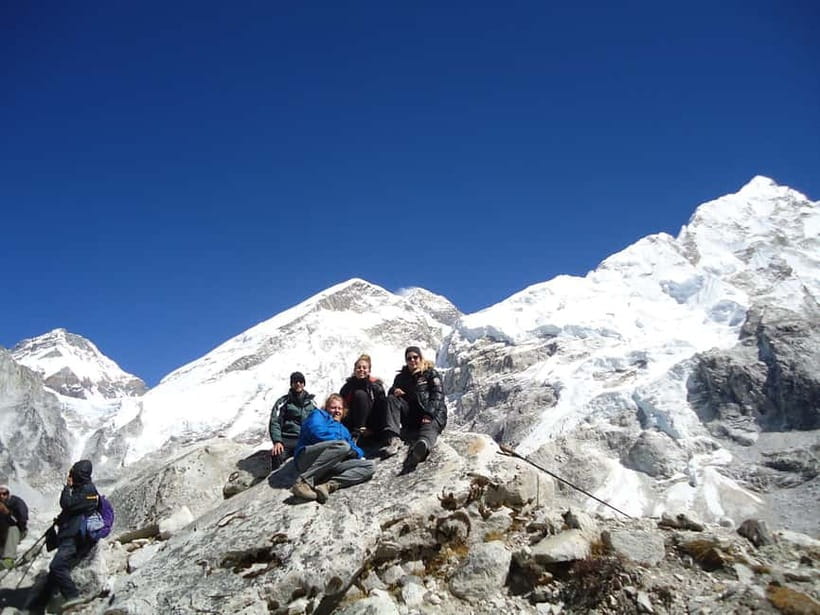
- Lukla arrival energy: Start at Tenzing-Hillary Airport, then switch to the Lukla airstrip buzz before your first day on trail.
- Namche Bazaar rest day with real rewards: Markets, local life, and mountain views while you acclimatize.
- Tengboche Monastery with Everest-area backdrops: Rhododendrons and pine on the way up, then prayer with Ama Dablam, Everest, and Lhotse in view.
- Altitude included on purpose: Dingboche acclimatization, plus extra breathing-room planning as you gain elevation.
- Everest Base Camp at 5,364m: A clear milestone at the place your legs have been working toward.
- Kala Patthar at 5,545m for sunrise-style views: The best vantage point on this route, especially early in the day.
Lukla Start: What Makes This Trek Different From Other Everest Routes
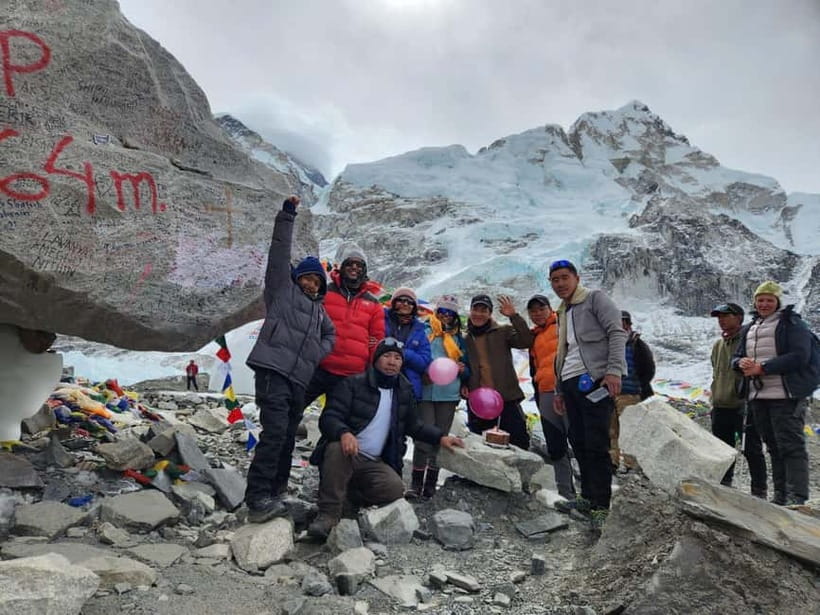
This trek earns its reputation before your boots even hit the trail. You’re starting in the Everest region at Lukla, after flying in from Tenzing-Hillary Airport. That matters because it compresses the journey: you go from transport logistics to trail reality quickly, with the Khumbu Valley right there.
Once you’re on the ground, the character of the trip changes day to day. The first stretch is about forests, rivers, and suspension bridges. Then it pivots to Sherpa towns—Namche Bazaar is the big one. Later, the trekking becomes more barren and wide-open as you climb toward higher camps and the EBC area. If you like a trek that has clear phases instead of sameness, this one delivers.
Day 1 to Phakding: Dudh Koshi River Bridges and Forest First Steps
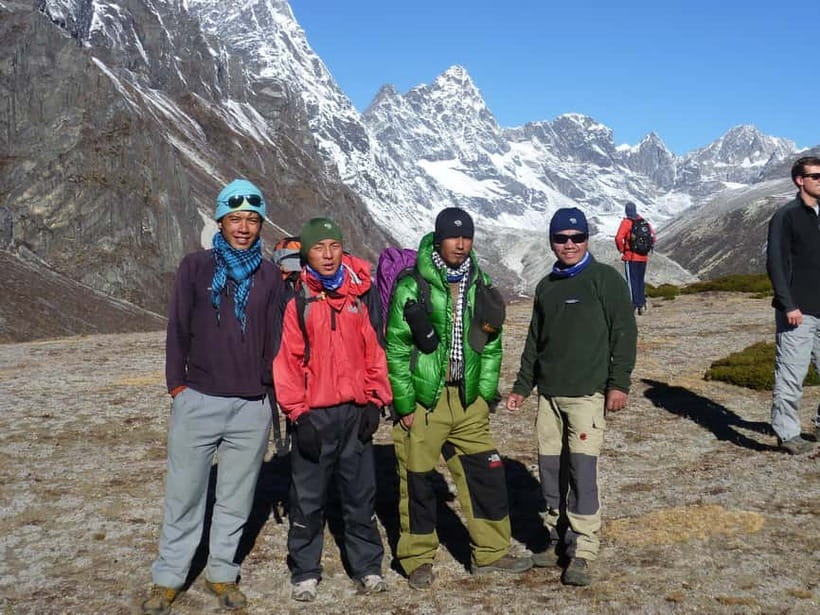
Day 1 walks you to Phakding, a small village along the Dudh Koshi River. The trail here is scenic and green, with lush forest sections and multiple suspension bridges. It’s not the highest day, but it’s a good way to get your rhythm. Your body learns the pattern: uphill effort, careful footing on bridges, and short breaks when the altitude starts to remind you it’s there.
Expect a longish first hiking block (the schedule lists about 8 hours). The upside is that the terrain helps you settle in. You’re not immediately thrown into the steepest grades. You’re also transitioning into the kind of trail Nepal does well: simple dirt paths, frequent tea houses, and villages that feel lived-in rather than staged.
Namche Bazaar Acclimatization Days: Markets, Views, and Breathing Smart
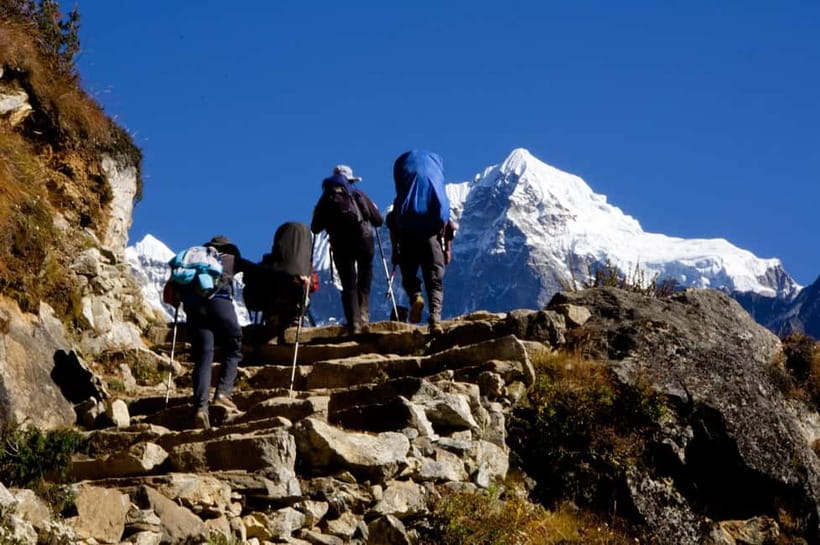
Then comes Namche Bazaar—the Sherpa hub. You hike from Phakding up to Namche on Day 2, and that stop is doing two jobs: you rest and you acclimatize. Namche is famous for its street-life feel, with markets that let you buy small essentials you’ll want along the way (and it’s also where you can mentally reset before higher, quieter days).
Day 3 is your acclimatization day in Namche. That’s not dead time; it’s altitude insurance. It’s when you explore, take in views of nearby peaks like Thamserku and Kongde Ri, and get used to the idea that moving slowly is a strategy, not a failure.
One practical note: ATMs are scarce beyond Namche Bazaar. So if you’re thinking about cash for personal purchases, this is where you plan for it.
Rhododendrons to Tengboche Monastery: Ama Dablam Framed in Prayer
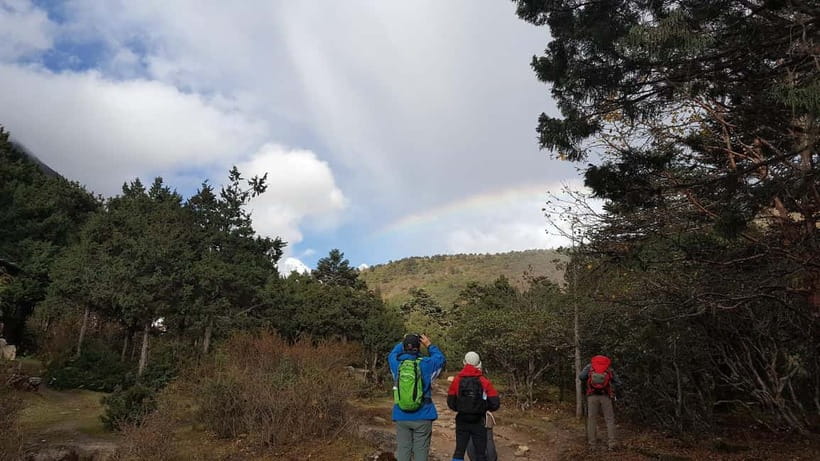
On Day 4, you work your way toward Tengboche, with rhododendrons and pine forests along the climb. This is one of those days where the trek feels like it has a soundtrack: bird calls in the trees, then open views pulling at you as you gain height.
Tengboche is home to the famous Tengboche Monastery, one of the largest in the region. It’s a spiritual stop for both monks and trekkers, and it’s also a view stop. The monastery sits under dramatic backdrops, including Ama Dablam, Everest, and Lhotse. Even if you’re not religious, you’ll feel the meaning of the place. It’s quiet in a way that high mountains make possible.
The hike here is scheduled around 8 hours. The main challenge is that the day blends steady walking with frequent moments of distraction—so pack snacks and don’t burn all your energy trying to take photos every ten minutes.
Dingboche and Lobuche High-Altitude Reality Check
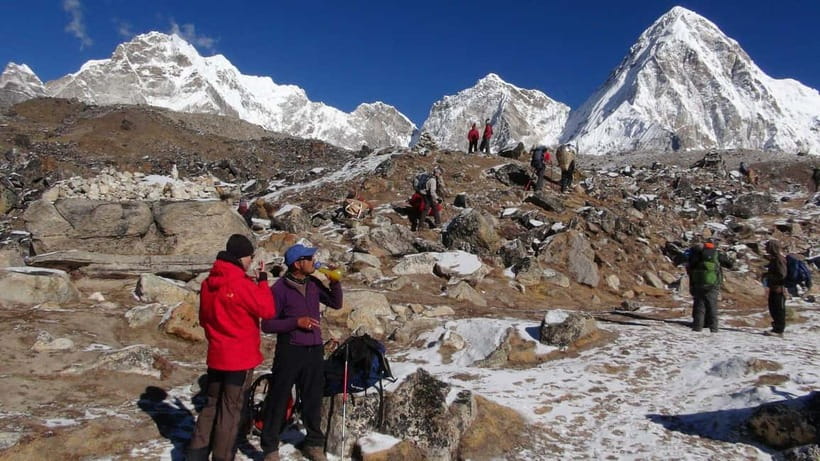
From Tengboche, you head to Dingboche on Day 5, reaching a village at about 4,410 meters. Dingboche is quaint, with big surrounding views, and it’s set up for acclimatization. Many trekking plans add extra time here, and this one includes that idea right in the middle: Day 6 is another acclimatization day.
Those acclimatization days matter because the trekking gets more serious afterward. By Day 7, you move toward Lobuche, a remote settlement surrounded by towering peaks. The altitude is higher, and the scenery shifts toward more barren terrain. That change is normal here, but it can also feel psychologically different: fewer trees, less cover, more exposure to wind and cold.
This section is where your pacing counts. Walk steadily, drink water, and keep your exertion controlled. If you feel like you’re racing, slow down. The Khumbu is not a place to win a walking contest.
Gorakshep, Everest Base Camp, and the 5,364m Milestone
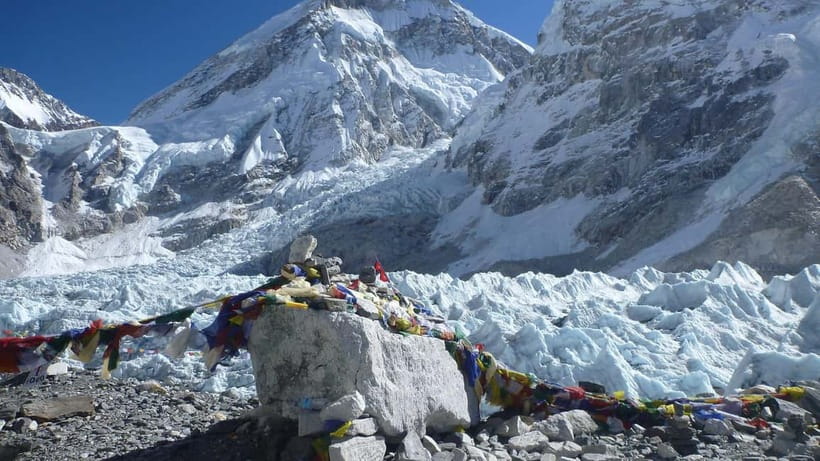
Day 8 is Gorakshep, the final stop before the push to Everest Base Camp at 5,364 meters. This day often carries a special kind of focus: you’re close enough to the goal that every breath feels like part of the story.
After you reach Gorakshep, you continue to Everest Base Camp. The payoff is described clearly for a reason: EBC is all about proximity to the Khumbu Icefall area and the towering peaks around it. Even without technical climbing, being there gives you a sense of scale that you don’t get from photos.
One useful mindset: treat the high part of the day like a careful workday. The air is thin. Your body spends energy simply existing. Take breaks, keep your eyes on your footing, and don’t let excitement make you move too fast.
Kala Patthar Sunrise at 5,545m: Your Reward and Your Responsibility
Day 9 is Kala Patthar at 5,545 meters, with sunrise-style views often cited as the highlight. If you’re choosing between naps and sunrise, sunrise usually wins on this route. The morning hike gives you the best vantage point for seeing Everest and the surrounding giants.
Just remember: Kala Patthar is not a casual stroll. It’s high and exposed. Bring warm layers and take it slow. Sunrise looks better when you’re still upright and not freezing while rushing.
After Kala Patthar, you trek back to Pheriche for the night. The return section is a mental trick: you’ll feel like you’re moving backward after such a big high point. But it’s strategic. It helps you settle your body after altitude stress and sets you up for the descent days ahead.
Return to Lukla: Same Trails, Cleaner Mind
Day 10 brings you back toward Namche, retracing the route through the villages. Day 11 continues down to Lukla. This is when the trek changes from an achievement grind to a reflection walk. You’ll recognize parts of the trail and see them with fresh eyes.
One benefit of retracing: you can compare what you felt each day. Early on, you might have been counting hours. Later, you notice details—how villages are arranged, how the trail feels different as the air warms, and how your breathing becomes calmer when altitude drops.
Also, descending is still work. Ankles and knees get their own kind of fatigue. Take short steps on downhills, and use trekking poles if you have them. The mountain will get your attention on the way down too.
Price and Value: What $466 Covers and What It Doesnt
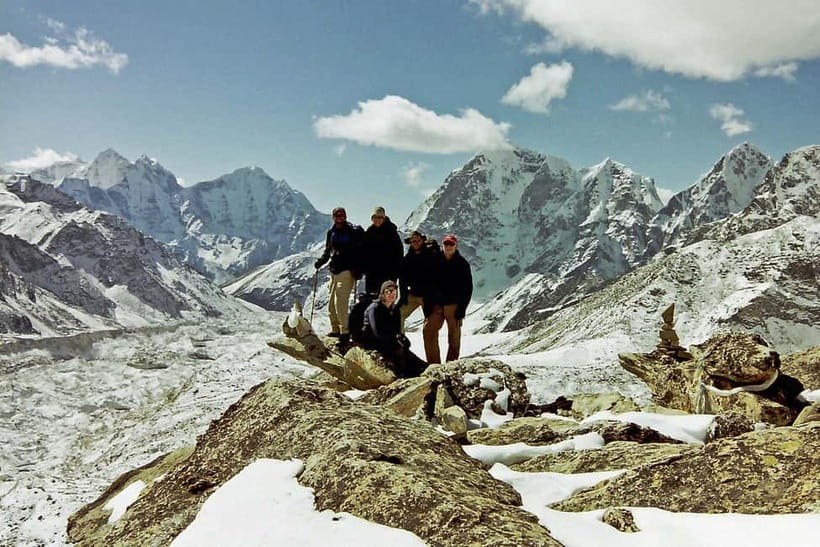
The listed price is $466 per person for 12 days, and that matters because the package includes several costs that are easy to forget:
Included:
- English-speaking guide
- Tea house accommodation
- Permits and entrance fees
- Porter service
- First aid kit
- Applicable taxes
Not included:
- Flights (including getting into Lukla)
- Travel insurance
- Personal expenses (laundry, beverages, internet, etc.)
- Visa fees
So the value equation is pretty straightforward: you’re paying for the coordination and the core trekking services, not the travel to Nepal or personal spending. The biggest “hidden” budget items on Everest itineraries are usually flights and insurance. If you already have solid high-altitude travel insurance and you’re comfortable handling your own flight ticket, then this looks like a fair package for organized trekking support and logistics.
Support That Actually Helps: Guides, Porters, Meals, and WhatsApp Prep
The support here is a big part of why people come out saying the trek felt seamless. Teams have been responsive after booking, including WhatsApp-style meetings to get you prepared. That’s not just friendly—it’s practical on an Everest trip, where the schedule depends on things like weather and flight timing.
In particular, guides named in feedback include Tirtha, and Pradip is also mentioned as part of the team that helped make the experience unforgettable. Porters get real praise, too. The main point for you: porters are not there to show off. They’re there so you can concentrate on your own pacing, especially when the air gets thin.
Meals are also handled during the trek. Tea houses are basic, but you’re not left starving. Dal bhat comes up as a reliable fuel choice. The way you eat on Everest matters because good meals help you keep moving without burning through your energy too fast.
One optional time-saver you might hear about: some groups arrange a helicopter ride from Lobuche to Kathmandu to save about three trekking days. That’s not listed as standard in the core package, so treat it as an add-on idea, depending on costs and availability.
Packing for the Khumbu: Your Short List That Prevents Suffering
The tour guidance is simple, and I agree with it. You want gear that handles cold, sun, and changing weather. Basic packing list:
- Comfortable shoes
- Warm clothing
- Hat
- Camera
- Snacks
- Sunscreen
- Water
A few practical habits to use:
- Bring sunscreen even if it looks cloudy; high altitude still burns.
- Pack snacks for the days you feel hungry but also busy. Tea houses can only serve so fast between steps.
- Carry water and keep sipping. Thirst can trick you at altitude.
Also, know what you should not bring. Alcohol and drugs are not allowed, and littering is not your thing on this trail.
Who This Trek Fits (and Who Should Skip It)
This is a serious trekking itinerary, so it fits best with people who can handle:
- Walking around 5–7 hours daily (some scheduled days list longer hike times)
- Altitude acclimatization days included, but still real altitude effort
- Tea house stays with basic comfort
It’s not suitable for:
- Pregnant women
- People with mobility impairments
- People with heart problems
- People prone to seasickness
If you’re healthy, steady on your feet, and want both mountain views and Sherpa culture, this trek is a strong match. If you’re looking for an easy stroll with minimal altitude stress, you’ll likely find this too demanding.
Should You Book This Everest Base Camp Trek from Lukla with Peregrine Treks?
I’d book this style of EBC trek if you want a well-supported route that hits the key landmarks: Phakding, Namche Bazaar, Tengboche Monastery, Dingboche, Lobuche, Gorakshep, Everest Base Camp, and Kala Patthar. The small group size (limited to 10 participants) and the porter + guide setup make the high days more manageable, and the acclimatization days help you tackle altitude like a plan, not a gamble.
I would not book it if you’re counting on luxury comforts, or if you can’t handle long walking days at altitude. Also, budget for flights and insurance separately—those are the two big “you still need this” items.
If you want Everest with structure, clear goals, and enough support to keep you safe and moving, this one is a solid choice.
FAQ
Where does the trek start?
You start at Tenzing-Hillary Airport and then connect to Lukla, where the trek begins.
How long is the Everest Base Camp trek from Lukla?
The trek duration is 12 days.
How long do you hike each day?
The trek involves walking about 5–7 hours daily, and the planned hiking blocks also list days around 8 hours depending on the route segment.
Is acclimatization included?
Yes. Acclimatization days are included, including a day in Namche Bazaar and another in Dingboche.
What is included in the package price?
The package includes a professional English-speaking guide, tea house accommodation, permits and entrance fees, porter service, a first aid kit, and applicable taxes.
What is not included?
Flights, travel insurance, visa fees, and personal expenses such as laundry, beverages, and internet are not included.
How big is the group?
This is a small group limited to 10 participants.
What should I bring for the trek?
Bring comfortable shoes, warm clothing, a hat, a camera, snacks, sunscreen, and water.
Who is this trek not suitable for?
It is not suitable for pregnant women, people with mobility impairments, people with heart problems, and people prone to seasickness.