REVIEW · CHIANG RAI
Chiang Rai Jungle Trek & Bamboo Tube Cooking Adventure
Book on GetYourGuide →Operated by R U tour and trek · Bookable on GetYourGuide
Jungle trails and hot springs in one day. I love the bamboo tube cooking lunch and the chance to cool off with a waterfall swim, all while seeing how people live in the mountains. The one catch is simple: it is a moderate hike with about 10–12 km of walking, so good footwear and a steady pace matter.
What makes this day trip feel special is the mix of nature plus human stories. You’ll walk through bamboo forests, visit Lisu, Akha, and Lahu villages (plus Chinese villages and a tea plantation), then end with downtime in Pasoet’s hot spring pools. It’s a small group (limited to 8), guided in English, which makes it easier to ask questions and keep the day from feeling like a rushed highlight reel.
In This Review
- Key Points to Know Before You Go
- Why This Chiang Rai Day Trip Feels Like More Than a Trek
- Getting to the Trailhead: Hotel Pickup and a Fast Start
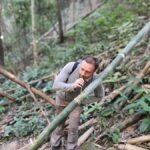
- Walking Through Bamboo Forests and Village Visits
- Tea, Bamboo, and Bamboo Tube Cooking Lunch
- Waterfall Swim: The Best Kind of Midday Reset
- Pasoet Hot Springs: Soaking After the Walk
- The Pace, the Weather, and What You Really Need to Bring
- English Guide + Small Group = A More Human Day
- Value for $58: What You’re Paying For (and What You Might Pay Extra)
- Who Should Book This Tour (and Who Might Skip It)
- Should You Book Chiang Rai Jungle Trek & Bamboo Tube Cooking Adventure?
- FAQ
- How long is the Chiang Rai Jungle Trek & Bamboo Tube Cooking Adventure?
- What price should I expect for this experience?
- Is the tour mostly walking?
- Does the tour include swimming?
- What’s included in the price?
- What should I bring with me?
- Is the guide language English?
- Who is this tour not suitable for?
Key Points to Know Before You Go

- Small group size (up to 8) makes the guide’s explanations feel personal rather than scripted.
- Bamboo tube cooking turns lunch into an activity, not just fuel on the move.
- Tribal village visits add context to what you see in the countryside, not just photos.
- Waterfall swimming gives you a real mid-day reset after trekking.
- Pasoet hot springs are built for recovery after long walks in the humidity.
Why This Chiang Rai Day Trip Feels Like More Than a Trek

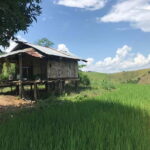
This isn’t just a hike with pretty scenery. It’s a full day where the countryside shapes everything you do: you start in the Chiang Rai region with a transfer, head into mountain paths and bamboo areas, and build your rhythm around food, swimming, and soaking. The best version of this tour is the one that stays curious—watch how the day is paced so you can learn without feeling trapped in a schedule.
Two parts make the experience particularly memorable for me: the bamboo-cooking lunch and the hot springs finish. Cooking in bamboo changes how you think about Thai food methods because you’re watching a practical technique, not just hearing about it. And after walking through hills and jungle paths, the hot spa pools feel like a reward you actually earn.
The other advantage is balance. You get cultural stops (Lisu, Akha, Lahu, plus Chinese villages), but you also get nature time that isn’t museum-like. You’re moving, stepping into different landscapes, and then cooling off in water that actually feels refreshing.
You can also read our reviews of more tours and experiences in Chiang Rai.
Getting to the Trailhead: Hotel Pickup and a Fast Start
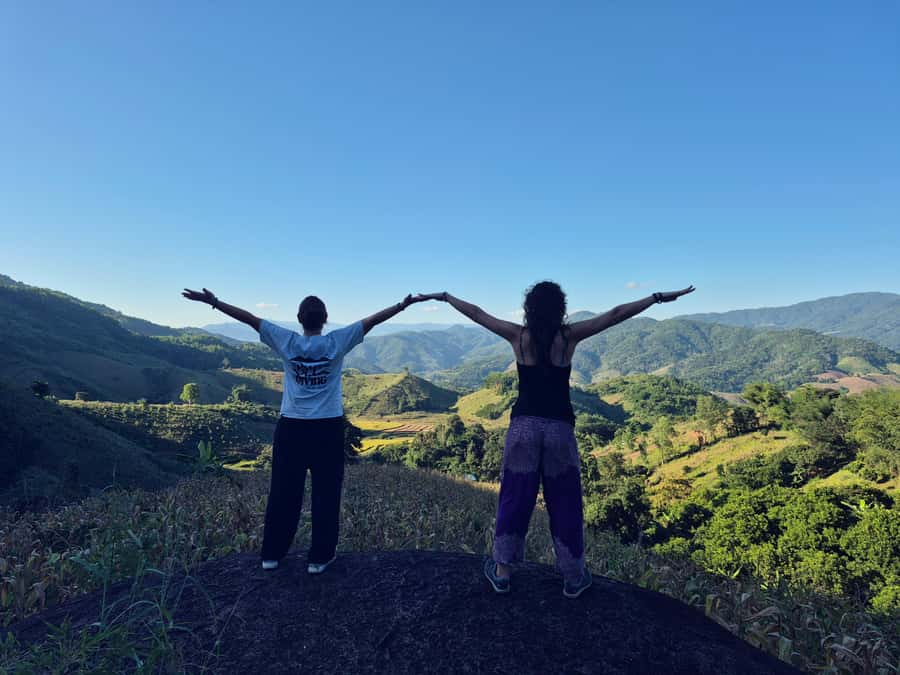
Your day typically begins with pickup from your hotel in Chiang Rai. The meeting point is your hotel lobby, as long as you’re within about 3 kilometers of the pickup area, and the tour returns to the same general starting point at the end.
From there, you’ll drive into the area and get going. The total trip time is about 8 hours, with walking taking up roughly 5–6 hours of that day. That mix matters. If you hate being stuck on a vehicle for long stretches, this plan is designed to keep your time on foot meaningful, but not so extreme that you’re exhausted before the fun parts.
One detail worth planning around: you’ll want to be ready for different temps. Even if the sky looks calm, you can move from sun to shade under bamboo and in forest paths, then end up near water. Pack layers you can manage quickly.
Walking Through Bamboo Forests and Village Visits

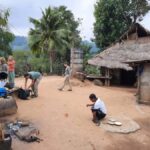
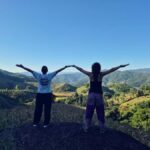
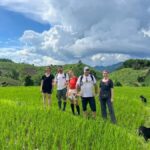
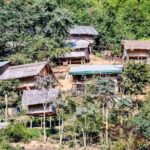
The trek runs through mountains and bamboo forests, and it’s designed so you’re not only looking at scenery—you’re also learning the local way of life. You’ll visit multiple communities, including Lisu, Chinese villages, and later the Akha and Lahu villages.
Here’s what that means on the ground:
- Lisu and Chinese village stops give you a first look at rural mountain life in the Chiang Rai region. You’re likely to see everyday materials, local routines, and how villages relate to their surrounding land.
- Tea plantation time adds a “how food gets made” layer to the day. If you like understanding where your drink or snack comes from, this portion helps connect the countryside to something you can actually taste later.
- Akha and Lahu village walking continues the story deeper into the hills. The value isn’t just cultural observation—it’s that the trek route keeps you moving, so you experience the landscape as part of the communities’ lives, not as background wallpaper.
A respectful note that matters here: you’re expected not to touch plants, and you should avoid behavior like littering or making fires. Bring long pants and a long-sleeved shirt partly for comfort, partly so you can move calmly through areas where plants and terrain are part of daily life.
Also, expect insect encounters in forested areas. The tour data calls for insect repellent, and that’s not just a formality. In humid jungle country, you’ll feel it quickly if you forget.
Tea, Bamboo, and Bamboo Tube Cooking Lunch

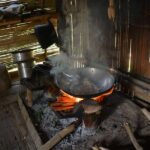
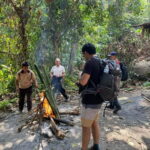
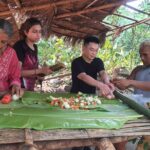
Lunch is a highlight, and not the boring kind. You cook a traditional Thai meal using bamboo—meaning the cooking method itself becomes the show.
Why this works so well: cooking by bamboo is hands-on and visual. Even if you already like Thai food, you’ll probably pick up small technique insights: how ingredients are handled, how heat and timing work in a natural setup, and how local materials fit local cooking. It turns lunch into part of the learning arc of the day, not just a timed break.
The day’s structure also helps. You reach the lunch moment after trekking through paths and village areas, when you’re hungry enough to actually enjoy the meal rather than just tasting it. And because the tour includes lunch, you’re not juggling cash or searching for food options mid-trek.
Practical tip: bring water and plan for humidity. Bamboo cooking can be fun, but it doesn’t magically erase the need to hydrate before and after cooking time.
Waterfall Swim: The Best Kind of Midday Reset

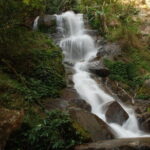
After lunch, you continue toward the waterfall area. Then comes the swim break—cool water that feels like a real reset after walking.
What to expect from this part:
- You’ll reach the waterfall area as part of the guided flow of the day.
- You’ll have a window to swim (the plan includes swimming time around 30 minutes in the waterfall break).
- You’ll also have to manage changing from walking clothes into swimwear and back again.
This is where packing matters most. The essentials are in the provided “bring” list for a reason: swimwear, a towel, and decent shoes that can handle wet ground if paths get slick. If you’re prone to blisters, consider hiking sandals with straps for the swim segment, but only if they match your comfort level on uneven rocks.
One more consideration: you may get sun exposure even if you’re under bamboo for much of the trek. Sunscreen and a hat help a lot.
Pasoet Hot Springs: Soaking After the Walk

The day ends in Pasoet hot spring pools, where you can take a dip in the hot spa water before returning to Chiang Rai. This is the recovery portion of the experience, and it’s scheduled after the longer walking segments.
You’ll also get a guided tour and time to relax in the spa area. There’s swimming time again here (the plan includes a longer spa swim segment of about 1 hour), so it’s not just a quick ankle soak.
A key practical point: hot springs feel amazing, but they can also make you misjudge your water intake. If you’ve spent hours hiking in Thailand’s heat, remember that soaking doesn’t replace hydration. Bring water and keep sipping during breaks.
Also, plan around the fact that swimming ticket costs may apply. The tour includes hot spring swimming in the program, but it notes a swimming ticket around 100 baht. You’ll want a little cash for this.
The Pace, the Weather, and What You Really Need to Bring

This tour’s physical side is real, even if it’s called a “day trip.” The walking distance is about 10–12 kilometers, and the walking time is around 5–6 hours. That means you’ll likely be on trails most of the morning and early afternoon, with structured stops to help you catch your breath.
So pack for a steady trek, not just a casual stroll.
Bring:
- Comfortable hiking shoes (or shoes with grip for uneven paths)
- A hat and sunscreen
- Swimwear plus a towel
- Insect repellent
- Long pants and a long-sleeved shirt
- Rain gear (Thailand weather can change fast)
- Water and snacks
Don’t skip these. In a jungle-like environment, the “small” things become big: wet socks, sunburned shoulders, and itchy legs can ruin a day that otherwise runs smoothly.
And remember the rules:
- No smoking
- No littering
- No making fire
- No touching plants
If you keep those in mind, you’ll move through village spaces with more respect and less awkwardness.
English Guide + Small Group = A More Human Day

One reason this tour tends to score well is the guide style. The experience is led by an English-speaking guide, and the tone you get is friendly—kind, funny, and gentle. That matters because village visits and cooking lessons work best when you can ask questions and get context in plain language.
A big part of the value is that the guide isn’t just a timer. They’re described as knowing local flora really well, which makes the walking time more interesting. Instead of staring at jungle and thinking, I guess that’s green, you start noticing what’s around you and why it matters.
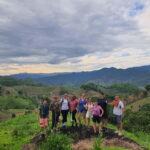
With a small group (up to 8 people), you also get fewer bottlenecks at each stop. That can be a big deal when you’re dealing with narrow paths, photo moments, and village interactions.
Value for $58: What You’re Paying For (and What You Might Pay Extra)

At about $58 per person, you’re buying a full day that blends transport, guidance, and multiple included activities. The package includes:
- Hotel pickup and drop-off
- Guided trek through the countryside
- Visits to Lisu, Chinese, Akha, and Lahu villages
- Tea plantation tour
- Bamboo cooking experience
- Lunch
- Waterfall visit and swimming
- Food for the day
- Hot spring swimming time as part of the program
What might cost extra:
- Alcoholic drinks and soft drinks
- A swimming ticket at the hot spring area, around 100 baht
So is it good value? For most people who want more than one highlight (culture + cooking + two water moments + a guided trek), yes. If you only want one activity—say, just hot springs—then this won’t feel as efficient. But if you like a day that keeps moving and gives you several different memories, this price is fairly matched to what’s included.
Who Should Book This Tour (and Who Might Skip It)
This is a strong match if you want:
- A guided day in the Chiang Rai countryside
- Active time on foot, around 10–12 km
- Cultural village visits plus practical learning (tea, bamboo cooking)
- Real relaxation at hot springs
- A smaller group rather than a big bus crowd
It’s not a good match if:
- You have back problems or mobility limitations
- You are pregnant
- You’re over 70 (the tour lists an age mismatch)
- You have insect allergies
- You need wheelchair access
If you’re generally healthy and comfortable walking for hours, this kind of itinerary can be exactly the right balance of learning and fun.
Should You Book Chiang Rai Jungle Trek & Bamboo Tube Cooking Adventure?
I think this tour is worth booking if you want a day that blends countryside walking with hands-on culture. The bamboo cooking lunch and the hot springs finish are the two big reasons it feels memorable, and the small group size helps you actually connect with what’s happening around you.
I’d book it with confidence if you’re comfortable with a moderate trek and you pack well for sun, rain, and insects. If you’re sensitive to long walking days or you’d rather avoid village visits and prefer only scenery, you might want a different kind of tour.
If you do book: bring your best hiking shoes, keep your pace steady, and treat the swim and hot springs as part of your recovery plan, not an afterthought.
FAQ
How long is the Chiang Rai Jungle Trek & Bamboo Tube Cooking Adventure?
The tour is about 8 hours long.
What price should I expect for this experience?
The price is listed as $58 per person.
Is the tour mostly walking?
Yes. The tour involves moderate physical activity, with total walking distance of about 10–12 kilometers and expected walking duration around 5–6 hours.
Does the tour include swimming?
Waterfall swimming is part of the day, and hot spring swimming is also included in the program. However, a swimming ticket at the hot spring is about 100 baht, so you may need to pay that.
What’s included in the price?
Included are hotel pickup and drop-off, guided trek, village visits (Lisu, Chinese, Akha, Lahu), tea plantation tour, bamboo cooking experience, lunch and food, waterfall visit, and swimming at the hot spring.
What should I bring with me?
You should bring comfortable shoes, hiking shoes, a hat, swimwear, a towel, sunscreen, water, snacks, rain gear, insect repellent, long-sleeved shirt, and long pants.
Is the guide language English?
Yes, the live tour guide is English, and the group is limited to 8 participants.
Who is this tour not suitable for?
The tour data says it is not suitable for pregnant women, people with back problems, people with mobility impairments, wheelchair users, babies under 1 year, people over 70, and those with insect allergies.