One peak, two kinds of magic.
Ecohikes Jindhagada Trek takes you to Seethamma Konda (Jindhagada Peak), the highest point in Andhra Pradesh at about 5,545 feet, set inside the Eastern Ghats near Araku and Paderu where Kondh communities have lived for centuries. What I like most is how the trip feels connected to the landscape, not just a workout, and how Kondh tribal culture shows up in the experience through food and local interaction.
I also love the focus on the night sky: stargazing and night photography are part of the plan if clouds don’t steal the show, plus you camp at a view point on the peak. The trek runs with a wilderness first responder and qualified outdoor guide, and the guides’ support is a big part of why the day feels manageable, especially when you reach the top and need food and water. The main drawback to plan for is weather: the trek requires good conditions, so cloudy skies can reduce the night-sky payoff, and rain can slow everything down.
In This Review
- Key highlights at a glance
- Seethamma Konda: what makes Jindhagada Peak worth the trip
- Rushikonda pickup and the long-day rhythm to Olubidda
- The Coffee Paderu plantation stop: a calm breather before the climb
- Cave and mountain rock exploration with a slow trekking pace
- Camping on the peak: stargazing, night photos, and the sunrise window
- The summit-day payoff: guided care when you’re exhausted
- Kondh culture, tribal lunch, and a chance to cool off in streams
- Price and what $335.65 covers (and what it doesn’t)
- Who should book this trek (and who should reconsider)
- Practical tips for a smoother day on the mountain
- Should you book the Jindhagada Trek with Ecohikes?
- FAQ
- Where does the Jindhagada Trek start and end?
- How long is the trek?
- Does the tour include pickup?
- What meals are included?
- Is a mobile ticket provided?
- Is this a private group experience?
- Is the trek suitable for most people?
- What happens if weather is poor?
- What is the cancellation policy?
Key highlights at a glance
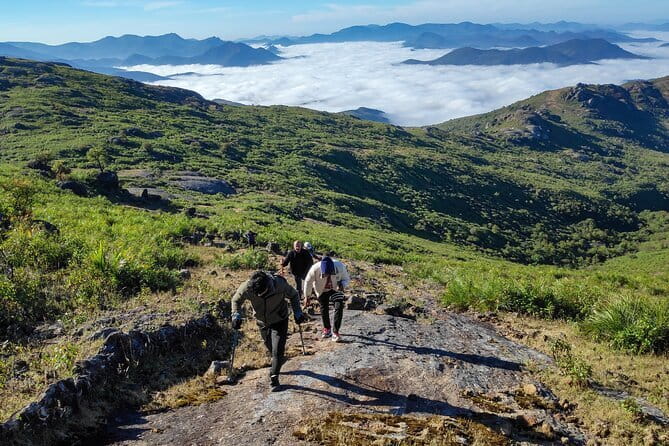
- 5,545-foot summit energy: Jindhagada Peak feels like a proper Eastern Ghats challenge without being a multi-week ordeal.
- Camp at the peak view point: you get a real night on the mountain, not just a quick stop-and-go photo moment.
- Stargazing and night photography when skies are clear: the plan hinges on the weather.
- Coffee Paderu plantation visit: a regional agriculture stop that breaks up the day nicely.
- Guides who keep you comfortable: food, water, and essentials are timed around when you’ll need them most.
- Kondh food and culture on the way back: a more human side of the trek, not only scenery.
Seethamma Konda: what makes Jindhagada Peak worth the trip
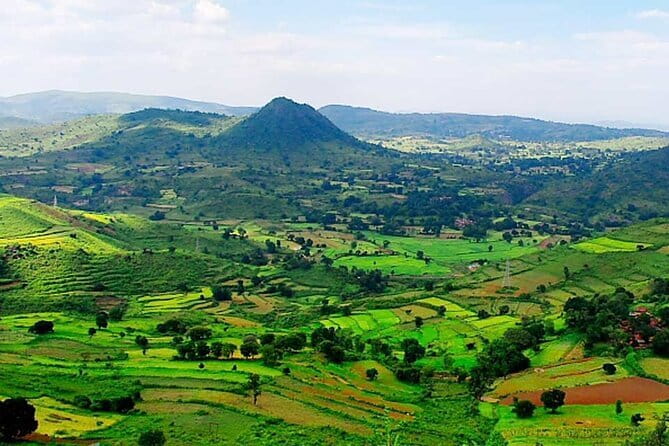
Jindhagada Trek targets Seethamma Konda, also called Jindhagada Peak, reaching around 5,545 feet above sea level. That height matters because it changes the feel of the whole day—cooler air, bigger views, and a mountain-sky experience that feels different from lower hills near the coast.
The other reason this peak is special is cultural geography. The trek sits in the Eastern Ghats region shaped by Araku and Paderu hill ranges, and Kondh tribes have lived there for generations. You’re not just hiking through “nice scenery.” You’re moving through a living landscape where local life, food, and traditions are part of what the day becomes.
If you like your nature trips with a human layer—food, conversation, and local hospitality—this kind of itinerary often lands well. If you want a trek that’s only about polished viewpoints and quick photos, you might find the pace and cultural stops more meaningful than you expected.
Rushikonda pickup and the long-day rhythm to Olubidda
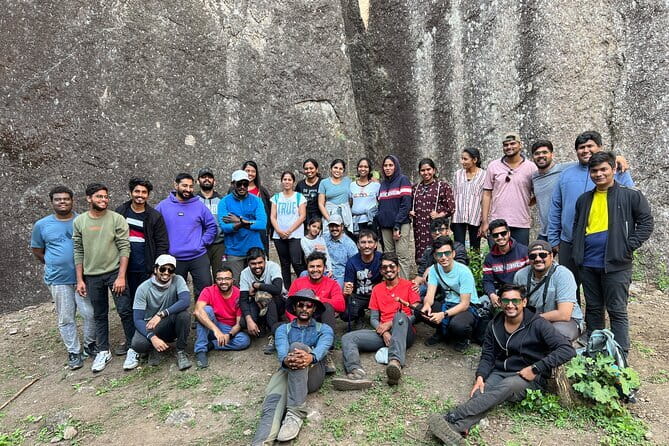
The experience starts in Rushikonda, Visakhapatnam, and ends back at the same meeting point. You’ll get pickup offered, and the outing runs about 1 day and roughly 12 hours—which is long enough to feel like a real trip, not just a morning hike.
That timing shape is important for your expectations. You’ll likely spend a lot of the first half focused on travel and getting into the region near Olubidda village, then switch into hiking mode. Because it’s not a short “trail stroll,” it helps to treat this like an all-day schedule: hydrate early, eat before you get hangry, and don’t rely on willpower alone once your legs start to feel the climb.
The upside of a long-day format is that it leaves room for more than one kind of moment: a plantation visit, cave/rock exploration, mountain camping, and a return that includes culture and food.
The Coffee Paderu plantation stop: a calm breather before the climb
One included highlight is a visit to a coffee Paderu plantation. Even if you’re not a hardcore coffee person, I’d still treat this as a real part of the trek, not a random stop.
Why it’s worth your time:
- It slows the day down before the harder effort.
- It gives context for what you’re seeing in the hills—this region isn’t only forest and peaks, it’s also agriculture shaped by altitude.
- It gives you a mental gear shift. You go from “getting there” to “okay, now I’m in the mountains.”
This stop can also be helpful if you’re the type who gets anxious about whether you’ll feel prepared. A plantation visit means you’re moving through the day with an activity that’s scenic but less intense than steep climbs.
Cave and mountain rock exploration with a slow trekking pace

Once you’re on the trek itself, the plan emphasizes a slow paced trekking experience. That’s not just a comfort claim—it changes how the day feels. A slower pace often means you can notice details, take better photos, and avoid the “rush to the finish” mindset that makes people burn out early.
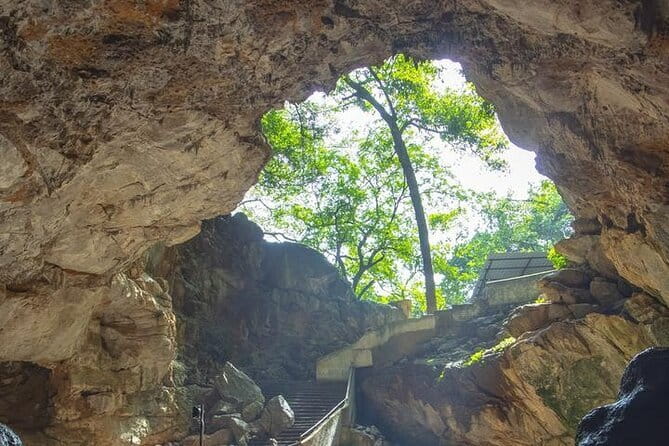
The itinerary includes exploring a cave and mountain features on the way. Since the exact route details aren’t listed here, I’d think of these as guided stops to break up the hike with something more interesting than uninterrupted trail. Caves on day hikes often mean cooler air and darker pockets—great for atmosphere, but you’ll want steady footing.
One practical takeaway: with a slow pace, you still need to move with intention. Don’t shuffle like you’re strolling through a park—keep your steps firm. On mountain paths, fatigue makes slips easier, especially if you’re tired by the time you reach the most scenic parts.
Camping on the peak: stargazing, night photos, and the sunrise window
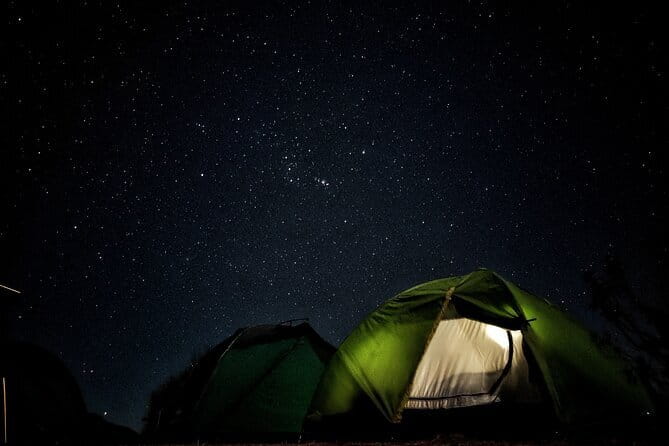
Camping is the heart of this trek. You camp at a beautiful view point on the peak, and the itinerary builds in time for stargazing and night photography if the sky is clear enough.
Here’s the real-world value for your trip: stargazing from a high hill changes how you see the night. Even if you’ve watched stars on beaches, a mountain night often feels sharper—less humid air, fewer city distractions, and more sky overhead. The reviews and trip description also point to the emotional payoff of this moment: calmness on the peak, the kind of still quiet that makes you stop thinking about schedules and start thinking about the universe doing its thing.
But be honest with yourself about the only real drawback: cloud cover wins sometimes. The plan specifically says stargazing and night photography depend on weather, so go in expecting a possible “all-sky” night or a “partial sky” night. Either way, the camping itself is still the point.
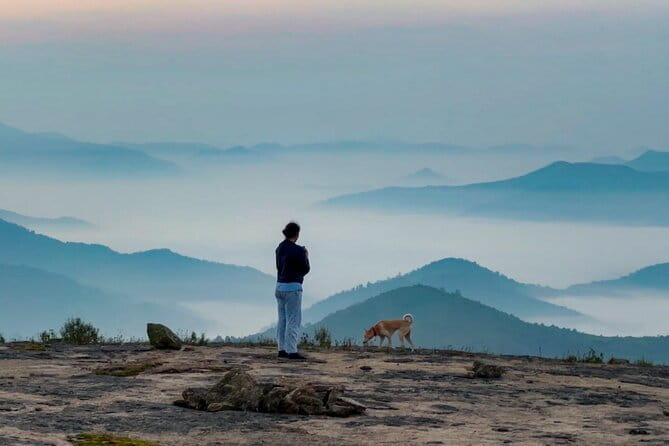
You may also catch sunrise and sunset on the peak viewpoint. People highlight morning and evening views as part of what makes the experience memorable. If you love photography, this is one of those trips where the light matters as much as the hike.
The summit-day payoff: guided care when you’re exhausted
A standout theme from the feedback is how well the team supports you once you reach the peak. Names that come up clearly include Ravi and Naveen (and the team around them). The story is consistent: you arrive tired, hungry, maybe legs shaking, and the guides help by getting you food, water, and essential support right when it counts.
That detail matters more than it sounds. After a long day, the difference between a good trek and a stressful one often comes down to timing: food available at the right moment, water within reach, and guidance that doesn’t disappear once the hardest part starts.
Also, the experience notes a wilderness first responder and a qualified outdoor guide. That doesn’t mean you’ll be “dramatically tested,” but it does mean someone on the team is trained to think about safety, pacing, and risk in the mountains.
If you’re traveling solo or with friends and you don’t want the pressure of being the “organizer” of your own hike, this kind of support is a big reason to pick this operator.
Kondh culture, tribal lunch, and a chance to cool off in streams
On the return portion, the itinerary includes insight into Kondh tribal culture and food prepared by them for day 2 lunch. That wording suggests you’ll spend time with the community element during the later part of the experience, after the peak camp. The practical upside is that lunch isn’t just a meal—it becomes a moment where you learn how local people live and what they cook.
There’s also an option to take a dip in fresh water streams and a pool during the experience. This is optional, so it works for different energy levels. If you want it, it’s a great way to reset your body. If you’d rather keep things simple, you can just enjoy the scenery near the water.
One more reason this portion feels valuable: it grounds the whole trek. You’re not only climbing up; you’re also seeing what the region offers on the way down—culture, food, and natural cooling spots.
Price and what $335.65 covers (and what it doesn’t)
The price listed is about $335.65 per person for the roughly 12-hour outing. That number is easier to judge when you break down what’s included:
Included meals: lunch, dinner, and breakfast.
Logistics: pickup offered and mobile ticket.
Guiding and safety: trekking guidance plus the presence of a wilderness first responder and a qualified outdoor guide.
Experience components: coffee Paderu plantation visit, cave and mountain exploration, peak camping, stargazing time, and Kondh culture/food element.
Not included: snacks. That’s the one part you should plan for. If you’re the kind of person who needs small bites between meals, you may want to bring something extra to avoid feeling stuck waiting for lunch or dinner.
Value verdict: for many people, this becomes good value because you’re paying for more than the trek trail. You’re paying for the full day structure, meals, camping logistics, and professional guidance. And because the reviews are strong about comfort and care, you’re not just buying “a destination.” You’re buying a guided process that helps you enjoy the climb instead of fighting it.
Who should book this trek (and who should reconsider)
This trek fits you if:
- You want one-day access to a high peak experience without a multi-day expedition.
- You’re excited about camping and the night sky, not only daytime viewpoints.
- You like a slower pace and guided support when you’re tired.
- You care about Kondh culture and want food to be part of the story.
You might think twice if:
- Cloudy nights would be a deal-breaker for you, since stargazing/night photography depends on weather.
- You’re looking for a very easy walk. “Most travelers can participate” doesn’t mean “no effort,” and the day is still long.
Overall, it’s not an ultra-competitive, summit-race style hike. It’s a guided nature day that uses camping and culture to make the effort feel worthwhile.
Practical tips for a smoother day on the mountain
Because the trek can include cave areas, night time, and a possible fresh-water dip, you’ll enjoy it more if you plan like a mountain trip, not a beach trip.
A few smart, low-drama tips:
- Wear footwear with decent grip for uneven paths and possible wet patches.
- Bring a layer you can use at night, even if the day feels warm.
- Expect meals are covered (lunch/dinner/breakfast), but snacks aren’t included, so consider bringing small, easy-to-carry options.
- If you care about night photos, make sure you’re ready for low-light conditions and the realities of weather.
Also, remember the trip requires good weather. If the forecast looks bad, the operator may offer a different date or a full refund, so keep an eye on conditions before you commit hard to a tight travel schedule.
Should you book the Jindhagada Trek with Ecohikes?
I’d book this if you want an Eastern Ghats peak day that feels more like a story than a checklist. The combination of a high summit experience, camping, and night-sky time, plus Kondh food and culture, gives it a stronger identity than many standard treks.
Choose it especially if you appreciate guided support—names like Ravi and Naveen show up repeatedly, and the comfort details (food, water, and essentials timed to your tired moment) are the kind of difference you notice most at the peak.
Skip it if your main goal is guaranteed stargazing no matter what. The plan depends on the sky, and mountain weather has opinions.
FAQ
Where does the Jindhagada Trek start and end?
The trek starts at Rushikonda, Visakhapatnam, Andhra Pradesh, India, and it ends back at the same meeting point.
How long is the trek?
The duration is approximately 1 day (about 12 hours).
Does the tour include pickup?
Yes, pickup is offered.
What meals are included?
You’ll get lunch, dinner, and breakfast included in the experience.
Is a mobile ticket provided?
Yes, the tour includes a mobile ticket.
Is this a private group experience?
Yes. It’s listed as a private tour/activity, meaning only your group will participate.
Is the trek suitable for most people?
The experience notes that most travelers can participate.
What happens if weather is poor?
The experience requires good weather. If it’s canceled due to poor weather, you’ll be offered a different date or a full refund.
What is the cancellation policy?
You can cancel for free up to 24 hours in advance for a full refund. If you cancel less than 24 hours before the start time, the amount paid is not refunded.