REVIEW · MARRAKECH
2 day mount toubkal trek ( private trek )
Book on Viator →Operated by Toubkal Experience · Bookable on Viator
Mt Toubkal hits fast—before you even reach the trail. I love how this feels like a true guided climb: the route, pace, and breaks are managed, and you’re not juggling details after a long drive. I also love the convenience of being looked after with a cook, mule support, water, and sleeping bags, plus meals that keep you fueled through the long walking days. The one thing to consider is simple: you need a strong physical fitness level, and you’ll be hiking early and high, with a demanding summit push on Day 2.
In the reviews, guides like Abdul and Nordin stand out for the way they keep you moving without rushing you, and for checking in so you don’t overdo it. One review noted Nordin’s supportive pacing and the value of talking about Morocco along the way—then also knowing when to let you be quiet and just enjoy the views.
This is also a private format, so you won’t be stuck matching your rhythm to a large group. That said, private usually means you’ll want to be clear about your fitness and expectations before you go, so the pace fits you.
In This Review
- Key Details I’d Focus On
- Day 1: Marrakech to Imlil, then up toward Toubkal Refuge
- The walk up: Aroumd village and the long, winding climb
- Sleeping in a refuge: what that night really means for you
- Day 2: the 4.30 am summit push (and why the guide’s timing matters)
- First summit view and the final stretch to the top
- Descent back to Imlil: when legs feel tired but you still control the pace
- Guide-and-cook team: the difference between surviving and enjoying
- Meals and gear: what’s included, and what that saves you
- Private trek value: paying for flexibility, not just a ticket
- Fit and expectations: how hard is it, really?
- Where the route feels most meaningful
- Should you book this Mt Toubkal private trek?
- FAQ
- What’s the meeting point in Marrakech?
- How long is the Mt Toubkal trek?
- Is pickup and private transportation included?
- What’s included for sleeping and comfort on the trek?
- What meals are included?
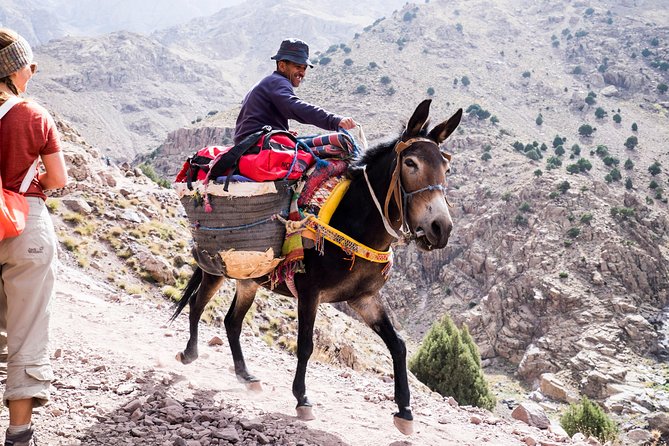
- Do you hike with mules and handlers?
- What fitness level do I need?
Key Details I’d Focus On
- Private trek support so you’re guided end-to-end, not just dropped near a trail
- Mules, cook, water, and sleeping bags handled for you during the hike
- Full food coverage (dinner, breakfast, and multiple lunches) to reduce what you must carry
- Refuge night in the High Atlas so you wake up ready for the summit push
- Early start timing (around 4.30 am) that helps you reach the top and descend in daylight
- Stops with culture and scenery like the Sharine Sidi Chamharouch and river-and-stream views
Day 1: Marrakech to Imlil, then up toward Toubkal Refuge
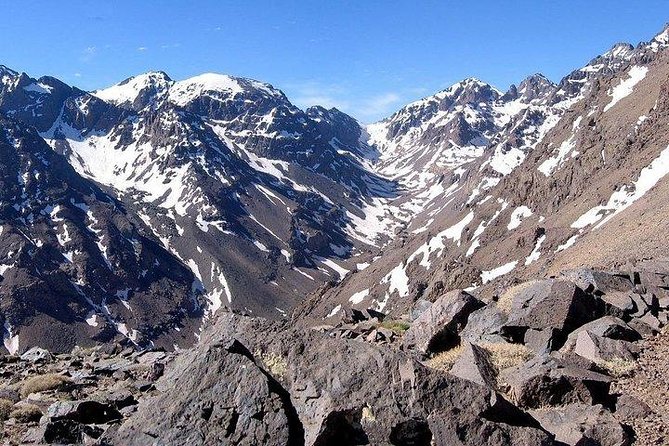
Most Mount Toubkal trips start the day with driving, but what makes this one feel easier is that you’re picked up and taken in a private vehicle from Marrakech toward the High Atlas area around Asni, then into Imlil. You’ll spend about two hours heading out from Marrakech to the mountains, and once you reach Imlil you meet your team (guide and muleteer) before setting off on foot.
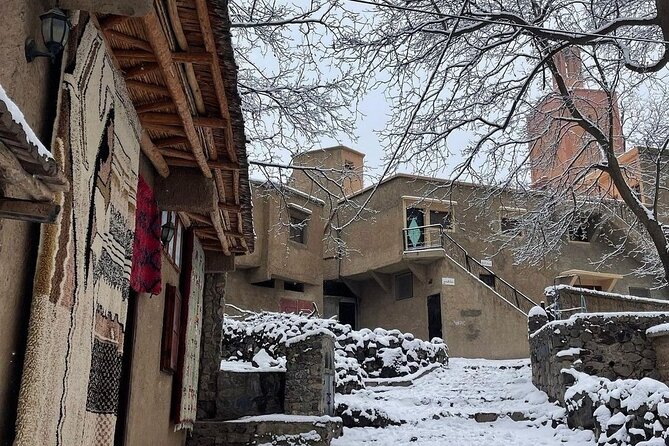
Imlil is where the whole adventure switches from vehicle comfort to mountain rhythm. You’ll likely notice how quickly the air changes once you’re walking in a valley. It’s also where your team’s roles become clear: your guide steers the hiking plan, and the muleteer and mule support help with carrying the things you don’t want to haul yourself—especially on a two-day route where you need energy for the summit.
You can also read our reviews of more tours and experiences in Marrakech.

The walk up: Aroumd village and the long, winding climb
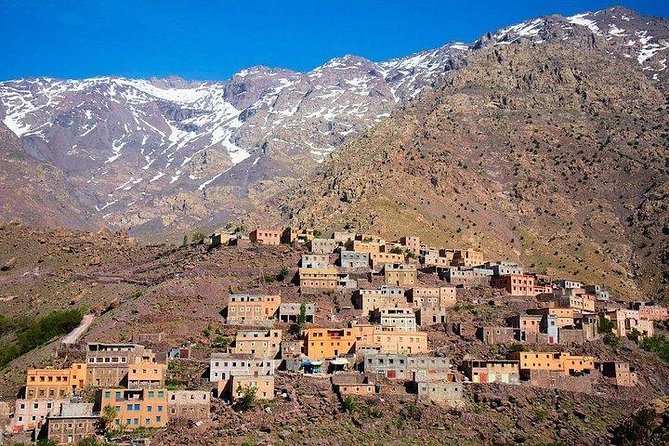
On Day 1, your trek up Toubkal’s massif takes you via the Aroumd village route and the mule path. This matters because it’s not a straight “up and up” track. The trail follows the landscape in a way that feels steady rather than chaotic, which helps on a first day when you’re still warming up.
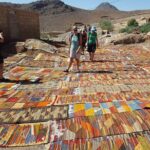
Along the way you pass the Sharine Sidi Chamharouch. That’s one of those moments that makes the trek feel more connected to place than just “climb to the top.” It’s a reminder that these mountains aren’t just scenery—they’re living country, walked by locals with their own paths, stops, and meanings.
Then you continue past views over rivers and streams, which gives you something to look at other than your next step. You’ll reach Toubkal base camp area / base camp on Day 1 after about five hours walking time. The key takeaway: Day 1 is about getting you into the rhythm, not exhausting you for the sake of exhaustion. You’ll still feel the effort, but you’re being set up for the summit day.
Sleeping in a refuge: what that night really means for you
This tour includes accommodation for 1 night in a refuge, and it also includes sleeping bags. That’s a big deal for comfort and planning. In the High Atlas, you don’t want to be thinking about missing gear or improvised sleeping solutions on your first real night.
A refuge stay also changes how you think about the next morning. Instead of doing a huge “Day 1” that turns into an all-night travel day, you’re actually in the right place to start early. That makes the early start on Day 2 feel like part of a plan—not punishment.
You’ll also be eating well. The included meals (dinner on your arrival evening, plus breakfast next morning and lunches later) are designed to keep you from showing up at the next hiking segment under-fueled. For many people, that’s the hidden difference between a trek that feels rewarding and one that feels like a slog.
Day 2: the 4.30 am summit push (and why the guide’s timing matters)
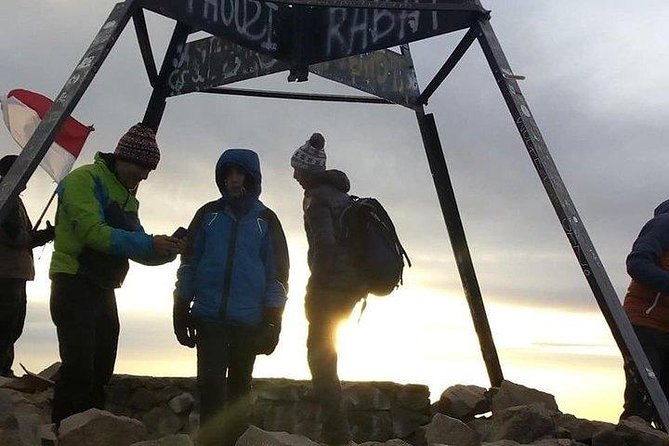
Day 2 starts with breakfast around 4.30 am, followed by the ascent. This is the hard part of the whole itinerary, and the timing tells you something important: the plan is built around reaching the summit and still having time to come down.
The summit route starts via a step and zig-zag path above basecamp. Expect it to feel more like sustained climbing than a leisurely walk. The good news is that your guide manages acclimatization breaks. You’ll get breaks to adjust your pace for altitude and effort, plus water and some nuts along the way. That combination is practical: it helps you keep going without waiting too long in a way that leaves you cold or stiff.
First summit view and the final stretch to the top
You should expect to see a first view of the summit after about 2.30 hours of walking. When you hit that point, it tends to feel like the mountain finally starts answering the question you’ve been asking: Is it really that far?
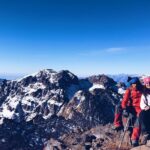
Then you continue toward the edge, where the views open up over the river on the other side. That’s your reward for the grind, and it’s also useful morale—because after this, the route continues through a small plateau and then another 30 minutes to reach the summit.
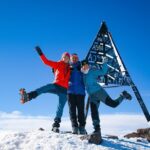
Once you’re up there, you’re not just reaching for a photo. You get time to relax and enjoy the views over surrounding High Atlas peaks and valleys. There’s even mention of a light picnic on top. Then you’ll walk back down via the north side of the summit to return to basecamp.
Descent back to Imlil: when legs feel tired but you still control the pace
After returning to basecamp, you’ll do a short tea break and then walk down to Imlil Valley via the same path. The descent usually feels different—legs are tired, but you’re often moving with a steadier “keep rhythm” pace. This segment is about three hours of walking time.
Once you reach Imlil, you get picked up and driven back to Marrakech. The drive time listed is about two hours from Imlil to Marrakech. It’s a long day in total, but the fact that the schedule is laid out clearly helps. You know you’ll be back in Marrakech the same day, which makes it easier to plan the rest of your trip.
Guide-and-cook team: the difference between surviving and enjoying
The biggest theme from the reviews is that the guides are not just “signposts.” Abdul and Nordin are both mentioned as friendly, supportive, and good at maintaining the right pace. In real terms, that means you won’t feel like you’re being dragged up the mountain or left behind.
Nordin in particular is described as supportive and conversational when it works, with the ability to keep you learning about Morocco while also allowing quiet moments to enjoy the hike. That balance matters. A summit trek can feel intense. If your guide treats it like a real shared experience—without turning it into a constant lecture—it’s a better day for your body and your head.
The cook and mule master also come through in the feedback as strong parts of the trip. That makes sense. On a trek like this, your comfort depends on behind-the-scenes work: managing supplies, keeping you fed, and helping ensure your gear is where it needs to be. If you’re doing the summit day, you want to trust the team that’s handling the setup.
Meals and gear: what’s included, and what that saves you
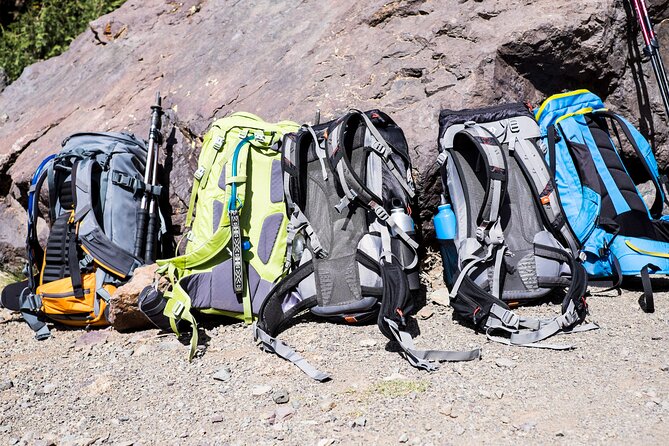
Here’s the value that jumps out from the inclusions. You’re provided with mule support, a cook, water, and sleeping bags during the trek. You’re also provided meals: dinner, breakfast, and lunches (listed as lunch twice, plus summit-day lunch after you return to basecamp).
What you gain from that:
- Less weight to carry, which matters on Day 1 when your legs are already getting a warm-up
- Less stress about what to eat at the times you’ll actually want food
- More energy for the 4.30 am summit push
- Less decision fatigue about gear, because sleeping bag coverage is included
What you should still plan for: your personal clothing and footwear (the trek description doesn’t list them). If you run cold, bring layers you can adjust. The itinerary starts before sunrise, and mountain weather can change quickly.
Private trek value: paying for flexibility, not just a ticket
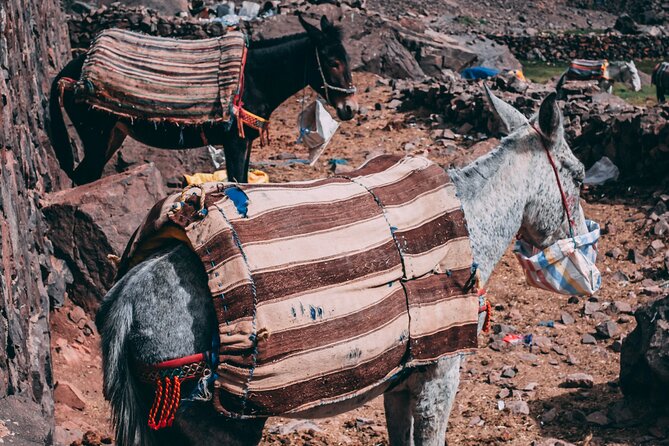
At $174.47 per person for a two-day private trek, you’re paying for more than time on the mountain. You’re paying for coordination: private transportation, a guide, cook, mule handlers, porters, plus your refuge accommodation and meals.
The price also makes sense because Toubkal is popular. Even if the trail is “one trail,” you still want a team that can move your day along responsibly. A private format is usually best if:
- you want a pace that fits you
- you like the idea of asking questions without competing for attention
- you prefer a more personal rhythm over group logistics
And yes, it’s also easier on the nervous system. You know exactly who you’re with and what happens next, especially on Day 2 when the early start and ascent can make people lose track of time.
Fit and expectations: how hard is it, really?
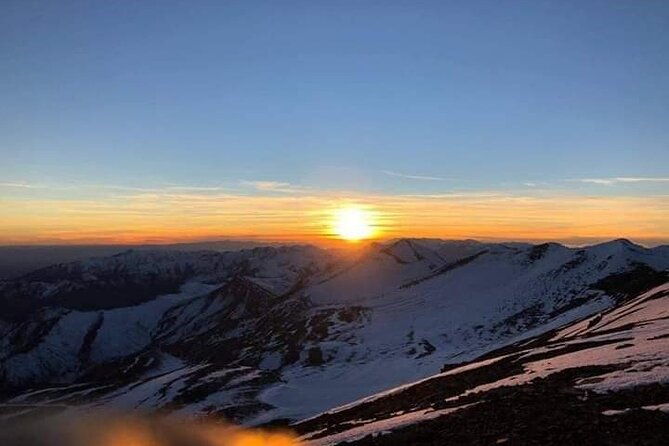
You should assume this is a serious trek. The tour is listed for people with a strong physical fitness level, and the itinerary supports that. Day 2 includes a dawn start, steady climbing on a zig-zag path, breaks for acclimatization, and then a summit walk with a return down to basecamp and onward to Imlil the same day.
The good sign is that the guide manages pacing with breaks and provides water and snacks. That doesn’t make it easy, but it can make it doable. Reviews describe it as challenging but rewarding, and that matches the schedule: you’ll work for it, then you’ll have a summit moment that feels like the right payoff.
If you’re uncertain about your fitness, be honest with yourself. This kind of trek doesn’t reward bravado—it rewards steady effort and smart pacing.
Where the route feels most meaningful
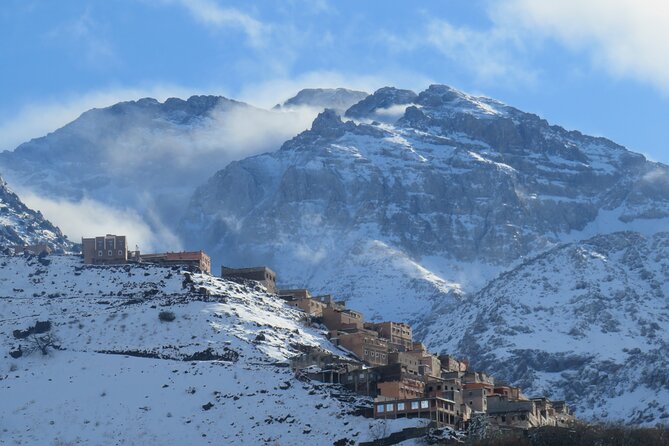
Even on a short two-day trek, the route has built-in variety:
- Sharine Sidi Chamharouch gives you a cultural pause and a sense of local mountain life.
- River and stream views on the way up keep you grounded when your mind starts counting steps.
- Basecamp to summit timing makes the summit feel earned but planned.
- The northern descent gives you one last chance to enjoy the mountain without needing to force yourself uphill.
That’s why this doesn’t feel like a random hike. It feels like a guided passage through the mountain’s main characters: villages, paths, water, then the top.
Should you book this Mt Toubkal private trek?
You should book if you want a guided summit experience that’s organized from Marrakech to Imlil and back, with meals, refuge sleep, and mountain support handled. It’s also a great fit if you value a guide who keeps the pace sensible and makes the walk more than just physical effort—like the support described with Abdul and Nordin.
Skip it (or rethink dates) if you’re not comfortable with a tough early-morning climb and a physically demanding Day 2. Also remember that the trek requires good weather, and mountain conditions can change plans.
If you want the simplest way to do Mt Toubkal in two days—without carrying the logistics yourself—this private version is a strong choice.
FAQ
What’s the meeting point in Marrakech?
The tour starts at Hôtel Restaurant Café de France on Rue des Banques, in Marrakech (40000), and it returns you back to the same meeting point.
How long is the Mt Toubkal trek?
It’s a 2-day experience, with driving between Marrakech and Imlil and walking on both days.
Is pickup and private transportation included?
Yes. The experience includes round-trip Marrakech hotel transfers and private transportation.
What’s included for sleeping and comfort on the trek?
You get accommodation for 1 night in a refuge and sleeping bags during the trek.
What meals are included?
The trek includes dinner, breakfast, and lunches during the hike (lunch is listed as included more than once). Water is also provided during the trek.
Do you hike with mules and handlers?
Yes. The tour includes mules, a cook, water, and mule handlers, plus porters are listed as part of the logistics.
What fitness level do I need?
The tour says you should have a strong physical fitness level. Day 2 includes an early start (around 4.30 am) and a summit ascent with managed breaks for acclimatization.