REVIEW · SORAYPAMPA
5-Day Classic Salkantay Trek to Machu Picchu return by Train
Book on GetYourGuide →Operated by Latin Adventures Tour Operator · Bookable on GetYourGuide
You start in snow and end at Machu Picchu. This classic 5-day Salkantay trek pairs Humantay Lagoon with a guided visit to the Machu Picchu ruins, plus jungle scenery on the way down. The trade-off is a tough schedule with early starts and high-altitude walking, so you need solid fitness and patience.
What I really like is how the trip uses guided trekking to connect the dots—from the Andes viewpoints to Aguas Calientes—then sends you back to Cusco by train. One review also called out a guide named Holger as a standout, and the camping setup (glass huts and dome sleeping) was praised as better than what some people expect from dome-style stays.
In This Review
- Key highlights worth planning for
- From Cusco to Humantay Lagoon: start high, not rushed
- Abra Salkantay and Colpapampa: the pass day that sets the tone
- The jungle switch: Playa Sahuayaco and Cocalmayo baths
- Llactapata and Aguas Calientes: the Inca Trail link that previews Machu Picchu
- Machu Picchu day: guided time, then space to explore
- Camping comfort, meals, and what to pack
- Price and value: what $699 really buys you
- Who this trek suits best (and who should think twice)
- Should you book the 5-Day Classic Salkantay Trek with train return?
Key highlights worth planning for
- Humantay Lagoon timing: You hike in, spend time there, then head back the same day to keep the pace controlled.
- Abra Salkantay views: Early climbing to the high pass gives wide Andean sightlines over multiple named peaks.
- Cocalmayo thermal baths option: Jungle hiking plus a soak stop, with the key note that entry isn’t included.
- Llactapata learning stop: A local guide explains the Incan site while you get your first strong sight of Machu Picchu Mountain and Huayna Picchu.
- Train return from Aguas Calientes: You avoid the long stress of backtracking the whole distance by rail and then a short transfer to Cusco.
From Cusco to Humantay Lagoon: start high, not rushed
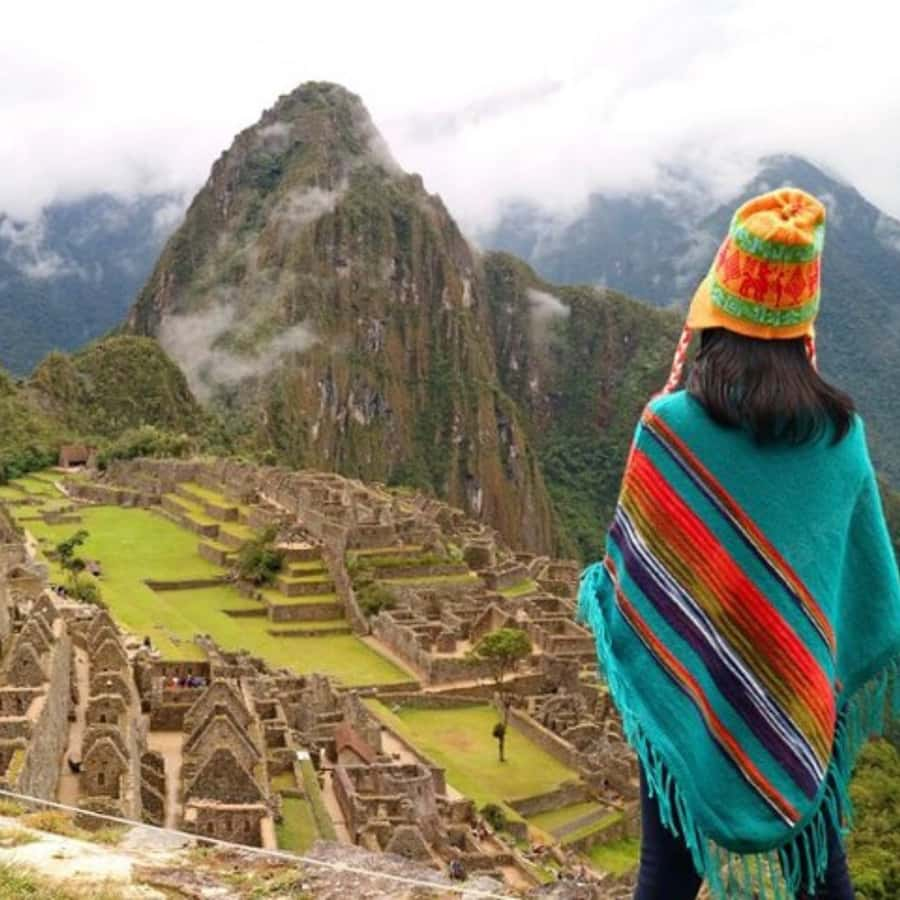
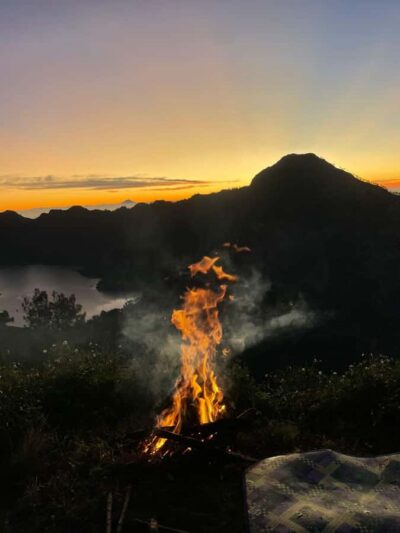
The trip begins with pickup from your hotel in Cusco early in the morning, then breakfast before you drive toward the trailhead. Your first hike runs about three hours to the starting area near Challacancha, then you settle into the first campsite at Soraypampa around early evening.
Humantay Lagoon is the main emotional payoff of day one. The route is long enough to feel like you earned it, but it’s not yet the brutal pass day. That matters because your body is still calibrating to altitude. You hike roughly 1.5 hours from Soraypampa to the lagoon, then you return to camp for dinner and sleep in glass huts.
Two practical notes. First: you’ll feel the altitude more on the walk up than later in the day, so pace matters. Second: your lodging is already part of the experience. Even before you reach Machu Picchu, the trip feels like a real expedition, not a series of transfers.
Abra Salkantay and Colpapampa: the pass day that sets the tone
Day two is built around one big moment: the trek up to Abra Salkantay, the highest point on this route. You leave camp at about 5 AM after breakfast, and the main uphill portion lasts around three hours.
This is the day you’re meant to look up. The views cover several named areas—Salkantay, Humantay, Tucarhuay, and Pumasillo—and that’s a big reason the Salkantay trek is so popular. It’s not just high for bragging rights. The higher you get, the clearer it is that you’re crossing ecosystems, not just walking from one place to another.
After you reach the high point, you descend toward Huarachmachhay, then stop for lunch before continuing to Colpapampa. You’ll finish the day at the campsite, with tea and dinner, and you sleep in dome-style lodging.
A possible drawback to keep in mind: this is the hardest-feeling day of the trek for most people. Even if you’re in shape, early starts plus altitude can make your breathing a little stubborn. The good news is the rest of the schedule gives you recovery time afterward, instead of immediately stacking another huge climb.
The jungle switch: Playa Sahuayaco and Cocalmayo baths
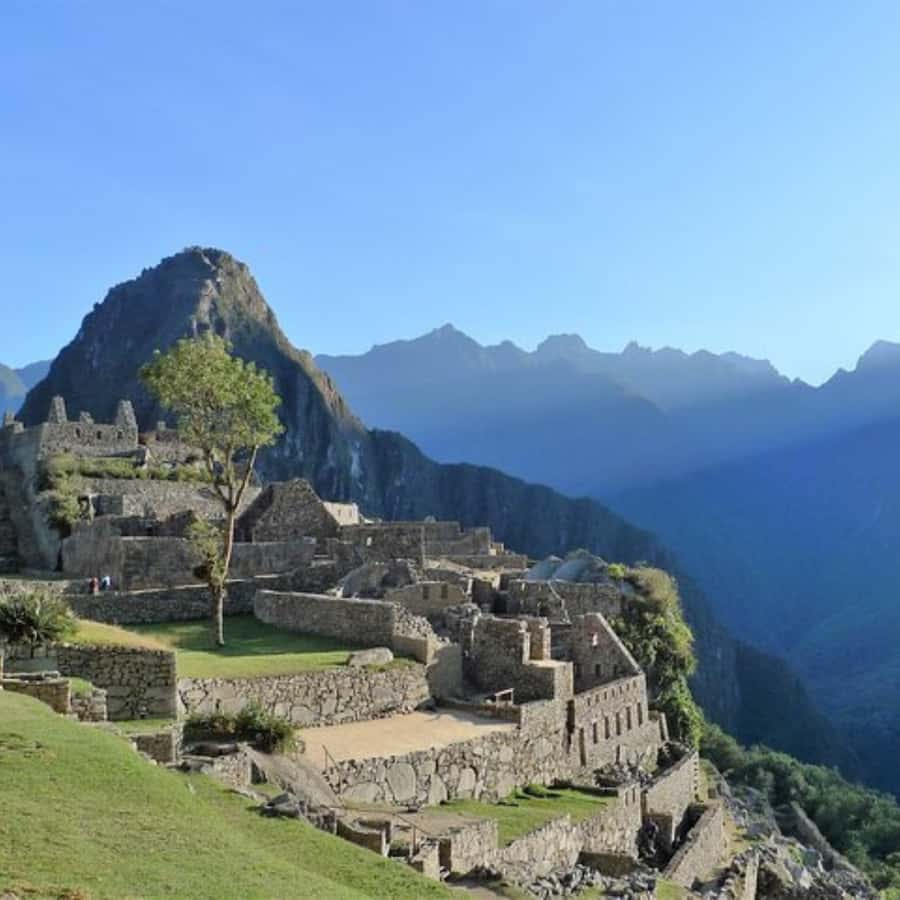
By day three, the vibe changes. You’re still trekking, but the route shifts into a more jungle-toned setting and the walking becomes about endurance through warmer conditions and changing terrain.
You start after breakfast and hike for about 5.5 hours, with lunch at Playa Sahuayaca. Then you add a thermal baths stop at Cocalmayo. The listing specifically says thermal bath entry is not included, so don’t assume the soak is free. Still, it’s a great way to break the day up: lunch, then relax, then back to camp.
You return to the campsite around 6 PM for tea and dinner. This is one of those days where the schedule gives you something mentally helpful. When your trekking day is long, the ability to turn off for a while makes the whole route feel more humane.
Also note the trip includes transport connected to this part of the route—listed as transport from La Playa to Santa Teresa. That’s a useful detail if you’re trying to understand where the energy goes: you get trekking time, but the operator doesn’t pretend every transfer is a hike.
Llactapata and Aguas Calientes: the Inca Trail link that previews Machu Picchu
Day four is where the trip starts to feel like it’s moving from adventure into history tourism—without losing the walking.
You eat breakfast at sunrise, then walk along the Inca Trail with views over the Santa Teresa Valley. The ascent to Llactapata takes about 2.5 hours. When you arrive, you get to an archaeological site and a local guide teaches you about its history.
This stop is valuable for two reasons. One: Llactapata isn’t just a photo stop; it’s a real learning moment, and the guide component can turn ruins into understanding instead of just guessing. Two: it’s your early introduction to the big picture. You’ll get your first glimpses of Machu Picchu Mountain and Huayna Picchu Mountain from this area, so by the time you reach Aguas Calientes, Machu Picchu feels close rather than mysterious.
After lunch, you continue toward Hidroeléctrica. From there, you have a choice: either hike about three hours to Aguas Calientes or take a train option (this train option is listed as optional and extra).
When you arrive in Aguas Calientes, you get dinner at a local restaurant and sleep in a hotel for the night. That hotel night is not just comfort. It gives you a reset before Machu Picchu day, when you’ll want your legs ready and your head clear.
Machu Picchu day: guided time, then space to explore
Machu Picchu starts with a guided tour of the archaeological site. You also get free time afterward to discover at your own pace. That mix is a smart design: the guide helps you understand what you’re looking at, while your independent time lets you slow down for what pulls you in.
You also have a chance to climb an additional summit at a pre-designated time: Huayna Picchu or Machu Picchu Mountain. The listing gives two time windows—first group hikes from 6 AM to 8 AM, and the second group from 9 AM to 11 AM. If you want the climb, you need to plan around that schedule.
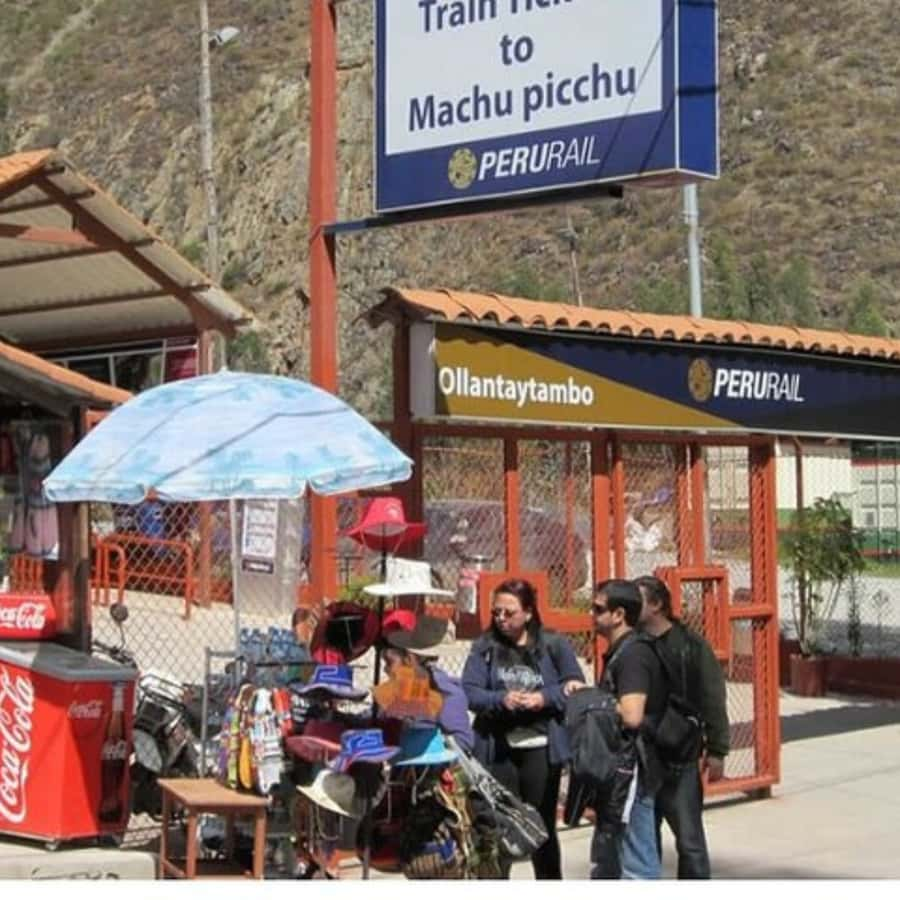
Logistics inside the Machu Picchu area are handled with round-trip bus service. You return to Aguas Calientes for lunch, then take the train to Ollantaytambo. The train leaves at 2:55 PM, and you finish with a transfer drop-off in Cusco at Plaza Regocijo.
This is a big part of the value: you’re not trying to squeeze Machu Picchu into a chaotic day. The guide-led ruins time plus planned train timing makes the last day feel structured, not stressful.
Camping comfort, meals, and what to pack
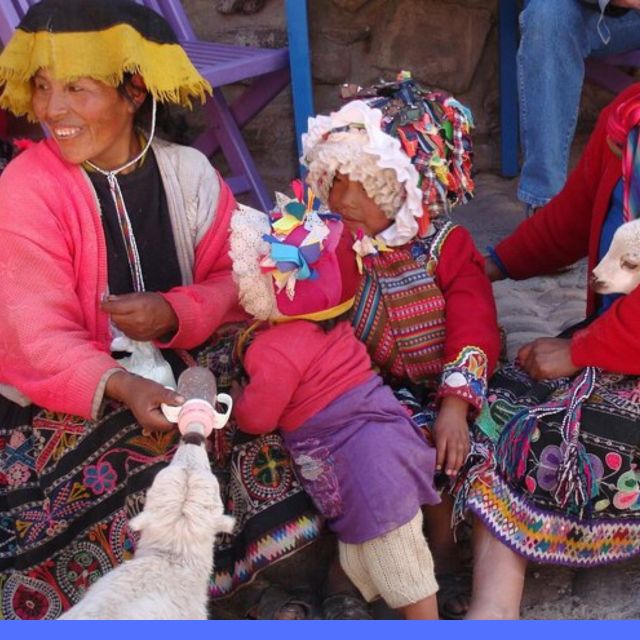
This trek is tough, but the comfort details are better than many people expect from a camping itinerary.
You get three nights of camping with a specific structure:
- Night one: glass huts
- Nights two and three: domes at the camps
You also receive a personal double foam sleeping mat (listed as 2.5 inches thick), plus a cook and first aid equipment. Horses carry luggage, and you’re provided a duffle bag for up to 8 kg of your stuff.
Two packing truths. First: sleeping bags are not included, so you need to bring one. Second: luggage carried by horses is capped—each hiker can bring 13 lbs (6 kg). That means you should pack with restraint and prioritize your warmth and essentials.
Food is also set up for a multi-day hike:
- 4 breakfasts, 4 lunches, 4 dinners are included
- water and daily snacks are included
- vegetarian food is available on request at no extra charge
- lunch on the last day is not included
If you rely on vegetarian meals, this is one of the cleaner parts of the offer since it’s specifically supported. Still, I’d recommend telling the operator your needs clearly when you confirm.
Price and value: what $699 really buys you
At $699 per person, this tour lands in the category where you’re paying for time, organization, and access. You’re not just buying hikes. You’re buying a full package: guided trekking, meals, camping, and the Machu Picchu entry ticket.
Here’s what’s included that usually costs extra when booked separately:
- Machu Picchu entry ticket
- a certified English/Spanish-speaking guide for the trek
- transportation to the head of the Salkantay trail
- camping accommodations for three nights and a hotel night in Aguas Calientes
- 4 breakfasts, 4 lunches, 4 dinners, plus water and daily snacks
- round-trip bus to Machu Picchu
- return train ticket between Aguas Calientes and Ollantaytambo
- tourist transport between Ollantaytambo and Cusco
- horses to carry luggage
- first aid equipment
- duffle bag and sleeping mat
What you should budget for separately:
- thermal bath entry in Cocalmayo (optional)
- train transportation (the termo electrico option is listed as optional at $35 per person)
- lunch on the last day
- a note in the listing says the bus ticket from Aguas Calientes to Machu Picchu is $25 and not included, even though bus service is described in the inclusions. So it’s smart to confirm with the operator what you personally pay for on the Machu Picchu travel day.
If you like the idea of not managing permits, schedules, and transit across multiple segments, this price makes more sense. If you’re comfortable planning your own transport and you already have the gear and stamina to go independently, a cheaper do-it-yourself option might exist—but you’d lose a lot of the guided structure and the built-in route logic.
Who this trek suits best (and who should think twice)
This is a great match if you want an active trip with real variation: snow-capped Andean views, a pass day, jungle walking, thermal bath time, archaeological learning, then Machu Picchu.
It’s also a good fit if you value guidance. You get certified English/Spanish-speaking leadership for the trek, and you even have a local guide at Llactapata to explain what you’re seeing.
Think twice if:
- you’re not comfortable with early mornings (you start as early as 5 AM on multiple days)
- you don’t want to manage optional add-ons like the thermal baths entry, the Huayna Picchu or Machu Picchu Mountain summit, and the extra train option from Hidroeléctrica
- you don’t have a sleeping bag (since it’s not included)
And one more fit note based on the best feedback: the experience seems to work well when the group atmosphere matters. One review specifically praised a guide named Holger and the way the camping domes felt like a big upgrade. If you want the hardest day to feel organized instead of chaotic, this kind of structured guiding matters.
Should you book the 5-Day Classic Salkantay Trek with train return?
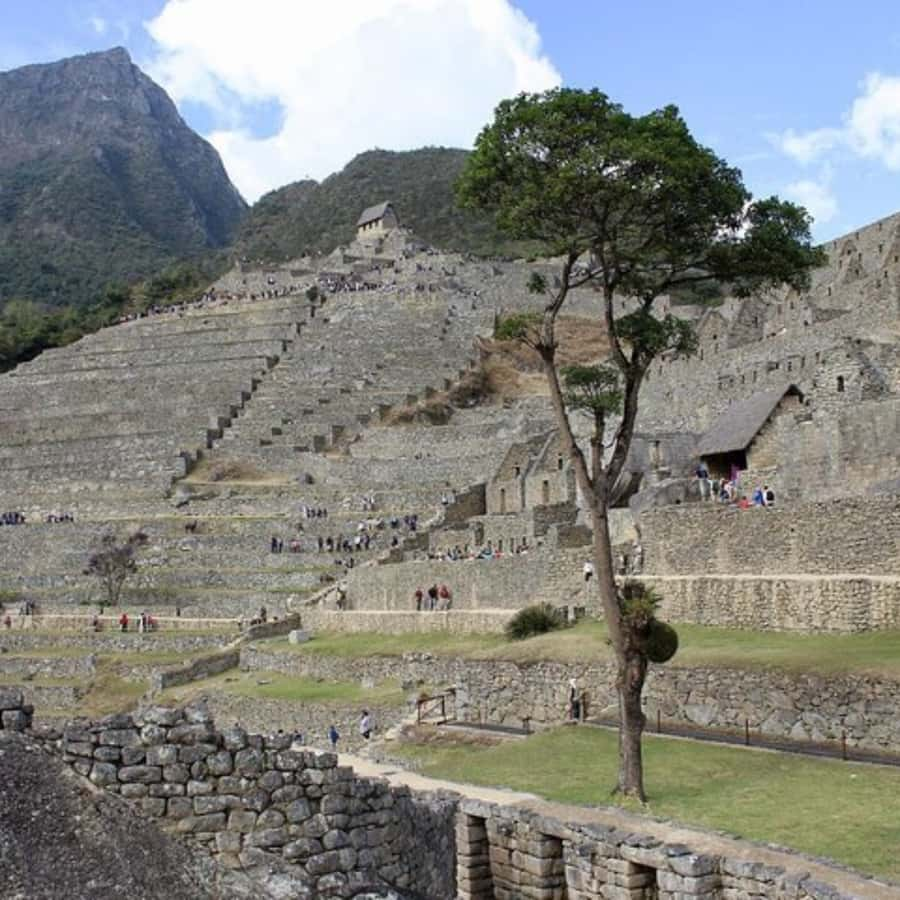
If your goal is Machu Picchu with a classic Andean trek behind it, this is a strong option. You’re getting the full arc—Humantay Lagoon, the Abra Salkantay high point, jungle walking with Cocalmayo, Llactapata with local guiding, then Machu Picchu with guided interpretation and time to explore—plus a train return that avoids the mess of backtracking.
Book it if you’re ready for altitude and you want a clear plan with meals, lodging, and transport handled. Skip it (or ask more questions) if you’re hoping for a relaxed pace, or if you’re missing key gear like a sleeping bag.