REVIEW · LOMBOK
Trekking Mt. Rinjani 2 Days 1 Night Senaru Crater Rim
Book on Viator →Operated by Rinjani Excellent · Bookable on Viator
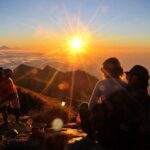
That crater rim feeling comes fast. This Senaru route climb is built for dramatic sunrise and sunset over the Gilis and Mt. Agung, plus a real camping night on the volcano. You’ll also get a more comfortable-than-typical setup with a toilet tent included, which matters when you’re planning to stay up there.
My favorite part is how much the trip takes off your plate: guide, porters, food, entrance, and camp gear are handled. The second big plus is timing—early starts for the rim views, then a full daylight walk back down. The main drawback to consider is that you’re sleeping and hiking at elevation with limited comforts, and the plan expects you to bring a flashlight and hike with what you’ve got.
This is a private-style trek (just your group), and it’s aimed at people with moderate fitness who want the crater rim experience without dragging it into a longer multi-day trek.
In This Review
- Key Things to Know Before You Go
- The Senaru Crater Rim Plan: Why This Route Works for Time-Strapped Trekkers
- Day 1 in Senaru: The Short Transfer and Why That Night Matters
- Day 2: Sunrise and Sunset on the Crater Rim (Plan on a Long, Worth-It Day)
- Day 3: The Descent Back to Senaru and Moving On
- What You Actually Get for the Price: $152 Value Breakdown
- Camp Comfort on Rinjani: The Toilet Tent and Bedding You’ll Appreciate
- Staff and Guides: Why People Keep Praising the Team Work
- Who Should Book This Mt. Rinjani Senaru 2D/1N Trek
- Should You Book This Tour?
- FAQ
- How long is the Mt. Rinjani Senaru Crater Rim trek?
- Is pickup from my hotel included?
- What views do I get on this trek?
- Do I need to bring a flashlight?
- Is the national park entrance ticket included?
- What camping gear is provided?
- What meals are included?
- What fitness level do I need?
Key Things to Know Before You Go
- Crater rim viewpoints timed for both sunrise and sunset so you’re not just hiking for one photo window
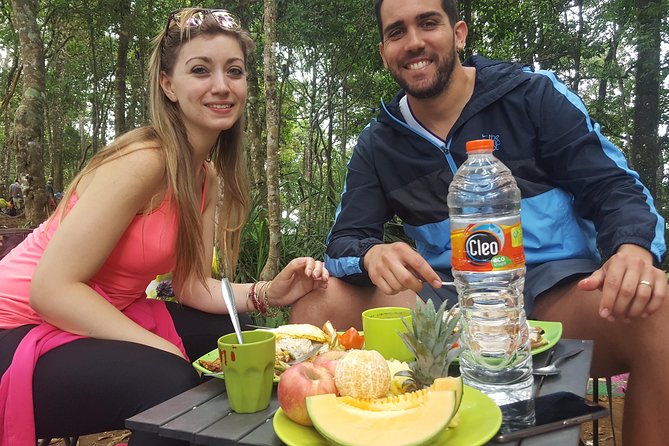
- Camping setup includes bedding plus a toilet tent, so you’re not improvising at night
- Guide + porters + meals are included, meaning you focus on your own pace more than logistics
- Day 1 is a real reset night in Senaru before you set off early for the crater rim
- You’ll need a flashlight for moving around in low light at the crater rim
- Weather affects the plan, and the operator offers a different date or a full refund if conditions are poor
The Senaru Crater Rim Plan: Why This Route Works for Time-Strapped Trekkers
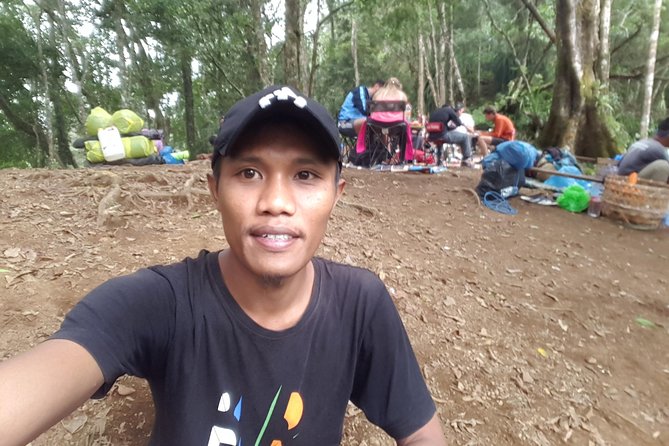
Mt. Rinjani is one of those Lombok experiences that’s talked about for a reason: you feel small fast. This trek is designed for travelers who want the big moments—crater rim camping and those wide views—without stretching into a long itinerary.
The Senaru route is a practical choice here because the schedule is tight and clear. You start by settling into Senaru Village the night before your rim hike. Then the next day is a long push to the crater rim for sunset and sunrise views, including sights toward the Gilis (T, Meno, Air), Mt. Agung, and the volcanic crater area.
For value, what I like is the way the essentials are covered. You’re not paying extra for the basics like camp sleeping gear, porters, and most meals. That matters on Rinjani, because you can burn money fast if you end up renting or buying the wrong things late.
The big tradeoff is energy. Even if this is a shorter trek, you’ll still be hiking for hours, camping at altitude, and dealing with low light. If you’re the type who wants a fully comfortable lodge-style trip, this won’t match your expectations. But if you want something authentic with real effort (and a guide doing the heavy lift work), it’s a good fit.
You can also read our reviews of more tours and experiences in Lombok.
Day 1 in Senaru: The Short Transfer and Why That Night Matters
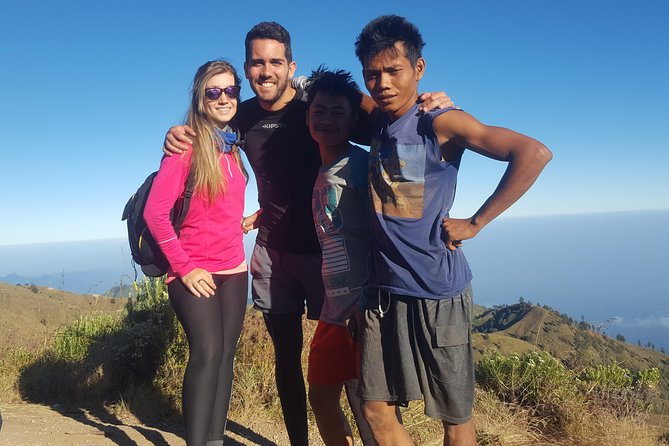
Day 1 is about getting you into position. You’ll be picked up from your Lombok hotel and taken to Senaru Village, where you’ll check in at a hotel. The time budget on paper is about 4 hours for this portion, and the plan is set up so you’re not trying to travel and hike hard in the same day.
Why I think this matters: Senaru isn’t just a starting point. It’s your buffer. You arrive, settle, eat, and rest so you can handle an early start the next day. In practical terms, this is the difference between a trek that feels manageable and one that feels like you’re rushing from the moment you arrive.
One thing to watch: the information you have says pickup is offered, but it also notes that room before the hike may not be included. So you’ll want to confirm what your specific package covers for Day 1 lodging, meals before dinner, and any transport details beyond the Senaru transfer.
If you want an easy win, do your own prep immediately after check-in:
- charge your phone/headlamp (if your plan includes one)
- set aside your flashlight and warm layers
- get your shoes ready and tied properly for the next morning
Also, park yourself in a mindset of early nights. You’re not just sleeping—you’re resetting for a long day on the crater rim.
Day 2: Sunrise and Sunset on the Crater Rim (Plan on a Long, Worth-It Day)
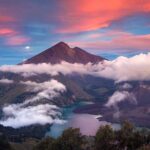
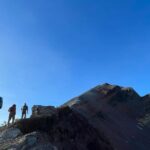
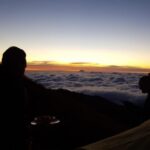
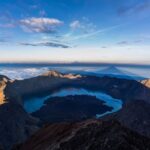
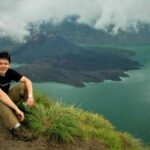
Day 2 is the heart of the trip. You’ll enter Mount Rinjani National Park, hike, and spend time at the crater rim for both sunrise and sunset. That means you get at least two chances at the kind of views people come for: the volcanic crater area, a volcano with a lake, the distant summit and Mt. Agung, and the three Gilis to the north (Gili T, Gili Meno, and Gili Air).
This day is also when the phrase “new volcano with lake” becomes more than just words. You’re moving through changing terrain toward a viewpoint where the scale feels unreal. You’ll likely feel wind and drop in temperature around the rim, so your comfort depends on layers and sensible movement.
Here’s the practical part that makes the experience smoother: the climb includes meals during hiking and camping gear to set you up for the night. You don’t have to worry about where your cooking items come from or whether everyone has the right pieces of bedding. The setup typically includes a tent, mattress, and sleeping bag, plus a toilet tent, which is a huge mental relief.
One detail you should not ignore: you’ll need a flashlight. Even if you’re with a guide, don’t assume paths or camp areas are fully lit. Bring a reliable headlamp or flashlight and keep it accessible.
Timing-wise, the day is listed as about 8 hours in the main “national park” portion. In reality, crater rim days tend to feel longer because of early-morning movement and the time spent stopping for views and photos. The goal is not speed. The goal is getting to the rim and being there when the light hits.
Why the long day is worth it:
- you see more than one mood of the crater rim
- you have a full day of guided hiking plus time to camp
- you’re not rushing back down immediately after sunrise
Day 3: The Descent Back to Senaru and Moving On
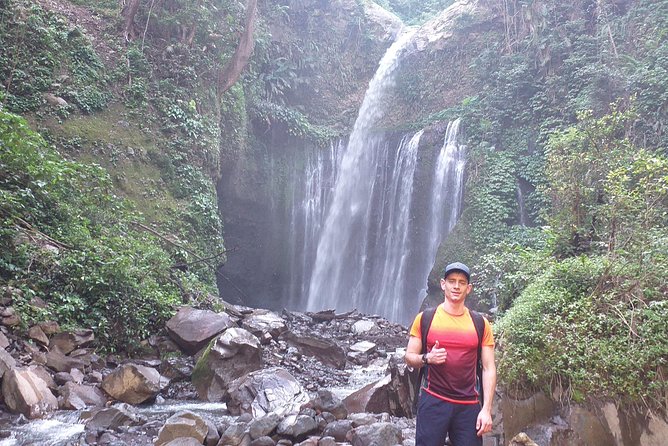
Day 3 starts with breakfast and then shifts into a downhill rhythm. You’ll enjoy a panorama view before your guided walk down to Senaru Village. From there, you’ll be dropped to your next Lombok destination.
The walking day is listed as about 7 hours, so it’s still a meaningful half-to-full trek day. The good news: you’re no longer building up toward the rim. You’re transitioning from the crater environment back to Senaru, which usually feels less intense than the push up.
If you’re thinking ahead, Day 3 is also when small decisions matter:
- plan comfortable socks for the descent
- keep some snack energy for later in the day
- don’t schedule something stressful right after pickup/drop unless you like living on adrenaline
This is also where the “take it easy with transfers” promise becomes real. You’re not left to sort transport from scratch immediately after the hike. Still, confirm what’s covered for your exact drop-off, since the package notes transport as not included in one place while also saying pickup is offered.
What You Actually Get for the Price: $152 Value Breakdown
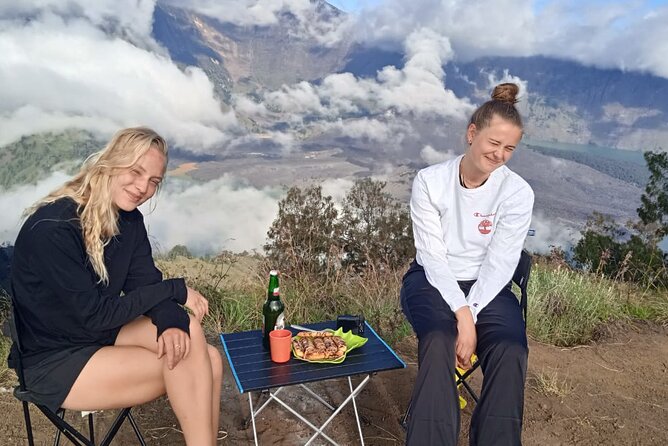
For $152, you’re paying for a short but serious guided mountain outing. Based on what’s included, the value comes from coverage of the “expensive-to-fix-on-your-own” parts.
Here’s what’s explicitly included:
- Master guide and porters
- Entrance / ticket for Mt. Rinjani
- Insurance
- Check-up before the hike
- Meals: dinner plus lunch (2) and breakfast (3), with foods and drinks during hiking
- Camp gear: tent, mattress, sleeping bag, and toilet tent
- Cooking gears
What’s not included:
- shoes
- long pants and a T-shirt (you’ll need your own clothing)
- optional sandals
- tipping the guide and porter
- transport (pick up & out) is listed as not included, even though pickup is mentioned as offered
- room before the hike may not be included
So where does $152 land for you?
- If you were hiring guides and buying/packing camp gear yourself, it would likely cost more and feel harder to manage.
- The camp setup and the meal coverage remove daily headaches.
- The entrance ticket and insurance are part of the “you can’t forget it” costs.
If you’re trying to decide whether this is a bargain or a gamble, here’s my honest take: it’s a solid deal if the transfer and Day 1 hotel situation matches what you need. Because if you end up paying separately for transport or lodging after you arrive, your effective cost climbs.
The best way to protect your budget is to clarify two things before you go:
1) what transport is included for your pickup and your final drop
2) whether your Day 1 lodging in Senaru is actually included in your package
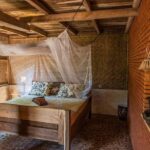
Camp Comfort on Rinjani: The Toilet Tent and Bedding You’ll Appreciate
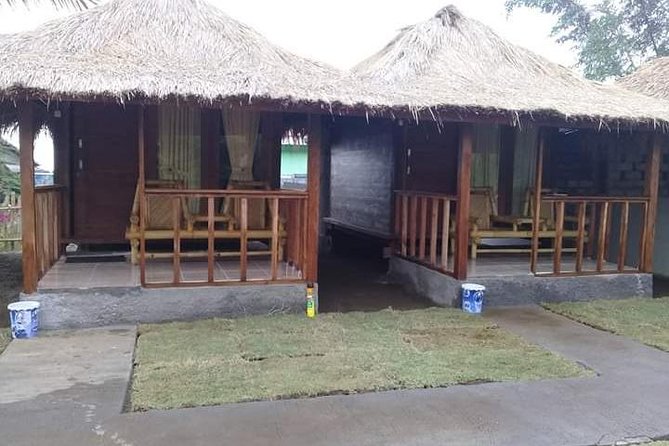
A lot of people underestimate what makes a mountain trek feel livable: not the views, but the basics at night.
This trek includes the core camping support:
- tent
- mattress
- sleeping bag
- and a toilet tent
That last one matters more than most folks expect. On a crater rim trek, you’re not just thinking about convenience—you’re thinking about safety and reducing nighttime risk. When nature calls in the dark, having a structured toilet setup is a real comfort win.
You’ll still want to bring your own smart add-ons. The listing specifically mentions you should bring long pants and a T-shirt. Also consider (even if not listed) that you’ll want to protect from cold: layers you can add/remove on hikes and in camp.
Another practical note: bring the right footwear. Shoes aren’t included, and crater rim descents can be slippery or uneven. You’ll be happier if your shoes are broken in before you arrive.
Staff and Guides: Why People Keep Praising the Team Work
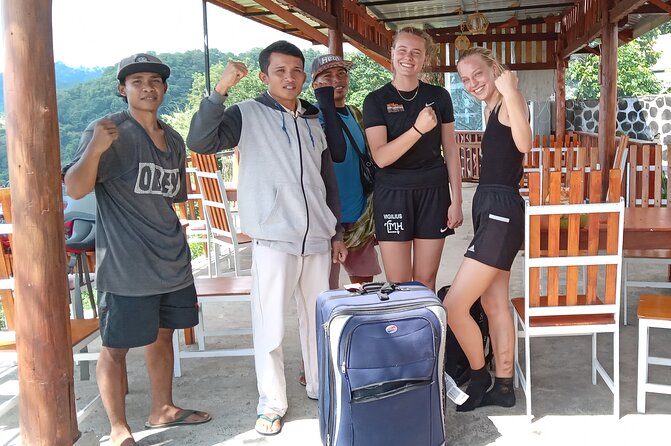
One consistent theme in the feedback is that the team handles the heavy parts so you can focus on the climb. On Rinjani, that typically translates to:
- porters managing loads
- the guide keeping pacing and timing under control
- camp setup support so you’re not stuck figuring everything out after a long day
Even the provider’s responses feel aligned with that: thanks, trust our organization, and a focus on organizing the trekking experience end to end. The name you’ll see associated with the provider is Suti, tied to the company’s reply style after reviews.
If you want a trek where you feel “taken care of” without paying for luxury, this is that style.
Who Should Book This Mt. Rinjani Senaru 2D/1N Trek
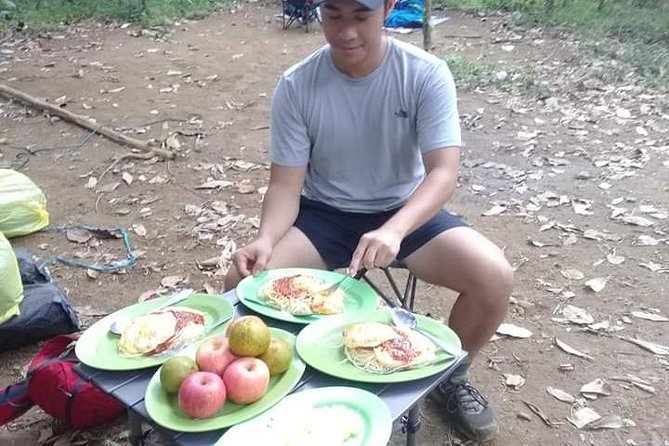
This is best for you if:
- you have moderate physical fitness
- you want a crater rim experience with a short time commitment
- you’re okay with camping (even with provided gear)
- you like having a guide and porters managing the logistics
It may not be a fit if:
- you want a fully comfortable hotel stay throughout
- you hate early starts and long hiking days
- you’re not comfortable hiking at night without your own flashlight
The trip is also private for your group, which is great if you don’t want to feel like you’re swimming in a large crowd. Smaller groups usually mean more manageable pacing and fewer “everyone wait” moments.
Should You Book This Tour?
Book it if you’re chasing crater rim sunrise and sunset and you want the support system that makes a volcano trek more realistic: meals, guides, porters, entrance, insurance, and camp gear. At $152, the included gear and food coverage make it a strong value, especially if you don’t have to separately buy a lot of essentials.
Hold off or double-check first if your biggest concern is transport and Day 1 lodging. The details say pickup is offered, but some listed items also say transport and room before the hike may not be included. If you clarify those two points before you pay, you’ll avoid the most common “why was this extra?” surprise.
FAQ
How long is the Mt. Rinjani Senaru Crater Rim trek?
The trek is listed as about 3 days (with Day 1 mainly in Senaru, and Day 2–3 centered on the national park hike and crater rim).
Is pickup from my hotel included?
Pickup is mentioned as offered after you book, but transport is also listed as not included in one section—so you should confirm exactly what’s covered for your pickup and drop.
What views do I get on this trek?
You’re set up for sunrise and sunset at the crater rim, with views described toward the Gilis, Mt. Agung, and the crater area that includes a lake.
Do I need to bring a flashlight?
Yes. The trip notes that you’ll need a flashlight for the hike/camp period.
Is the national park entrance ticket included?
Yes, entrance/ticket for Mt. Rinjani is listed as included (including for the national park portions).
What camping gear is provided?
The package includes a tent, mattress, sleeping bag, and a toilet tent, plus cooking gears.
What meals are included?
Dinner is included, plus lunch (2) and breakfast (3). Foods and drinks during hiking are also included.
What fitness level do I need?
The trek calls for moderate physical fitness.
You Might Also Enjoy
 Mt Etna: Winter Trekking Tour with Optional Catania Transfer
 Bali Jungle Trekking in Beautiful RainforestMount Agung Sunrise Trekking Actual SummitUnforgettable Everest Base Camp Trek with Third Rock Adventures! 🌄
I recently completed an incredible journey to Everest Base Camp with Third Rock Adventures, and I can’t recommend them enough! From starRead more
Bali Jungle Trekking in Beautiful RainforestMount Agung Sunrise Trekking Actual SummitUnforgettable Everest Base Camp Trek with Third Rock Adventures! 🌄
I recently completed an incredible journey to Everest Base Camp with Third Rock Adventures, and I can’t recommend them enough! From starRead more