REVIEW · LOMBOK
2D1N Senaru Crater Rim Trekking
Book on Viator →Operated by Lombok Volcano Trekking · Bookable on Viator
One of Lombok’s hardest nights comes with amazing payoff. The Senaru Crater Rim trek is a classic Mount Rinjani experience, built around a private guide, a camp on the rim, and sunrise plus sunset views.
What I like most is the mix of serious climbing with comfort on the ground—mattress, pillow, and a toilet tent are part of the package.
You also get big-picture scenery that feels bigger than the hike itself. The rim timing lines up with watching the Gili Islands and Bali’s Mount Agung in the sky as the volcano world shifts from daylight to dark.
One consideration: even the “easiest” option is still a tough climb. You’re ascending more than 2,000 meters in a day, so you should go in with realistic expectations and a moderate fitness base.
In This Review
- Quick Takeaways
- The Senaru Crater Rim Trek: What makes it special
- Day 1: Forest to the rim, with lunch built into the climb
- What to know about Day 1
- Night on the crater rim: camping comfort that actually helps
- Sunset vs sunrise: choose your energy wisely
- Day 2: sunrise, breakfast, then a controlled descent
- What the second day feels like
- Guides and porters: why the private setup is more than a marketing line
- Value and cost: what $156 buys (and what it doesn’t)
- What to pack so Day 1 doesn’t beat you up
- Who should book this trek—and who should rethink it
- Should you book the 2D1N Senaru Crater Rim trek?
- FAQ
- How hard is the Senaru crater rim trek?
- What time does the trek start?
- What’s included for the camping night?
- How much water do you get?
- Do I need to pay national park fees?
- What should I bring from home?
- Is the booking refundable?
Quick Takeaways
- Sunset + sunrise from the crater rim: you camp where the views stay the headline.
- Comfort camping setup: mattress, pillow, sleeping bag, plus a toilet tent.
- Private pacing: your group sets the tempo with an experienced English-speaking guide.
- Porters handle the heavy stuff: they carry cooking and camping equipment, not your life story.
- Clear trail structure (Pos 1/2/3): breaks and lunch are built into the route.
- National park fees are separate: the package excludes the Rinjani permit/ticket.
The Senaru Crater Rim Trek: What makes it special
The Mount Rinjani crater rim trek is one of those Lombok experiences where the effort and the reward actually match. The point isn’t a long day of sightseeing. It’s earning a campsite on the rim—then letting the landscape do the talking.
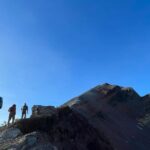
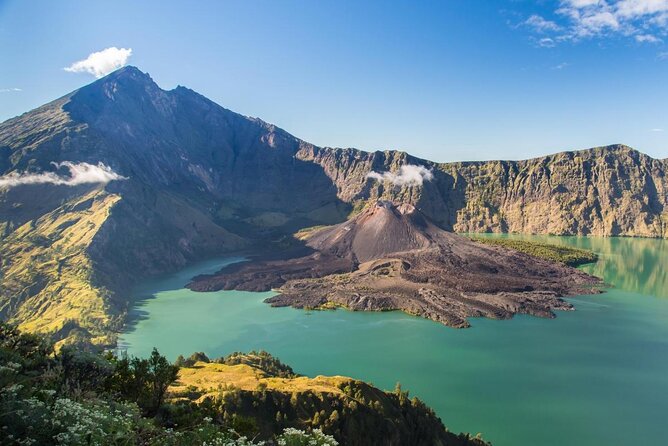
I like how this version chooses the “best view for your time,” instead of aiming for the full summit push. From Senaru (start at 601m), you climb through forest, then grassland, then you reach a rim camp at 2,641m. That one change—from thick jungle to open volcanic slopes—keeps the whole experience feeling varied, not repetitive.
The private guide also matters. In a trek this steep, a group that moves at the right speed is safer and less exhausting. Your guide can slow down, adjust the pace, and keep the plan realistic for your group size and energy level.
You can also read our reviews of more tours and experiences in Lombok.
Day 1: Forest to the rim, with lunch built into the climb
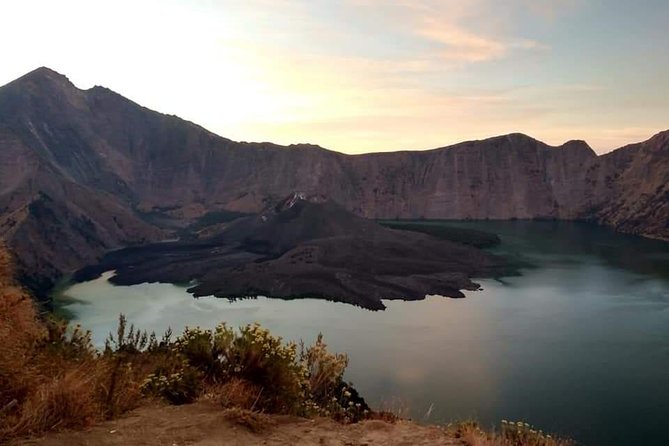
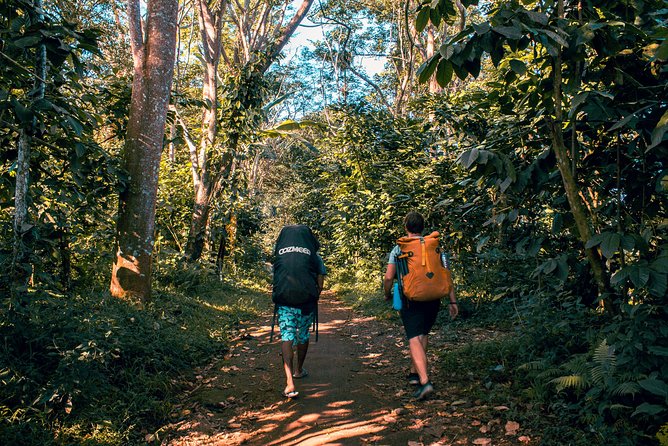
Your day starts with a clear meeting point in Senaru, and a 7:00 am start time. You begin at the Rinjani Trek Centre and start climbing from 601m. Right away, you’re in a dense tropical forest, where the air and footing feel different from later on. It’s not just “walking in trees”—it’s your first taste of trekking on volcanic terrain.
The route includes stops at Pos 1 and Pos 2 where you can rest before the bigger push. Then comes lunch at Pos 3 (2,000m). That matters because it breaks up the climb so you’re not trying to guess when you’ll feel okay again. Lunch at that elevation also signals you’re already halfway up the day’s work.
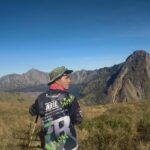
After lunch, the trail steepens as you transition into grassland. This is when your legs start to feel the altitude and grade at the same time. You’re still working up to Senaru Crater Rim (2,641m), which is where the overnight portion becomes the main event.
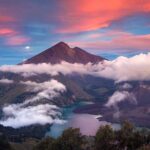
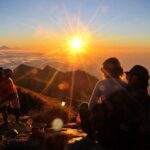
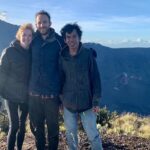
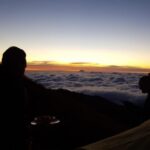
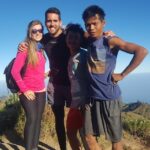
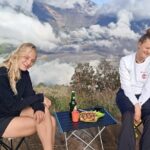
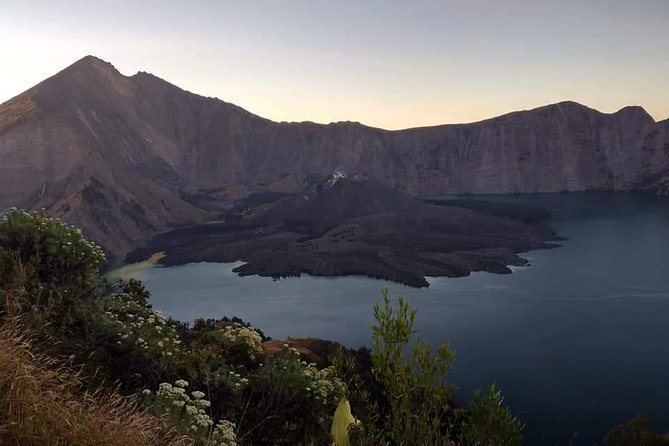
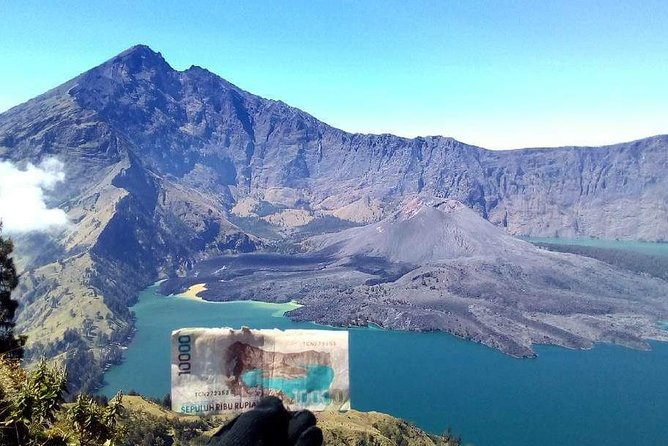
And then you camp. The rim views are the whole reason you’re here: sunset, Mount Agung on Bali, the Gili Islands, the Rinjani summit, Segara Anak Lake, and Gunung Baru. Even if you’re not a “sunset person,” it’s hard not to get quiet when the crater rim suddenly frames multiple islands and volcanic peaks at once.
What to know about Day 1
- You’ll feel the hike most after lunch when the trail turns steeper.
- The forest segment is great for pacing; the grassland segment demands focus.
- Your camp is on the rim, so you’ll already be at height when the sky changes.
Night on the crater rim: camping comfort that actually helps
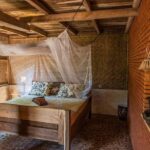
Rinjani treks often sell the drama, but this one also cares about sleeping. The camp setup includes mattresses, pillows, sleeping bags, and a toilet tent. That’s not luxury in an urban sense, but it’s huge for tired trekking legs. When your sleep is better, your morning feels less like punishment.
One detail I really appreciate: the porters handle the cooking gear and camping equipment. That lets you focus on the climbing and not the logistics. In the reviews you can see the pattern: people describe porters as fast, careful, and genuinely helpful—like they’re part of your team, not just background labor.
The campsite itself is set for the view. You’re meant to enjoy the sunset and then wake for sunrise without adding extra trekking hours. That makes the night on the rim feel like part of the hike, not a “between-day chore.”
Sunset vs sunrise: choose your energy wisely
You’ll likely want to take time to settle, eat, and get your headlamp ready for the morning. Sunrise is a relaxed moment in the plan rather than a sprint. Still, you’ll be at altitude and you may feel cooler at night, so your sleeping bag and layers matter.
Day 2: sunrise, breakfast, then a controlled descent
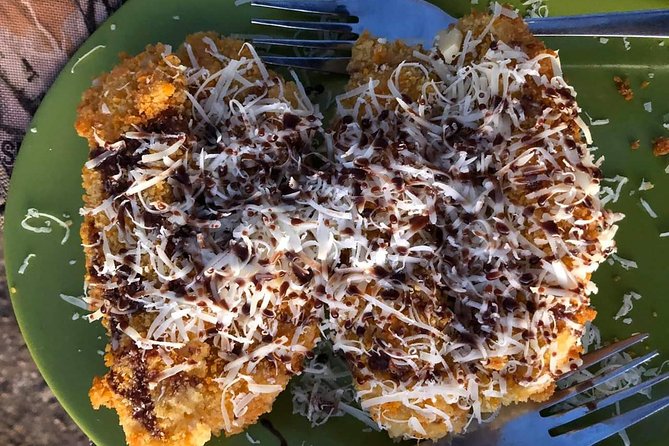
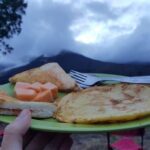
Day 2 starts with waking for sunrise. The plan then shifts to a calmer rhythm: a relaxed breakfast, then you start descending back toward Senaru.
Along the way you’ll get snacks and another lunch stop at Pos 2. That’s a smart pattern because the descent can still be tiring even if you’re not climbing. If you’ve ever wondered why your knees feel like they’re auditioning for a new body, it’s because downhill is work too.
You’ll arrive back in Senaru around 1:00 pm. That means you get an early-to-mid afternoon finish, which is helpful if you’re continuing your trip around Lombok or heading to other areas like Tetebatu (often part of the broader Lombok experience).
What the second day feels like
- Less steep than day 1, but not “easy.”
- You’ll still want proper footwear and attention to footing.
- The snack-and-lunch rhythm helps keep energy stable.
Guides and porters: why the private setup is more than a marketing line
A private tour here isn’t just about having fewer people. It’s about pacing and support at the exact moments when the trek demands it.
The guide is described as English-speaking and experienced, and names like Mario, Benji, Anton, Lim, and Rudi show up repeatedly in feedback. The consistent theme: guides who explain what you’re seeing and keep you motivated when the climb gets tough. If you like learning something real while you hike—volcano behavior, local geography, or just practical tips—this format is a win.
Porters are also a big deal on Rinjani. They carry cooking gear and camping equipment, so you’re not turning your trek into a weight-bearing competition. That support can make the difference between finishing with a grin and finishing with a grimace.
And one more underrated detail: the team setup includes luggage storage available at the Lombok Volcano Trekking office. That can help if you’re coming from (or continuing to) other Lombok stops and don’t want to haul everything around.
Value and cost: what $156 buys (and what it doesn’t)
At $156 per person, this 2D1N package covers a lot of the expensive-moving-pieces part of a crater rim trek.
Included highlights:
- Guide + porters (porters carry cooking gear and camping equipment)
- Food and drinking water: 3 liters mineral water per person per day
- Camping gear: tent, toilet tent and paper, sleeping bags, mattress, pillow
- Luggage storage at the office
- Mobile ticket delivery (simple, modern paperwork)
What’s not included:
- Rinjani national park permit/tickets: IDR 250,000 per person per day
- Accommodation before the trek
- Transportation to/from the area
- Your personal trekking gear: trekking shoes, rain jacket, long pants, gloves, and a headlamp/hand torch
So is it good value? For me, the “yes” is based on comfort and load management. You’re paying not just for a guide, but for a sleep setup that helps you actually function the next morning. You’re also paying to not carry the heavy camp stuff.
If you already have decent trekking shoes and rain protection, you’ll likely feel this price is fair. If you need to buy a bunch of gear last minute, your total trip cost will creep up.
What to pack so Day 1 doesn’t beat you up
The trek setup is handled for you, but your personal items still matter. Plan to bring:
- Trekking shoes
- Rain jacket
- Long pants
- Gloves
- Head lamp / hand torch
Why this list is specific: weather on volcanic terrain can shift fast, and the morning/evening timing means you want good light. Gloves help when you’re tired and your hands aren’t doing much but might still feel cold or dry.
If you’re someone who tends to underpack, I’d lean slightly heavier on layers and rain protection. You’re climbing high, and you’ll be on the rim overnight.
Who should book this trek—and who should rethink it
This trek fits you best if:
- You’re comfortable with a moderate fitness level and can handle steep climbing.
- You want the crater rim experience without committing to a full summit-style program.
- You prefer private pacing and support from an English-speaking guide.
You might rethink it if:
- You expect a gentle hike. The “easiest option” still involves ascending more than 6,500 feet (2,000 meters) in a day.
- You’re not ready for a camping night at altitude, even with a comfortable setup.
For families: the route can be possible with kids, but that depends heavily on the family’s stamina and comfort with challenge. The key takeaway is that this trek is doable for some younger hikers—but it still demands grit.
Should you book the 2D1N Senaru Crater Rim trek?
Yes—if you want a Mount Rinjani experience that hits the crater rim, sunset views, and sunrise without a longer multi-day grind. The big reason I’d book it is the combination of a demanding climb with camp comfort and strong human support (guide + porters).
If you’re deciding between “rushing to the highest point” and “earning a rim viewpoint,” this is a smart middle path. You get a night in the right place, and you come back by early afternoon the next day.
One practical caution: factor in the Rinjani permit fee (IDR 250,000 per person per day) and make sure you’re ready with the personal gear list. If you can do that, you’ll likely feel like you paid for the right mix of effort, comfort, and views.
FAQ
How hard is the Senaru crater rim trek?
It’s listed as moderate fitness, but it still includes more than 6,000 feet (over 2,000 meters) of ascent in a day. Plan for a challenging climb, especially after lunch on the steeper sections.
What time does the trek start?
The start time is 7:00 am, with meeting at the Lombok Volcano Trekking office in Senaru.
What’s included for the camping night?
The package includes a tent, toilet tent and paper, sleeping bags, and a mattress and pillow.
How much water do you get?
You’ll have 3 litre mineral water per day per person included.
Do I need to pay national park fees?
Yes. Rinjani national park permit/tickets are not included and cost IDR 250,000 per person per day.
What should I bring from home?
You should bring trekking shoes, a rain jacket, long pants, gloves, and a headlamp or hand torch.
Is the booking refundable?
No. This experience is non-refundable and cannot be changed for any reason.