REVIEW · LOMBOK
Rinjani Trekking 3 Days 2 Nights (Sembalun – Senaru)
Book on Viator →Operated by HaLoMi Trekker · Bookable on Viator
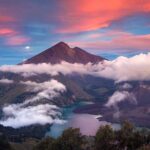
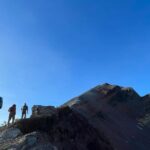
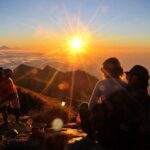
A volcano rim camp feels unreal. This Sembalun-to-Senaru trek takes you from the Mt. Rinjani summit down to the Senaru crater rim, with the lake and hot springs built into the route. It’s the kind of itinerary where the views do most of the talking, and the team helps you get there safely.
I love that the package covers the practical stuff: meals, bottled water, coffee or tea, snacks, and camping gear so you can focus on hiking. I also love the personal service angle, including a guide who takes photos as you go—so you don’t end up only with shaky selfies. In the best-case scenarios, teams like Edi with porters Rus and Zul (and other groups guided by Mul and Dani) are attentive, organized, and ready to help.
One consideration: you’re still responsible for key gear and comfort items that aren’t included, like a headlamp, trekking shoes, a trekking jacket, and long pants. Tips for guide and porters are also not included, so you should budget for that if you want to reward great service.
In This Review
- Key things I’d watch for
- Why the Sembalun to Senaru trek feels like a complete Rinjani story
- Day 1: briefing time, Senaru waterfalls, and setting your rhythm
- Day 2: the summit push, crater lake, and your Senaru crater rim camp
- Day 3: return to Senaru village and close out the trek
- Guides and porters: where the experience gets personal fast
- Meals and camping setup: included comfort, plus what you still handle
- Gear checklist from what’s not included (so you don’t get stuck)
- Transfers, start time, and the Gili bonus ride after your trek
- Price and value: what you’re really paying for at $389.57
- Who this trek fits (and who should rethink it)
- Should you book this 3D2N Rinjani trek with HaLoMi Trekker?
- FAQ
- What is the trek route for this Rinjani 3D2N experience?
- How long is the experience?
- What time does the day start?
- Is pickup and drop-off included?
- Is this a private tour?
- What does the package include for food and drinks?
- Does the trek include camping gear and accommodation?
- Is a vegetarian option available?
- What is not included that I should bring?
- Do I get any extra transport after the trek?
- Is there a way to change or cancel the booking?
Key things I’d watch for
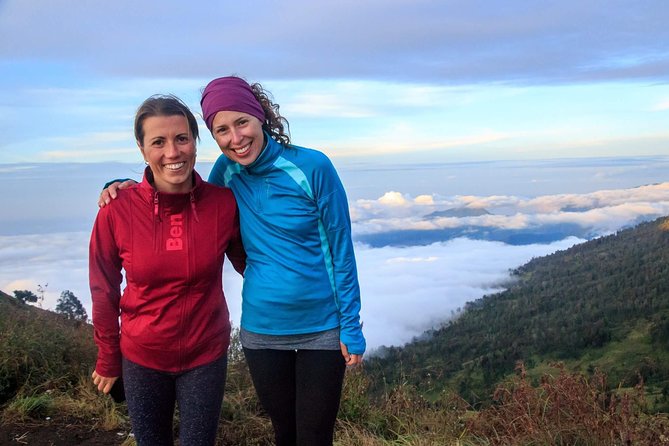
- Private trek flow, not a big cattle-call: it’s set up for only your group.
- Summit + lake + hot springs in 3 days: you get the full “Rinjani highlights” sequence.
- Photo stops with your guide: it’s built into the experience, not an afterthought.
- Meals and camping gear included: less packing stress, more time moving.
- Senaru waterfalls as a warm-up day: Sindang Gile and Tiu Kelep add a calmer start.
Why the Sembalun to Senaru trek feels like a complete Rinjani story
This is a 3-day, 2-night Rinjani plan that follows a classic arc: climb up toward the crater rim, go for the summit, then descend to Senaru. What makes it feel “complete” is the mix of big-ticket scenery and calmer moments. You’re not just chasing height—you’re also scheduling the crater lake, hot springs, and a couple of standout waterfalls around Senaru.
The other thing I like is how much of the day-to-day logistics are handled. You get hotel/port pickup and drop-off, national park fees, overnight accommodation, bottled water, coffee or tea, and camping gear. That matters because on a volcano trek, the annoying details can distract you from the actual experience.
And yes, it’s still a real hike. The route includes a summit push and a crater-rim camp, so you’ll want decent stamina and a steady pace mentality. The good news is you’re not doing it alone—there’s a local guide and porters carrying the essentials.
You can also read our reviews of more tours and experiences in Lombok.
Day 1: briefing time, Senaru waterfalls, and setting your rhythm
Your day starts at 8:00 am with briefing time. That briefing isn’t just paperwork—it’s where you get your footing for the next days, including expectations for the hikes and camp. This is the moment where a good guide can calm your brain and help you plan your effort.
Then you shift into a Senaru introduction with time at Sindang Gile and Tiu Kelep waterfalls. The visit is set for about 2 hours, and admission tickets are listed as free. This is a smart warm-up contrast after the travel and morning orientation: you’re still outdoors, still moving, but you’re not yet doing the toughest climbs.
If you’re the type who gets nervous on steep routes, this day helps. Waterfalls are forgiving on the mind. You can take photos, watch your footing on trails, and get comfortable with the local rhythm before the volcano asks for more effort.
Day 2: the summit push, crater lake, and your Senaru crater rim camp
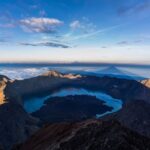
Day 2 is the heart of the trek. It’s described as the first day of the hike, and the overall plan includes scaling the summit, then descending toward the crater lake. That means you’ll experience both the climb intensity and the mental reset that comes when you switch from pushing up to moving down.
After the summit and lake segment, you camp on the Senaru crater rim. Overnight accommodation and camping gear are included, which is exactly what you want on day 2. This is where a well-run team makes a difference, because camp setup and meal timing can either make you feel human again or leave you thinking, why did I pack so light.
You’ll also be part of the schedule that includes the lake and hot springs. The hot springs part is important because it’s a natural recovery moment—something to look forward to when your legs are done negotiating.
One more detail that I think matters: your guide takes photos as you go. When you’re tired, you stop trying to remember which direction you’re facing. A guide who photographs your milestones helps you preserve the story without you constantly stopping to deal with a camera.
Day 3: return to Senaru village and close out the trek
Day 3 is set as the second day of the hike, but the itinerary’s theme is clear: summit up, down to the lake, then back up to the Senaru crater rim again before you finally reach Senaru. In plain terms, this day is about finishing the big loop and landing back in a more familiar setting.
The end of the trek is walking down to Senaru village to finish. This “arrive” moment is more than a checkbox. It’s where you realize what the climb really cost you—and what it gave you—because the trail finally stops asking for constant focus.
After that, your experience includes transfers out: you’re brought from Lombok to Senaru on the day before the main trek (noted as day 0), and then transferred to your next Lombok destination on day 3. That’s helpful if you’re trying to stitch this trek into a longer Lombok or Gili itinerary without losing a day to chaotic planning.
Guides and porters: where the experience gets personal fast
On a trek like this, the guide matters as much as the mountain. The best part of this setup is that it’s not just about route knowledge—it’s about how the team treats the group in real time.
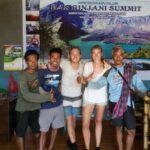
You’ll likely travel with guides such as Edi, Mul, or Dani. In the experiences I’m basing this on, guides were described as experienced, attentive to safety, and actively checking in when conditions were tough (like rain or heavy fog). That kind of responsiveness matters because you can’t muscle your way through bad visibility—you need calm decision-making.
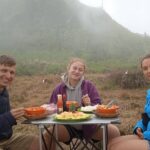
The porters also show up as a major part of why this trek feels smooth. Porters like Rus and Zul are mentioned as taking great care of needs during the camp, with delicious food support. Even if you pack light, camp logistics still affect your energy, and a strong porter team helps you keep your mind on the hike.
One more service detail I really appreciate: photo taking as you go. It sounds small until you’re standing in a crater rim landscape and realize you’re too tired to pose well. A guide who handles those photo moments means you go home with memories that look like you were actually there.
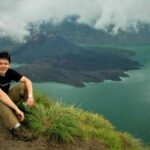
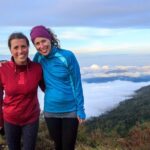
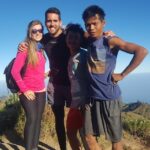
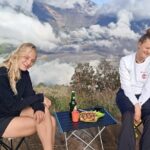
Meals and camping setup: included comfort, plus what you still handle
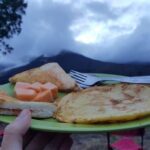
The package includes breakfast (3), lunch (3), and dinner (2). You also get bottled water, plus coffee and/or tea, and snacks. That is a lot of “feeding you” built into the price, which can be a huge deal on trek days when shops are nowhere near convenient.
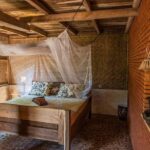
What’s also included is overnight accommodation and camping gear. That means you’re not stuck trying to rent or borrow the right camp equipment at the last minute. On volcano trekking, that reduces stress more than you’d think.
Vegetarian options are available if you request them at booking. That’s worth doing early. It’s also smart because it keeps meal timing smooth when everyone else is eating.
Not included items are where you should focus next. The trek plan lists that you’ll need to bring your own trekking jacket and trekking shoes, plus long pants/trousers and a small backpack/daily pack. Also, a headlamp/hand torch is not included—plan for that.
Gear checklist from what’s not included (so you don’t get stuck)
Here’s what you should expect to bring yourself, based on what the tour doesn’t include:
- Headlamp or hand torch: you’ll want this for dark trail moments and camp routines.
- Trekking shoes: don’t rely on flat sneakers if you can avoid it.
- Long pants/trousers: for trail protection and comfort.
- Trekking jacket: weather on volcanoes can change fast.
- Small backpack/day pack: keep it light for daily carry.
Also consider the note about an extra porter for your own luggage. That’s not included, so if you’re traveling with extra bags you don’t want to carry, plan ahead. For many people, a smaller pack and smarter packing works best.
A quick practical tip: if you’re used to day hikes, this still feels different. You’ll want gear that’s comfortable for hours, not just for a scenic walk.
Transfers, start time, and the Gili bonus ride after your trek
This trek includes hotel/port pickup and drop-off, and it offers transfers from Lombok to Senaru on day 0 and back to Lombok (your next destination) on day 3. In real travel terms, that reduces friction. You’re not spending your trek days coordinating taxis, ferries, and schedules.
Your meeting time is 8:00 am, so plan to be ready early rather than rushing out the door. Also, this experience uses a mobile ticket and is described as having group discounts.
One extra perk listed is a free bonus boat transfer to Gili Island after the trek. That can be a big value add if your next stop is Gili. It’s the kind of detail that saves you both time and negotiation energy at the end of a hiking challenge.
Price and value: what you’re really paying for at $389.57
At $389.57 per person, this is not a budget add-on. But it’s also not just paying for a guide and a route. The price is tied to a lot of included components that add up fast on the ground.
Here’s what’s included that supports the value:
- Local guide and camp setup support (camping gear is included)
- National Park fees and local taxes
- Meals across the trek days (3 breakfasts, 3 lunches, 2 dinners) plus snacks
- Bottled water, coffee/tea
- Overnight accommodation
- Transfers into and out of the trekking area
- Hotel/port pickup and drop-off
- A photo-taking guide service as you go
- Vegetarian option if requested at booking
What can add cost later:
- Tips for guide and porters are not included
- Extra porter service for personal luggage is not included
- You’ll pay for your own gear items that aren’t included (headlamp, shoes, jacket, long pants, daily pack)
- Airplane tickets are obviously separate
So the question isn’t only, is it expensive. It’s: does it remove enough hassle and risk that you’d otherwise pay time and money to solve? For many hikers, the answer is yes—especially if you want a smooth experience without equipment rentals and fee confusion.
Also, this is commonly booked about 20 days in advance on average. If you’re trying to lock in dates, earlier is safer.
Who this trek fits (and who should rethink it)
This is described as suitable for most travelers, but it’s clearly a fitness challenge because it includes summit climbing and camping on the crater rim. So I’d treat it as an adventure that rewards steady effort, not a casual walk.
This trek fits you if:
- You want a private group experience with your own guide and team
- You like having meals and camping gear handled
- You want classic Rinjani highlights: summit, crater lake, hot springs
- You plan to combine the trek with a beach phase, since the Gili bonus boat transfer is listed
It might be less ideal if:
- You’re missing key hiking gear and hate buying it last-minute
- You don’t want to handle extra costs like tips
- You’re traveling with mobility limits, since the route includes steep, multi-day hiking and a crater rim camp
If you’re traveling with kids, note that children must be accompanied by an adult.
Should you book this 3D2N Rinjani trek with HaLoMi Trekker?
If you want Rinjani without turning your trip into logistics math, I think this is a strong choice. The included meals, bottled water, coffee/tea, snacks, camping gear, park fees, and transfers are the backbone of a good trek—because they protect your energy for the climb.
I’d especially like this option if your priority is a guided experience where the team is responsive and detail-focused. With guides such as Edi, Mul, and Dani, plus porter teams like Rus and Zul, the service angle comes through: safety attention, supportive pacing, and even photo moments that help you capture the day when your legs are tired.
Before you click book, do two quick checks:
1) Do you already have the basics like trekking shoes and a headlamp?
2) Can you budget for tips, since that’s not included?
If the answers are yes, this trek is the kind you’ll remember for the rest of your Lombok trip.
FAQ
What is the trek route for this Rinjani 3D2N experience?
It’s a Sembalun to Senaru trek on Mt. Rinjani, with a plan that climbs toward the crater rim, includes the summit and the lake, and then finishes by reaching Senaru village.
How long is the experience?
The trek is described as 3 days and 2 nights, with the overall experience marked as about 4 days.
What time does the day start?
The meeting time is listed as 8:00 am.
Is pickup and drop-off included?
Yes. The experience includes hotel/port pickup and drop-off, plus transfers from Lombok to Senaru on day 0 and back to your next Lombok destination on day 3.
Is this a private tour?
Yes. It’s described as a private tour/activity, meaning only your group participates.
What does the package include for food and drinks?
It includes breakfast (3), lunch (3), dinner (2), bottled water, coffee and/or tea, and snacks.
Does the trek include camping gear and accommodation?
Yes. Camping gear and overnight accommodation are included.
Is a vegetarian option available?
Yes. A vegetarian option is available if you advise at the time of booking.
What is not included that I should bring?
Not included items include a headlamp/hand torch, long pants/trousers, a small backpack/daily pack, trekking jacket, and trekking shoes. Tips for guide and porters are also not included.
Do I get any extra transport after the trek?
Yes. There is a free bonus boat transfer to Gili Island after the trek.
Is there a way to change or cancel the booking?
No. The experience is non-refundable and cannot be changed for any reason.