REVIEW · LOMBOK
Rinjani Trekking 2D1N Senaru Crater rim
Book on Viator →Operated by Rinjani Sunrise · Bookable on Viator
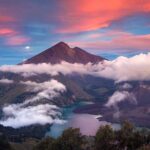
The crater rim view feels like a cheat code. This trek from Senaru aims for Rinjani’s crater rim, with standout views toward the Lake and Baby Volcano that make the climb worth every tough step.
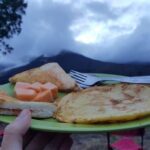
What I like most is how well the trip is run once you’re on the mountain. Guides such as Ir and Edi, plus porters who take care of the heavy lifting, help keep you moving at a steady pace, and meals on the go tend to feel surprisingly solid at altitude.
One real consideration: nights can get extremely cold, with some routes reaching minus temperatures, so you need the right layers and long pants, not just a light jacket and optimism.
In This Review
- Key highlights
- Senaru Crater Rim: why this Rinjani route feels like a second summit
- Your 3 days 2 nights plan, explained (the 2D1N naming twist)
- Starting from Senaru: timing, pickup, and what transfers mean in practice
- Day 1: walking into the crater-rim approach with full-board meals
- Day 2: reaching the Senaru crater rim, then switching into camp mode
- Gear and clothing that matter when the temperature drops
- Panorama walk options: Sindang Gile and Tiu Kelap only if you choose private
- Price and value: what $262.91 covers and why it can be fair
- Who this trek suits best (and who should rethink it)
- Weather and operator communication: the one thing to get right
- Should you book this Senaru Crater Rim 2D1N with Rinjani Sunrise?
- FAQ
- Is it really a 2 days 1 night trek?
- What time does the tour start?
- What’s included in the price?
- Is pickup included?
- What fitness level and age is this suitable for?
- What should I bring versus what’s provided?
- What happens if the weather is bad?
Key highlights
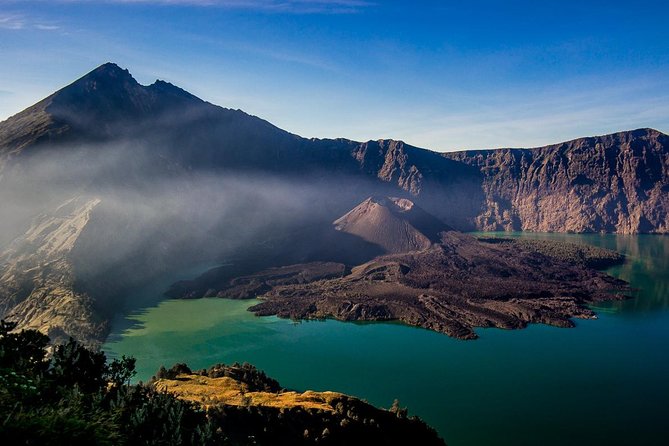
- Senaru Crater Rim views aimed at the Lake and Baby Volcano
- A true 3 days 2 nights rhythm even though it’s sold as 2D1N
- Guide-led trekking with porters, including setup and support at camp
- Meals and basic camping gear included, including sleeping bags and a mattress
- Cold-weather clothing matters more than people expect
- Private option upgrades can add Sindang Gile and Tiu Kelap waterfall time
Senaru Crater Rim: why this Rinjani route feels like a second summit
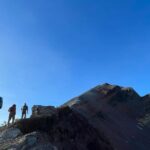
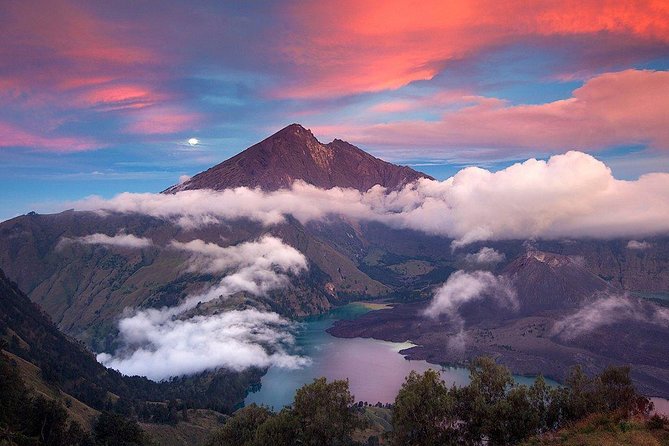
If you want the kind of Rinjani payoff that makes you forget the steep sections, the Senaru Crater rim route is built for that. From Senaru, you’re not just walking through forest. You’re working your way to a viewpoint that’s often described as a second summit because the crater-rim perspectives can feel huge and close at the same time.
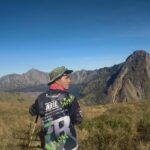
The big visual goal here is the crater rim view toward Rinjani’s Lake and the Baby Volcano. When the weather holds and visibility is decent, you get that rare combo: dramatic volcanic terrain in the foreground and big, open views stretching outward. It’s the sort of scenery that makes you pause even when your legs beg you not to.
This trek also suits people who want a guided experience rather than total self-navigation. You follow a plan, get support, and reach the key viewpoint with a schedule that makes sense for daylight and a camp night.
You can also read our reviews of more tours and experiences in Lombok.
Your 3 days 2 nights plan, explained (the 2D1N naming twist)
First, let’s clear up the naming confusion. Even though it’s often called a 2 days 1 night crater rim trek, the structure works like this:
- You start with a night at accommodation in Senaru the day before your main mountain push.
- Then you spend the night on tents/campsite during the trek.
- The overall experience runs about 3 days and 2 nights.
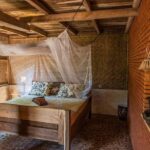
So you’re effectively getting two overnight experiences: one on the calmer side in Senaru, then one in camp on the mountain. That extra context matters for how you feel when the steep portion begins. It’s not just a random hike where you show up and suffer. You get a proper setup rhythm.
The itinerary also has flexibility: departures can happen on many days as long as weather conditions permit. That’s important on Rinjani, where cloud cover and safety limits can change the plan.
Starting from Senaru: timing, pickup, and what transfers mean in practice
The day begins with a 8:00 am start time. That matters because you’ll want daylight on your side for the hardest sections and for seeing the views you came for.
You also get all transfers in and out included, and pickup is offered. In real terms, that means you’re not coordinating separate rides after you finish (or trying to figure out local schedules when you’re tired). For many first-timers, that alone is worth paying attention to, because trekking logistics can turn into a headache fast if you’re juggling vehicles.
The trip is also positioned as private. That usually means you’re traveling as your own group rather than getting stuck with lots of strangers and mixed pace styles. The upside is easier communication with your guide. The downside is you’ll want to show up with the right expectations for pace and comfort, because there’s no automatic buffer of a bigger group setting a rhythm.
Day 1: walking into the crater-rim approach with full-board meals
Day 1 is about getting your body moving in the right way and getting into the mountain zone without rushing. This is not described as an unguided adventure. You’ll have a guide and porters, and the plan includes full-board meals during the trek.
What that means for you: you can think less about where food comes from and more about how you manage your effort. When food is built into the schedule, you’re less likely to under-eat and crash early. It also helps for families and beginners, because the trek becomes a paced experience rather than a survival test.
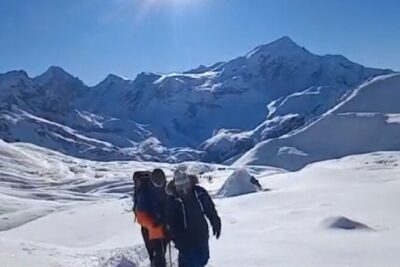
You should still expect effort. This is a challenging hike and the payoff tends to come for people who keep a steady pace, especially during the uphill sections. Having porters matters because it keeps the physical load more manageable. You focus on moving; they focus on equipment and camp support.
Day 2: reaching the Senaru crater rim, then switching into camp mode
This is the day you’re really aiming at. The goal is to get to the best points for viewing the Lake and Baby Volcano from the crater rim. On clear days, this is where you get that feeling that you climbed into a volcanic photo album.
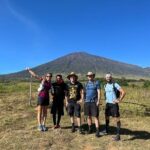
Expect a long push and plan for a steady climb rather than sprinting. In the reviews, people repeatedly describe the hike as challenging but rewarding, and that guides made it feel doable. Guides like Ir and Edi are specifically credited for pacing and encouragement, and that type of support matters on steep, tiring sections where motivation can dip.
Once you’re done with the main viewpoint time, the experience shifts to camp. Camping gear is provided, including a tent, toilet tent, sleeping bags, and a mattress. That’s a big deal because it protects your comfort. On high altitude nights, sleep quality can determine how you feel the next morning.
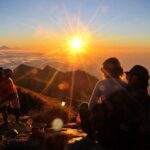
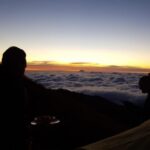
One standout detail: you may get time at camp for the sky. Some guides set up the camp so you can enjoy sunset and even see the milky way, depending on conditions. Even if skies aren’t perfect, that camp setup is part of the reason this trek feels like more than just a walk-and-go.
Gear and clothing that matter when the temperature drops
Cold on Rinjani isn’t a maybe. The cold is a planning issue.
Here’s what to prioritize based on what’s clearly stated for the route:
- Long pants: important because the trek reaches very cold conditions, even minus temperatures on high altitude sections.
- A tick coat or jacket: if you don’t have one, you can rent it on the spot.
- Trekking shoes: you’ll want hiking shoes with good grip. Running shoes can work if they grip well, but the point is traction.
- Personal medicine: bring what you need for stomach issues, headaches, or anything you use regularly.
There’s also a mention of short pants for a nature sauna. If that’s your thing, plan to pack it. If it’s not, focus on warmth first. Cold beats discomfort you can laugh off.
If you take one lesson from this kind of trek, it’s that packing light is not the same as packing smart. Layers and traction will do more for you than squeezing in one extra souvenir.
Panorama walk options: Sindang Gile and Tiu Kelap only if you choose private
There’s an interesting add-on here, but it depends on which option you choose. A panorama walk to Sindang Gile and Tiu Kelap Waterfall is included only if you pick the private tour option.
So if you’re choosing this trek mainly for crater rim views, you might not care about extra waterfall time. But if you like variety—forest walking, viewpoint time, then a waterfall break—that add-on can make the trip feel fuller without turning it into a different trek entirely.
Price and value: what $262.91 covers and why it can be fair
At $262.91 per person, you’re not just paying for walking. You’re paying for a package that includes the core parts that make trekking smoother:
- All transfer(s) in and out
- One night accommodation in Senaru before the trek
- Full-board meals during the trek
- All entrance fees
- Camping gear (tent, sleeping bag, mattress, toilet tent)
- Guide and porters
- Mobile ticket and pickup offered (so you’re not handling the whole admin side alone)
That’s a lot of built-in value. The big question isn’t whether you like paying for services—it’s whether the services match how you want to travel. If you don’t want to organize rides, source camping gear, and scramble for food, this price can feel reasonable.
The main money you might add yourself is gear you’re expected to bring or rent: trekking shoes, and warmth layers (with jacket rental possible on the spot). If you already own proper hiking shoes and a thick cold-weather jacket, you may spend less on extras.
Who this trek suits best (and who should rethink it)
This crater rim trek is marketed as suitable for beginner or family travel with kids minimum 10 years old, as long as you have a moderate physical fitness level.
That fits a lot of travelers. Beginners often struggle most with logistics and uncertainty, not the trail itself. Here, having a guide, porters, and included meals reduces those stress points. Families often also appreciate knowing there’s a planned structure and camp setup, rather than improvising.
Who might reconsider? If you’re very sensitive to cold, or if minus-temperature nights sound miserable, you need to pack seriously and be honest about your comfort tolerance. Also, if you expect a casual stroll with flexible pacing, this is still a real climb. Guides can encourage you, but they can’t erase altitude.
Also remember: weather controls departure. If your schedule is rigid with no flexibility, you’ll want backup time.
Weather and operator communication: the one thing to get right
Weather is a gatekeeper on Rinjani. This trek can leave on many days, but poor weather can cancel departures. The key is to plan with enough buffer time and avoid stacking the trek as your only option.
Communication quality matters too. In the feedback you’ll see strong praise for guides like Ir and support teams like Amants for briefing and transfers. But there’s also a cautionary signal from a small negative experience where confirmation and arrival expectations didn’t match.
So here’s the practical advice: before you go, verify your pickup time, confirmation details, and arrival day clearly. If an email isn’t clear, send a short follow-up message and restate your date and the pickup plan. It takes minutes and can save hours of stress.
Should you book this Senaru Crater Rim 2D1N with Rinjani Sunrise?
I think you should book if you want crater rim views with real structure: transfers, meals, camping gear, and a guide-led push toward the Lake and Baby Volcano. The trek is also a strong choice if you’re traveling with kids (10+) or you’re a first-timer who prefers support over self-planning.
I’d pause before booking if you hate cold nights, don’t have proper trekking shoes, or you can’t shift your schedule if weather cancels. And because there’s at least one caution about confirmation mismatch, do your part: confirm details in writing and double-check the pickup and dates.
If you do that, this is the kind of Rinjani experience that can feel like a serious adventure, with the payoff waiting at the rim.
FAQ
Is it really a 2 days 1 night trek?
It’s commonly named 2D1N, but the structure runs about 3 days and 2 nights. You get 1 night accommodation in Senaru before the trek and 1 night on a tent/campsite during the trek.
What time does the tour start?
The start time is 8:00 am.
What’s included in the price?
The tour includes full-board meals during the trek, all transfers in and out, 1 night accommodation in Senaru before the trek, entrance fees, camping gear (tent, toilet tent, sleeping bags, and mattress), plus a guide and porters.
Is pickup included?
Yes. Pickup is offered, and all transfers in and out are included.
What fitness level and age is this suitable for?
It’s suitable for beginner or family travel with a minimum age of 10 years old, and it asks for moderate physical fitness.
What should I bring versus what’s provided?
You should bring trekking shoes with good grip and long pants for cold high-altitude conditions. A thick jacket can be rented on the spot if needed. Personal medicine is not included. Camping gear like tents and sleeping bags are provided.
What happens if the weather is bad?
This experience requires good weather. If it’s canceled due to poor weather, you’ll be offered a different date or a full refund.