REVIEW · LOMBOK
Rinjani Trekking 3D2N Summit
Book on Viator →Operated by Team Backpacker · Bookable on Viator
Mount Rinjani tests you, then pays you back. This supported 3-night trek gives you a guided route to two crater rims, the Segara Anak area, and sunrise-and-sunset viewpoints—without you juggling every detail. I especially like that the Mount Rinjani National Park fees and porters are covered, so your time stays on the trail. One drawback to plan for: it is a serious hike with cold nights, and comfort items like extra cozy gear or personal medicine are on you.
You also get a real structure that makes the climb feel manageable. You start with a night in Senaru, then move up to crater-rim camping, which helps you mentally and physically settle before the tougher sections. Expect a lot of “moving,” not sightseeing from a bus window.
The good news: this is built for active people, and it’s priced as a supported trek rather than a bare-bones adventure. The tradeoff: if you’re hoping for softness (extra comfort gear, cushy sleeping), you’ll need to adjust expectations or choose a higher-comfort option.
In This Review
- Key things that make this Rinjani trek worth your attention
- The real value: supported summit trekking in Lombok
- Day 1: Senaru Village pick-up and a calmer first night
- Day 2: the Sembalun side and crater rim camping
- Day 3: sunrise mission, Segara Anak, and the Senaru rim night
- Day 4: descent to Senaru and the waterfall side trips
- The sunrise and sunset factor: why timing is built into the trek
- Food, comfort, and what to bring so you’re not miserable
- Gear and porter help: how the support actually helps your body
- Transfers and group size: what logistics mean on a mountain trek
- Price reality check: is $243.92 good value for Rinjani?
- Who this Rinjani trek is best for
- Should you book the Rinjani Trekking 3D2N Summit experience?
- FAQ
- How long is the trek, and how many nights are included?
- What is included in the package?
- Do I need trekking shoes or are they optional?
- Is the national park entry fee included?
- What clothing and cold-weather items should I bring?
- Are pick-ups available from anywhere in Lombok?
Key things that make this Rinjani trek worth your attention
- National park fees included, so you don’t have to budget surprise extras
- Porters carry your gear, which matters a lot when altitude and steep parts stack up
- Crater rim camps at Sembalun and on the Senaru side, with classic sunrise and sunset timing
- Full board meals and drinks plus all camping gear, so you’re not figuring out camp basics
- Waterfalls on the route (Sindang Gila and Sendang Gile plus Tiu Kelep), adding variety beyond volcano views
- Guide care matters, and one guide named Radu is specifically praised for looking after the group
The real value: supported summit trekking in Lombok
At around $243.92 per person, this trek is aiming at the sweet spot: you pay for logistics and support, but you still do the hiking yourself. That’s the key. You’re not buying luxury—what you’re buying is less hassle and less gear stress, with professional help on the mountain.
The most practical part is that the trek is supported end to end. You get return transfers to and from the mountain area, a local guide, and porters. When you’re climbing in cold air, steep terrain, and changing weather, that support is not a small perk—it changes how you budget your energy.
I also like that it’s not trying to be a long, drawn-out expedition. It’s built around a compact route with one night in Senaru Village and two camping nights higher up. That rhythm is ideal if you want to experience Rinjani’s big sights without spending a week grinding your way through the process.
You can also read our reviews of more tours and experiences in Lombok.
Day 1: Senaru Village pick-up and a calmer first night
Your first day is all about getting oriented. You’ll be picked up from places within Lombok (including ports), then land in Senaru Village for the night. That initial hotel-style stop matters because you’re about to jump from normal daylight into mountain cold and early starts.
Senaru is also where you get a baseline for the trip’s pace. You’ll see other hikers gathering, and you’ll get a feel for what a real “team hike” looks like—moving together, checking in with your guide, and getting clear on what you’re carrying.
One thing to remember: since this is a high-altitude trek, your first job isn’t heroics. It’s preparing your layers, your boots, and your sleep setup so you’re not dealing with avoidable problems on Day 2.
Day 2: the Sembalun side and crater rim camping
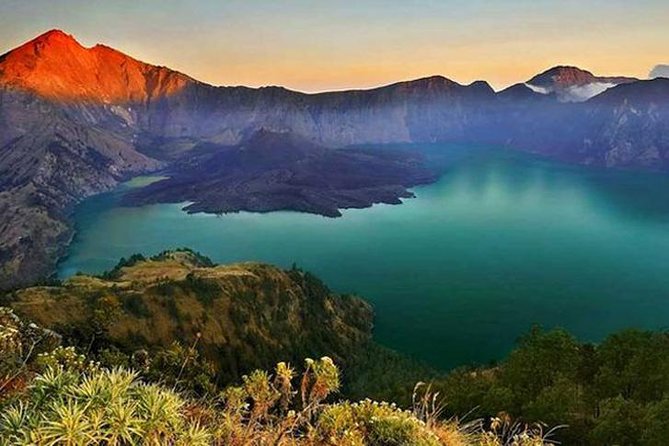
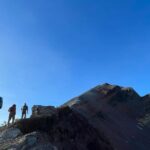
The second day is when the trek turns from travel into work. After starting the hike, you reach the Sembalun crater rim for overnight camping.
This is the day you feel altitude in your breathing, even if you’re fit. The terrain is rugged enough that your pace matters more than your speed. If you rush, you’ll waste energy early. If you move steady and protect your breathing, the day feels more controlled.
Camping on a crater rim also means you should plan for big temperature swings. One supplied packing note is blunt: it can get cold at high altitude, even down to minus temperatures. That doesn’t mean you should panic, but it does mean you should take warmth seriously. Pack like you’ll need layers, not like you’ll just be chilly.
Day 3: sunrise mission, Segara Anak, and the Senaru rim night
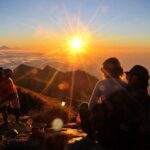
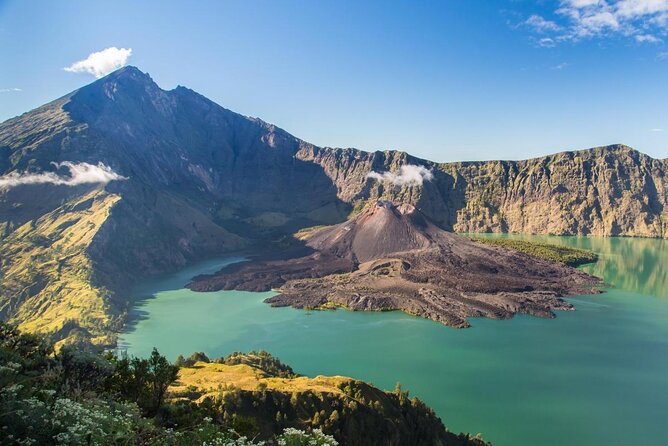
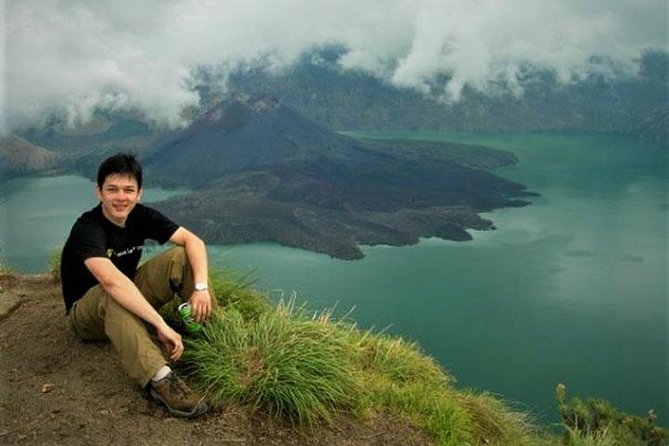
Day 3 is the centerpiece. You head toward the Rinjani summit, enjoy sunset and sunrise viewpoints (the classic timing people aim for here), and then you continue into the Segara Anak Lake area before overnighting at a campsite on the Senaru crater rim.
This day tends to feel intense because it combines big elevation goals with long stretches of walking. It’s not the kind of trek where you can coast. The best way to handle it is to treat it like two separate efforts: an early push for summit and timing, then a later stretch where you keep your focus and don’t burn out.
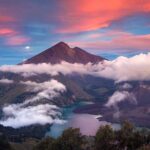
The lake and the viewpoint factor is why people do Rinjani. Segara Anak is not just a dot in the distance—you’ll feel like you’ve reached a different world, framed by volcano terrain. Even if you don’t love heights, the visual payoff is the sort that makes you slow down and look longer than you planned.
Day 4: descent to Senaru and the waterfall side trips
The fourth day is about coming down and finishing strong. You return to Senaru Village for drop-off.
On the way, you get the best kind of variety: water and movement. Your route includes Sindang Gila Waterfall and also Sendang Gile and Tiu Kelep Waterfall. That matters because Rinjani can be all volcano and sky for days. Waterfalls break up the focus and give you something different to anticipate.
A practical note: waterfalls can mean wet ground and slippery steps. So while it’s tempting to treat this as the easy day, keep your footing and don’t drop your guard.
The sunrise and sunset factor: why timing is built into the trek
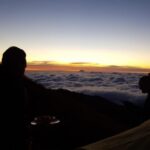
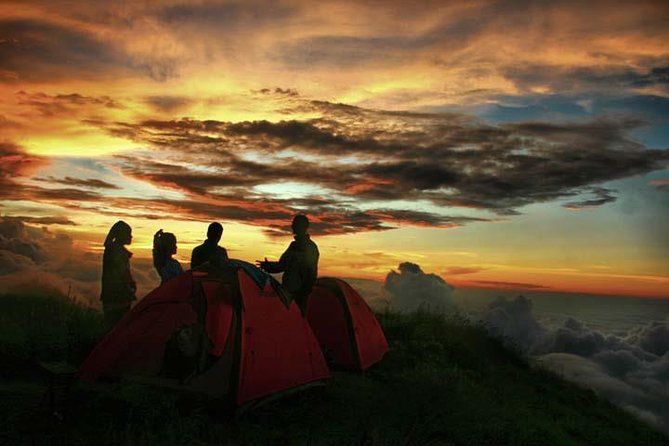
This trek is designed around the moments that make volcano hikes famous. You’re set up for the best points to see sunset and then you’re also doing the sunrise timing as part of the climb plan.
Here’s why I think that’s good value: sunrise and sunset viewpoints on Rinjani aren’t just decoration. They’re part of the rhythm of the climb. You feel the mountain’s mood shift between day and night. And you get a reason to keep moving even when your legs complain.
That said, sunrise and summit goals demand commitment. If you show up underprepared—sleep-deprived, under-layered, or with footwear that isn’t grippy—you’ll feel it more during the cold, dark hours.
Food, comfort, and what to bring so you’re not miserable
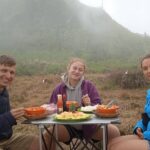
You get full board meals and drinks and all camping gear, which is a big deal. It means you can focus on the hiking rather than assembling a camp kit.
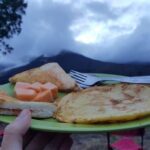
That said, one review summary that lines up with what you should expect is simple: meals are enough, and they’re simple but tasty. Translation: don’t expect a restaurant meal plan. And do expect basic mountain food.
I’d also take the advice to bring snacks. When your route includes summit pushes and crater rim walking, you burn calories fast. Snacks can save your mood when hunger hits at the wrong time.
On comfort level, you should calibrate. One review notes that if you want extra comfort like a pillow or chair, you may need a more expensive company option. This trek provides camping gear, but it’s not marketed as cushy.
For your personal packing list, focus on what’s specifically called out:
- Trekking shoes with good grip (running shoes can work if they grip well)
- Warm layers, because high altitude can get brutally cold (including long pants)
- Tick coat or jackets: if you don’t have one, you can rent on the spot
- Bring swimwear and clothing, since it’s part of the expected gear set
- Small towel is not included, so pack one if you need it
- Any personal medicine is not included, so bring what you rely on
Also, if you’re the type who counts on tiny comforts—thick socks, lip balm, a dedicated snack stash—pack those now. The trek supports the basics, but your body still needs the little upgrades that make cold nights survivable.
Gear and porter help: how the support actually helps your body
Porters are included, and this isn’t a small detail. When you’re walking on uneven ground with a heavy pack, your pace often gets worse because your body starts paying for every step. With porter support, you’re not turning the hike into a backpack test.
You still do the hiking. You still feel the altitude. But removing weight from your shoulders lets you keep a more consistent stride, which is the difference between managing the climb and fighting it.
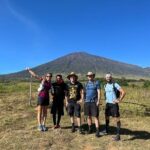
The guide support is also a real part of the experience. A review specifically praises guide Radu for taking great care of the group. That’s exactly what you want on a challenging route: someone who keeps timing, safety, and group movement in check.
Transfers and group size: what logistics mean on a mountain trek
This trek includes air-conditioned vehicle transfers and all transfers in and out, which you’ll appreciate once you’re tired. You’re not stuck arranging rides after a long descent.
You’ll also be in a group setting. The tour notes a maximum of 100 travelers. That doesn’t mean you’ll feel like a crowd the whole time, but it does suggest the organization is geared for handling groups.
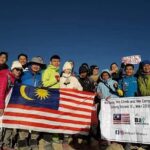
Group dynamics matter on a strenuous trek. You want your pace respected, and you want the guide to keep the group moving safely. This is the type of trip where a calm, structured team approach helps everyone.
Price reality check: is $243.92 good value for Rinjani?
Let’s talk value in plain terms. At about $243.92 per person, you’re paying for:
- a local guide and porters
- full board meals and drinks
- camping gear
- return transfers
- a night in Senaru Village
- Mount Rinjani National Park fees
If you tried to assemble those pieces yourself—guides, porter labor, park fees, transport, and camp support—you’d likely spend more than you expect. The biggest “value win” is that you’re not paying in stress. You don’t have to negotiate multiple vendors while your mind should be focused on boots, layers, and the climb.
The main thing you should weigh is comfort expectations. This trek provides support, but it isn’t described as high-comfort camping. If you want pillow-chair style comfort, you’ll need to budget for a higher-comfort version. Otherwise, treat it as a well-supported adventure with basic mountain comforts.
Who this Rinjani trek is best for
This is best for active travelers who want a guided, supported path up Mount Rinjani’s key viewpoints. If you enjoy hiking, don’t mind cold nights, and you’re okay with simple food and camping conditions, you’ll likely enjoy the mix of volcanic views and waterfall stops.
It’s also a good fit if you want to avoid logistics. Instead of building the whole trip yourself, you show up with the right clothing and leave the mountain operations to the team.
It might not be for you if:
- you hate early starts and long hiking days
- you’re sensitive to cold and don’t want to layer up
- you expect luxury comfort in camp
- you’re not comfortable carrying your own basic personal items (medicine, small towel, snack stash)
Should you book the Rinjani Trekking 3D2N Summit experience?
I’d book it if your priority is a serious volcano trek with support: porters, meals, camping gear, park fees, and trained guidance. The fact that you’re aiming for summit and crater rim viewpoints, plus Segara Anak and the waterfall route, makes it feel like a full, efficient Rinjani taste without turning into a slow slog.
The decision hinge is your readiness. This hike is described as brutal as it is beautiful, and that’s honest. If you’re capable and prepared for cold and steep terrain, the structure and support make it a strong deal.
Two last call-outs before you commit:
- This experience needs good weather. If weather cancels it, you’ll be offered a different date or a full refund.
- It’s non-refundable if you cancel. So make sure your schedule is solid before you pay.
If you want a real Rinjani summit experience with fewer planning headaches, this one is a practical choice.
FAQ
How long is the trek, and how many nights are included?
It runs for about 4 days and includes 3 nights total: one night in Senaru Village, plus two camping nights at the crater-rim areas.
What is included in the package?
You’ll get all camping gear, full board meals and drinks, air-conditioned vehicle transfers, all transfers in and out, one night hotel in Senaru Village, Mount Rinjani National Park fees, and a local guide and porters.
Do I need trekking shoes or are they optional?
You should bring trekking shoes with good grip. Running shoes can work if they grip well, but plan for rough terrain.
Is the national park entry fee included?
Yes, the Mount Rinjani National Park fee is included.
What clothing and cold-weather items should I bring?
You should bring long pants and warm layers. The high altitude can be very cold, even reaching minus temperatures. If you don’t have a jacket, you can rent a tick coat or jacket on the spot. Swimwear is also part of the expected gear.
Are pick-ups available from anywhere in Lombok?
Yes. Pick up is available at any places or port within Lombok, and the trek also includes drop-off after the trek.