REVIEW · KATHMANDU
Everest Base Camp Trekking 16 Days
Book on Viator →Operated by Vyas Treks & Expedition · Bookable on Viator
Everest Base Camp is a classic for a reason. You’ll hike the well-known Khumbu trail—starting with a scenic Lukla flight and building up through Sherpa villages, monasteries, and national-park scenery—then finish with the big payoff at Kala Patthar and Everest Base Camp. I especially liked the built-in acclimatization days in Namche Bazaar and Dingboche, and I also liked the smooth start with a guided UNESCO culture day in Kathmandu. One possible drawback: weather and flight conditions can shift timing, and a small handful of past participants reported service issues when schedules didn’t match expectations.
You’re not just chasing altitude. You’re learning how Sherpa life, prayer flags, and mountain logistics work on the ground—while your team manages the big pieces like pickups, equipment check-ins with your climbing leader, and the back-and-forth between Kathmandu and Lukla. Guides like Shiva and Keshab came up in positive feedback, and support from Dipson/Dibson was praised during trip planning and communication; still, you should keep a flexible mindset for mountain reality.
In This Review
- Key Things I’d Pin to the Fridge Before You Go
- Kathmandu First: UNESCO Sights and a Real Welcome Before the Trail
- Lukla Flight: The Short Route That Changes Everything
- Phakding to Namche: Rivers, Forests, and Your First Big Acclimatization Win
- Tengboche and the Rhododendron Climb: Monastery Visits That Actually Matter
- Dingboche: Views, Stone-Walled Fields, and Two More Days of Breathing Room
- Lobuche, Gorak Shep, and Everest Base Camp: Thin Air and Gray-Gray Awe
- Kala Patthar Sunrise: The Cold You Can Plan For
- Pheriche, Phakding, and Lukla Back Down: Let Your Legs Lead
- Kathmandu Return: Stretch, Shop, and Plan What’s Next
- Price and Value: What $800 Buys on a 16-Day Everest Base Camp Trek
- Who Should Book This EBC Trek—and Who Should Think Twice
- Should You Book Everest Base Camp with Vyas Treks & Expedition?
- FAQ
- How long is the Everest Base Camp trek?
- Do you include the flight from Kathmandu to Lukla?
- What are the main places you’ll trek through?
- Is there time for acclimatization?
- What level of fitness do I need?
- What weather challenge should I be prepared for?
- Is airport pickup included?
Key Things I’d Pin to the Fridge Before You Go
- Lukla flight first, trekking starts fast: that short hop is a huge moment and gets you into the Khumbu quickly
- Two strong acclimatization stops: Namche Bazaar and Dingboche help your body adjust before higher zones
- Monasteries and Sherpa culture aren’t side quests: Tengboche and Pangboche add meaning, not just scenery
- Kala Patthar is the big viewpoint shift: early morning cold plus a 360-degree-style panorama
- Memorials and prayer stones give context: from memorials near Chupki Lhara to base camp’s historic references
- Small-group feel is possible: the tour is private for your group, with group discounts offered
Kathmandu First: UNESCO Sights and a Real Welcome Before the Trail
Your trek begins with a proper landing in Kathmandu. After you arrive at Tribhuvan International Airport, a representative from Vyas Treks & Expedition meets you and takes you to your hotel, then you’ll have time to rest or swing by their office if you want to sort questions early.
On day 1, I love that the plan includes a welcome dinner with authentic Nepalese cuisine. It’s not fancy in a showy way, but it’s practical: you eat something local, you meet your team, and you start the trip feeling like you’re already part of the system.
Day 2 is the culture warm-up. You’ll take a guided tour through Kathmandu’s UNESCO-listed landmarks, including Kathmandu Durbar Square, Pashupatinath, Swayambhunath (the Monkey Temple), and Bouddhanath. This matters because the Everest region isn’t just trekking—it’s also religion, language, and community.
A quick consideration: the Kathmandu day includes several sights and can be tiring if you landed from a long flight. If you’re sensitive to walking right after travel, plan an easy morning and keep your energy for the next day.
You can also read our reviews of more tours and experiences in Kathmandu.
Lukla Flight: The Short Route That Changes Everything
Day 3 shifts gears fast. You take a short flight from Kathmandu to Lukla, about 40 minutes, arriving at Lukla at roughly 9,186 ft. The route is known for big mountain views from the air, and it sets expectations: you’re going into a high, rugged world that looks close enough to touch.
When you arrive, your crew links up and you start packing and arranging together. Then the real trek begins with a gradual descent into Phakding, with a first stop at Cheplung—where you may get a glimpse of Mt. Khumbila (18,900 ft), a sacred mountain that’s never been climbed. That’s a useful detail because it hints at the trekking ethic here: respect comes first.
What I like about starting with a descent is that it gives your legs a chance to understand the rhythm before steeper climbs. The main drawback is that your entire plan is tied to the flight and weather. When Lukla is operating normally, the schedule feels smooth. When conditions change, you’ll want patience.
Phakding to Namche: Rivers, Forests, and Your First Big Acclimatization Win
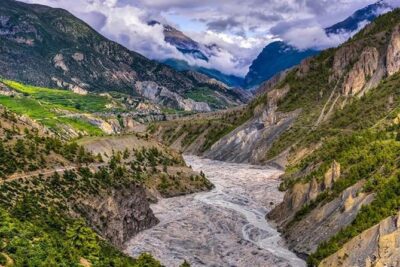
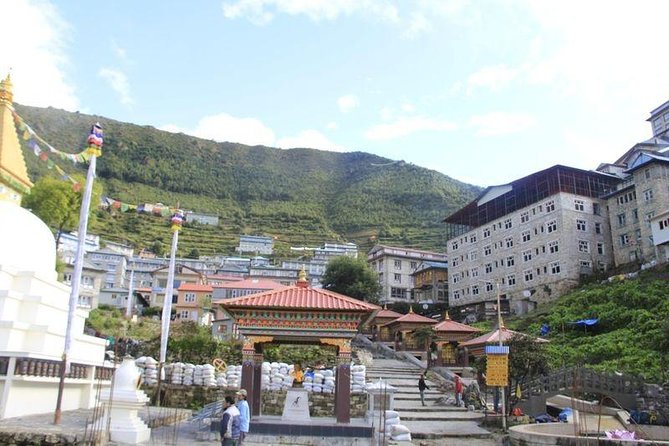
Phakding to Namche Bazaar is where the Khumbu starts to feel real. You walk through pine forest sections, follow the valley, cross rivers (including the Dudh Koshi), and pass through villages like Chumoa and Monjo. The day also includes suspension bridges and walking alongside river corridors—so the ground is active and never boring.
The Namche arrival is the big step. The trail brings you toward the Sherpa heartland, and if the weather is right, you can catch views of major peaks like Everest and Lhotse in the distance. This is one of those days where good visibility makes everything feel faster and more exciting.
Day 5 is a full acclimatization day in Namche Bazaar. I like that the plan doesn’t rush you onward immediately. Instead, you get time to explore Namche’s center, including shops, restaurants, markets, and even internet cafes and ATMs—useful for checking in with home and sorting daily needs.
You also get options for short hikes around Sagarmatha National Park. One route goes toward Khumjung village, and it includes the Khumjung Hillary School and Sherpa village life. You’ll also have chances to look at Himalayan flora and fauna depending on conditions. If you’re wondering what to do on an acclimatization day, the answer is: walk a bit, learn the area, keep your body working, and don’t chase big altitude gains.
A practical note: Namche is lively, but it’s still cold at elevation. Bring layers you can adjust quickly, especially if you’re moving between sun and cloud.
Tengboche and the Rhododendron Climb: Monastery Visits That Actually Matter
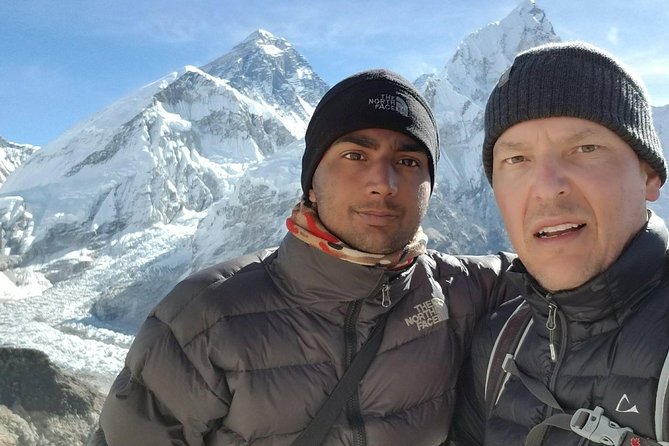
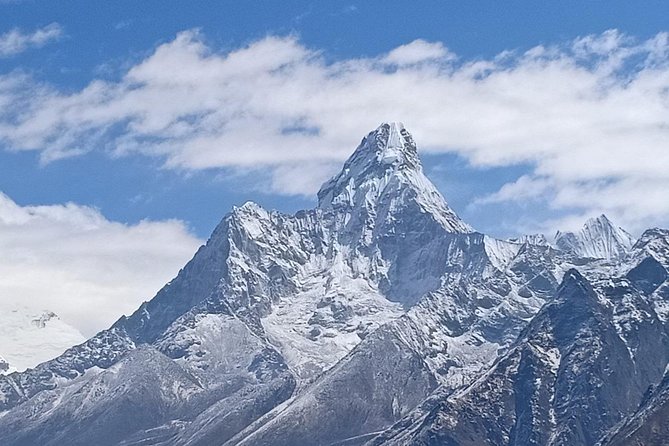
From Namche you descend toward the Dudh Koshi River and then climb again, following rhododendron forests up toward Tengboche. This segment gives you a mix of effort and payoff—views of major peaks like Everest, Lhotse, Nuptse, Ama Dablam, Thamserku, and Kongde can appear as you move.
When you reach Tengboche, you visit the monastery there (described as the largest monastery in the region). This isn’t just a stop for photos. It helps you understand why the Khumbu trail is also a spiritual path, with mountains tied to faith and daily life.
I also like the pacing here: you’re not only climbing altitude, you’re changing terrain types—rhododendron forests, river valleys, and stone pathways. That variety keeps the trek from feeling repetitive.
Dingboche: Views, Stone-Walled Fields, and Two More Days of Breathing Room
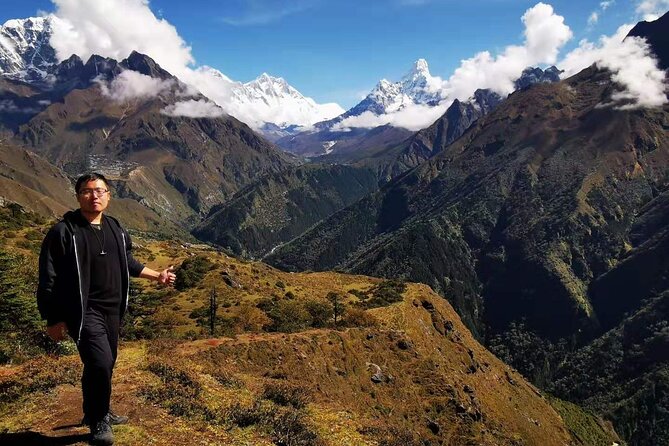
After Tengboche, the route trends through forests with birch, conifers, and rhododendrons. You pass by places like Devuche, cross the Imja River, and continue toward Pangboche and its monastery. Pangboche tends to offer a more pristine feel because the views open up as the trail heads deeper into the Imja Valley.
Then it’s up to Dingboche, where you’ll notice agricultural details: fields enclosed by stone walls that protect barley, buckwheat, and potatoes from cold winds and grazing animals. That’s one of my favorite types of moments on long treks—when you see how people live at altitude and make it work.
Day 8 adds another acclimatization day in Dingboche, and the plan includes day hikes toward either Nagarjun Hill or Chukkhung Valley for wider views. You’ll also see how other trekking objectives intersect here, since Dingboche is a common stop for people heading toward Everest, Ama Dablam, or Imja Tse.
One consideration: Dingboche is cold, and your breathing will feel heavier. The best approach is slow, steady steps and consistent hydration. You don’t need to win any walking competitions.
Lobuche, Gorak Shep, and Everest Base Camp: Thin Air and Gray-Gray Awe
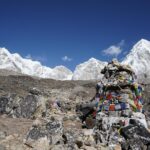
As you head toward Lobuche, the trail starts with a gradual climb to Duglha at the terminal moraine of the Khumbu Glacier, then continues up toward Chupki Lhara. This is where prayer flags and memorial stones show up—specifically memorials to Scott Fischer and Babu Chiri Sherpa, among others. It adds real context to why this area is revered and also why risk is part of the story.
From there, you follow the Khumbu Glacier moraine and face major peaks like Khumbutse, Lingtren, Pumori, and Mahalangur Himal. As you move onward, the path eases as you follow valleys and river corridors before reaching Lobuche.
On the way to Everest Base Camp itself, you pass through Gorak Shep and continue along the route through the once vast Gorak Shep Lake area. You’ll also come across memorials associated with the Indian army mountaineers. The trail can feel confusing in places, so it’s worth sticking closely with your lead Sherpa and not improvising.
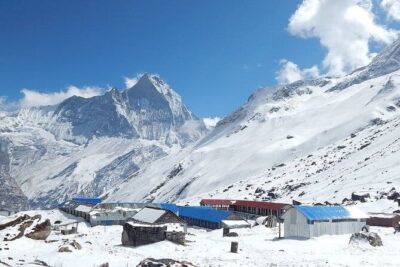
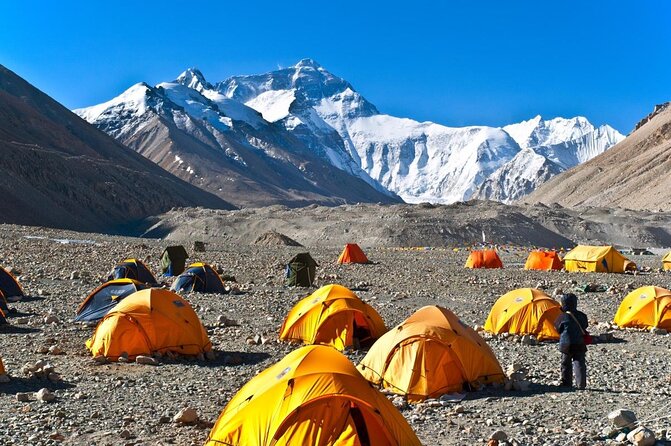
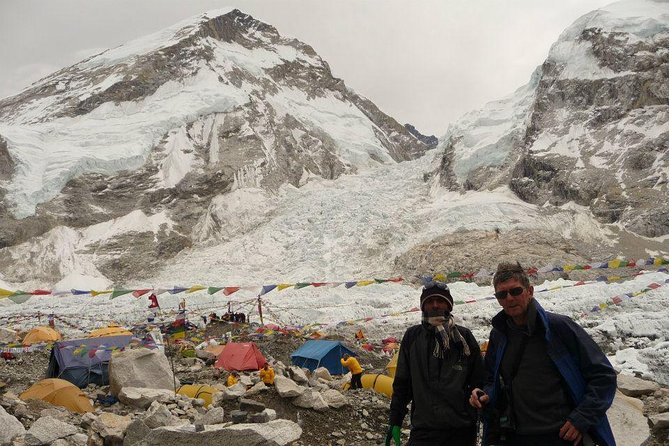
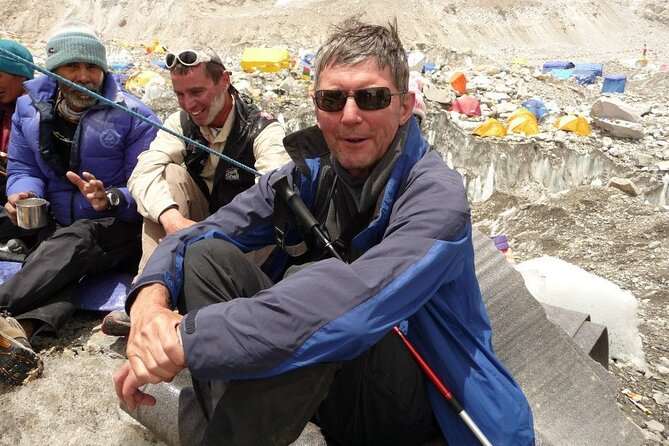
Once you reach Everest Base Camp, you’ll see mountaineer tents in bright colors against the gray terrain. From here, you can look at peaks like Nuptse, Khumbuste, and Pumori, depending on visibility. This is one of those moments where you realize the mountain is huge—but also that your own body is small and working hard to be there.
The practical drawback: the walk is strenuous due to thin air. Plan your energy for the whole day, not just for the last stretch to the camp.
Kala Patthar Sunrise: The Cold You Can Plan For
Day 11 is an early morning mission to Kala Patthar. The temperatures are described around -10 to -14 C, with potential chilly winds. If you’ve never worked at that temperature while moving uphill, treat it like a serious prep challenge: wear layers you can control, and keep gloves and head coverage tight.
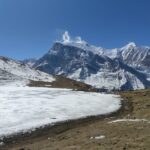
You start in pre-dawn darkness, and as you climb, peaks like Lingtren, Khumbutse, and Changtse tower to the east while Everest begins to reveal itself. When you reach Kala Patthar, the big win is the broad, close-up panorama with 360-degree views of Everest described as possible here. You’ll likely take photos and just stare for a bit, because your brain needs time to accept what your eyes are seeing.
After the viewpoint, you return toward Pheriche for rest. This is a good reminder that altitude days are about recovery as much as “doing” the hike.
Pheriche, Phakding, and Lukla Back Down: Let Your Legs Lead
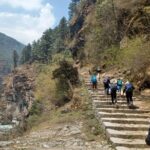
Day 12 brings a steady trek down from Pheriche through rhododendron and juniper zones, crossing a prayer-flag festooned bridge over the Dudh Koshi River. Then you move through pine forests down the Dudh Koshi gorge. The plan even notes you might see colorful pheasants and mountain goats in the forest sections—one more reason the descent is more than just leg pain.
By day 13 you’re heading back toward Phakding, walking through Sherpa villages where you’ll notice faith practices like prayer stones and prayer flags. It helps you connect the earlier cultural stops in Kathmandu to living, breathing traditions in the mountains.
Day 14 is the descent all the way down to Lukla, with steep downhill sections where careful footing matters. You cross suspension bridges over the fast flowing Dudh Koshi and tributaries, then the trail becomes more level as you approach Lukla. This is also the day where your knees may feel the most. Take your time.
Kathmandu Return: Stretch, Shop, and Plan What’s Next
Day 15 brings an early flight from Lukla back to Kathmandu. Once you’re there, you can rest or do souvenir shopping, with help available if you want to explore other parts of the city.
Day 16 is your final send-off. A representative from Vyas Treks & Expedition will pick you up and take you to Tribhuvan International Airport about 3 hours before your scheduled flight, leaving time to breathe and sort your final paperwork.
I like this end structure because it reduces last-minute stress. Long treks create mental fatigue. Having a plan for your exit helps you close the trip well.
Price and Value: What $800 Buys on a 16-Day Everest Base Camp Trek
At $800 per person for about 16 days, the value depends on what you bring to the table and what the company handles for you. In this case, you get a lot of operational structure: airport pickup, a guided Kathmandu day with multiple UNESCO sites, a team welcome dinner, equipment checking with your climbing leader, and the multi-day route coordination between Kathmandu and Lukla.
You also get acclimatization built into the pacing instead of being forced into faster altitude gains. That matters. It can be the difference between a trek that feels like an adventure and one that turns into a grind.
And even though the trek is challenging, the plan includes short stops that help with day-to-day sanity: Namche and Dingboche downtime, plus a return descent that gives you time to adjust rather than immediately launching into another big climb.
Still, mountain travel has tradeoffs. Flights into Lukla and winter conditions can change timing, and one past participant reported the trip ended earlier than expected with refund problems. That doesn’t mean it will happen to you, but it’s a reminder to ask clear questions about how changes are handled in your exact travel window.
Who Should Book This EBC Trek—and Who Should Think Twice
This trek fits best if you have moderate physical fitness and you’re comfortable hiking long days at altitude. The itinerary includes climbs, descents, and high-altitude exertion (especially around Everest Base Camp and Kala Patthar), so you need steady stamina, not just occasional fitness.
It’s also a good match if you want a classic Everest Base Camp experience with culture baked in. You’ll hit major spiritual places in Kathmandu, then see monasteries like Tengboche as you move through the Khumbu. If you care about why people trek here—not only the summit story—this route makes sense.
You might think twice if you hate schedule uncertainty. Weather is part of the deal, and the plan notes the experience requires good weather. If your trip is tightly linked to non-flexible flight plans or events, leave buffer time.
Should You Book Everest Base Camp with Vyas Treks & Expedition?
I’d book if you want the classic route, appreciate guided culture days, and you’re ready for mountain reality. The way the trek is paced—with acclimatization in Namche and Dingboche, plus the big viewpoint day at Kala Patthar—sets you up for a more satisfying experience.
I’d ask a few extra questions before you pay if you’re planning around strict dates. Confirm how weather impacts Lukla flights and whether timing changes are treated transparently. And if you can, request clarity on your guide and team support, since guide experience has been a major factor in strong reviews (people like Shiva and Keshab were highlighted for support and care).
If you go with flexible expectations and a steady pace mindset, this can be one of the most memorable treks on Earth.
FAQ
How long is the Everest Base Camp trek?
It’s listed as 16 days approximately, covering Kathmandu, a flight to Lukla, trekking through the Khumbu region to Everest Base Camp and Kala Patthar, then returning to Kathmandu.
Do you include the flight from Kathmandu to Lukla?
Yes. The plan includes a short scenic flight from Kathmandu to Lukla, about 40 minutes.
What are the main places you’ll trek through?
You’ll trek from Lukla to Phakding and Namche Bazaar, then onward to Tengboche, Dingboche, Lobuche, Everest Base Camp (via Gorak Shep), Kala Patthar, Pheriche, back to Phakding, and finally down to Lukla again before flying to Kathmandu.
Is there time for acclimatization?
Yes. You spend acclimatization time in Namche Bazaar and also at Dingboche with day hikes for views.
What level of fitness do I need?
The guidance is moderate physical fitness level. The trek still includes strenuous high-altitude walking, especially around Everest Base Camp and Kala Patthar.
What weather challenge should I be prepared for?
Kala Patthar is described with very cold temperatures around -10 to -14 C and possible winds. The trek also requires good weather, and poor conditions can lead to schedule changes or cancellation.
Is airport pickup included?
Yes. A representative from Vyas Treks & Expedition picks you up from Tribhuvan International Airport on arrival and also transfers you to the airport again for your departure.